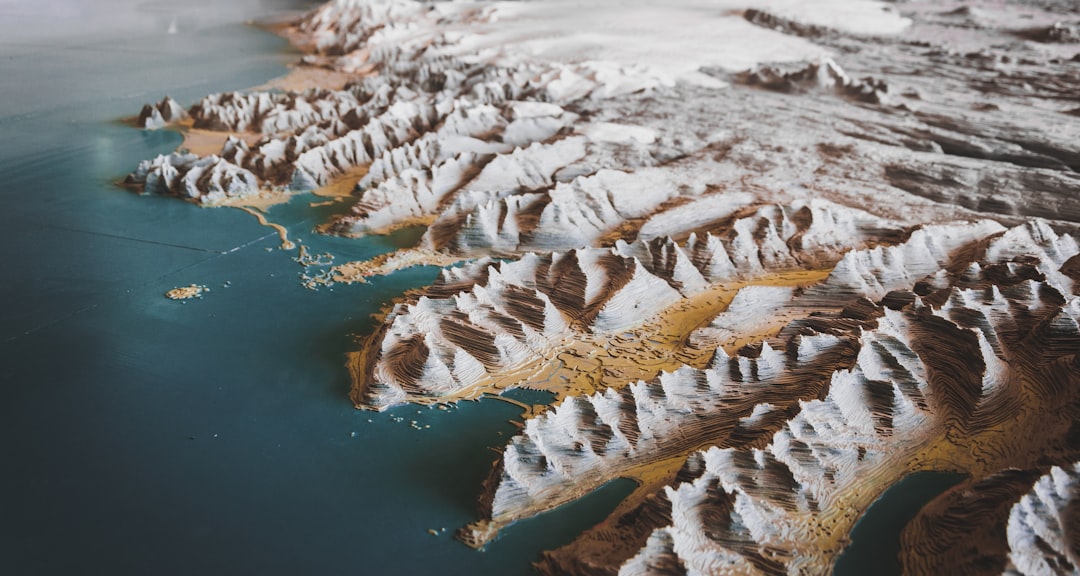
The flickering light of the screen cast a warm glow on the hushed studio audience, a collective anticipation hanging in the air. Tonight, “Exploring Earth’s Wonders: A Geography Documentary” was poised to take them on a journey unlike any other, a cinematic odyssey across continents, through oceans, and into the very heart of our planet. This groundbreaking series, meticulously crafted by a team of acclaimed geographers, cinematographers, and storytellers, promised not just to showcase the breathtaking beauty of Earth, but to delve into the intricate forces that shape it, the delicate ecosystems it sustains, and the profound impact humanity has on its ever-evolving landscape. From the towering peaks of the Himalayas to the mysterious depths of the Mariana Trench, from the vibrant coral reefs teeming with life to the stark, silent beauty of polar ice caps, “Exploring Earth’s Wonders” aimed to demystify the planet, revealing its secrets through a lens of scientific rigor and artistic vision. The series was more than just a visual spectacle; it was an invitation to understand, to appreciate, and ultimately, to protect the extraordinary planet we call home.
The idea for “Exploring Earth’s Wonders” wasn’t born overnight. It was a seed that had been germinating for years within the minds of its creators, fueled by a shared passion for geography and a growing concern for the planet’s future. The documentary’s executive producer, Dr. Aris Thorne, a renowned climatologist, spoke of the initial spark. “We were seeing so many isolated pieces of incredible geographical phenomena being reported,” he explained during a pre-premiere press conference. “Volcanoes erupting with unprecedented ferocity, ancient glaciers melting at an alarming rate, new islands being formed by tectonic shifts. But there was no overarching narrative connecting these events, no comprehensive visual exploration of the planet’s dynamic nature. We felt a pressing need to bridge that gap, to show how everything is interconnected.”
From Concept to Canvas
The conceptualization phase was an exercise in ambition and meticulous planning. The team envisioned a documentary that would transcend the typical nature film, one that would weave together scientific exposition, historical context, and compelling human stories. They aimed to capture the raw power of geological processes, the intricate dance of biodiversity, and the subtle yet significant ways human activity has reshaped the Earth’s surface. This meant not only visiting the most iconic natural landmarks but also venturing into lesser-known, yet equally vital, geographical regions.
Charting the Course: Selecting the Wonders
The selection of Earth’s “wonders” was a rigorous process, involving input from a diverse panel of experts. Geographic significance, ecological importance, geological uniqueness, and potential for narrative storytelling all played crucial roles. The team aimed for a balanced representation, encompassing various biomes, climates, and geological formations. From the fiery heart of active volcanoes to the frozen expanse of the Arctic, each location was chosen for its ability to illuminate a specific aspect of Earth’s geography and its ongoing transformations. The sheer scale of the undertaking meant navigating challenging terrains, securing permits in remote areas, and coordinating with local communities and scientific organizations worldwide.
The Technological Leap
To bring these visions to life, “Exploring Earth’s Wonders” embraced cutting-edge technology. High-definition cinematography, drone technology for aerial perspectives, advanced underwater cameras for exploring the ocean’s depths, and time-lapse photography to capture slow geological processes were all integral to the production. The series also incorporated sophisticated CGI to visualize abstract geological forces, such as tectonic plate movements or the formation of mountain ranges over millennia. This technological prowess allowed the filmmakers to present information in a visually stunning and scientifically accurate manner, making complex concepts accessible to a broad audience.
For those interested in exploring the fascinating world of geography, the documentary featured on My Geo Quest offers an in-depth look at the intricate relationships between human activities and the environment. To further enhance your understanding, you might find the related article on the impact of climate change on global ecosystems particularly insightful. You can read it here: My Geo Quest.
Unveiling the Earth’s Architect: Forces of Nature
The first installment of “Exploring Earth’s Wonders” plunges viewers headfirst into the dynamic geological forces that continuously sculpt our planet. It’s a visceral exploration of the raw power that lies beneath our feet, a testament to the ancient and ongoing processes that have shaped Earth’s landscapes over eons. The series doesn’t just show us these forces; it explains them, contextualizing their impact on human history and the evolution of life itself.
Plate Tectonics: The Earth’s Great Ballet
A significant portion of the initial episodes is dedicated to the awe-inspiring phenomenon of plate tectonics. Viewers are taken on an immersive journey through divergent, convergent, and transform boundaries, witnessing firsthand the colossal movements of Earth’s lithospheric plates. From the dramatic rifting of the East African Rift Valley, where a new ocean is literally being born, to the catastrophic earthquakes and volcanic eruptions that mark the collision of continents, the documentary provides a captivating visual narrative of one of the most fundamental geological processes.
The Ring of Fire: A Fiery Convergence
The series highlights the Pacific Ring of Fire, a horseshoe-shaped zone of intense seismic and volcanic activity, as a prime example of convergent plate boundaries. Through stunning footage captured during active eruptions and seismic events, viewers witness the immense power unleashed when tectonic plates collide. The documentary doesn’t shy away from the destructive potential, but it also emphasizes the creative aspect, as volcanic activity fertilizes soil and forms new landmasses over time, a concept often overlooked in the face of immediate devastation.
Mid-Ocean Ridges: The Birthplace of New Crust
The journey extends to the vast, unexplored depths of the ocean floor, where mid-ocean ridges serve as the Earth’s conveyor belts, creating new oceanic crust. Using advanced submersible cameras, the documentary showcases hydrothermal vents spewing superheated water and minerals, supporting unique chemosynthetic ecosystems that thrive in perpetual darkness. This segment effectively illustrates the planet’s continuous process of renewal and the surprising pockets of life that can exist in extreme environments.
The Sculpting Power of Water: Rivers, Glaciers, and Oceans
Beyond tectonic forces, “Exploring Earth’s Wonders” devotes significant attention to the ubiquitous and relentless power of water in its various forms. Rivers, glaciers, and the vast oceans are presented not just as passive landscapes but as active sculptors, constantly reshaping the Earth’s surface.
Grand Canyons: Carved by Time and Flow
The iconic Grand Canyon is explored not just as a geological marvel but as a testament to the erosive power of a single river, the Colorado River, over millions of years. Time-lapse photography and detailed geological analysis reveal the intricate layers of rock, each telling a story of ancient seas, deserts, and volcanic activity. The documentary emphasizes the slow, persistent nature of erosion, showcasing how seemingly insignificant forces can, over geological timescales, create some of the planet’s most dramatic features.
Glacial Giants: Shaping Mountains and Valleys
The frozen landscapes of regions like Patagonia and the Alps become the stage for exploring the immense power of glaciers. The series showcases how these slow-moving rivers of ice carve out U-shaped valleys, fjords, and cirques, leaving behind a distinct geological signature. The impact of glacial retreat due to climate change is also addressed, highlighting the fragility of these ancient formations and their role in water supply for many communities.
The Ocean’s Undulating Force: Waves and Currents
The boundless energy of the oceans is also a focal point. The documentary explores how waves sculpt coastlines, creating intricate patterns of erosion and deposition. It delves into the complex system of ocean currents, illustrating their vital role in regulating global climate and distributing heat and nutrients across the planet. The filming of powerful ocean storms provides a visceral reminder of the immense forces at play in Earth’s hydrosphere.
Biodiversity’s Tapestry: Life in Extreme Environments
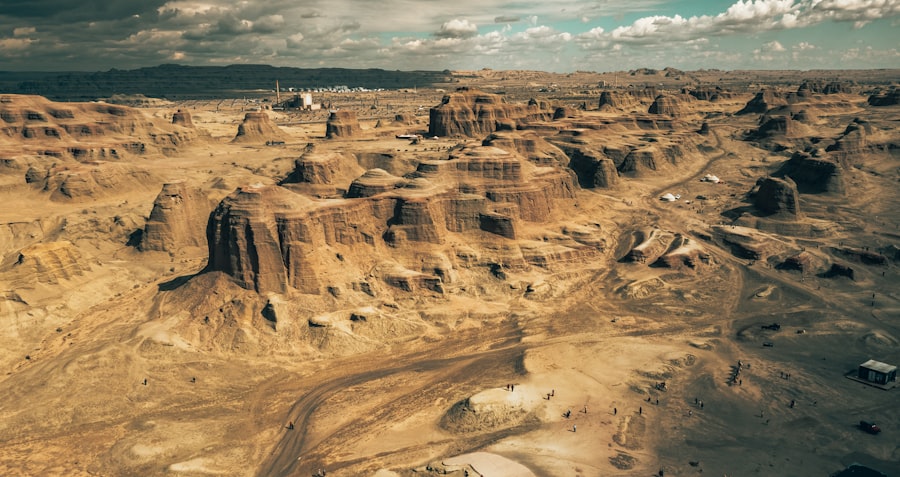
The second part of “Exploring Earth’s Wonders” shifts its focus from the raw geological forces to the incredible diversity of life that has adapted and thrived in seemingly impossible conditions. It is a testament to the resilience and ingenuity of evolution, showcasing ecosystems that defy our expectations of habitability. The series takes viewers to the planet’s most extreme environments, revealing the extraordinary adaptations that allow life to flourish where we might least expect it.
The Arctic and Antarctic: Life on the Edge of Ice
The polar regions, often perceived as barren wastelands, are revealed as vibrant ecosystems teeming with specialized life forms. The documentary captures the incredible adaptations of polar bears, seals, and penguins, highlighting their reliance on the delicate balance of the frozen environment.
The Ice as Habitat: More Than Just Frozen Water
Beyond the iconic megafauna, the series delves into the unseen world of the ice itself. Microscopic organisms, marine invertebrates, and specialized plants that find sustenance and shelter within, on, and beneath the ice are explored. The fragile nature of these ecosystems, particularly in the face of rising global temperatures, is a recurring and important theme.
The Seabed Beneath the Ice: A Hidden World of Wonder
Utilizing specialized ROVs (Remotely Operated Vehicles), the documentary offers glimpses into the surprisingly rich marine life that exists beneath the polar ice shelves. Strange and beautiful creatures, adapted to the extreme cold and pressure, are showcased, reminding viewers that life finds a way even in the most inhospitable corners of the planet.
Deserts: Resilience in the Arid Embrace
From the scorched sands of the Sahara to the otherworldly landscapes of the Atacama, the deserts are presented not as wastelands but as vibrant ecosystems where life has developed remarkable strategies for survival. The documentary showcases the ingeniosity of desert flora and fauna.
Water Wisdom: Adaptations for Drought and Heat
Viewers learn about the incredible water-saving mechanisms of desert plants, from deep root systems that tap into subterranean water sources to succulent leaves that store precious moisture. The adaptations of animals, such as nocturnal foraging, efficient water extraction from food, and camouflage, are also vividly illustrated. The persistence of life in these seemingly barren expanses is a powerful narrative of adaptation.
Oasis and Ephemeral Life: Fleeting Blooms in the Sand
The documentary also highlights the paradox of deserts: their ability to burst into vibrant life after rare rainfall. The ephemeral blooms of wildflowers, the temporary abundance of water in oases, and the cycles of life that are dictated by scarcity and sudden bounty are depicted, showcasing the dynamic nature of these arid environments.
The Deep Sea: Life in Perpetual Darkness
Perhaps the most compelling exploration of life in extreme environments occurs in the crushing pressures and perpetual darkness of the deep sea. The series utilizes state-of-the-art submersibles and camera technology to reveal a world of alien beauty and remarkable evolutionary innovation.
Hydrothermal Vents: Oases of Life in the Abyss
The discovery of hydrothermal vents as ecosystems independent of sunlight is a cornerstone of this segment. The series showcases the complex food webs that are sustained by chemosynthesis, where bacteria convert chemical energy into sustenance, forming the base of a unique and thriving biological community. The bizarre and often translucent creatures that inhabit these deep-sea oases are a visual spectacle.
Bioluminescence: The Language of the Abyss
The phenomenon of bioluminescence, the production of light by living organisms, is explored as a crucial adaptation in the lightless depths. The documentary reveals how various deep-sea creatures use bioluminescence for communication, hunting, and defense, painting a mesmerizing picture of a world illuminated by its own inhabitants.
Humanity’s Footprint: Shaping and Being Shaped by Geography
The third and perhaps most thought-provoking section of “Exploring Earth’s Wonders” turns its gaze towards the inextricable relationship between humanity and the planet. It’s a candid examination of how human activities have not only been shaped by geography but have, in turn, dramatically reshaped the Earth’s landscapes, ecosystems, and climate. The series navigates the complex interplay between human civilization and the natural world, highlighting both the ingenuity of adaptation and the profound consequences of our actions.
The Geography of Civilization: Adaptation and Innovation
The documentary begins by retracing the historical development of human civilizations, emphasizing how geographical factors have dictated their rise and fall. From the fertile crescent of Mesopotamia, where river systems facilitated agriculture, to the coastal cities that thrived on maritime trade, the series illustrates how access to resources, climate, and terrain have profoundly influenced human settlement patterns and cultural development.
Agricultural Revolutions: Taming the Land
The evolution of agriculture is explored as a critical turning point in human history, demonstrating how humans learned to manipulate geographical resources for sustenance and growth. The series showcases the diverse methods of farming that developed in different regions, from terraced agriculture in mountainous terrains to irrigation systems in arid lands, highlighting the ingenuity with which humans have adapted landscapes to their needs.
The Rise of Cities: Hubs of Human Geography
The growth of cities is presented as a concentrated manifestation of human interaction with geography. The documentary examines how urban centers have been strategically located for access to resources, transportation, and defense, and how their expansion has led to significant alterations of the local environments, including deforestation, water diversion, and waste management challenges.
Environmental Impacts: The Unintended Architect
This segment delves into the often unintended consequences of human activities on the environment, illustrating how our quest for progress has left an indelible mark on the planet. The series presents a nuanced perspective, acknowledging the benefits of human innovation while unflinchingly depicting the environmental costs.
Deforestation: The Clearing of Natural Havens
The widespread impact of deforestation across various regions is showcased. From the ancient forests of Europe to the Amazon rainforest, viewers witness the scale of land clearing for agriculture, timber, and urban expansion. The documentary explains the cascading effects of deforestation, including soil erosion, loss of biodiversity, and disruption of local and global climate patterns.
Pollution’s Pervasive Reach: Air, Water, and Soil
The pervasive nature of pollution is a significant theme. The series explores the impact of industrial waste, agricultural runoff, and plastic pollution on water bodies, the atmosphere, and terrestrial ecosystems. Animated sequences illustrate the journey of pollutants through environmental systems, demonstrating their far-reaching and often devastating consequences.
The Anthropocene: A New Geological Epoch
The documentary introduces the concept of the Anthropocene, a proposed new geological epoch defined by the significant impact of human activities on Earth’s geology and ecosystems. Through compelling visuals and expert commentary, it argues that humanity has become a geological force, comparable in scale to natural processes that have shaped the planet over millions of years.
Climate Change: A Global Geographical Challenge
The discussion on humanity’s impact culminates in a detailed examination of climate change, a challenge that transcends national borders and impacts every corner of the globe. The series presents the scientific consensus on the causes and consequences of global warming, drawing connections between human activities and shifts in weather patterns, sea levels, and extreme weather events.
Melting Glaciers and Rising Seas: A Global Threat
The visual evidence of melting glaciers and ice sheets, particularly in the Arctic and Antarctic, is presented with alarming clarity. The documentary explains the implications of rising sea levels for coastal communities worldwide, showcasing vulnerable regions and potential adaptation strategies. The interconnectedness of global climate systems is emphasized, illustrating how changes in one region can have far-reaching impacts elsewhere.
Extreme Weather: The Shifting Climate Landscape
The increasing frequency and intensity of extreme weather events, such as hurricanes, droughts, and heatwaves, are examined through case studies from around the world. The documentary explores how changes in atmospheric circulation and ocean temperatures contribute to these phenomena, highlighting the vulnerability of human societies and natural ecosystems.
If you’re interested in exploring the intricate relationship between human activities and the natural environment, you might find the article on sustainable urban development particularly enlightening. It delves into how cities can adapt to climate change while promoting biodiversity and enhancing the quality of life for their residents. For more insights, check out this fascinating piece on geography and urban planning at My Geo Quest.
The Future of Our Planet: Conservation and Sustainable Futures
| Country | Documentary Title | Release Year | Director |
|---|---|---|---|
| United States | Planet Earth | 2006 | Alastair Fothergill |
| United Kingdom | Blue Planet II | 2017 | James Honeyborne |
| Canada | Wild Canada | 2014 | Jeff Turner |
The concluding episodes of “Exploring Earth’s Wonders: A Geography Documentary” shift from observation and analysis to a forward-looking perspective, focusing on the critical need for conservation and the potential for building sustainable futures for both humanity and the planet. It’s a call to action, inspired by the beauty and fragility of the Earth, urging viewers to consider their role in shaping the future. The series showcases inspiring examples of conservation efforts, innovative sustainable technologies, and the growing awareness of humanity’s responsibility as stewards of the planet.
The Power of Preservation: Protecting Earth’s Treasures
This section highlights the vital importance of conservation efforts in safeguarding biodiversity and natural landscapes. Viewers are introduced to a diverse range of initiatives, from the establishment of national parks and marine protected areas to the restoration of degraded habitats and the reintroduction of endangered species.
Biodiversity Hotspots: Guardians of Life’s Richness
The documentary shines a spotlight on biodiversity hotspots, regions with exceptionally high concentrations of species, many of which are found nowhere else on Earth. It emphasizes the urgent need to protect these areas from habitat destruction and overexploitation, showcasing the scientific and ecological significance of maintaining this rich tapestry of life.
Sustainable Resource Management: Balancing Needs and Nature
The series explores innovative approaches to managing natural resources sustainably. This includes showcasing examples of responsible forestry, sustainable fisheries management, and water conservation strategies that aim to meet human needs without depleting or damaging the natural systems upon which we depend. The interconnectedness of resource management and ecological health is a central theme.
Innovations for a Greener Tomorrow: Technology and Ingenuity
“Exploring Earth’s Wonders” delves into the rapidly evolving field of sustainable technology, presenting cutting-edge solutions that offer hope for a reduced environmental footprint. This segment celebrates human ingenuity and its potential to mitigate the impacts of past choices and build a more environmentally conscious future.
Renewable Energy Revolution: Harnessing Nature’s Power
The transition towards renewable energy sources is a major focus. Viewers are shown the advancements in solar, wind, and geothermal technologies, illustrating their potential to power our societies with cleaner, more sustainable energy. The series highlights projects that are successfully integrating these technologies into existing infrastructure and communities.
Circular Economy Models: From Waste to Resource
The documentary explores the principles of the circular economy, a model that aims to eliminate waste and pollution by keeping products and materials in use. Examples of innovative recycling, upcycling, and product design that prioritize longevity and resource efficiency are showcased, demonstrating a shift in thinking from a linear “take-make-dispose” model to a more regenerative approach.
Smart Cities and Sustainable Development: Reshaping Urban Landscapes
The concept of smart cities and sustainable urban development is presented as a critical avenue for creating more livable and environmentally responsible urban environments. The series highlights initiatives that integrate green infrastructure, efficient public transportation, energy-efficient buildings, and advanced waste management systems to reduce the environmental impact of growing urban populations.
The Role of Education and Awareness: Empowering Global Citizens
Crucially, the series underscores the power of education and awareness in driving positive change. It emphasizes that understanding our planet’s geography, its challenges, and its interconnectedness is the first step towards responsible stewardship.
Citizen Science and Community Action: Local Impact, Global Change
The documentary celebrates the growing role of citizen science and community-led initiatives in environmental monitoring and conservation. These grassroots efforts, empowering individuals to contribute to scientific research and advocate for change, are presented as vital components of a global movement towards sustainability.
Inspiring Future Generations: The Legacy of Exploration
“Exploring Earth’s Wonders” concludes with a powerful message of hope and responsibility, inspiring viewers, particularly younger generations, to become active participants in safeguarding the planet. The series emphasizes that by understanding and appreciating Earth’s wonders, we are more likely to protect them, ensuring a vibrant and healthy planet for generations to come. The legacy of geographical exploration continues, not just in the pursuit of knowledge, but in the urgent quest for a sustainable future. The final poignant images remind us that the Earth is not just a subject of study, but our home, a shared legacy that requires our collective care and commitment.

The Map Behind Every Battery
FAQs
What is a geography documentary?
A geography documentary is a film or video production that explores and educates viewers about various geographical features, landscapes, and regions around the world. These documentaries often focus on the physical and human geography of different areas, as well as the environmental, cultural, and historical aspects of those locations.
What are the benefits of watching geography documentaries?
Watching geography documentaries can provide viewers with a deeper understanding of the world around them. These documentaries offer insights into different cultures, environments, and landscapes, helping to broaden perspectives and increase awareness of global issues. They also serve as educational tools, teaching viewers about the Earth’s diverse geography and the interconnectedness of different regions.
Where can one find geography documentaries to watch?
Geography documentaries can be found on various platforms, including streaming services, television networks, and online video channels. Many documentary filmmakers and production companies also release their work on DVD or Blu-ray. Additionally, educational institutions, libraries, and museums often offer screenings of geography documentaries as part of their programming.
What are some popular geography documentaries?
Some popular geography documentaries include “Planet Earth” and “Blue Planet” by the BBC, “Our Planet” on Netflix, “Human Planet” by the BBC, “The Story of Earth” by National Geographic, and “Wild China” by the BBC. These documentaries showcase the Earth’s natural beauty, diverse ecosystems, and the impact of human activity on the environment.
How can geography documentaries contribute to education?
Geography documentaries can be valuable educational tools for students of all ages. They provide visual and engaging ways to learn about different geographical concepts, such as climate, landforms, ecosystems, and cultural landscapes. By watching these documentaries, students can gain a better understanding of the world and its complexities, fostering a sense of global awareness and environmental stewardship.