The field of warfare, an arena of constant evolution, has always been inextricably linked to the physical landscape in which it unfolds. However, recent developments in global conflict demonstrate a significant shift in perspective: geography is no longer merely a passive stage for conflict, but an increasingly active and potent weapon in its own right. This new understanding reconfigures strategic thinking, demanding a sophisticated appreciation for how mountains, oceans, deserts, and even shifting climate patterns can be leveraged to gain decisive advantages, or conversely, serve as formidable deterrents. The principles that have shaped military planning for centuries – terrain, distance, and natural barriers – are now being reinterpreted through the lens of advanced technology and novel geopolitical pressures, creating a complex interplay that defines modern strategic calculus.
Despite the undeniable march of technological innovation, the fundamental influence of terrain on military operations remains as potent as ever. While the skies are filled with drones and communication networks span continents, the realities of land, sea, and air environments continue to dictate the viability and effectiveness of military strategies and technologies. The inherent characteristics of the physical world impose limitations and offer opportunities that no amount of digital advancement can entirely overcome. Understanding and adapting to these enduring geographical constraints is paramount for any force seeking to succeed in conflict.
Mountains and Forests: Sanctuaries and Stumbling Blocks
Mountainous regions and dense forests have historically served as formidable strongholds for resistance movements and a significant impediment to conventional military forces. Their rugged topography, characterized by steep inclines, limited lines of sight, and a scarcity of open ground, fundamentally alters the dynamics of combat.
Degrading Air Power and ISR Capabilities
The complexity of mountainous terrain significantly degrades the effectiveness of airpower and intelligence, surveillance, and reconnaissance (ISR) operations. Air-to-ground targeting becomes immensely more challenging due to the concealment offered by the terrain and the intricate shadows cast by peaks and valleys. Drones, while agile, can struggle to maintain consistent surveillance due to GPS signal degradation and the difficulty of penetrating dense canopy cover. Similarly, advanced ISR systems relying on clear satellite imagery or long-range sensor sweeps can find their efforts thwarted by the natural cover provided by these environments, thus hindering situational awareness and precision strikes.
Irregular Warfare and the Asymmetric Advantage
In such environments, irregular warfare tactics often prove exceptionally effective. Insurgent or guerrilla forces, intimately familiar with the local terrain, can utilize caves, valleys, and dense vegetation for concealment, ambushes, and rapid movement. This allows them to negate the technological and numerical superiority of a conventional adversary, turning the very geography that restricts the attacker into an advantage for the defender. The ability to strike and disappear into the landscape creates a persistent and attritional threat to a conventional force, making prolonged engagements incredibly costly and strategically inconclusive.
Plains and Open Terrain: The Double-Edged Sword
Conversely, open plains and expansive flatlands present a starkly different tactical landscape, offering both significant advantages and profound vulnerabilities. While they facilitate rapid movement and maximize the reach of advanced weaponry, they also expose forces to a greater degree of surveillance and attack.
Facilitating Maneuver and Power Projection
The vast, unhindered expanses of plains are ideal for large-scale maneuver warfare. Tanks, mechanized infantry, and artillery can operate with relative freedom, allowing for rapid strategic advances and encirclement operations. For technologically superior forces, these environments amplify the impact of their combined arms capabilities, enabling swift and decisive offensives. Open terrain also maximizes the effectiveness of long-range precision-guided munitions and aerial bombardment, as targets are more readily acquired and less obscured.
Increased Vulnerability to Air and Missile Strikes
However, this very openness makes forces operating in plains highly vulnerable to air and missile strikes. The lack of natural cover means that troop concentrations, supply lines, and command posts are easily detectable from the air and by long-range sensors. This necessitates a constant state of vigilance and dispersion, as any significant gathering of forces can become a prime target for enemy airpower or artillery. The threat of overwhelming firepower from above can severely limit the operational freedom and strategic initiative of ground forces operating in such environments.
Coastal Regions and Urban Environments: Complexities and Bottlenecks
Coastal areas and dense urban agglomerations present unique geographical challenges and opportunities, often acting as critical nodes of economic and strategic importance, and thus frequent flashpoints for conflict.
The Strategic Importance of Chokepoints
Coastal regions are home to vital maritime chokepoints – narrow waterways through which a significant portion of global trade and naval traffic must pass. The ability to control or disrupt these chokepoints, such as the Strait of Hormuz or the Suez Canal, grants immense strategic leverage. Disrupting these routes can have cascading effects on global energy markets, insurance costs, and supply chains, creating economic pressure that can be as effective as direct military engagement. Nations situated at these critical junctures can thus wield considerable asymmetric influence.
The Brutality and Complexity of Urban Warfare
Urban environments, a growing feature of modern conflict, present some of the most complex and brutal challenges for military forces. The dense juxtaposition of buildings, infrastructure, and civilian populations creates a labyrinthine battlefield. Snipers can operate from high-rise positions, improvised explosive devices (IEDs) can be concealed in civilian structures, and the very fabric of the city can be turned into a defensive bastion. Clearing urban areas is a slow, painstaking, and high-casualty undertaking, as conventional tactics designed for open battlefields are rendered largely ineffective. The psychological toll of urban combat, coupled with the difficulty of distinguishing combatants from non-combatants, adds further layers of complexity.
Geography plays a crucial role in shaping the dynamics of warfare, influencing everything from troop movements to strategic planning. For a deeper understanding of this relationship, you can explore the article on MyGeoQuest that discusses how geographical features such as mountains, rivers, and climate can impact military strategies and outcomes. To read more about this fascinating topic, visit this article.
The Unchanging Power of Distance and Water: Barriers to Projection
In an era of rapid technological advancement, the fundamental geographic realities of distance and water continue to exert a profound influence on the dynamics of warfare. These natural barriers, while seemingly diminished by modern transportation and communication, remain critical factors in power projection, defense, and the overall feasibility of conquest. The sheer scale of oceans and the logistical challenges of traversing vast distances are not easily overcome, even by the most technologically advanced militaries.
The Ocean’s Embrace: A Natural Defense and a Logistical Hurdle
Oceans represent the ultimate geographic barrier, fundamentally shaping the capabilities and limitations of military powers. For island nations or those separated by significant bodies of water, their maritime domain serves as a substantial built-in defense, making large-scale invasion a formidable undertaking.
Hindering Power Projection for Advanced Militaries
Even for the most technologically advanced and globally positioned militaries, projecting power across vast oceans remains a significant logistical and strategic challenge. The establishment and maintenance of secure sea lanes, the deployment of naval fleets, and the sustained supply of matériel and personnel far from home bases require immense resources and meticulous planning. The inherent vulnerability of supply lines to interdiction, the need for robust naval escort, and the sheer time involved in transit all contribute to making distant interventions and sustained military operations exceptionally difficult.
Favoring Defense Over Offense in Transoceanic Conflicts
The “stopping power” of oceans inherently favors defensive strategies over offensive ones when considering transoceanic conflicts. For an invading force, the aggressor must overcome the defender’s natural advantage of proximity and the inherent difficulties of maintaining a forward operating presence across thousands of miles of water. Defending forces, on the other hand, can leverage their geographic position to resist invasion, benefiting from the same oceanic barriers that complicate the attacker’s logistic chains and operational reach. This dynamic makes the conquest of distant, well-defended territories an exceptionally arduous and often unsustainable endeavor.
The Tyranny of Distance: Time, Resources, and Logistics
Beyond the physical presence of water, the sheer expanse of geographic distance presents a pervasive challenge for military operations. The cumulative effects of time, resource expenditure, and logistical complexity associated with traversing long distances significantly influence strategic decision-making and operational feasibility.
Escalating Logistical Demands
The further a military force operates from its home base, the more complex and demanding its logistical requirements become. Transporting troops, fuel, ammunition, and supplies across vast distances strains transportation networks, requires significant escort and protection, and increases the overall cost of operations. Breakdowns in the logistical chain can have catastrophic consequences, leaving forces undersupplied and vulnerable. The immense scale of resources required to sustain operations far from home acts as a significant deterrent to protracted overseas interventions.
The Strategic Advantage of Proximity
Conversely, geographic proximity offers a distinct strategic advantage. Forces operating in their near abroad or on their own territory can rely on shorter, more secure supply lines and more readily available local resources. This allows for greater operational tempo and responsiveness, as well as reduced logistical complexity. For nations possessing strategically advantageous territorial locations, proximity can serve as a powerful deterrent, making them less susceptible to external aggression.
Climate Trends: Reshaping Strategic Fronts and Emerging Geographies
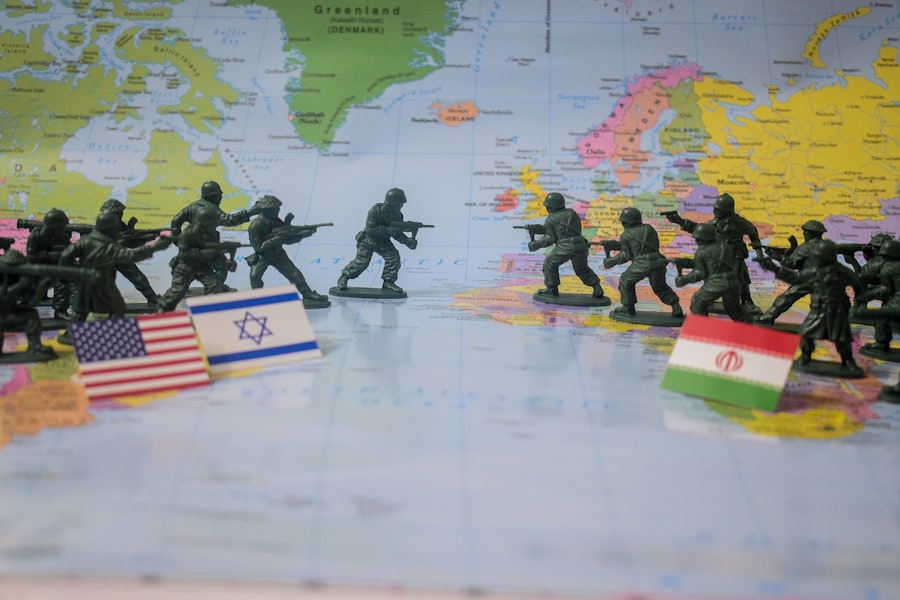
The inexorable march of climate change is not merely an environmental concern; it is a profound geopolitical force actively reshaping the global strategic landscape. As temperatures rise, ice melts, and weather patterns shift, new geographic realities are emerging, creating novel pressures, opening previously inaccessible regions, and exacerbating existing resource-driven conflicts. These climate-driven geographical transformations are fundamentally altering strategic calculations and demanding a proactive reassessment of national security interests by military planners worldwide.
The Arctic Frontier: New Routes and New Tensions
The most dramatic and consequential manifestation of climate change’s impact on geography is the rapid melting of Arctic ice. The opening of Arctic sea routes, such as the Northern Sea Route and the Northwest Passage, offers unprecedented shipping opportunities, potentially shortening transit times between Europe and Asia.
Economic and Strategic Implications of New Trade Routes
These new maritime arteries hold immense economic promise, promising to reduce transportation costs and enhance global trade. However, their emergence also brings significant strategic implications. Nations with Arctic coastlines, such as Russia, Canada, and the United States, are increasingly asserting their territorial claims and investing in naval and logistical infrastructure to secure access and control. This has led to a heightened military presence and increased tensions in the region, as strategic competition intensifies for resource extraction rights and dominance over these vital new trade arteries.
Military Infrastructure and Operational Challenges
Operating in the Arctic presents unique military challenges. The harsh environment, characterized by extreme cold, unpredictable weather, and ice floes, demands specialized equipment and training. Navies must contend with the risks of ice damage and the need for icebreakers to maintain passage. Air forces face the difficulties of operating in extreme conditions and limited refueling infrastructure. The development of military bases and supporting infrastructure in this remote and unforgiving region represents a significant investment and a complex logistical undertaking.
Sea-Level Rise and Coastal Vulnerabilities
As global temperatures continue to climb, sea levels are steadily rising, posing a growing threat to coastal infrastructure and populations worldwide, creating new vulnerabilities and potential flashpoints for instability.
Threat to Critical Infrastructure and Population Centers
Low-lying coastal regions, where a significant portion of the world’s population and critical economic infrastructure are concentrated, are increasingly at risk from inundation and more frequent extreme weather events such as storm surges. Ports, naval bases, military installations, and vital economic hubs are all vulnerable to damage or destruction. This necessitates significant investment in protective measures, such as sea walls and improved drainage systems, or potentially the relocation of key assets and populations, creating new strategic considerations and potential displacement crises.
Emphasizing Amphibious Operations and Coastal Defense
The increasing threat to coastal areas also re-emphasizes the importance of amphibious operations and coastal defense capabilities. For nations with extensive coastlines, the ability to defend against marine-borne invasion becomes even more critical. Conversely, for potential aggressors, attacking fortified coastal defenses remains a challenging prospect, requiring meticulous planning and overwhelming force. The interplay between coastal vulnerabilities and defensive capabilities will likely become a more prominent factor in future strategic planning.
Water Scarcity and Resource-Driven Conflict
In many arid and semi-arid regions of the world, water scarcity is already a stark reality, and climate change is projected to exacerbate this problem, intensifying competition for dwindling water resources and driving potential conflicts.
Competition for Scarce Freshwater Resources
As rainfall patterns become more erratic and droughts more prolonged, competition for access to freshwater is intensifying between nations that share river basins or rely on interconnected water sources. This competition can manifest as diplomatic disputes, economic leverage, or, in extreme cases, as armed conflict, particularly in regions already characterized by political instability and resource dependence. Managing shared water resources and addressing the root causes of scarcity will be a critical factor in preventing future conflicts.
The Strategic Importance of Water Infrastructure
Water infrastructure, including dams, canals, and desalination plants, is becoming increasingly strategic. Control over these vital systems can be used as a tool of coercion or as a target for disruption. Nations that rely heavily on imported water or on water sources controlled by neighboring states are inherently vulnerable. This vulnerability can shape foreign policy and military posture, as states seek to secure access to vital resources and protect their water supply chains.
Geography as a Weapon: Asymmetric Leverage and Strategic Disruption
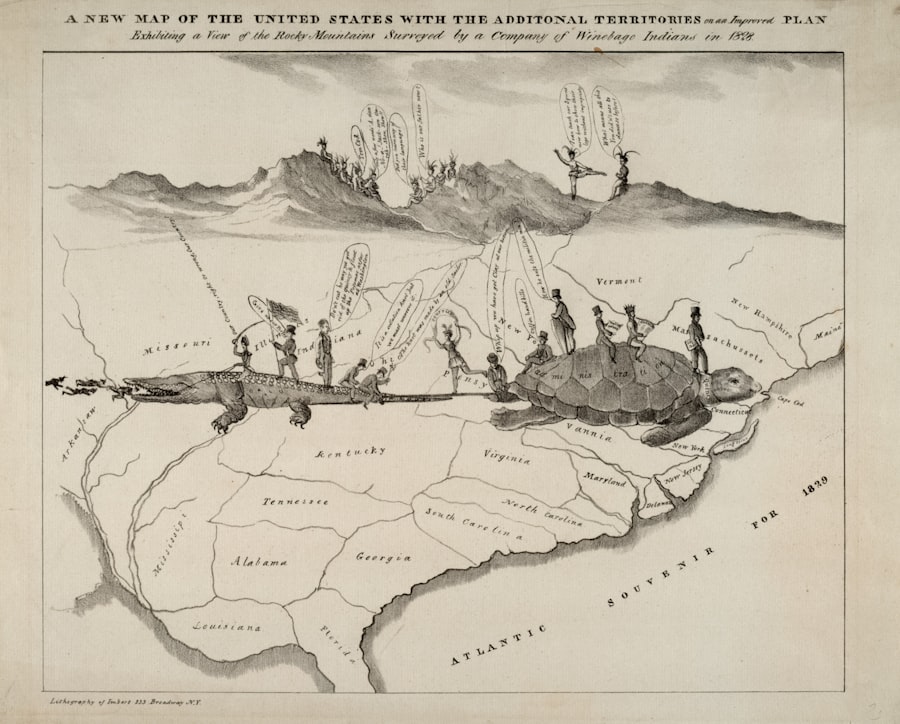
The modern understanding of geography in warfare has moved beyond its passive role as a landscape to its active function as a strategic weapon. Nations, even those with material disadvantages, can leverage their geographical positions to exert significant influence, disrupt adversaries, and achieve strategic objectives through methods that bypass conventional military might. This shift recognizes that control over key geographical points or the ability to influence their accessibility can be a far more potent tool than brute force.
Chokepoints: The Power of Strategic Location
Geographic chokepoints – narrow seaways, mountain passes, or vital transit routes – are critical leverage points in international affairs. Control or the ability to threaten these locations grants disproportionate power to those who possess it, allowing them to influence global trade, energy markets, and military deployments.
Iran and the Strait of Hormuz: A Case Study in Asymmetric Leverage
Iran’s strategic location on the Strait of Hormuz serves as a potent example of how geography can provide asymmetric leverage against materially superior adversaries. By controlling or threatening passage through this vital waterway, Iran can directly impact global oil supplies and inflict economic pain on nations like the United States and its allies, who are heavily reliant on energy imports. This allows Iran to exert influence and deter aggression in ways that its conventional military capabilities alone would not permit. The threat of disrupting this chokepoint is a constant source of geopolitical tension and a key element of Iran’s defense strategy.
Disrupting Global Markets and Insurance Costs
The mere threat of disruption to critical geographic chokepoints can have profound ripple effects on global markets, even without direct military engagement. Uncertainty surrounding the security of vital sea lanes drives up oil prices, increases shipping insurance premiums, and creates instability in financial markets. This economic pressure can be a powerful tool, forcing adversaries to expend resources and political capital to ensure the free flow of commerce, thus achieving a strategic objective without firing a shot.
Leveraging Geographic Vulnerabilities for Strategic Disruption
Beyond controlling vital transit points, adversaries can exploit broader geographic vulnerabilities to disrupt their opponents’ operations and achieve strategic goals. This involves understanding an opponent’s reliance on specific geographic features and developing strategies to exploit those dependencies.
The “Stopping Power” of Natural Barriers Against Advanced Technologies
While technology has advanced dramatically, the enduring “stopping power” of natural barriers like oceans and vast distances remains a significant factor. For nations with geographic advantages, these barriers can neutralize the technological superiority of their adversaries. For instance, the immense logistical challenges of projecting power across the Pacific Ocean mean that even a highly advanced military would face significant hurdles in sustained operations against a deeply entrenched opponent. This underscores that geography can still act as a potent defensive mechanism, even against the most sophisticated weaponry.
Creating Uncertainty and Demanding Resource Allocation
The act of threatening or partially disrupting access to geographically vital areas forces adversaries to expend resources and attention on mitigating those threats. This strategic disruption can tie down enemy forces, divert attention from other objectives, and create an environment of uncertainty that favors the disruptor. The constant need to police vast sea lanes, monitor missile threats from specific regions, or secure vulnerable energy infrastructure imposes a significant and often unsustainable burden on an opponent.
Geography plays a crucial role in shaping the dynamics of warfare, influencing everything from troop movements to strategic planning. For a deeper understanding of this relationship, you can explore an insightful article on the topic at My Geo Quest. The terrain, climate, and natural resources of a region can determine the outcomes of conflicts, as armies must adapt to the challenges presented by their surroundings. By examining historical battles and military strategies, we can see how geography has consistently impacted the course of wars throughout history.
The “New Terrain” of Systems: Beyond Physical Conquest
| Geography Factor | Impact on War |
|---|---|
| Topography | Mountains, rivers, and other natural features can act as barriers or strategic points in warfare. |
| Climate | Extreme weather conditions can affect troop movements, supply lines, and overall military operations. |
| Distance | Distance between countries or regions can impact the logistics and feasibility of military campaigns. |
| Resources | Availability of natural resources can influence the strategic importance of certain regions in warfare. |
| Coastline | Access to sea routes and naval capabilities can significantly impact military strategies and operations. |
While the physical geography of mountains, plains, and oceans will always remain a critical determinant of military success, the landscape of strategic competition is rapidly expanding to include “new terrains.” These are not physical spaces that can be occupied or conquered in the traditional sense, but rather interconnected systems that define a state’s ability to function, compete, and exert influence in the modern world. Understanding and operating within these abstract, yet critically important, domains is becoming as vital as mastering the physical battlefield.
Infrastructure: The Arteries of Power and Vulnerability
A nation’s physical infrastructure – its transportation networks, energy grids, communication systems, and industrial complexes – forms the very backbone of its economic and military power. These interconnected systems represent a unique form of geographic terrain that is highly susceptible to disruption.
Critical Infrastructure as a Strategic Target
Modern warfare increasingly targets this critical infrastructure. Disrupting a nation’s power grid can cripple its industrial output and paralyze its military operations. Interfering with its communication networks can sow confusion and prevent effective command and control. Damaging its transportation infrastructure can isolate regions and hinder the movement of troops and supplies. This makes the maintenance and security of robust infrastructure a paramount concern for national security, as its collapse can represent a more debilitating blow than direct territorial loss.
The Interdependence of Global Infrastructure
The interconnectedness of global infrastructure means that disruptions can have far-reaching consequences. A cyberattack on a major port in one country can impact supply chains and production in dozens of others. This interdependence creates a complex web of vulnerabilities, where a localized attack can have global ramifications, highlighting the strategic significance of maintaining resilience and security across these vital systems.
Digital Networks: The Invisible Battleground
The proliferation of digital technologies has created an entirely new and invisible battleground: cyberspace. Information flows, data networks, and digital communication channels are now as critical to a nation’s functioning as its physical infrastructure.
Cyberwarfare: Disruption and Espionage
Cyberwarfare encompasses a range of operations, from sophisticated espionage and data theft to the disruption of critical digital systems. State-sponsored hacking groups can infiltrate government networks, steal sensitive information, and even manipulate financial markets. Malicious actors can launch denial-of-service (DoS) attacks that cripple essential services, causing widespread disruption and panic. The stealthy nature of cyber operations makes them difficult to attribute and respond to, presenting a unique challenge for traditional military and diplomatic frameworks.
The Pervasive Influence of Information Warfare
Beyond direct cyberattacks, information warfare seeks to influence public opinion, sow discord, and undermine an adversary’s legitimacy through the strategic dissemination of information and disinformation. Social media platforms, news outlets, and online forums have become battlegrounds where narratives are shaped and perceptions are manipulated. The ability to control or influence the information environment can be a potent weapon, capable of eroding an adversary’s social cohesion and political stability.
Markets and Institutions: The Foundations of State Power
A nation’s economic markets and its institutional structures – its financial systems, legal frameworks, and governmental bodies – are also increasingly viewed as crucial components of strategic competition. Their stability and effectiveness are essential for a state’s ability to project power and defend its interests.
Economic Warfare and Financial Systems
Economic warfare, utilizing sanctions, trade restrictions, and financial manipulation, can exert immense pressure on adversaries. The ability to isolate a nation from the global financial system or to undermine its currency can be a highly effective tool for achieving strategic objectives without resorting to overt military force. The interconnectedness of global financial markets means that economic stability in one region can have significant consequences for others, making economic resilience a critical aspect of national security.
Challenging Institutions and Undermining Legitimacy
Adversaries can also wage war on a state’s institutions, seeking to undermine their legitimacy and erode public trust. This can involve promoting corruption, exacerbating political divisions, and promoting narratives that question the effectiveness and fairness of governmental and legal structures. When the foundations of a state’s institutions are weakened, its ability to function and to mobilize its population for defense is severely compromised, creating a significant strategic vulnerability.
In conclusion, the impact of geography on warfare is a multifaceted and ever-evolving phenomenon. While the physical landscape remains a fundamental force, shaping the very conditions of conflict, the modern era has witnessed a significant expansion of what constitutes “geography” in a strategic context. From the active weaponization of chokepoints and the exploitation of climate-driven shifts to the subtle yet potent battles waged in digital networks and financial markets, geography’s influence is more pervasive and complex than ever before. Future conflicts will undoubtedly be shaped by a sophisticated understanding of both the tangible earth and the intangible systems that define a state’s power and vulnerability.

Why Russia Can Never Feel Safe
FAQs
1. How does geography affect the outcome of a war?
Geography can affect the outcome of a war by influencing the tactics and strategies used by military forces. For example, mountainous terrain can make it difficult for troops to maneuver, while bodies of water can create natural barriers.
2. What role does geography play in determining the location of battles?
Geography plays a significant role in determining the location of battles, as it can impact the accessibility and defensibility of certain areas. For example, flat and open terrain may be more suitable for large-scale battles, while dense forests or urban areas may favor guerrilla warfare tactics.
3. How does geography impact the availability of resources during wartime?
Geography can impact the availability of resources during wartime by influencing the distribution of natural resources such as water, minerals, and agricultural land. Control over these resources can be a key factor in determining the outcome of a war.
4. In what ways can geography influence the movement of military forces?
Geography can influence the movement of military forces by presenting obstacles such as mountains, rivers, and deserts, as well as by providing opportunities for concealment and ambush in areas with dense vegetation or urban infrastructure.
5. How does geography affect the vulnerability of a country to invasion?
Geography can affect the vulnerability of a country to invasion by providing natural defenses such as mountain ranges or oceans, or by creating vulnerabilities such as long and porous borders. Additionally, proximity to potential adversaries can also impact a country’s vulnerability to invasion.