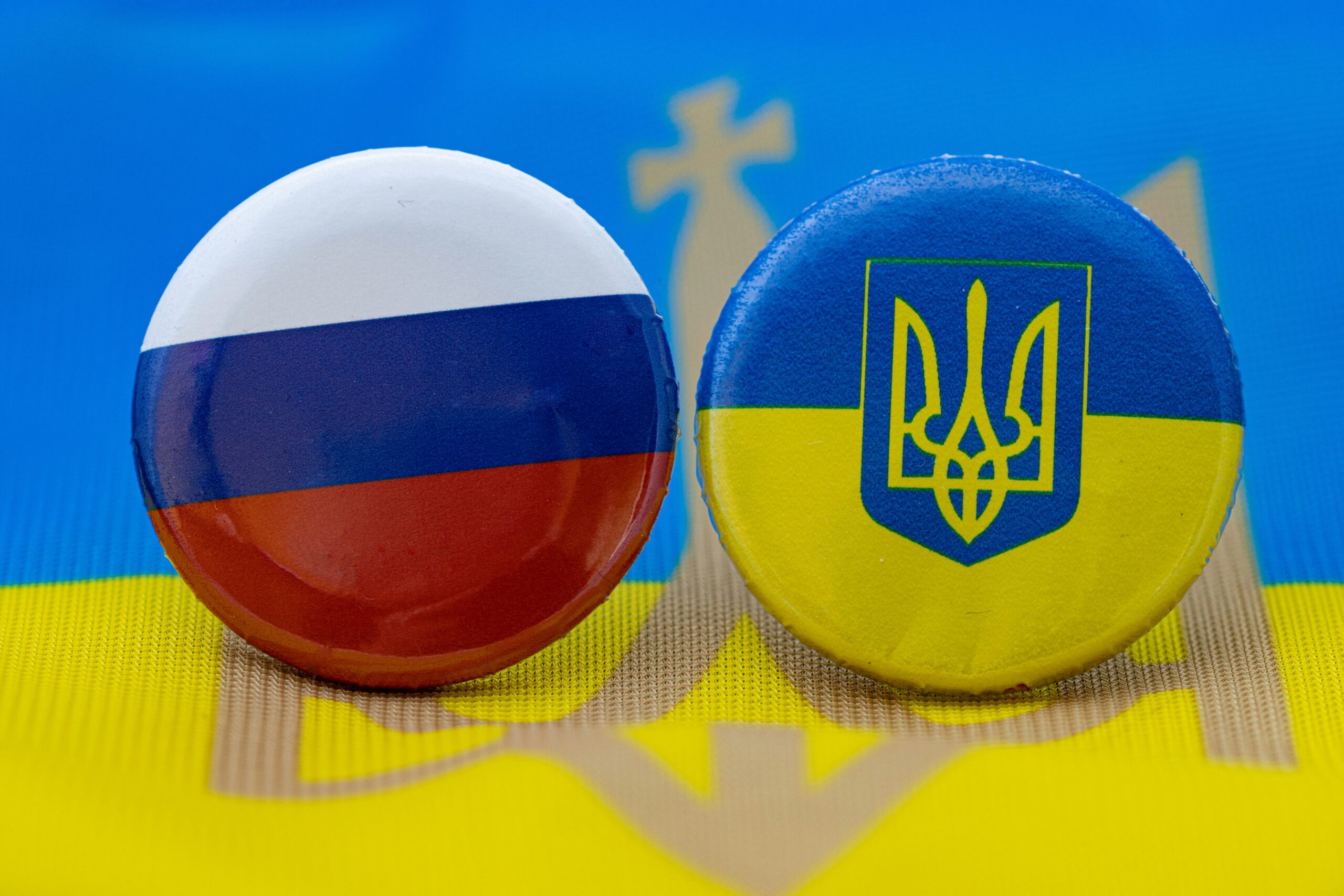
The relationship between the North Atlantic Treaty Organization (NATO) and Russia has undergone a profound and concerning transformation, deteriorating to a point of direct confrontation not seen since the Cold War. This intricate dynamic, characterized by escalating tensions, mutual distrust, and stark strategic divergence, is best understood by examining the core tenets of each entity, their historical interactions, and the recent events that have fundamentally reshaped their present and future trajectories. While once a framework for dialogue and cooperation, the relationship now stands as a critical flashpoint in global security.
The North Atlantic Treaty Organization (NATO) was established in 1949, emerging from the ashes of World War II as a politico-military alliance primarily designed to counter the perceived threat of Soviet expansionism. At its heart lies the principle of collective defense, enshrined in Article 5 of the North Atlantic Treaty. This cornerstone provision mandates that an attack against one member state shall be considered an attack against all. This commitment underpins the alliance’s deterrence strategy; potential adversaries are made aware that aggression against any single member will face the combined military might and political will of the entire alliance.
Historical Roots and Evolution of NATO
The Cold War Era: A Bipolar World
During the Cold War, NATO served as the primary bulwark against the Soviet Union and its Warsaw Pact allies. The ideological divide between Western democracies and communist states fueled a constant state of tension, characterized by an arms race, proxy conflicts, and the ever-present threat of nuclear war. NATO’s military posture, intelligence sharing, and diplomatic coordination were crucial in maintaining a delicate balance of power and preventing direct military clashes between the superpowers. The alliance expanded its membership over time, incorporating Western European nations seeking security guarantees against Soviet influence.
Post-Cold War Realignment: From Partnership to Peril
With the dissolution of the Soviet Union in 1991, NATO faced an existential question: what was its purpose in a world no longer defined by bipolar confrontation? The alliance initially sought to adapt, engaging in new missions such as peacekeeping, crisis management, and humanitarian assistance. It also extended a hand of partnership to former Warsaw Pact countries through initiatives like the Partnership for Peace program, fostering dialogue and cooperation. However, the nature of this engagement began to shift as Russia navigated its own tumultuous transition, grappling with internal challenges and a redefinition of its place on the global stage. The subsequent actions and perceived ambitions of Russia began to sow seeds of renewed concern within the alliance, laying the groundwork for the current era of strain.
In recent discussions surrounding NATO and Russia, an insightful article titled “Understanding NATO’s Strategic Posture Towards Russia” provides a comprehensive analysis of the evolving dynamics between these two entities. The article delves into NATO’s defensive strategies and Russia’s military maneuvers, highlighting the implications for global security. For more in-depth information, you can read the article here: Understanding NATO’s Strategic Posture Towards Russia.
Russia’s Evolving Strategic Outlook and Perceptions
Russia’s perspective on security and its relationship with the West has been shaped by a complex interplay of historical grievances, national identity, and pragmatic geopolitical considerations. Following the collapse of the Soviet Union, Russia experienced significant economic and political upheaval, which contributed to a sense of diminished stature and a perceived encroachment by Western influence.
Historical Legacies and National Aspirations
Russia views itself as a great power with a distinct sphere of influence, a perception rooted in centuries of imperial history and its role as a key player on the world stage. From Moscow’s viewpoint, the eastward expansion of NATO after the Cold War was not a defensive measure but an aggressive encroachment into territories historically considered within Russia’s security orbit. This perception has fueled a deep-seated suspicion of NATO’s intentions and a desire to reassert Russia’s influence in its perceived neighborhood.
The Shift Towards Assertiveness and Confrontation
In recent years, Russia’s foreign policy has become increasingly assertive, marked by a willingness to challenge the existing international order and to employ military force to achieve its objectives. This shift has been most starkly demonstrated by Russia’s actions in Georgia in 2008 and its annexation of Crimea in 2014. These assertive moves, coupled with a growing emphasis on Russian sovereignty and a rejection of perceived Western interference, signaled a clear departure from the more cooperative approaches of the post-Cold War era. The full-scale invasion of Ukraine in 2022 marked a dramatic escalation, solidifying Russia’s trajectory towards direct confrontation.
The Deterioration of NATO-Russia Relations: A Timeline of Escalation

The relationship between NATO and Russia has been in a downward spiral for years, with the events of 2022 serving as a brutal inflection point. This deterioration is not a sudden occurrence but a culmination of a series of actions, reactions, and deepening mistrust.
Early Seeds of Discord: Post-Cold War Tensions
While the initial years after the Cold War saw efforts at cooperation, underlying tensions persisted. Russia viewed NATO’s expansion into former Soviet bloc countries with increasing alarm. Actions such as the bombing of Yugoslavia in 1999, conducted by NATO forces without a UN Security Council mandate, were particularly criticized by Moscow as setting a dangerous precedent and demonstrating a disregard for international law and Russian interests.
The Ukraine Crisis and the Erosion of Trust
The 2014 annexation of Crimea and the subsequent conflict in eastern Ukraine represented a significant rupture in NATO-Russia relations. NATO condemned Russia’s actions as a blatant violation of international law and Ukrainian sovereignty, leading to sanctions and a halt in practical cooperation. Russia, in turn, accused NATO of fueling the conflict and interfering in Ukraine’s internal affairs. This period saw a marked increase in military exercises by both sides near shared borders, further heightening tensions.
The Full-Scale Invasion of Ukraine: The Breaking Point
Russia’s full-scale invasion of Ukraine in February 2022 was the catalyst that pushed NATO-Russia relations to their lowest ebb since the Cold War. NATO formally declared Russia the “most significant and direct threat” to the security of its member states and to peace and stability in the Euro-Atlantic area in its new Strategic Concept. This declaration reflects a fundamental reevaluation of Russia’s posture and intentions from the alliance’s perspective. The alliance has since suspended all practical civilian and military cooperation with Russia, ending hundreds of joint programs. This severance of ties, while preserving essential ambassadorial channels for communication, signifies a profound shift towards a posture of direct confrontation.
NATO’s Response: Enhanced Deterrence and Support for Ukraine

In the face of renewed Russian aggression, NATO has significantly recalibrated its defense posture, emphasizing deterrence and bolstering the security of its eastern flank. The alliance’s response is multi-faceted, encompassing military readiness, political solidarity, and robust support for Ukraine.
Strengthening the Eastern Flank: A New Defensive Posture
Recognizing Russia’s heightened threat, NATO has undertaken a substantial enhancement of its defense capabilities along its eastern borders. This includes the deployment of multinational battalions to frontline states such as Poland and the Baltic states, creating a credible deterrent presence. The “Eastern Sentry” initiative, incorporating assets from key member nations like France, Denmark, Germany, and the United Kingdom, further underscores this commitment. Moreover, NATO has increased the readiness levels of its rapid response force, ensuring a swift and effective response to any potential aggression.
Unwavering Support for Ukraine: A Strategic Imperative
NATO countries have collectively and individually provided Ukraine with an unprecedented level of support, including advanced weaponry, extensive training, and vital intelligence. This support is viewed not merely as humanitarian aid but as a strategic imperative to counter Russian aggression and uphold international law. The alliance is actively pursuing frameworks to utilize frozen Russian assets to finance Ukraine’s defense and reconstruction efforts, a move that signals a long-term commitment to Ukraine’s sovereignty and territorial integrity.
Strategic Accusations and Future Warnings
NATO has been vocal in its condemnation of Russia’s actions, citing violations of international law, the suspension of the New START treaty, and aggressive military posturing, including unauthorized reconnaissance flights and airspace violations. Furthermore, NATO leadership has issued stark warnings about the potential for Russia to launch an assault on a NATO member nation within the next five years. These warnings are underpinned by observations of intensifying secretive hybrid operations and sophisticated cyber-attacks orchestrated by Russia, suggesting a multi-dimensional approach to destabilization and aggression.
In recent discussions surrounding NATO’s strategic posture in Eastern Europe, the tensions with Russia have become increasingly prominent. An insightful article that delves into the complexities of this relationship can be found here, providing a comprehensive overview of NATO’s objectives and Russia’s responses. Understanding these dynamics is crucial for grasping the broader implications for international security and diplomacy. For more details, you can read the article at this link.
The Future of NATO-Russia Relations: A Period of Prolonged Tension
| Category | NATO | Russia |
|---|---|---|
| Formation | Founded in 1949 | Successor to the Soviet Union |
| Membership | 30 member countries | 1 member country |
| Military Strength | Strong military alliance | Powerful military force |
| Relations | Historically opposed to Russia | Complex relationship with NATO |
| Current Issues | Focus on collective defense | Concerns about NATO expansion |
The current trajectory of NATO-Russia relations indicates a sustained period of heightened tension and strategic competition. The deep mistrust, divergent strategic objectives, and aggressive actions by Russia have fundamentally altered the landscape of European security.
The Unpredictability of Russian Intentions
The continued unpredictability of Russian intentions poses a significant challenge. While the invasion of Ukraine has revealed a willingness to engage in large-scale conventional conflict, the potential for escalation through hybrid warfare, cyber-attacks, or even limited tactical nuclear use remains a grave concern. The suspension of key arms control treaties further complicates efforts to build predictability and reduce miscalculation.
The Enduring Strength of NATO Cohesion
Despite the challenges, NATO has demonstrated remarkable cohesion in its response to Russian aggression. The expansion of the alliance to include new members, such as Finland and Sweden, underscores the enduring appeal of collective security in the face of perceived threats. The alliance’s commitment to its core principles of deterrence, defense, and dialogue, even amidst confrontation, remains a critical factor in maintaining stability in the Euro-Atlantic area. However, the path forward will require sustained vigilance, strategic adaptation, and a clear-eyed understanding of the complex and evolving threat posed by Russia. The current era demands a robust and united NATO, prepared for a long-term security environment characterized by competition rather than cooperation with Moscow.

Why Russia Can Never Feel Safe
FAQs
What is NATO?
NATO, or the North Atlantic Treaty Organization, is an intergovernmental military alliance between 30 North American and European countries. It was established in 1949 and its primary purpose is to guarantee the freedom and security of its members through political and military means.
What is Russia’s relationship with NATO?
Russia is not a member of NATO, and its relationship with the alliance has been characterized by tension and conflict. Russia views NATO’s expansion into Eastern Europe as a threat to its security and has expressed opposition to the alliance’s military presence near its borders.
What are the key issues in the NATO-Russia relationship?
Key issues in the NATO-Russia relationship include NATO’s expansion into Eastern Europe, Russia’s annexation of Crimea, and the ongoing conflict in Ukraine. These issues have led to increased military tensions and a breakdown in diplomatic relations between NATO and Russia.
How does NATO view Russia’s actions?
NATO views Russia’s actions, such as its annexation of Crimea and its military intervention in Ukraine, as violations of international law and a threat to regional stability. NATO has responded by increasing its military presence in Eastern Europe and implementing sanctions against Russia.
What are the prospects for future cooperation between NATO and Russia?
The prospects for future cooperation between NATO and Russia are uncertain, as both sides continue to engage in military posturing and diplomatic standoffs. However, there have been occasional attempts at dialogue and cooperation on specific issues, such as arms control and regional security.