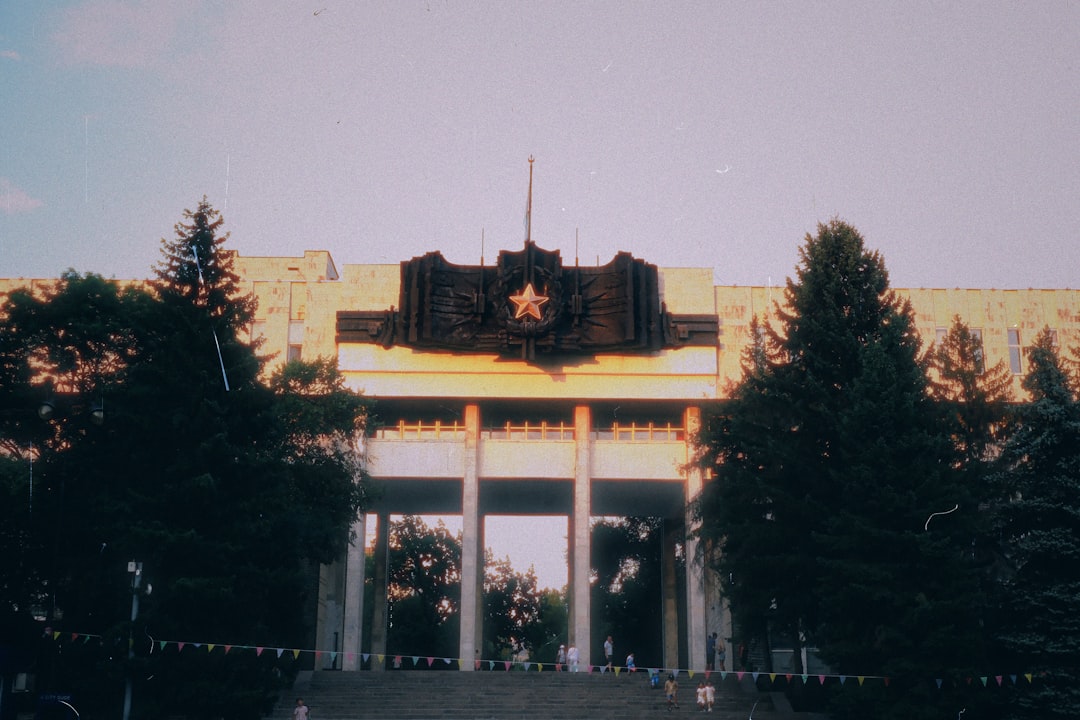
Exploring Eastern Europe’s Rich History
Eastern Europe, a vast and multifaceted region, beckons travelers and scholars alike with a tapestry woven from millennia of human endeavor. From the echoes of ancient civilizations to the poignant remnants of 20th-century upheavals, its historical landscape is as diverse as it is profound. Recent advancements in archaeological techniques and archival research are continuously unearthing new layers of understanding, challenging established narratives, and bringing to light once-hidden stories. This exploration delves into the enduring allure of Eastern Europe’s past, examining its pivotal moments, cultural legacies, and the ongoing process of historical reclamation.
The story of Eastern Europe is intrinsically linked to the rise and fall of empires, and the legacy of Rome, though often associated with the Mediterranean, extended its influence into various parts of the region. While direct Roman rule might not have encompassed every corner, its cultural, administrative, and architectural imprint is undeniable, alongside the vibrant societies that predated and coexisted with it. This period lays the groundwork for understanding the subsequent development of the region.
The Digital Reconstruction of Lost Knowledge
Modern technology is proving to be a revolutionary tool in deciphering the past. The recent breakthrough in digitally “unrolling” a charred ancient scroll from Herculaneum, destroyed by Mount Vesuvius in AD 79, demonstrates the transformative power of AI and 3D X-rays. Though Herculaneum is not geographically in Eastern Europe, the methodology applied has enormous implications for future discoveries wherever fragile ancient manuscripts might be found. Imagine the potential for deciphering other damaged texts from ancient Eastern European sites, offering unprecedented insights into Roman life, philosophy, and administrative practices that may have seeped into or influenced local cultures through trade and contact. This opens a new frontier for understanding not just the grand narratives of empire, but the intimate details of daily existence, economic exchanges, and intellectual currents that flowed across the Roman world and its peripheries.
Echoes of Roman Indulgence and Social Structure
The unearthing of a large private bath complex and adjoining banquet hall in a wealthy district of Pompeii, though again a site outside Eastern Europe itself, provides a tangible glimpse into the social rituals and ostentatious displays of Roman elites. These discoveries offer valuable comparative frameworks for understanding social hierarchies and the use of public and private spaces in regions that interacted with Roman culture. By studying how Roman elites sought to impress guests with lavish facilities, researchers can better interpret the findings at Eastern European sites that show evidence of contact with the Roman world, such as Roman villas or settlements that adopted Roman architectural styles or luxury goods. This could shed light on the level of Romanization or the nature of influence exerted in these areas, revealing how local elites might have emulated or adapted Roman customs to assert their own status and power.
Beyond the Battlefield: The Matrilocality of Iron Age Societies
The analysis of ancient DNA from an Iron Age cemetery in Britain, indicating a matrilocality where men joined their wives’ familial networks, is a groundbreaking revision of social histories. While Britain is not East Europe, this finding has significant ramifications for how historians and archaeologists approach early social structures across Europe, including Eastern Europe. The traditional focus on patriarchal societies might have overlooked or misinterpreted evidence from pre-Roman and early historical periods in the East. This new understanding of kinship and gender roles encourages a re-examination of burial practices, settlement patterns, and artifact distribution in Eastern European Iron Age and early medieval cemeteries. Did similar matrilocal or avunculocal systems exist? Such research prompts a deeper, more nuanced exploration of family structures, community organization, and the roles of women in shaping early Eastern European societies, moving beyond simplistic interpretations.
For those interested in the intricate history of Eastern Europe, a fascinating article that delves into the region’s complex past is available at this link: Eastern Europe: A Historical Overview. This article explores the various cultural, political, and social dynamics that have shaped Eastern European nations over the centuries, providing valuable insights into their development and the challenges they have faced.
The Crucible of Empires and Ideologies: Navigating 20th Century Turmoil
The 20th century was a period of immense upheaval for Eastern Europe, marked by two World Wars, the rise and fall of communist regimes, and the eventual collapse of the Soviet Union. Understanding this era is crucial for comprehending the region’s present-day political, social, and economic landscape. Recent scholarship continues to shed light on the complexities and often contested narratives of this tumultuous period.
The Shifting Sands of Faith and Politics: The Vatican’s Archives
The Vatican’s decision to unseal archives pertaining to Pope Pius XII’s pontificate, five years ago, has opened a new chapter in understanding the Holy See’s complex role during a turbulent era. Historians are now uncovering new depths regarding the Vatican’s navigation of communism and its efforts to support persecuted Catholics in Eastern Europe. This research is particularly relevant for Eastern Europe, where Catholicism, alongside Orthodoxy, played a significant role in national identity and resistance against communist rule. The archives potentially reveal detailed accounts of clandestine aid, diplomatic maneuvering, and spiritual guidance provided to communities facing severe repression. This allows for a more comprehensive analysis of the Church’s influence, its ethical dilemmas in dealing with authoritarian regimes, and its contribution to the survival of faith and cultural identity under oppressive systems.
Eastern Europe has a rich and complex history that has shaped the cultural and political landscape of the region. For those interested in exploring this further, an insightful article can be found at My Geo Quest, which delves into the historical events that have influenced Eastern European nations. This resource provides a comprehensive overview of the significant milestones that have defined the area, making it a valuable read for anyone looking to deepen their understanding of Eastern Europe’s past.
Challenging Wartime Narratives: The Dalwitz Battalion and Collaboration
New research concerning the Dalwitz Battalion, a Belarusian wartime collaboration unit, highlights the critical gap between myth and reality. This investigation reveals the unit’s actual role as part of a failed German attempt to deploy local saboteurs, rather than a fully formed partisan movement or a significant fighting force. Such meticulous scrutiny of specific wartime units and their historical accounts is vital for Eastern Europe’s understanding of its own past. In many countries, figures and events from the wartime period have been subject to propaganda and nationalistic mythologizing. By deconstructing these narratives, researchers can offer a more accurate and less romanticized view of collaboration, resistance, and the complex moral choices individuals faced during extreme conflict. This contributes to a more mature and honest historical dialogue within Belarus and the broader Eastern European context.
Ukrainian Historical Reclamation: Reclaiming Forbidden Voices
As Ukraine actively explores its own history, scholars are making significant strides in uncovering previously forbidden topics and figures, thereby reshaping the national narrative of the post-Soviet transition. This process of historical reclamation is a powerful force throughout Eastern Europe, where many nations are keen to assert their distinct cultural and historical identities after decades of Soviet influence. For Ukraine, this involves delving into aspects of its national struggle for independence, the complexities of its relationship with neighboring powers, and the experiences of its people during periods of intense political and social change. The ability to research and discuss topics that were once suppressed allows for a more complete and accurate understanding of national traumas, triumphs, and the forces that have shaped modern Ukrainian identity, especially in the current geopolitical climate.
The Enduring Shadow of the Soviet Legacy
The discourse surrounding the 1989 post-communist transition continues to mark it as an ongoing process, with many Eastern European nations still grappling with democratic backsliding and economic obstacles. This is a crucial ongoing narrative for understanding the region’s contemporary challenges. The collapse of communism was not a simple endpoint but the beginning of a new, often arduous, journey. Research and analysis now focus on the lingering effects of Soviet-era policies, the difficulties of building stable democratic institutions, and the persistent economic disparities that often fuel social unrest and political instability. Understanding this legacy requires acknowledging the varied experiences of different countries and the specific challenges they faced in disentangling themselves from a centralized, ideologically driven system, while navigating the complexities of integration into global markets and democratic alliances.
Foundations of Nationhood: Cultural Heritage and Identity
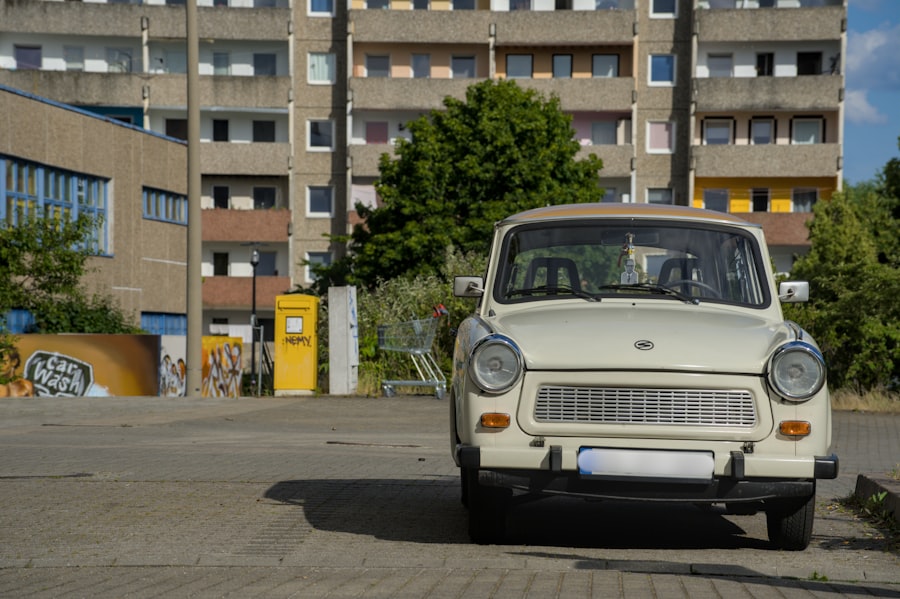
Eastern Europe is home to a rich mosaic of cultures, each with its own unique traditions, languages, and historical narratives. The preservation and understanding of cultural heritage sites are central to the formation and reinforcement of national identities in the region, particularly in the wake of seismic political shifts.
The Interplay of Memory, Market, and Power
Recent analysis in Poland highlights the complex intersection of memory, market logic, and political power in the utilization and presentation of cultural heritage sites. This dynamic is not unique to Poland and is a recurring theme across Eastern Europe. As countries transition to market economies and grapple with their historical legacies, heritage sites often become subjects of economic development, tourism, and political commemoration. Decisions about conservation, interpretation, and accessibility are frequently influenced by nationalistic agendas, commercial interests, and the desire to shape public memory in particular ways. Understanding this interplay is vital for appreciating how history is not just preserved but actively constructed and presented to both domestic and international audiences. This can lead to debates about authenticity, national narratives, and the commodification of history.
A Symbol of Enduring Faith: The Virgin Mary Statue
The commencement of construction on one of the world’s tallest statues of the Virgin Mary in Poland, measuring 55.6 meters high, is a powerful reflection of the region’s enduring religious legacy. Religion, particularly Christianity in its various denominations (Catholicism, Orthodoxy, Protestantism), has been a foundational element of cultural and national identity in many Eastern European countries for centuries. During periods of occupation or ideological suppression, religious institutions often served as crucial bastions of cultural survival and resistance. The construction of such a monumental religious monument signifies the continued importance of faith in the public sphere and its symbolic resonance for a nation’s identity. It also speaks to the deep-seated traditions and popular devotion that continue to shape the social and cultural fabric of the region, even in a rapidly modernizing world.
The Echoes of Transformation: Commemorating Pivotal Moments
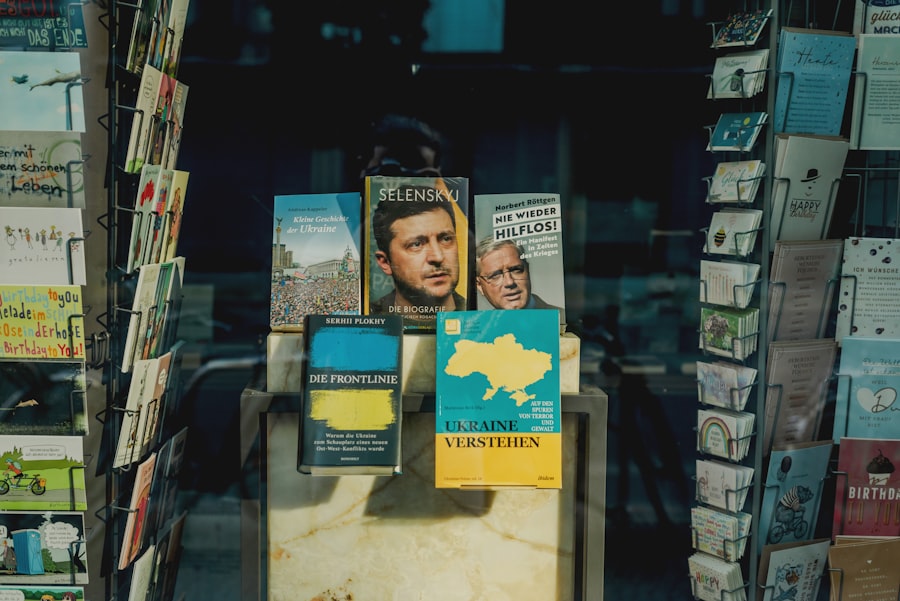
The late 20th century witnessed a series of transformative events that reshaped the political map and ideological landscape of Eastern Europe. Recent commemorations of these moments serve not only as acts of remembrance but as opportunities for ongoing reflection and analysis.
The Fall of the Iron Curtain: A Generational Reckoning
The recent commemorations of the fall of the Berlin Wall and the Velvet Revolution have ignited renewed reflection on Eastern Europe’s profound transformation over the last three decades. These events, which signaled the end of Soviet dominance and the rise of self-determination for numerous nations, represent watershed moments in modern European history. Examining these anniversaries allows for a critical assessment of the successes and failures of the transition from communism to democracy and market economies. It provides a platform to discuss the ongoing challenges, such as economic inequality, democratic consolidation, and external geopolitical pressures, and to consider the long-term impact of these historical shifts on the collective memory and identity of Eastern European societies.
The journey through Eastern Europe’s rich history is an ongoing revelation. With each new digital unearthing, archaeological find, and archival discovery, our understanding of this complex and captivating region deepens. The challenges of historical reclamation and the ongoing reflections on past transformations ensure that Eastern Europe’s story remains a vibrant and relevant subject of exploration for generations to come. The region’s resilience, its enduring cultural legacies, and its continuous redefinition of self offer a compelling narrative that resonates far beyond its geographical borders.

Why Russia Can Never Feel Safe
FAQs
What countries are considered part of Eastern Europe?
Eastern Europe typically includes countries such as Poland, Czech Republic, Slovakia, Hungary, Romania, Bulgaria, Ukraine, Belarus, Moldova, and the Baltic states of Lithuania, Latvia, and Estonia.
What are some key historical events in Eastern Europe?
Some key historical events in Eastern Europe include the fall of the Byzantine Empire, the Mongol invasions, the rise of the Polish-Lithuanian Commonwealth, the Ottoman Empire’s expansion into the Balkans, the partitions of Poland, and the Soviet Union’s influence during the Cold War.
How has Eastern Europe been influenced by different empires and powers?
Eastern Europe has been influenced by various empires and powers throughout history, including the Byzantine Empire, the Ottoman Empire, the Habsburg Monarchy, the Russian Empire, and the Soviet Union. These influences have shaped the region’s culture, politics, and identity.
What role did Eastern Europe play in World War II?
Eastern Europe was a major battleground during World War II, with countries such as Poland, Ukraine, and Belarus experiencing significant devastation and loss of life. The region also saw the establishment of Soviet control over much of Eastern Europe following the war.
How has Eastern Europe changed since the fall of the Soviet Union?
Since the fall of the Soviet Union, Eastern Europe has undergone significant political and economic changes. Many countries in the region have transitioned to democratic systems and market economies, while also seeking closer ties with Western Europe and the European Union.