Phoenix, a sprawling metropolis carved from the desert, owes its very existence to the lifeblood of the Colorado River, channeled to the Valley of the Sun through a sophisticated network of canals and reservoirs. At the heart of this intricate system lies Lake Mead, a colossal artificial lake that has long served as the primary water source for millions in Arizona, Nevada, and California. However, this vital artery is now showing alarming signs of strain, with prolonged drought and increased demand pushing its water levels to historic lows. The implications for Phoenix’s water supply are dire and far-reaching, threatening not only the city’s continued growth and prosperity but also its fundamental ability to sustain its population.
For décadas, Lake Mead has been a shimmering expanse of blue, a testament to human engineering and a symbol of abundance in an arid land. Formed by the Hoover Dam, it was designed to be a robust water storage system, capable of weathering regional dry spells. But the current drought, now entering its third decade, has proven to be unlike any before. The snowpack in the Rocky Mountains, the primary source of the Colorado River’s flow, has steadily diminished, meaning less water is making its way into the reservoir. This reduction in inflow, coupled with consistent high demand for water from agriculture, municipalities, and industries, has created a dangerous imbalance.
A Historical Perspective on Lake Mead’s Levels
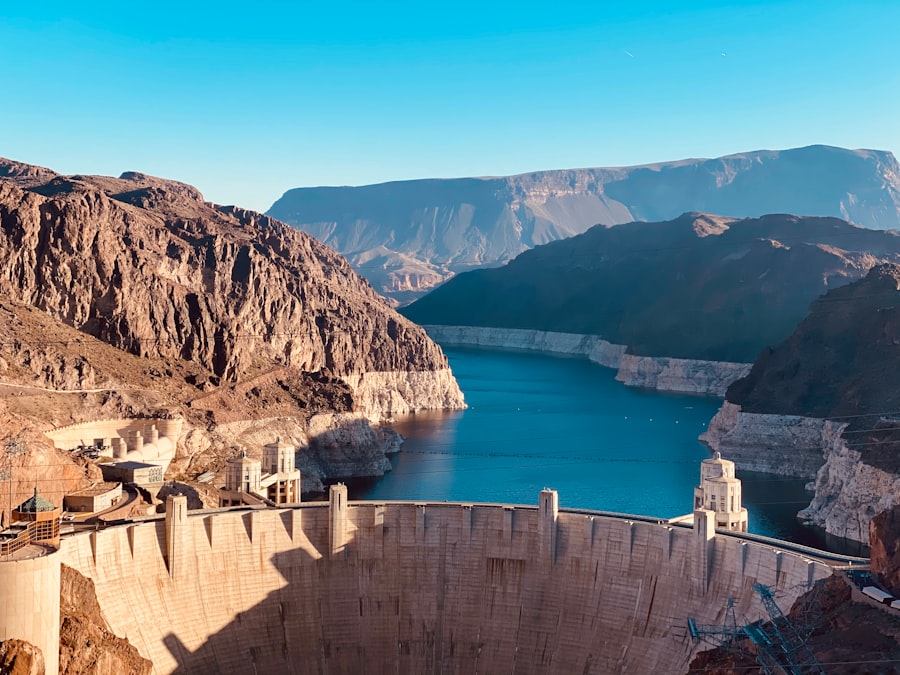
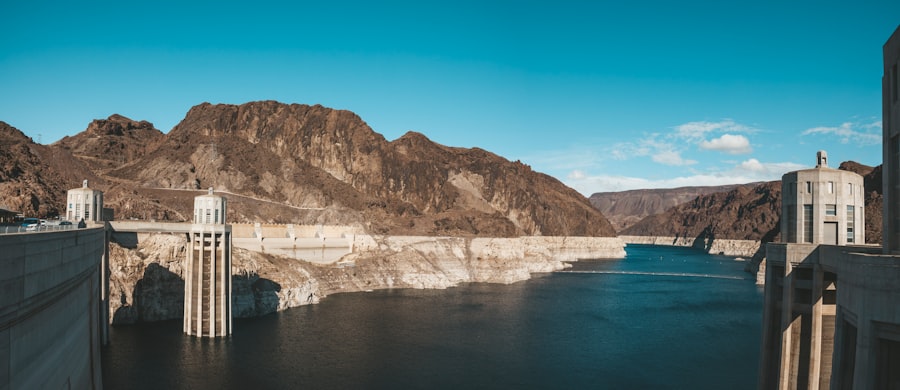
To understand the magnitude of the current crisis, it is crucial to examine the historical trends of Lake Mead’s water levels. For much of the early 21st century, the lake hovered at respectable elevations, often exceeding 1,100 feet. This provided a comfortable buffer, allowing water managers to meet the needs of the Colorado River Basin states. However, the gradual decline began in earnest around 2000, accelerating in subsequent years. The sight of the “bathtub rings” – the stark, white lines on the canyon walls marking past high-water levels – has become an increasingly prominent and unsettling feature of the landscape. These rings serve as tangible markers of a disappearing resource, a visual representation of the deepening crisis. The consistent year-over-year drops have transformed from alarming statistics into a stark visual reality, impacting everything from the iconic structures visible around the lake’s perimeter to the operations of the Hoover Dam itself. The sheer scale of the visual change is profound, a constant reminder of the ongoing environmental challenge.
The Science Behind the Scarcity: Climate Change and its Impact
The scientific consensus is clear: climate change is a significant driver of the current drought and the declining water levels in Lake Mead. Rising global temperatures lead to increased evaporation from the lake’s surface, further exacerbating the water deficit. Additionally, warmer temperatures reduce the efficiency of snowpack melt. Instead of a slow, sustained release of water into the river system, warmer weather can cause rapid melting that may not be fully captured by the reservoir or could lead to increased transpiration by vegetation, diverting water before it reaches the river. This complex interplay of climatic factors creates a feedback loop, where a warmer climate leads to less water, which can then lead to further warming and even more water scarcity. Understanding these scientific underpinnings is critical for developing effective long-term strategies.
The Role of Water Management and Allocation
The Colorado River is governed by a complex system of interstate compacts and agreements, known as the Law of the River. These agreements allocate water rights to the seven basin states, with Arizona, California, and Nevada being the primary downstream users who rely heavily on Lake Mead. The allocations were made during a period of historically wet years, and many experts argue that they are no longer sustainable given the current climatic reality and the diminished inflow into the river system. The ongoing negotiations and debates amongst these states, as well as with Mexico, highlight the inherent challenges in recalibrating these long-standing agreements to reflect the new hydrological conditions.
The ongoing water crisis at Lake Mead has significant implications for Phoenix, a city heavily reliant on the Colorado River for its water supply. As water levels continue to decline, residents and policymakers are increasingly concerned about the potential for water shortages and the need for sustainable management practices. For a deeper understanding of how these changes impact Phoenix and the surrounding areas, you can read more in this related article: My Geo Quest.
The Ripple Effect on Phoenix’s Water Supply
Phoenix, like much of the American Southwest, is a city that has thrived by defying its arid environment. Its growth has been fueled by the consistent availability of water, enabling a booming population and a vibrant economy. The declining levels of Lake Mead directly threaten this foundation, creating a cascade of challenges for the city’s water infrastructure and its residents.
Quantifying the Risk: Reduced Allocations and Strict Curtailments
As Lake Mead’s water levels fall below specific thresholds, mandatory water reductions, known as curtailments, are triggered for the states that draw water from it. Arizona, being the most dependent on the Colorado River and having the junior water rights among the lower basin states, is typically the first and most significantly impacted. This means that the amount of water Phoenix can legally draw from the river system is progressively reduced. These curtailments are not abstract figures; they translate to tangible limitations on water usage throughout the metropolitan area, impacting everything from agricultural irrigation to landscape watering. The predictability of these cuts is crucial for long-term planning, but the fluctuating nature of the crisis can make securing future water supplies a significant challenge.
The Impact on Agricultural Sector and its Economic Chains
The agricultural sector, a significant economic engine in Arizona, is a major consumer of Colorado River water. Reduced allocations from Lake Mead directly impact irrigation practices, forcing farmers to make difficult decisions about what crops to plant, how much to cultivate, and in some cases, whether to continue farming at all. This has a ripple effect on the broader economy, impacting jobs, food production, and the prices of agricultural commodities. The intricate web of businesses that support agriculture, from equipment suppliers to transportation companies, also feels the pinch of these reductions. This economic vulnerability underscores the interconnectedness of water resources and the broader economy.
Municipal Water Systems: Strain and Adaptation
Phoenix’s municipal water system, managed by the City of Phoenix Water Services Department, is designed to draw water from the Salt and Verde rivers, which are themselves connected to the Colorado River via canals and dams. While the city has diversified its water portfolio to include groundwater and reclaimed water, a substantial portion of its supply still originates from the Colorado River system. As allocations are reduced, the strain on these systems increases. Water managers are forced to implement more aggressive conservation measures, explore alternative water sources, and invest in infrastructure upgrades to maximize efficiency and minimize waste. This requires significant financial investment and a concerted effort from all stakeholders.
The Future of Growth: Water as a Limiting Factor
Phoenix’s remarkable growth over the past century has been inextricably linked to its abundant water supply. However, with Lake Mead’s diminishing capacity, water is increasingly becoming a limiting factor for future development. The city’s ability to attract new businesses and residents, and to continue expanding its infrastructure, may be constrained by the availability of this precious resource. This poses a fundamental question for the future of the Valley of the Sun: can it continue its trajectory of growth without a secure and sustainable water future? The answer hinges on a proactive and innovative approach to water management.
Exploring Solutions: Diversification and Conservation
The challenges posed by Lake Mead’s declining levels are undeniable, but they are not insurmountable. A multifaceted approach involving diversification of water sources, aggressive conservation efforts, and technological innovation is crucial for securing Phoenix’s water future.
Investing in Alternative Water Sources: Groundwater and Reclaimed Water
Phoenix has been proactive in diversifying its water portfolio. The city has invested heavily in tapping into its groundwater resources, although sustainable management of these aquifers is also critical to avoid depletion. Furthermore, the city has significantly expanded its use of reclaimed water, also known as recycled water. This treated wastewater is suitable for a variety of non-potable uses, including landscape irrigation, industrial processes, and even some agricultural applications. This not only reduces the demand on potable water supplies but also lessens the strain on Lake Mead. Continued investment in advanced treatment technologies will likely expand the potential uses of reclaimed water in the future.
The Power of Conservation: Individual and Systemic Efforts
Conservation is perhaps the most immediate and cost-effective tool in addressing water scarcity. Phoenix has implemented comprehensive water conservation programs, targeting both residential and commercial users. These programs include tiered water pricing structures that incentivize lower usage, educational campaigns to promote water-wise practices, and rebates for water-efficient appliances and landscaping. However, systemic conservation efforts are equally vital. This includes minimizing leaks within the municipal water distribution system, improving irrigation efficiency in agricultural and landscape settings, and exploring innovative technologies that reduce water usage in industrial processes. The collective impact of individual actions, amplified by systemic improvements, can make a significant difference.
Technological Advancements: Desalination and Water Reuse Innovations
Looking beyond current strategies, emerging technologies offer promising pathways for future water security. Desalination, the process of removing salt from seawater, holds potential for coastal regions, and advancements in this field are making it more feasible and cost-effective. While not a direct solution for landlocked Phoenix, it represents a potential augmentation for the broader Arizona water supply in the long term. More immediately relevant are innovations in water reuse, including advanced treatment technologies that can purify wastewater to a level suitable for potable use. Exploring these cutting-edge solutions, even if they require significant upfront investment, is essential for long-term resilience.
The Human Element: Community Resilience and Adaptation
The water crisis is not just an environmental or technical challenge; it is also a deeply human one. The ability of Phoenix’s communities to adapt and persevere in the face of increasing water constraints will be a testament to their resilience.
Public Awareness and Education: Fostering a Water-Conscious Culture
Effective communication and public education are paramount in fostering a water-conscious culture. Understanding the severity of the situation, the reasons behind water restrictions, and the role each individual plays in conservation is crucial for widespread buy-in and behavioral change. Water utilities and local governments play a vital role in disseminating accurate information, explaining complex water management issues in an accessible manner, and highlighting the collective benefits of water conservation. Empowering residents with knowledge allows them to become active participants in the solution, rather than passive recipients of restrictions.
The Role of Policy and Governance: Navigating Complex Decisions
Navigating the complexities of water management requires effective policy and governance at local, state, and federal levels. This includes developing and implementing robust water management plans that account for drought conditions, investing in water infrastructure, and fostering collaboration among different stakeholders. The ongoing discussions and negotiations surrounding the Colorado River are a prime example of the intricate policy landscape that must be managed. Transparent and inclusive decision-making processes are essential to build trust and ensure that solutions are equitable and sustainable.
Intergenerational Equity: Ensuring Water for Future Generations
The decisions made today regarding water management will have profound consequences for future generations. Ensuring intergenerational equity means making choices that prioritize long-term sustainability over short-term convenience. This involves investing in water infrastructure that will last for decades, adopting water conservation practices that become ingrained habits, and fostering a deep understanding of the value of water among young people. The ultimate goal is to leave behind a legacy of responsible water stewardship, ensuring that Phoenix can continue to thrive for centuries to come.
Lake Mead plays a crucial role in supplying water to Phoenix, impacting the city’s growth and sustainability. As water levels continue to decline due to prolonged drought and increased demand, the implications for Phoenix’s water supply become increasingly concerning. For a deeper understanding of this issue, you can read more about the challenges and potential solutions in the related article found here. This situation highlights the need for effective water management strategies to ensure that Phoenix can thrive despite the challenges posed by its reliance on Lake Mead.
The Long Shadow of Lake Mead: A Call to Action
| Metrics | Data |
|---|---|
| Water Level in Lake Mead | Current: 1081.56 feet (as of September 2021) |
| Impact on Phoenix Water Supply | Lake Mead provides about 40% of Phoenix’s water supply |
| Drought Conditions | Arizona is experiencing severe drought, impacting water availability from Lake Mead |
| Water Conservation Efforts | Phoenix has implemented water conservation measures to address the impact of low water levels in Lake Mead |
The situation with Lake Mead is a stark reminder of the interconnectedness of our environment and our societies. For Phoenix, the implications are profound and demand urgent attention. The city’s ability to adapt to this new reality will determine its future prosperity and livability.
The Urgency of the Moment: Avoiding Crisis Scenarios
The current trajectory of Lake Mead’s decline presents a clear and present danger. Ignoring the warning signs or delaying decisive action could lead to severe water shortages, economic disruption, and significant hardship for the residents of Phoenix. Proactive measures, comprehensive planning, and a commitment to sustainable water management are not optional; they are essential for avoiding crisis scenarios. The time for incremental adjustments has passed; a transformative approach is required.
A Collaborative Pathway Forward: Shared Responsibility and Innovation
Addressing the challenges posed by Lake Mead is a task that requires collaboration and shared responsibility. Water users, policymakers, scientists, and the public must work together to find innovative solutions. This includes fostering inter-state cooperation, exploring new technologies, and embedding a culture of water conservation into the fabric of daily life. Only through a unified and determined effort can Phoenix secure its water future and ensure its continued place as a vibrant and thriving desert metropolis. The future of Phoenix, in many ways, is intrinsically linked to the health and sustainability of Lake Mead.

Why Phoenix Shouldn’t Exist
FAQs
1. How does Lake Mead affect Phoenix?
Lake Mead provides water to the Phoenix metropolitan area through the Central Arizona Project (CAP) canal system. The water from Lake Mead is crucial for sustaining the city’s population and supporting its agricultural and industrial sectors.
2. What is the current impact of Lake Mead’s water levels on Phoenix?
The declining water levels in Lake Mead due to drought and overuse have led to concerns about potential water shortages in Phoenix. The city has been implementing water conservation measures and exploring alternative water sources to mitigate the impact of the shrinking lake.
3. How does the water level in Lake Mead affect Phoenix’s water supply?
As the water level in Lake Mead decreases, it reduces the amount of water available for allocation to Phoenix and other cities in the region. This can lead to water shortages and increased competition for limited water resources.
4. What measures is Phoenix taking to address the impact of Lake Mead’s water levels?
Phoenix has been investing in water conservation and efficiency measures, such as promoting xeriscaping and implementing water-saving technologies. The city is also exploring options for diversifying its water sources, including groundwater replenishment and water recycling.
5. What are the potential long-term implications of Lake Mead’s water levels on Phoenix?
If the water levels in Lake Mead continue to decline, it could have significant long-term implications for Phoenix, including potential water shortages, increased water costs, and impacts on the city’s economy and quality of life. It underscores the importance of sustainable water management and planning for the future.