Understanding Water Infrastructure: A Comprehensive Explanation
Water is an indispensable resource, fundamental to life, industry, agriculture, and the overall functioning of society. Yet, the intricate and often invisible network that delivers this precious resource to our taps and removes wastewater from our homes and businesses is frequently overlooked. This complex system, known as water infrastructure, is a vital component of modern civilization, demanding constant attention, investment, and a deep understanding of its multifaceted nature. This comprehensive explanation aims to demystify water infrastructure, exploring its various components, challenges, and future trajectories.
The journey of water from its source to the consumer is a meticulously engineered process, involving a series of interconnected components designed to ensure a safe and reliable supply. This part of water infrastructure primarily focuses on bringing clean water to communities.
1. Source Water Acquisition
The first stage of water infrastructure begins with securing a reliable source of water. This can involve a variety of methods, each with its own set of considerations and challenges.
1.1 Surface Water Sources
Surface water, found in rivers, lakes, and reservoirs, is a primary source for many communities. Its accessibility often makes it an attractive option, but it also presents significant challenges related to quality.
Natural Characteristics and Contamination Risks
Surface water bodies are naturally exposed to the environment, making them susceptible to contamination from agricultural runoff (pesticides, fertilizers), industrial discharge (chemicals, heavy metals), urban stormwater (pollutants, debris), and wastewater effluent from upstream communities. Natural factors like algal blooms and sediment load also influence water quality.
Management and Protection Strategies
Protecting surface water sources involves watershed management, which aims to control land use and activities within the watershed to minimize pollution. This can include establishing buffer zones along waterways, regulating agricultural practices, and enforcing stringent industrial discharge permits. Monitoring water quality regularly is crucial to identify and address emerging contaminants.
1.2 Groundwater Sources
Groundwater, stored in underground aquifers, offers a more protected source of water compared to surface water, as it undergoes natural filtration as it percolates through soil and rock.
Aquifer Recharge and Withdrawal
Aquifers are replenished through natural recharge processes, primarily from rainfall and surface water infiltration. Sustainable extraction of groundwater requires careful management to prevent over-pumping, which can lead to aquifer depletion, land subsidence, and saltwater intrusion in coastal areas.
Vulnerability to Contamination
While generally cleaner, groundwater is not immune to contamination. Leaking underground storage tanks, agricultural activities, septic systems, and industrial spills can all introduce pollutants that can persist in aquifers for long periods. Understanding the hydrogeology of an area is vital for assessing contamination risks and implementing protective measures.
1.3 Desalination and Advanced Treatment Technologies
In regions facing water scarcity, desalination plants that remove salt from seawater or brackish water have become increasingly important. Advanced treatment technologies are also being developed to treat unconventional water sources.
Principles of Desalination
The primary methods of desalination include thermal processes (like distillation) and membrane processes (like reverse osmosis). Reverse osmosis, where water is forced through a semipermeable membrane under high pressure, is currently the most widely used and energy-efficient method.
Energy Consumption and Environmental Impact
A significant challenge with desalination is its high energy consumption, which contributes to operational costs and greenhouse gas emissions. The brine, a highly concentrated saltwater byproduct, also needs to be managed responsibly to avoid harming marine ecosystems. Research is ongoing to improve energy efficiency and develop sustainable brine disposal methods.
2. Water Treatment Facilities
Once sourced, raw water undergoes a rigorous treatment process to remove impurities and make it safe for consumption. This is a critical step in ensuring public health.
2.1 Coagulation and Flocculation
These initial stages involve adding chemicals to destabilize suspended particles in the water, causing them to clump together.
Chemical Agents and Mechanisms
Coagulants such as aluminum sulfate (alum) or ferric chloride are added, neutralizing the negative charges on suspended particles. Flocculants, often long-chain polymers, then bind these destabilized particles, forming larger, heavier flocs that settle more easily.
Importance for Sediment Removal
This process is crucial for removing turbidity, which is the cloudiness of water caused by suspended solids. High turbidity can interfere with subsequent disinfection processes and make water aesthetically unappealing.
2.2 Sedimentation and Clarification
After flocculation, the water is allowed to sit in large tanks, where the heavier flocs settle to the bottom.
Gravity’s Role in Separation
Gravity plays the primary role in sedimentation. The settled solids, known as sludge, are then removed for further treatment or disposal.
Clearer Water for Disinfection
This step significantly reduces the number of suspended solids, producing clearer water that is more receptive to effective disinfection.
2.3 Filtration
Filtration removes any remaining suspended particles that did not settle out during sedimentation.
Types of Filters
Common filtration methods include slow sand filters, rapid sand filters (often using layers of sand, gravel, and anthracite), and membrane filters. Each type offers different levels of particle removal efficiency.
Removal of Microorganisms and Fine Particles
Filtration effectively removes many bacteria, protozoa, and other microscopic organisms, as well as remaining fine particulate matter and turbidity.
2.4 Disinfection
The final and perhaps most critical step is disinfection, which kills any remaining harmful microorganisms.
Chlorine and Chloramines
Chlorine is a widely used disinfectant due to its effectiveness and residual disinfecting properties, meaning it continues to kill pathogens in the distribution system. Chloramines, formed by combining chlorine with ammonia, are sometimes used to reduce disinfection byproducts and provide longer-lasting disinfection.
Ultraviolet (UV) Irradiation and Ozone
UV disinfection uses ultraviolet light to inactivate pathogens by damaging their DNA. Ozone is a powerful oxidant that effectively inactivates a broad spectrum of microorganisms but does not provide residual disinfection. These methods are often used in combination with chlorine or in specific applications.
3. Water Distribution Networks
Once treated, potable water is transported to consumers through an extensive network of pipes.
3.1 Pumping Stations and Storage Tanks
Pumping stations move water through the system, and elevated storage tanks or reservoirs maintain adequate pressure and supply during periods of high demand.
Maintaining Pressure and Flow
Pumps are essential for overcoming gravity and moving water to higher elevations and throughout the distribution network. Their capacity and efficiency are critical for ensuring consistent water delivery.
Equalizing Demand and Supply
Storage tanks act as buffers, storing water when demand is low and releasing it when demand surges, such as during morning and evening peak hours. They also help to maintain system pressure.
3.2 Pipelines and Valves
Underground pipelines, made of various materials like ductile iron, PVC, or concrete, carry water to homes, businesses, and industrial facilities. Valves are strategically placed to control flow, isolate sections for maintenance, and direct water to different areas.
Material Selection and Longevity
The choice of pipe material is influenced by factors such as cost, durability, resistance to corrosion, and water quality considerations. Aging infrastructure, particularly older pipes made of materials prone to deterioration or leakage, presents significant challenges.
Network Management and Leak Detection
Effective management of the distribution network involves regular monitoring for leaks, which can result in substantial water loss and potential contamination. Advanced technologies like acoustic sensors and smart meters are increasingly employed for leak detection and system optimization.
For a deeper understanding of water infrastructure and its critical role in urban development, you can explore the article on MyGeoQuest that delves into the complexities of managing water resources effectively. This resource provides insights into the challenges and innovations in the field, making it a valuable read for anyone interested in sustainable water management. Check it out here: MyGeoQuest.
The Essential Counterpart: Wastewater Infrastructure
The responsible management of wastewater is as critical as delivering clean water. This involves collecting, treating, and safely discharging or reusing wastewater, preventing the spread of disease and protecting environmental quality.
1. Wastewater Collection Systems
The initial phase of wastewater management involves collecting used water from residential, commercial, and industrial sources.
1.1 Sewer Lines and Interceptors
A vast network of underground sewer pipes transports wastewater from its point of origin to treatment facilities. Larger interceptor sewers carry wastewater from multiple smaller lines to these plants.
Gravity Flow and Pumping
Similar to water distribution, gravity is the primary force driving wastewater flow in sewer lines. However, pumping stations (lift stations) are often necessary to move wastewater uphill or across challenging terrain.
Inflow and Infiltration (I&I)
A significant challenge in wastewater collection is managing inflow and infiltration. Inflow occurs when excessive surface water enters the sewer system through direct connections (e.g., illegal downspout connections), while infiltration occurs when groundwater seeps into the pipes through cracks and faulty joints. I&I can overwhelm treatment plants, reduce treatment efficiency, and increase operational costs.
1.2 Combined vs. Separate Sewer Systems
Historically, some municipalities built combined sewer systems that carry both stormwater and raw sewage in the same pipes, while most modern systems utilize separate sewers for each.
Combined Sewer Overflows (CSOs)
During heavy rainfall, combined sewer systems can exceed their capacity, leading to combined sewer overflows (CSOs) where untreated sewage and stormwater are discharged directly into nearby waterways. This is a major source of water pollution in older urban areas.
Advantages of Separate Systems
Separate sewer systems prevent contamination of storm drains with raw sewage and allow for more targeted and efficient treatment of wastewater.
2. Wastewater Treatment Processes
Wastewater undergoes a multi-stage treatment process to remove pollutants before being discharged or reused.
2.1 Preliminary Treatment
This initial stage focuses on removing large solids and grit.
Screening and Grit Removal
Screens remove large debris like rags, sticks, and plastics that could clog equipment. Grit chambers remove heavier inorganic materials like sand and gravel that can damage pumps and other machinery.
2.2 Primary Treatment
This stage involves physical separation of settleable solids.
Sedimentation Tanks
Wastewater flows into large tanks where gravity causes heavier solids to settle to the bottom (forming primary sludge) and lighter materials like grease and oil to float to the surface (forming scum), which are then removed.
2.3 Secondary Treatment
This is a biological process that uses microorganisms to break down organic matter.
Activated Sludge Process
In the activated sludge process, wastewater is mixed with a concentration of microorganisms (activated sludge) in an aeration tank, where oxygen is supplied to promote microbial growth and consumption of organic pollutants. The mixture then moves to a clarifier, where the activated sludge settles out and is partially returned to the aeration tank.
Trickling Filters and Rotating Biological Contactors
Other secondary treatment methods include trickling filters, where wastewater flows over a bed of media coated with microorganisms, and rotating biological contactors, where rotating discs provide a surface for microbial growth.
2.4 Tertiary Treatment (Advanced Treatment)
This stage involves further processes to remove specific pollutants and improve water quality to a higher standard, often for reuse.
Nutrient Removal
Processes are employed to remove nitrogen and phosphorus, which can cause eutrophication (excessive algal growth) in receiving waters. This often involves biological processes or chemical precipitation.
Disinfection of Effluent
Similar to drinking water treatment, wastewater effluent is disinfected using chlorine, UV, or ozone to kill any remaining pathogens before discharge.
2.5 Sludge Treatment and Disposal
The solid and semi-solid byproducts of wastewater treatment, known as sludge, require further processing.
Thickening and Dewatering
Sludge is often thickened to reduce its volume, followed by dewatering (e.g., through belt presses or centrifuges) to remove more water, making it easier and more cost-effective to handle and dispose of.
Disposal and Reuse Options
Treated sludge can be disposed of in landfills, incinerated, or, increasingly, beneficially reused as fertilizer or soil conditioner if it meets regulatory standards. Biogas, produced during anaerobic digestion of sludge, can also be captured and used for energy generation.
Challenges Facing Water Infrastructure
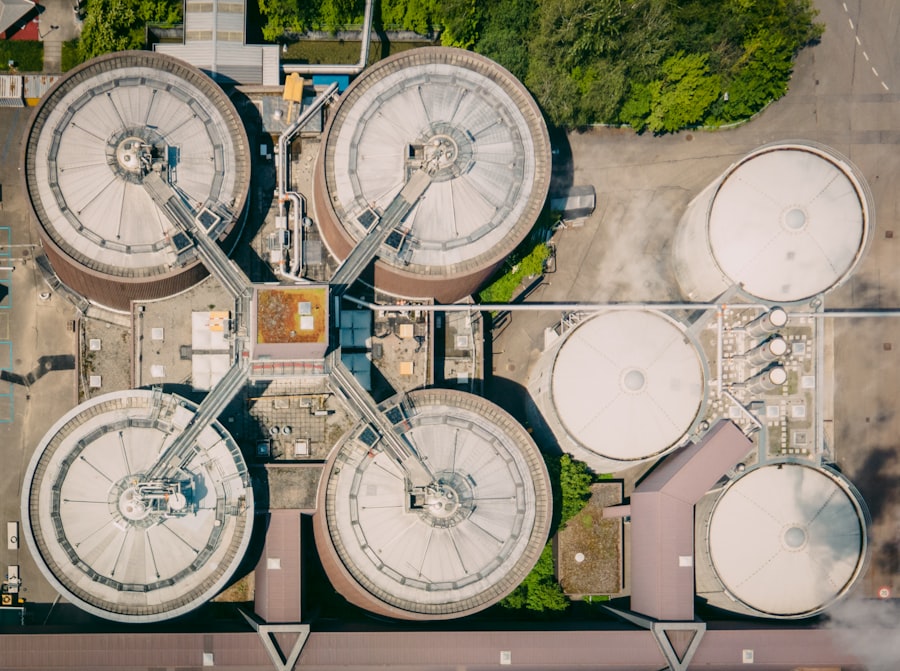
The aging nature of water infrastructure, coupled with increasing demands and environmental pressures, presents significant challenges for modern societies.
1. Aging Infrastructure and Deterioration
Much of the existing water infrastructure in developed nations was built decades ago and is now nearing or exceeding its intended lifespan.
1.1 Material Degradation and Corrosion
Pipes and other components are subject to degradation from corrosion, chemical reactions with water and soil, and physical stress over time. This leads to leaks, structural failures, and reduced efficiency.
Impact on Water Quality and Service Reliability
Deteriorating pipes can lead to discolored water, reduced pressure, and an increased risk of contamination entering the system. Frequent breaks and shutdowns disrupt service and inconvenience consumers.
1.2 Inadequate Funding for Maintenance and Replacement
Historically, there has been a significant underinvestment in water infrastructure maintenance and renewal. This has resulted in a substantial backlog of critical repairs and replacements.
The Funding Gap
The cost of upgrading and replacing aging infrastructure is enormous, and current funding streams (which often rely on user fees) are frequently insufficient to address the scale of the problem.
2. Growing Demand and Population Growth
Increasing global populations and evolving societal needs place ever-increasing demands on water resources and infrastructure.
2.1 Increased Consumption and Development
As populations grow and economies develop, water demand for domestic use, agriculture, and industry rises. This puts greater strain on existing supply and treatment capacities.
Urbanization and its Water Footprint
Rapid urbanization concentrates demand and can exacerbate issues related to stormwater management and wastewater generation.
2.2 Water Scarcity and Climate Change Impacts
Climate change is leading to more frequent and intense droughts in some regions, while others face increased flooding. These shifting weather patterns directly impact water availability and the resilience of water infrastructure.
Drought and Water Restrictions
Droughts necessitate water conservation measures and can lead to water restrictions, impacting industries and daily life.
Extreme Weather Events and Infrastructure Damage
Flooding can overwhelm drainage systems, damage treatment plants, and contaminate water supplies.
3. Emerging Contaminants and Public Health Concerns
New contaminants, often from industrial processes, pharmaceuticals, and personal care products, are being detected in water sources, posing potential health risks.
3.1 Pharmaceuticals, Personal Care Products, and Microplastics
These substances, even in trace amounts, can pass through conventional treatment processes and enter drinking water. Microplastics, tiny plastic particles, are also a growing concern.
Challenges for Treatment Technologies
Many of these emerging contaminants are difficult to remove with existing water treatment technologies, requiring the development of advanced and more sophisticated methods.
3.2 Regulatory Updates and Public Expectations
Regulatory bodies are continuously updating water quality standards to address emerging contaminants. Public awareness and expectations regarding water quality are also rising, demanding higher levels of safety and purity.
The Need for Proactive Monitoring and Treatment
Water utilities must be proactive in monitoring for these contaminants and investing in treatment technologies that can effectively remove them.
Technological Innovations and Future Directions

The water infrastructure sector is embracing technological advancements to improve efficiency, sustainability, and resilience.
1. Smart Water Management and Digitalization
The integration of digital technologies offers new opportunities for optimizing water system operations.
1.1 Sensors, Data Analytics, and AI
Advanced sensors can monitor flow rates, pressure, water quality, and energy consumption in real-time. Data analytics and artificial intelligence (AI) can then be used to predict demand, detect leaks, optimize pump operations, and identify potential issues before they become critical.
Improved Efficiency and Resource Optimization
Smart water management allows for more efficient use of water and energy, reducing operational costs and environmental impact.
1.2 Internet of Things (IoT) in Water Systems
The IoT enables the connection of various water infrastructure components, facilitating seamless data exchange and remote control.
Remote Monitoring and Control
Operators can remotely monitor and control pumps, valves, and treatment processes, improving responsiveness and reducing the need for manual inspections.
2. Sustainable and Resilient Infrastructure
There is a growing emphasis on building water infrastructure that is environmentally sustainable and can withstand the impacts of climate change and other shocks.
2.1 Green Infrastructure and Nature-Based Solutions
This approach utilizes natural processes and systems to manage water resources. Examples include green roofs, permeable pavements, bioswales, and constructed wetlands.
Stormwater Management and Water Quality Improvement
Green infrastructure can help to reduce stormwater runoff, filter pollutants, recharge groundwater, and reduce the strain on traditional drainage systems.
2.2 Water Reuse and Recycling
Treating wastewater to a high standard for reuse in irrigation, industrial processes, or even for potable purposes (after advanced purification) is becoming increasingly important, especially in water-scarce regions.
Conserving Freshwater Resources
Water reuse significantly reduces the demand on freshwater sources and can contribute to water security.
2.3 Decentralized and Integrated Water Systems
Moving away from solely centralized large-scale systems, there is increasing interest in decentralized water treatment and management, as well as integrating water with energy and waste management systems.
Increased Flexibility and Resilience
Decentralized systems can offer greater flexibility and resilience, particularly in smaller communities or for specific industrial applications.
3. Advanced Treatment Technologies
Ongoing research and development are leading to new and improved methods for water and wastewater treatment.
3.1 Membrane Technologies and Advanced Oxidation Processes
Innovations in membrane filtration are improving the efficiency and cost-effectiveness of removing contaminants. Advanced oxidation processes (AOPs) are effective at degrading persistent organic pollutants.
Addressing Emerging Contaminants
These technologies are crucial for tackling the challenges posed by emerging contaminants.
3.2 Nanotechnology in Water Treatment
The application of nanotechnology offers the potential for highly efficient and targeted removal of pollutants at the molecular level.
Future Potential for Water Purification
While still largely in the research phase, nanotechnology holds significant promise for revolutionizing water purification.
Water infrastructure is a critical component of urban development, ensuring the efficient delivery and management of water resources. For a deeper understanding of this essential topic, you can explore a related article that delves into various aspects of water systems and their impact on communities. This insightful piece can be found at this link, where you will discover how effective water infrastructure can lead to sustainable growth and improved public health.
Conclusion
| Aspect | Explanation |
|---|---|
| Water Infrastructure | The physical components of the water supply and distribution system, including pipes, pumps, reservoirs, and treatment plants. |
| Water Quality | The measure of the chemical, physical, and biological characteristics of water, ensuring it is safe for human consumption and environmental protection. |
| Water Distribution | The process of delivering treated water from the treatment plant to homes, businesses, and industries through a network of pipes and pumps. |
| Water Treatment | The process of removing contaminants and impurities from water to make it safe for drinking, cooking, and other uses. |
Water infrastructure is the silent backbone of our modern world, underpinning public health, economic prosperity, and environmental sustainability. Understanding its intricate components, the challenges it faces, and the transformative innovations on the horizon is crucial for ensuring a secure and reliable water future. As populations grow and environmental pressures intensify, continued investment, innovative solutions, and informed public discourse will be essential to maintaining and upgrading these vital systems. The journey from source to tap, and back again, is a testament to human ingenuity, and its ongoing evolution will shape the quality of life for generations to come.

Why Phoenix Shouldn’t Exist
FAQs
What is water infrastructure?
Water infrastructure refers to the systems and facilities that are used to provide clean water for drinking, sanitation, and industrial use. This includes pipes, pumps, treatment plants, reservoirs, and other structures that are used to collect, store, and distribute water.
Why is water infrastructure important?
Water infrastructure is important because it ensures that communities have access to clean and safe drinking water, as well as proper sanitation systems. It also supports industrial and agricultural activities that rely on water for production. Without adequate water infrastructure, public health, economic development, and overall quality of life can be compromised.
How is water infrastructure funded?
Water infrastructure is funded through a combination of sources, including government grants, loans, and bonds, as well as user fees and taxes. In the United States, the federal government, state governments, and local municipalities all play a role in funding water infrastructure projects.
What are the challenges facing water infrastructure?
Some of the challenges facing water infrastructure include aging systems in need of repair and replacement, population growth and urbanization putting strain on existing systems, and the impacts of climate change leading to more frequent and severe droughts and floods. Additionally, funding and financing for infrastructure projects can be a challenge.
How can individuals help support water infrastructure?
Individuals can support water infrastructure by conserving water, reporting leaks and other issues to their local water utility, and advocating for investment in infrastructure improvements. Additionally, individuals can educate themselves and others about the importance of water infrastructure and the need for sustainable water management practices.