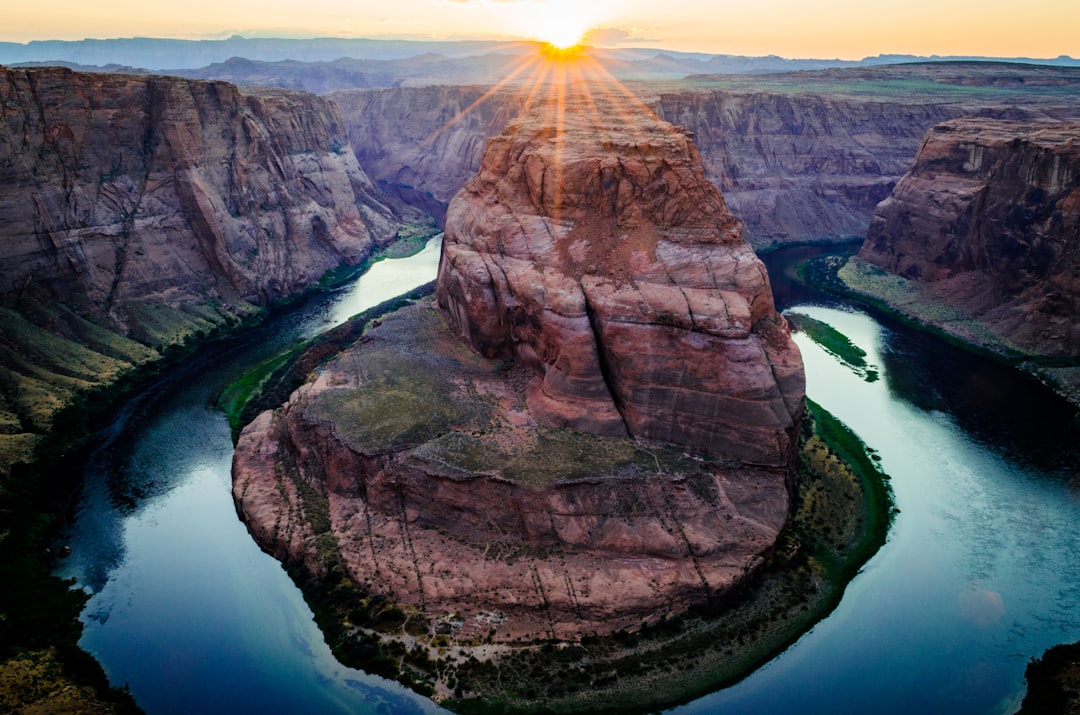
The Colorado River, a serpentine artery carving through the arid landscapes of the American Southwest, possesses a history as profound and complex as the canyons it has sculpted. Its story is one of geological epochs, indigenous stewardship, westward expansion, and a relentless struggle for water in a land defined by its scarcity. More than just a waterway, the Colorado is a testament to the resilience of nature and the ingenuity – as well as the challenges – of human civilization in adapting to one of the planet’s most demanding environments.
The genesis of the Colorado River is a tale etched in the Earth’s crust, a process spanning millions of years and shaped by monumental geological forces. Its story is not one of sudden creation, but a gradual, inexorable unfolding that has left an indelible mark on the very fabric of the continent.
The Uplift of the Colorado Plateau
The initial impetus for the Colorado River’s formation lies in the dramatic uplift of the Colorado Plateau. Beginning roughly 65 million years ago, during the Laramide Orogeny, a vast terrestrial expanse began to slowly rise. This tectonic event, characterized by the collision of tectonic plates, caused significant crustal thickening and deformation, elevating the region to its current average elevation of over 5,000 feet. This uplift provided the crucial elevation gradient that would eventually drive erosion and riverine development. Without this fundamental topographical shift, the conditions necessary for the river’s entrenchment and the subsequent formation of its iconic canyons would simply not have existed.
The Role of Erosion and Sedimentation
As the plateau rose, the stage was set for the relentless forces of erosion to begin their millennia-long work. Rainfall, though sparse in this arid region, collected and flowed across the landscape. Over vast stretches of time, these nascent streams began to carve into the rock. The soft sedimentary layers of the plateau proved particularly susceptible to this erosive power. Water, carrying abrasive particles of sand and gravel, functioned as a natural grinding tool, progressively deepening and widening channels. Sedimentation, the deposition of eroded material, played a parallel role, shaping the river’s course and contributing to the building of its delta at its eventual terminus. The interplay between erosion, which cuts and shapes, and sedimentation, which builds and deposits, is the fundamental dynamic of riverine evolution, and the Colorado is a prime example of this process writ large.
The Formation of the Grand Canyon
The most striking manifestation of the Colorado River’s erosive power is undoubtedly the Grand Canyon. While the exact timeline of its formation is a subject of ongoing scientific debate, evidence suggests that the river has been actively incising its course through the plateau for at least five to six million years. During this period, the river’s gradient, combined with its substantial flow volume and sediment load, allowed it to cut down through progressively older rock layers. The arid climate further contributed, as it limited vegetation, which in turn reduced soil stabilization and allowed for more efficient erosion by wind and water. The visual spectacle of the Grand Canyon, with its intricate stratification of rock representing billions of years of geological history, is a direct consequence of this prolonged and powerful erosional process. The river, in essence, has acted as a geological scalpel, exposing the Earth’s ancient autobiography layer by layer.
Evolution of the River System
The Colorado River system is not a singular entity but a complex network of tributaries and channels that have evolved over geological time. The initial drainage patterns were likely more diffuse, with water flowing in different directions across the rising plateau. Gradually, through the process of stream capture – where one stream erodes through the watershed boundary of another and diverts its flow – these smaller streams coalesced, forming larger, more dominant drainage systems. The Colorado River gradually emerged as the primary outlet, collecting water from a vast drainage basin that spans parts of seven U.S. states and two Mexican states. This evolutionary process, driven by the principles of erosion, gravity, and hydrological efficiency, shaped the sinuous and intricate nature of the modern Colorado River watershed.
The history of the Colorado River is a fascinating journey that intertwines natural wonders with human development. For those interested in exploring this topic further, a related article can be found at My Geo Quest, which delves into the river’s geological significance, its role in shaping the surrounding landscapes, and its impact on the cultures that have thrived along its banks. This resource provides valuable insights into the river’s past and its importance in the present day.
Indigenous Stewardship: A Harmonious Relationship
Long before European explorers charted its course or modern dams harnessed its power, the Colorado River was the lifeblood of numerous Indigenous peoples. For millennia, these cultures developed a deep understanding of the river’s rhythms, its bounty, and its challenges, fostering a relationship characterized by respect, sustainability, and profound spiritual connection.
Ancestral Puebloans and the River’s Bounty
The Ancestral Puebloans, whose civilization flourished in the Four Corners region for over a thousand years, were intimately connected to the Colorado River and its tributaries. Evidence of their presence, from impressive cliff dwellings to intricate agricultural systems, speaks to their ability to thrive in this challenging arid environment. They understood that the river provided not only water for drinking and agriculture but also sustenance. Fish and waterfowl were important food sources, and the riverbanks offered fertile ground for cultivating crops like maize, beans, and squash – the staples of their diet. Their sophisticated irrigation techniques, utilizing canals and reservoirs, demonstrate a remarkable understanding of water management, adapted to the natural flow and seasonal variations of the river.
The Ute, Paiute, and Navajo: Adapting to the Landscape
The Ute, Southern Paiute, and Navajo peoples also established enduring connections to the Colorado River basin. Each nation developed distinct cultural practices and subsistence strategies that were intricately woven into the river’s ecological tapestry. The Ute, for instance, were nomadic hunters and gatherers, their movements dictated by the availability of game and plants that were sustained by the river’s influence. The Southern Paiute, known for their adaptability, utilized a wide range of resources, including piñon nuts, roots, and small game, all dependent on the moisture provided by the river system. The Navajo, or Diné, developed a sophisticated pastoral culture, raising sheep and goats, which grazed on the grasses and vegetation nourished by the river’s reach. Across these diverse cultures, the river was not merely a resource but a sacred entity, woven into their cosmologies, mythology, and daily lives.
Traditional Ecological Knowledge and Sustainability
The enduring legacy of these Indigenous peoples lies not only in their material achievements but also in their profound understanding of ecological principles. Their traditional ecological knowledge, passed down through generations, provided a framework for living sustainably within the arid Southwest. This knowledge encompassed an intimate understanding of plant and animal behaviors, weather patterns, soil types, and the intricate interconnectedness of the ecosystem. They practiced resource management techniques that ensured the long-term health of the land and the river, avoiding the excesses that would lead to depletion. Their relationship with the Colorado River was one of partnership, a mutual dependence where respect for the natural world was paramount, a stark contrast to the extractive approaches that would later characterize Western development.
Spiritual and Cultural Significance
For the Indigenous peoples of the Colorado River basin, the river held immense spiritual and cultural significance. It was often seen as a primordial force, a deity, or a highway for spirits. Creation stories of various tribes frequently feature the river as a central element, shaping the landscape and life itself. Ceremonies and rituals were often performed to appease the spirits of the river, ensure good harvests, and maintain balance within the natural world. The very identity of these peoples was intrinsically linked to the river, its presence shaping their languages, their art, and their social structures. This deep spiritual connection fostered a sense of responsibility and stewardship, reinforcing their commitment to preserving the health and vitality of the river for future generations.
The Age of Exploration and Early Encounters
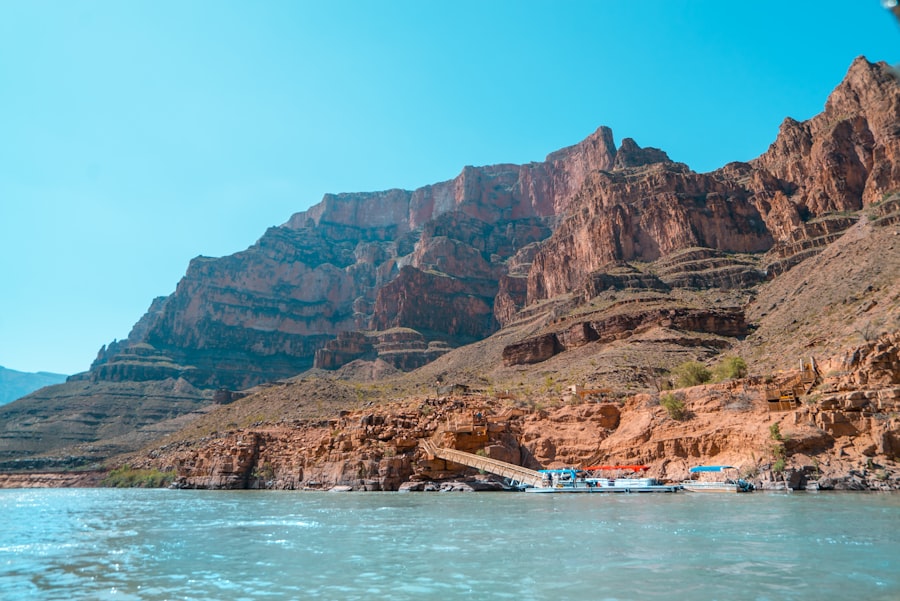
The arrival of European and American explorers marked a pivotal shift in the history of the Colorado River. Driven by a thirst for discovery, mineral wealth, and westward expansion, these expeditions began to document the river’s course, charting its formidable geography and initiating a new era of human interaction with this powerful waterway.
Spanish Expeditions and Rumors of a Great River
The earliest European encounters with the Colorado River were by Spanish explorers in the 16th and 17th centuries. Tales of a vast, powerful river flowing across the arid lands had likely reached them through Indigenous accounts. Coronado’s expedition in the 1540s explored parts of the region, and while direct encounters with the main stem of the Colorado were limited, these journeys laid the groundwork for future exploration. The Spanish were particularly interested in finding new routes to the Pacific and potential sources of gold and silver. The immense size and the rugged terrain surrounding the river presented significant navigational challenges, and its true extent and course remained largely a mystery for centuries.
American Exploration: The Path to the Pacific
The 19th century saw a surge of American exploration driven by Manifest Destiny and the desire to map and understand the western territories. Key figures like John Wesley Powell stand out in their pioneering efforts to navigate the Colorado River. Powell’s daring expeditions, particularly his descent of the Grand Canyon in 1869, were instrumental in revealing the river’s formidable canyons and turbulent rapids to the wider world. His meticulous scientific observations and detailed reports provided invaluable information about the geology, flora, and fauna of the region, as well as the immense challenges and potential of the river. These expeditions were not just about mapping; they were about understanding the character of this mighty river and assessing its potential for transportation and development.
Charting the Untamed Waters
The process of charting the Colorado was a monumental undertaking. The river’s swift currents, hidden rocks, and sheer canyon walls presented constant dangers. Early explorers relied on rudimentary boats, often custom-built for the specific challenges of the river. The sheer scale of the canyons, with their towering walls and oppressive silence, tested the endurance and resolve of these early adventurers. Each bend in the river revealed new wonders and new perils, and the process of mapping was slow, painstaking, and often fraught with risk. The survival of these expeditions was a testament to the skill and determination of the explorers, as well as a growing understanding of the river’s powerful and unpredictable nature.
Early Perceptions and Potential
From the perspective of these early explorers, the Colorado River was viewed through a lens of opportunity and challenge. The potential for navigation, though daunting, was considered, envisioning it as a pathway for trade and westward expansion. The mineral wealth rumored to lie within the canyons also fueled interest. However, the sheer inaccessibility of much of the river, coupled with its destructive flood potential, also highlighted the immense difficulties in harnessing its power. These initial perceptions, often a mix of awe and practicality, foreshadowed the complex relationship that would develop between humanity and the Colorado River in the centuries to come.
The Era of Water Rights and Engineering Marvels
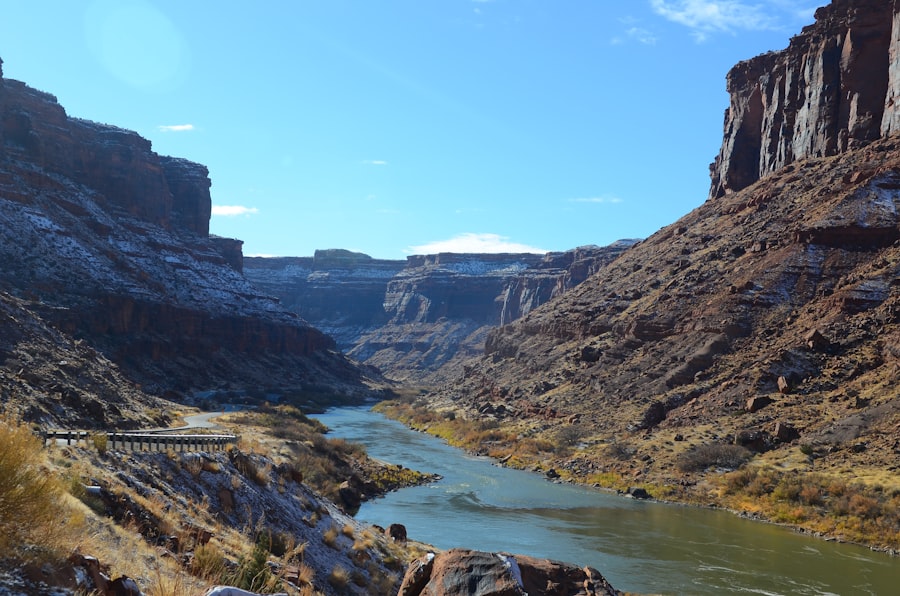
As the American West became more populated and its agricultural potential was recognized, the Colorado River, with its life-giving waters, became a focal point of intense competition and ambitious engineering. The concept of water rights, once an informal understanding, transformed into a legally codified struggle, leading to the construction of some of the most significant water infrastructure projects in human history.
The Doctrine of Prior Appropriation: “First in Time, First in Right”
The arid nature of the American West necessitated a legal framework for water allocation that differed from the riparian doctrines prevalent in wetter regions. The doctrine of Prior Appropriation, with its mantra of “first in time, first in right,” emerged as the dominant legal principle. This doctrine fundamentally stipulated that the right to use water is granted to the first individual or entity who diverts and applies it to a beneficial use, typically agriculture. Subsequent users are subject to the rights of those who came before them. This principle, while seemingly straightforward, created a fiercely competitive environment, especially for a resource as scarce as the Colorado River. The application of this doctrine laid the groundwork for complex legal battles and the eventual subdivision of the river’s water.
The Colorado River Compact of 1922: Dividing the Pie
The growing demand for Colorado River water and the recognition of its finite nature culminated in the landmark Colorado River Compact of 1922. Negotiated among the seven basin states (Wyoming, Colorado, Utah, New Mexico, Arizona, Nevada, and California), this agreement aimed to divide the river’s waters between the Upper Basin states and the Lower Basin states. The Compact, a monumental feat of negotiation given the competing interests, allocated 7.5 million acre-feet of water per year to each basin. It also established the principle that the river’s flow would be measured at Lee Ferry, Arizona. However, the Compact was based on projections of the river’s flow from a period of unusually high water. This fundamental flaw would have profound implications in the decades to come, as actual river flows often fell short of these optimistic assumptions.
The Hoover Dam: A Beacon of Engineering Prowess
The Hoover Dam, completed in 1936, stands as a colossal testament to human engineering and the ambition to control and utilize the Colorado River. Built during the Great Depression, it provided much-needed employment and symbolized a triumph of human ingenuity over nature. The dam’s primary purposes were flood control, water storage for irrigation and municipal use, and hydroelectric power generation. Its construction involved immense logistical challenges, including the diversion of the river through massive tunnels bored through the canyon walls. The creation of Lake Mead behind the dam transformed the river’s natural flow, taming its wildness and providing a reliable water supply for the burgeoning populations of Southern California and Arizona.
The Rise of Irrigation and the Transformation of the Landscape
The availability of Colorado River water, made possible by dams and extensive canal systems, fundamentally transformed the arid Southwest into agriculturally productive regions. Vast areas that were once desert began to bloom with crops like cotton, alfalfa, and vegetables. The Imperial Irrigation District in California, fed by the All-American Canal, is a prime example of this transformation, turning the Salton Sink into a fertile agricultural valley. This agricultural boom brought economic prosperity but also placed immense pressure on the river’s limited water resources, exacerbating the challenges of the Prior Appropriation doctrine and the allocations made in the 1922 Compact. The transformation was not without environmental consequences, including increased salinity and habitat alteration.
The history of the Colorado River is a fascinating journey that intertwines natural wonders with human development. From its origins in the Rocky Mountains to its vital role in the growth of the American Southwest, the river has shaped both the landscape and the lives of countless individuals. For those interested in exploring this topic further, you can read a related article that delves into the river’s significance and its impact on the surrounding regions. Check it out here: related article.
The Modern Dilemma: Scarcity, Conflict, and the Future
| Year | Event |
|---|---|
| 1922 | Colorado River Compact signed, dividing the river’s water between upper and lower basin states |
| 1933 | Construction of Hoover Dam begins |
| 1963 | Glen Canyon Dam construction begins |
| 1998 | Interim guidelines for Colorado River operations established |
| 2019 | Drought Contingency Plan signed to address water shortages in the Colorado River Basin |
In the 21st century, the Colorado River faces an existential crisis. Decades of over-allocation, coupled with the impacts of climate change and prolonged drought, have pushed the system to its breaking point. The river, once perceived as a seemingly inexhaustible resource, is now a stark symbol of the growing global challenge of water scarcity and the complex geopolitical negotiations required to manage it.
The Impact of Climate Change and Prolonged Drought
The most significant threat to the Colorado River’s future is the undeniable impact of climate change. Rising global temperatures are leading to reduced snowpack in the Rocky Mountains, the primary source of the river’s water. Warmer temperatures also increase evaporation from the reservoirs, further depleting water supplies. Compounding this, the region has been experiencing a multi-decadal megadrought, characterized by historically low precipitation and streamflow. These factors have resulted in unprecedented declines in reservoir levels, most notably at Lake Mead and Lake Powell, the two largest reservoirs in the United States, which serve as critical water storage for millions of people.
Over-Allocation and Declining Reservoir Levels
The Colorado River system was always over-allocated, meaning that more water was promised to users than the river could reliably supply, especially during dry periods. The 1922 Compact, based on optimistic flow estimates, set the stage for this imbalance. As drought conditions have worsened and demand has increased, the deficit between supply and demand has become critically apparent. Lake Mead and Lake Powell have seen their water levels plummet to historic lows, threatening the ability of the Lower Basin states to meet their contractual obligations and jeopardizing hydroelectric power generation. This precarious situation has necessitated unprecedented conservation measures and calls for systemic reform.
Interstate and International Water Wars
The intensifying water scarcity has fueled interstate tensions and raised concerns about international implications. Negotiations among the basin states to develop new drought contingency plans and re-evaluate water management strategies have been prolonged and challenging, with each state fiercely protecting its allocated share. Furthermore, Mexico, which also relies on the Colorado River for its water needs under a treaty, faces significant challenges as flows dwindle. The spectre of outright “water wars” – legal battles and political standoffs over access to the diminishing resource – looms large, highlighting the need for collaborative solutions and a shift in thinking about water resource management.
Towards Sustainable Solutions and Resilience
Addressing the Colorado River’s crisis requires a multi-faceted approach focused on sustainability and resilience. This includes aggressive water conservation efforts by all users, from agriculture to urban consumers. Investing in water-efficient technologies, improving irrigation practices, and promoting xeriscaping in urban areas are crucial steps. Furthermore, exploring innovative solutions such as water recycling and reuse, desalination (though costly and energy-intensive), and potentially even managed aquifer recharge could play a role in augmenting supply. Ultimately, the long-term survival of the Colorado River as a vital resource for the American Southwest hinges on a fundamental re-evaluation of how water is managed, a commitment to equitable distribution, and a collective embrace of conservation in the face of an increasingly arid future. The story of the Colorado River is far from over; it is a dynamic narrative that continues to unfold, demanding adaptation, innovation, and a profound respect for the preciousness of water.

Why Phoenix Shouldn’t Exist
FAQs
What is the history of the Colorado River?
The Colorado River has a long and complex history, with evidence of human habitation along its banks dating back thousands of years. It has played a crucial role in the development of the American Southwest, serving as a vital water source for indigenous peoples, early settlers, and modern cities.
How did the Colorado River get its name?
The Colorado River was named by Spanish explorers in the 16th century. They called it “Rio Colorado,” which means “colored river” in Spanish, due to the reddish silt it carries from the mountains.
What are some key historical events related to the Colorado River?
Some key historical events related to the Colorado River include the exploration and mapping of the river by Spanish and American expeditions, the construction of dams and reservoirs for water storage and hydroelectric power, and the development of water rights agreements among the states that rely on the river for irrigation and municipal water supplies.
How has the Colorado River impacted the development of the American Southwest?
The Colorado River has been a major factor in the development of the American Southwest, providing water for agriculture, industry, and urban areas. Its waters have been harnessed for hydroelectric power, and its canyons and rapids have become popular destinations for outdoor recreation and tourism.
What are some current challenges facing the Colorado River?
The Colorado River faces a number of challenges in the 21st century, including overuse and depletion of its waters, environmental degradation, and the impacts of climate change. These challenges have led to ongoing debates and negotiations among the states that rely on the river for water, as well as efforts to promote conservation and sustainable management of its resources.