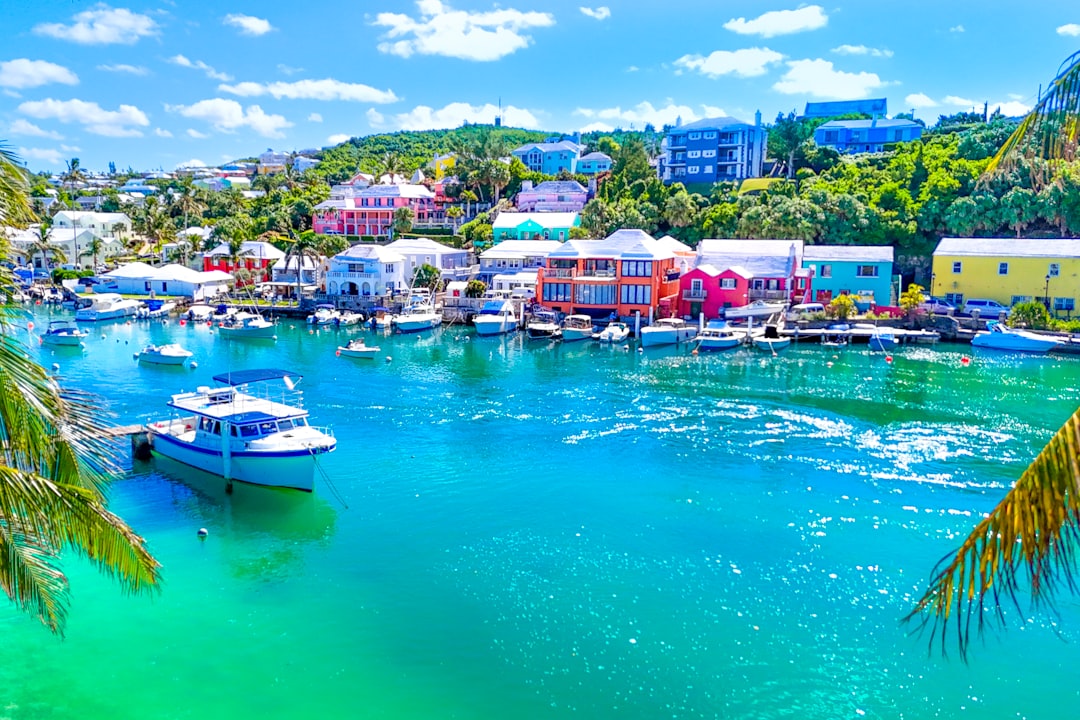
- The Silk from the Sea: Bermuda’s Pivotal Role in the 17th-Century Transatlantic Silk Trade
The allure of silk, a fabric synonymous with luxury and prestige, played an unexpected yet crucial role in shaping Bermuda’s early maritime history. While the island itself was never a producer of raw silk, its strategic location in the North Atlantic made it an indispensable transit point for this highly coveted commodity. The burgeoning empires of Europe, particularly England and France, were voracious consumers of silk, relying heavily on imports from the East and, later, from burgeoning silk industries in the Americas. Bermuda, with its challenging yet navigable reefs, its skilled mariners, and its relatively secure harbors, found itself at the crossroads of these nascent trade winds.
The Incentive for Exploration: A World Craving Silk
By the early 17th century, European powers were actively seeking ways to bypass the overland routes through the Ottoman Empire, which were long, dangerous, and subject to heavy taxation. This spurred intense interest in establishing maritime trade links. While much of the focus was on direct routes from East Asia, the development of colonial enterprises in the Americas began to introduce new sources of valuable goods. The cultivation of mulberry trees and the subsequent development of silkworm farming in parts of the New World, particularly in what would become French colonies, presented an opportunity. However, transporting these delicate goods across the vast Atlantic presented significant logistical challenges.
Bermuda’s strategic location in the Atlantic Ocean has made it a pivotal hub for maritime trade routes, facilitating the movement of goods between North America, Europe, and the Caribbean. For a deeper understanding of the historical significance and contemporary dynamics of these trade routes, you can explore an insightful article on this topic at MyGeoQuest. This resource provides valuable information on how Bermuda’s maritime activities have evolved over time and their impact on global trade.
Bermuda’s Offer: A Shifting Sands Sanctuary
Bermuda’s geography, though a formidable barrier to many, inadvertently became an asset. The island’s infamous coral reefs, which wrecked countless unprepared vessels, also served as natural defenses against piracy and opportunistic privateers. For legitimate traders, however, the carefully mapped channels through these reefs offered a refuge. The natural harbors, particularly St. George’s, provided sheltered anchorages where ships could replenish supplies, undertake minor repairs, and, critically, transfer or re-package their cargo.
The Mechanisms of Trade: From Spanish Galleons to English Sloops
The silk trade in Bermuda was not a monolithic operation. It involved a complex network of ships and merchants. Spanish galleons, laden with goods from the Americas, sometimes found themselves in need of repair or respite on their journey back to Europe. While they primarily transported silver and gold, they also carried other valuable commodities, including, on occasion, silk produced in areas under Spanish influence. More directly relevant to Bermuda’s role were the French endeavors. French colonists, particularly those in the West Indies, were actively experimenting with silk production. As these nascent industries began to yield results, the need for efficient transport to European markets became paramount.
The Silk Routes Through the Atlantic: Navigating Dangers and Opportunities
The transatlantic routes were fraught with peril: storms, disease, and the ever-present threat of privateers and enemy warships. Bermuda offered a strategic waystation. Ships carrying silk from the Americas might stop in Bermuda to avoid the more heavily patrolled waters closer to European shores, or to wait for opportune weather or the escort of naval vessels. Conversely, ships heading to the Americas might use Bermuda as a starting point or a place to gather information about prevailing winds and currents. The island’s inhabitants, adept at shipbuilding and navigation themselves, were valuable facilitators of this trade, offering their expertise, provisions, and sturdy vessels for inter-island or coastal transit.
Bermuda’s maritime trade routes play a crucial role in the region’s economy, connecting various international markets and facilitating the movement of goods. For a deeper understanding of how these routes impact trade dynamics, you can explore a related article that delves into the historical significance and current trends of maritime commerce in the area. This insightful piece can be found here, offering valuable perspectives on the evolving landscape of Bermuda’s trade networks.
The Legacy of Silk: From Luxury Goods to Economic Foundations
While detailed records of specific silk shipments through Bermuda are scarce, the island’s historical prominence in maritime trade during this period strongly suggests its involvement. The wealth generated, even indirectly, from facilitating the movement of such high-value goods contributed to Bermuda’s early economic development and established its reputation as a hub for transatlantic commerce. The infrastructure that developed to support these ships – docks, warehouses, and skilled labor – laid the groundwork for Bermuda’s continued importance in maritime history, a legacy that would be further shaped by other commodities and geopolitical shifts. Even if the silk itself did not remain on the island, the economic ripples of its passage undeniably enriched Bermuda’s developing identity.
- Pirates, Privateers, and Provisions: Bermuda’s Role as a Supply Hub in the Age of Sail
The golden age of piracy and the equally significant, albeit legal, practice of privateering were defining features of maritime activity in the Atlantic for centuries. In this tumultuous environment, Bermuda, with its strategic position and sheltered harbors, emerged not just as a place to avoid but often as a crucial logistical node. The island’s inhabitants, keenly aware of the lucrative nature of maritime trade passing by their shores, developed a reputation for supplying both the legitimate and, at times, the less-than-legitimate vessels that plied these waters. Their ability to provision ships with fresh water, food, timber, and skilled labor made them indispensable to the sailing fleets of the era.
The Lure of the Open Sea: Pirates and Privateers as Economic (and Destructive) Forces
From the late 17th century through much of the 18th century, the Caribbean and the North Atlantic were hotbeds of maritime conflict and illicit activity. Pirates, operating outside the law, preyed on merchant ships, while privateers, armed with letters of marque from governments, were essentially state-sanctioned pirates, authorized to attack enemy vessels. Both groups required extensive support networks to sustain their operations. Ships needed to be repaired, supplies replenished, and crews fed and paid. The vast, often lawless, expanse of the ocean made finding such support difficult, and any port that could offer it discreetly and efficiently held significant value.
Bermuda’s Strategic Advantage: Islands of Refuge and Resupply
Bermuda’s geographical isolation, paradoxically, made it a haven. While easily spotted from a distance, the intricate reef system protected its harbors and made approaching them a challenging endeavor for unfamiliar vessels, including naval patrols. This natural defense deterred many who might have sought to crack down on illicit activities. For pirates and privateers seeking to lie low or refit, Bermuda offered a degree of sanctuary. Furthermore, the island’s native resources – timber for shipbuilding and repair, abundant fish, and the ability to cultivate some foodstuffs – made it a viable location for provisioning.
The Art of Supplying the High Seas: What Ships Needed Most
A sailing vessel on a long voyage faced constant demands. Key provisions included:
- Water: The most critical element. Stored in barrels, it was heavy and spoiled easily. Access to fresh water sources or effective rainwater collection was paramount.
- Food: Salted meat, hardtack (ship’s biscuit), peas, and grains were staples. Fresh produce was a coveted luxury that could prevent scurvy.
- Timber and Naval Stores: Wood for repairs, tar, pitch, and canvas were essential for maintaining seaworthiness.
- Ballast: Needed to stabilize the ship, often stones or sand.
- Ammunition and Arms: For defense against enemies and for the conduct of privateering.
- Skilled Labor: Shipwrights, carpenters, and, of course, ship’s crew.
Bermuda, with its shipbuilding heritage, possessed many of these resources and the expertise to provide them.
The Dual Nature of Trade: Legitimate Merchants and Less-Than-Legitimate Patrons
Bermuda’s economy during this period was intimately tied to the sea. While legitimate merchants conducted trade with established European powers, the islanders were also shrewd entrepreneurs. They understood that offering supplies to pirates and privateers, while officially frowned upon, could be exceedingly profitable. The risk was often offset by the high prices paid and the potential for payment in salvaged goods or silver. There was a delicate balance to be struck – enough interaction to profit, but not so much as to draw the ire of naval powers. This often involved discreet transactions in secluded coves or through intermediaries.
The Economic Impact: Fueling the Maritime Conflict
The provisioning of pirate and privateer fleets had a significant, albeit often unacknowledged, economic impact on Bermuda. It provided a steady source of income for shipwrights, chandlers, innkeepers, and others. The demand for goods and services, regardless of the ultimate destination of the ships, stimulated the local economy. Furthermore, the skills developed by Bermudians in repairing and maintaining vessels, often under pressure and with limited resources, made them highly sought-after mariners. The island’s reputation as a reliable, if sometimes morally ambiguous, supplier cemented its place in the intricate web of transatlantic maritime activity, where the lines between legality and lawlessness were often blurred. The echoes of these clandestine resupply operations can still be felt in the historical lore of Bermuda.
- Sugar and Spice (and Everything Nice): Bermuda’s Role in the Caribbean Sugar Trade Network
While the rich volcanic soils and vast expanses of the Caribbean became the undisputed heartland of sugar production, Bermuda, a small island far to the north, played a surprisingly vital supporting role in this immensely profitable, yet often brutal, global trade network. Bermuda was not a sugar producer itself, but its strategic location and well-developed maritime infrastructure made it an essential transit point, a hub for distribution, and a source of vital supplies for the sugar colonies. The island’s history is intricately woven with the ebb and flow of the sugar trade, influencing its economy, its society, and its very identity.
The Sweet Embrace of Sugar: A Colonial Commodity of Unrivalled Importance
By the late 17th and 18th centuries, sugar had become the most valuable commodity in the Atlantic world. The demand for raw sugar, molasses, and rum in Europe and North America was insatiable, fueling an insatiable appetite for expansion in the Caribbean. This led to the establishment of vast plantations, heavily reliant on enslaved labor, producing this incredibly lucrative crop. The logistics of this trade were enormous, involving ships traveling between Europe, Africa, and the Americas, carrying goods, people, and the harvested sugar.
Bermuda’s Geographical Gift: A North Atlantic Fulcrum
Bermuda’s position in the North Atlantic, roughly equidistant from the major European powers and the primary sugar-producing regions of the Caribbean, made it a natural waypoint. Ships laden with sugar bound for Europe or North America often found Bermuda a convenient stopping point. They could seek shelter from storms, conduct repairs, and replenish their supplies before continuing their journey. Conversely, ships heading to the Caribbean from Europe might also stop in Bermuda to gather intelligence, await favorable winds, or take on specialized provisions that were more readily available on the island.
The Merchants of Molasses: Bermuda’s Role as a Distribution Hub
One of Bermuda’s most significant contributions to the sugar trade was its role as an entrepôt, or entrepot. Ships carrying large cargoes of molasses, the viscous byproduct of sugar refining, would sometimes discharge a portion of their cargo in Bermuda. This molasses was highly valued, not just as a sweetener but as a key ingredient in the production of rum, a popular and profitable commodity in its own right. Bermudian merchants, with their established trade links and skilled mariners, were adept at distributing this molasses throughout the North Atlantic, supplying distilleries in New England, Nova Scotia, and even parts of Europe. This created a secondary layer of trade, where Bermuda acted as a crucial intermediary, facilitating the flow of sugar byproducts into new markets.
Provisions and Repairs: Sustaining the Sugar Fleet
The sugar colonies themselves, despite their rich agricultural output for sugar cane, often faced shortages of other essential goods. Building and maintaining the infrastructure for sugar production – the boiling houses, the distilleries, the ships themselves – required timber, naval stores (tar, pitch, rope), and specialized tools. Bermuda, with its own burgeoning shipbuilding industry and access to timber, became a vital supplier of these necessities to the Caribbean. Bermudian shipwrights were renowned, and their expertise was in high demand. When a sugar vessel needed repairs or when a plantation required new construction materials, Bermuda was often the go-to source. Fresh provisions, including cured meats, vegetables, and salted fish, were also a welcome addition to the diets of plantation owners and their crews, who often struggled with the limited variety of their own island produce.
The Societal Ripples: Wealth, Dependence, and a Complex Legacy
The involvement in the sugar trade brought significant wealth to Bermuda. Fortunes were made by merchants who facilitated the shipping and distribution of sugar and molasses, and by shipbuilders who supplied the vessels. This wealth helped to fuel the island’s development, contributing to the construction of impressive homes and public buildings that still stand today. However, this prosperity was inextricably linked to the exploitative nature of the sugar economy, which relied heavily on the brutal system of enslaved labor in the Caribbean. While Bermuda did not have large-scale sugar plantations on its own soil, its economic participation meant it was a beneficiary of this system. This created a complex social and economic landscape, where the island’s prosperity was built, in part, on the foundation of suffering elsewhere. The legacy of Bermuda’s role in the sugar trade is therefore a dual one: a testament to its maritime prowess and commercial acumen, but also a reminder of its complicity in one of history’s most unjust economic systems.
- The Salt Trade: Bermuda’s Crucial Role in Preserving Fortunes and Food
Beyond the more glamorous commodities like silk and sugar, a fundamental element of transatlantic trade, often overlooked but utterly essential, was salt. The ability to preserve food, particularly meat and fish, was paramount for long voyages, for sustaining populations in colder climates, and for industrial processes. Bermuda, strategically positioned between major fishing grounds and burgeoning markets, carved out a significant niche in the salt trade, both as a supplier and as a transshipment point for this vital commodity, linking diverse economies across the Atlantic.
The Indispensable Preservative: Why Salt Was as Valuable as Gold
In the pre-refrigeration era, salt was the primary agent for preserving perishable goods. For seafaring nations, this meant the ability to provision ships for voyages of months, or even years. Salted fish, particularly cod from the rich fishing grounds of Newfoundland and the Grand Banks, formed a dietary staple for much of Europe and its colonies. Salt was also essential for tanning hides, processing textiles, and many other nascent industrial applications. The demand for salt was constant and global, making its trade a cornerstone of maritime commerce.
Bermuda’s Geographical Opportunity: Location, Location, Location
Bermuda’s maritime advantage for the salt trade stemmed from its unique geographical position. While Bermuda itself was not a major producer of salt (unlike the shallower, warmer waters of the Caribbean), it was strategically situated to intercept the flow of salt. Ships from Southern Europe, particularly Portugal and Spain, where salt pans were abundant, would carry salt to markets in Northern Europe and the Americas. Similarly, the burgeoning fishing fleets operating off the coast of North America, especially in Newfoundland, required vast quantities of salt to cure their cod catches. Bermuda was positioned to serve as an ideal intermediary in both these flows.
From Portugal to the Grand Banks: The Transshipment Hub
One of Bermuda’s primary roles in the salt trade was as a transshipment point. Salt loaded in Portugal or Spain could be brought to Bermuda. Here, it could be offloaded, stored in capacious warehouses, and then reloaded onto smaller, more agile Bermudian vessels or vessels destined for specific North American ports. This allowed for greater flexibility and efficiency in supplying the salt-starved markets of the New World. For instance, ships returning from fishing expeditions in the Grand Banks, laden with cod but needing salt to preserve their catch for the journey home or for sale, could find it readily available in Bermuda. This saved them the arduous and time-consuming journey back to European salt-producing regions.
Bermuda’s Own Salt Pans (Limited, but Present)
While not on the scale of Mediterranean salt pans, Bermuda did have some limited capacity for salt production, particularly in its sheltered coves and shallow inlets. The natural evaporation process in the warm climate could yield small quantities of salt. This local production, while not sufficient to meet external demand, would have supplemented the island’s needs and contributed to its self-sufficiency, further enhancing its value as a provisioning station. More importantly, the knowledge and infrastructure for handling and storing bulk goods like salt were well-established on the island.
The Economic Windfall: Fueling Maritime Enterprise
The salt trade was not merely about basic preservation; it was a significant economic driver for Bermuda. The profits generated from the buying, selling, and transshipping of salt contributed substantially to the island’s wealth. It provided employment for dockworkers, warehousemen, and sailors involved in the constant movement of this crucial commodity. The demand for salt also stimulated shipbuilding, as larger vessels were needed to carry bulk salt from Europe, and smaller, more maneuverable Bermuda sloops were utilized for distribution along the North American coast. This intricate dance of supply and demand, facilitated by Bermudian enterprise, helped to solidify the island’s reputation as a vital maritime nexus, where even the most mundane commodities played a critical role in the grand tapestry of global trade. The quiet, steady trade in salt was as vital to Bermuda’s maritime success as any more exotic cargo.
- Naval Power and Protection: Bermuda’s Strategic Anchorage in Global Conflicts
Bermuda’s strategic position in the North Atlantic, combined with its formidable natural defenses, did not go unnoticed by the major naval powers, particularly Great Britain. Throughout centuries of imperial expansion and global conflict, the island evolved from a colonial territory into a vital naval base, a sanctuary for fleets, and a critical staging ground for military operations. Its sheltered harbors, particularly the Royal Naval Dockyard at Ireland Island, became synonymous with British maritime dominance, shaping the island’s history and its relationship with the wider world.
The Shifting Tides of Empire: From Colony to Strategic Prize
Initially established as a colony, Bermuda’s value quickly transcended mere settlement. Its location made it a potential threat or an invaluable asset to rival European powers vying for control of sea lanes. As Great Britain’s naval ambitions grew, so too did the strategic importance of its Atlantic outposts. Bermuda’s natural harbors, capable of sheltering large fleets from storms and enemy attack, made it an ideal candidate for naval development. The island’s reefs, so perilous to merchant ships, also served as natural fortifications, making direct assault by enemy navies extraordinarily difficult.
The Royal Naval Dockyard: A Bastion of British Sea Power
The establishment of the Royal Naval Dockyard on Ireland Island in the early 19th century marked a turning point in Bermuda’s history. This colossal undertaking, built with slave labor and later with convict labor, transformed a sparsely inhabited island into one of the most vital naval facilities in the British Empire. The dockyard included sophisticated shipbuilding and repair facilities, extensive warehousing for naval stores, barracks, and fortifications. It served as a crucial coaling station for steam-powered warships and a base from which the Royal Navy could project power across the Atlantic.
Fleets in Refuge: Sheltering from the Storm and the Enemy
During times of war, Bermuda’s harbors provided an indispensable refuge for British fleets. Whether battered by Atlantic storms or seeking to avoid enemy squadrons, warships could find safe haven and make necessary repairs at the dockyard. This ability to weather the tempest and return to active service was a significant strategic advantage. The island also served as a staging post for offensive operations. From Bermuda, British naval forces could patrol shipping lanes, intercept enemy vessels, and support military campaigns in North America, the Caribbean, and even as far afield as Europe.
The Unseen Battle: Blockades and Counter-Blockades
Bermuda played a critical role in various blockades and counter-blockades throughout its history. During conflicts such as the Napoleonic Wars and the American Civil War, the Royal Navy used Bermuda as a base to enforce blockades of enemy ports, disrupting their trade and their ability to wage war. Conversely, Bermuda itself was an attractive target for enemy forces seeking to disrupt British supply lines. However, the island’s formidable defenses, both natural and man-made, made it a remarkably resilient outpost. The forts and batteries that dotted the coastline stand as a testament to the importance of safeguarding this strategic asset.
The Legacy of the Anchor: Military Influence on Bermudian Society
The presence of the Royal Navy and the associated military garrisons had a profound and lasting impact on Bermudian society. It drove economic activity, provided employment, and influenced the island’s social structure. The island became a melting pot of cultures, with servicemen and their families from across the British Empire contributing to the local fabric. Even after the primary naval presence diminished, Bermuda retained its strategic importance, serving as a hub for British intelligence and communications. The immense stone structures of the dockyard, the forts, and the fortified defenses are enduring physical manifestations of Bermuda’s role as a sentinel of the Atlantic, a key anchor in the turbulent seas of global maritime and military history.

Bermuda: Why 60,000 People Live on a $100 Trillion Gamble
FAQs

What are Bermuda maritime trade routes?
Bermuda maritime trade routes refer to the sea routes that ships and vessels use to transport goods and commodities to and from Bermuda. These routes are crucial for the island’s economy as they facilitate trade with other countries and regions.
Why are Bermuda maritime trade routes important?
Bermuda maritime trade routes are important because they enable the island to import essential goods and export local products to other markets. The routes also contribute to the island’s economy by supporting the shipping industry and providing employment opportunities.
Which countries are connected to Bermuda through maritime trade routes?
Bermuda is connected to various countries through maritime trade routes, including the United States, Canada, the United Kingdom, and Caribbean nations. These connections allow for the exchange of goods and commodities, as well as the movement of people and resources.
How do Bermuda maritime trade routes impact the local economy?
Bermuda maritime trade routes have a significant impact on the local economy by facilitating international trade and commerce. The routes support the importation of goods such as food, fuel, and raw materials, while also enabling the export of local products such as fish, agricultural goods, and manufactured items.
What challenges are associated with Bermuda maritime trade routes?
Challenges associated with Bermuda maritime trade routes include potential disruptions due to weather conditions, piracy, and geopolitical tensions. Additionally, the maintenance and security of the routes require ongoing investment and coordination among various stakeholders.