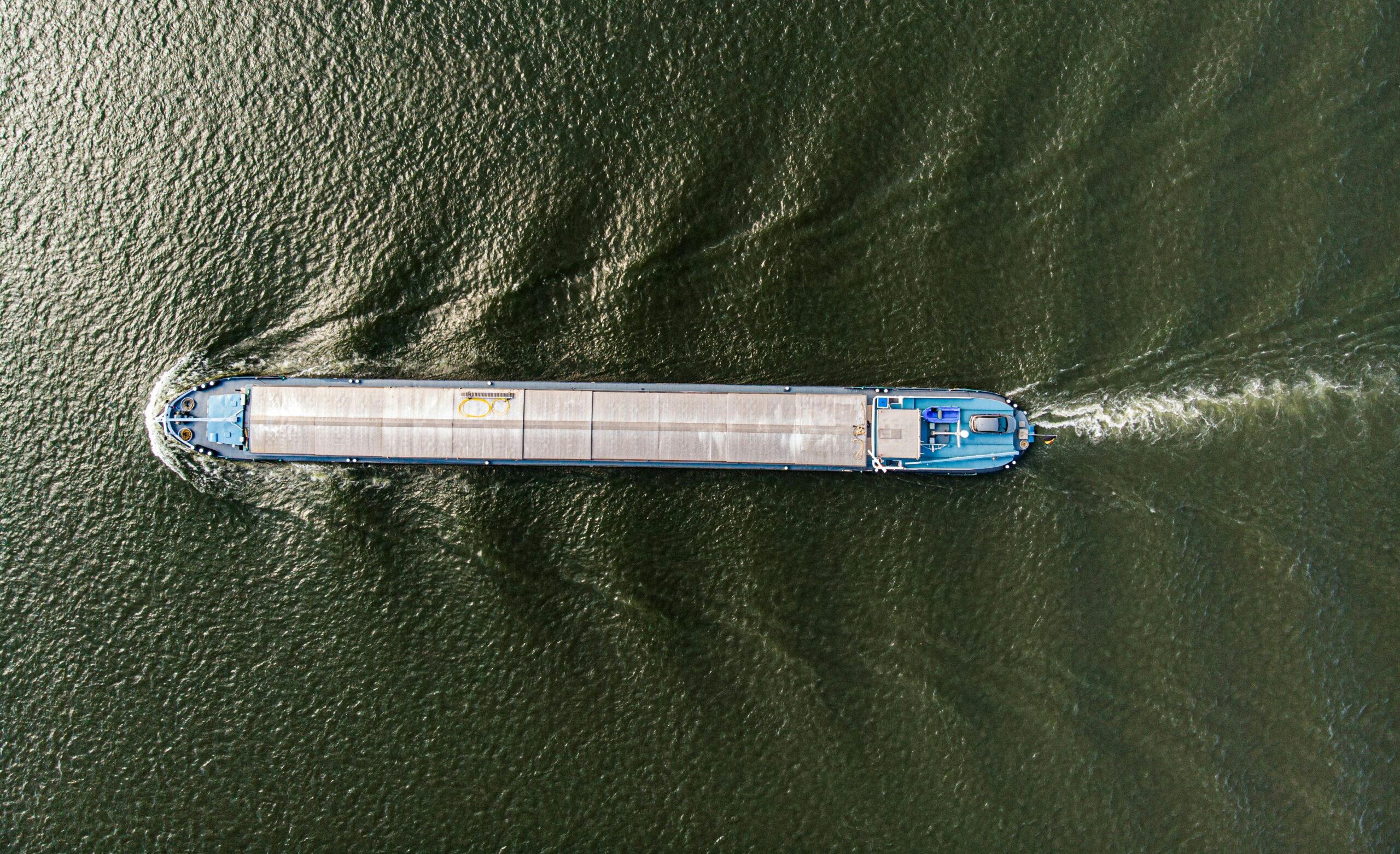
- The strategic importance of Bermuda, a British Overseas Territory situated in the North Atlantic Ocean, cannot be overstated. Its geographical location has historically made it a crucial waypoint for maritime traffic, serving as a nexus between North America, Europe, and the Caribbean. As global trade continues to expand and supply chains become increasingly intricate, understanding and effectively navigating Bermuda’s shipping lanes is paramount for the efficiency and success of logistical operations. This listicle aims to provide invaluable insights and practical tips for those involved in maritime logistics requiring passage through or interaction with Bermuda’s waters, transforming potential complexities into streamlined operations.
To effectively navigate Bermuda’s shipping lanes, a foundational understanding of its maritime governance and regulatory environment is essential. This section delves into the key authorities, regulations, and geographical considerations that shape maritime activity in the region.
The Bermuda Department of Maritime Administration: Your Primary Authority
The Bermuda Department of Maritime Administration (BDMA) is the central governing body for all maritime activities within Bermuda’s jurisdiction. Their responsibilities are vast, encompassing the registration of ships, enforcement of international maritime conventions, port state control, and the safety of navigation.
Key Functions and Responsibilities of the BDMA
The BDMA is responsible for implementing and enforcing regulations that align with international standards, such as those set by the International Maritime Organization (IMO). This includes ensuring that vessels calling at Bermuda or registered under its flag adhere to safety, security, and environmental protection measures. Their proactive approach to regulatory compliance fosters a safe and efficient maritime environment.
Port State Control and Flag State Responsibilities
Bermuda, as a responsible flag state, ensures that vessels flying its flag meet all international safety and environmental standards. Simultaneously, it exercises port state control functions, inspecting foreign-flagged vessels that call at its ports to ensure compliance with international conventions. This dual role is critical for maintaining global maritime safety and security.
International Maritime Conventions and Bermudian Legislation
Bermuda is a signatory to numerous international maritime conventions, which form the bedrock of its maritime legislation. These conventions cover a wide spectrum of maritime affairs, from the prevention of pollution from ships (MARPOL) and the International Convention for the Safety of Life at Sea (SOLAS) to the International Ship and Port Facility Security (ISPS) Code.
The Influence of SOLAS and MARPOL on Bermudian Waters
Vessels operating within or transiting Bermuda’s waters must be cognizant of the requirements of SOLAS, which dictates stringent safety standards for ship construction, equipment, and operation. Similarly, MARPOL regulations are rigorously enforced to prevent pollution of Bermuda’s pristine marine environment, a critical consideration for any vessel undertaking voyages in the area.
Adherence to the ISPS Code for Enhanced Security
The ISPS Code, implemented to prevent or respond to acts of security breaches against ships and port facilities, is a vital component of Bermuda’s maritime security framework. Vessels must ensure their security plans are up-to-date and that appropriate security measures are in place when interacting with Bermudian ports or waters.
Geographical Considerations: The Bermuda Archipelago and Its Waters
Bermuda’s unique geographical setting as an archipelago comprising numerous islands presents specific navigational challenges and opportunities. Understanding the physical characteristics of the islands and the surrounding ocean is crucial for effective logistics.
Navigational Hazards andcharted Depths
The waters around Bermuda are characterized by coral reefs, shallows, and potential underwater obstructions. Comprehensive nautical charts, up-to-date depth soundings, and diligent watchkeeping are indispensable for safe navigation. Mariners should consult official charts and notices to mariners for the latest information on hazards.
Bermuda’s Exclusive Economic Zone (EEZ)
Bermuda’s Exclusive Economic Zone (EEZ) extends to 200 nautical miles from its baselines, granting it sovereign rights over the exploration and exploitation of marine resources. While much of the logistical activity focuses on territorial waters, understanding the implications of the EEZ is important for broader maritime planning.
- Strategic vessel deployment and route optimization are the cornerstones of efficient maritime logistics. This section focuses on how businesses can leverage Bermuda’s strategic location to their advantage while mitigating potential complexities associated with its shipping lanes.
The Bermuda shipping lanes are crucial for global logistics, facilitating the movement of goods between major trade routes. For a deeper understanding of the complexities and challenges faced in these waters, you can refer to a related article that discusses the impact of maritime logistics on international trade. To learn more, visit this article.
Optimizing Vessel Deployment and Route Planning
Efficiently moving goods through Bermuda’s shipping lanes requires meticulous planning and a deep understanding of the operational dynamics involved. This section provides actionable strategies for optimizing vessel deployment and route planning in this critical maritime region.
Leveraging Bermuda’s Strategic Position in Trade Routes
Bermuda’s location at the crossroads of major transatlantic and trans-North American shipping lanes makes it an ideal hub for transshipment, refueling, and cargo consolidation. Understanding these trade flows allows for the strategic positioning of vessels to maximize efficiency.
Transshipment Hub Opportunities
For cargo destined for or originating from the North Atlantic region, the Caribbean, or the eastern seaboard of North America, Bermuda can serve as an effective transshipment point. This can reduce the need for direct calls at multiple destinations, thereby saving time and operational costs.
Refueling and Bunkering Strategies
Bermuda offers reliable bunkering facilities, making it a strategic calling point for vessels requiring replenishment. Planning refueling stops in Bermuda can be integrated into overall route planning to minimize deviations and optimize fuel consumption, especially for long-haul voyages.
Incorporating Bermuda’s Shipping Lanes into Global Supply Chains
Integrating Bermuda’s shipping lanes into broader supply chain strategies requires a holistic approach, considering factors beyond just vessel movement. This includes understanding regional demand, geopolitical influences, and technological advancements.
Just-in-Time (JIT) Delivery and Bermuda
For industries relying on Just-in-Time delivery principles, precise scheduling and reliable transit times are paramount. Understanding the potential for weather delays or port congestion in Bermuda is crucial for setting realistic delivery expectations and implementing contingency plans.
Impact of Regional Economic Trends on Shipping Volumes
The economic dynamics of the regions connected by Bermuda’s shipping lanes have a direct impact on shipping volumes. Monitoring economic indicators, trade agreements, and consumer demand in North America, Europe, and the Caribbean can aid in forecasting shipping needs and optimizing resource allocation.
Advanced Route Planning Technologies and Tools
The utilization of advanced technologies is no longer a luxury but a necessity for efficient maritime logistics. Leveraging these tools can significantly enhance route planning and operational efficiency within Bermuda’s shipping lanes.
Voyage Planning Software and Weather Routing Services
Sophisticated voyage planning software can account for a multitude of factors, including current weather conditions, predicted weather patterns, vessel performance characteristics, and navigational hazards. Weather routing services are particularly critical in the North Atlantic, where meteorological conditions can change rapidly.
Real-time Vessel Tracking and Communication Systems
Real-time vessel tracking systems (e.g., AIS) provide invaluable situational awareness, allowing for immediate adjustments to routes and schedules in response to unforeseen events. Robust communication systems are essential for maintaining constant contact with vessels and shore-based operations.
- Navigating the operational realities of Bermuda’s shipping lanes requires a keen focus on efficiency and cost-effectiveness. This section explores practical strategies for managing operational costs, ensuring timely cargo movement, and optimizing overall logistical performance.
Enhancing Operational Efficiency and Cost Management

The successful navigation of Bermuda’s shipping lanes hinges on maximizing operational efficiency and meticulously managing associated costs. This involves a comprehensive approach to resource allocation, process optimization, and risk mitigation.
Streamlining Port Operations in Bermuda
Efficient port operations are critical for minimizing vessel turnaround times and reducing overall voyage costs. Bermuda’s ports, while vital, require careful coordination to ensure seamless cargo handling and vessel processing.
Pre-arrival Documentation and Clearance Procedures
Thorough preparation of all necessary documentation for customs, immigration, and port authorities well in advance of arrival is crucial. Understanding Bermuda’s specific clearance procedures and any potential requirements for electronic submissions can significantly expedite the process.
Cargo Handling Best Practices and Technologies
Adopting best practices in cargo handling, such as pre-stowage planning and utilizing efficient loading/unloading equipment, can minimize delays. Exploring any available technological advancements in port infrastructure that can further enhance speed and safety is also beneficial.
Financial Considerations and Cost Optimization
Beyond operational efficiency, a robust understanding of the financial aspects of shipping through Bermuda is essential for profitability.
Bunker Fuel Procurement and Management
Bunker fuel is a significant operating expense. Strategically planning bunker purchases in Bermuda, considering prevailing market prices, refining quality specifications, and reliable suppliers, can lead to substantial cost savings. Engaging in hedging strategies or long-term contracts may also be advantageous.
Port Dues, Pilotage, and Agency Fees
Understanding the fee structures for port dues, pilotage services, and shipping agency representation in Bermuda is vital for accurate cost forecasting. Negotiating favorable terms where possible, or working with reputable agents who can provide transparent fee breakdowns, is recommended.
Mitigating Risks and Ensuring Cargo Safety
Unforeseen events can disrupt shipping schedules and compromise cargo integrity. Implementing proactive risk mitigation strategies is paramount.
Contingency Planning for Weather Delays
The North Atlantic is known for its unpredictable weather, which can lead to significant delays. Robust contingency plans, including alternative routes or scheduling adjustments, are essential to minimize the impact of adverse weather conditions on delivery timelines.
Cargo Insurance and Claims Management
Adequate cargo insurance is indispensable to protect against loss or damage. Having a clear understanding of insurance policies, prompt reporting of any incidents, and efficient claims management procedures are crucial for financial recovery.
- The human element in maritime logistics is often underestimated, yet it plays a pivotal role in operational success, especially when navigating complex environments like Bermuda’s shipping lanes. This section highlights the importance of skilled personnel and effective communication.
The Human Factor: Skilled Personnel and Communication Excellence

While technology and infrastructure are crucial, the human element remains indispensable in the realm of maritime logistics. Effective navigation of Bermuda’s shipping lanes relies heavily on the expertise of skilled personnel and the establishment of clear, efficient communication channels.
The Role of Experienced Maritime Professionals
A competent and experienced crew and shore-based logistics team are the backbone of any successful maritime operation. Their knowledge and decision-making capabilities are critical in navigating the complexities of Bermuda’s maritime environment.
Ship’s Crew Competency and Training
Ensuring that the ship’s crew possesses the necessary certifications, experience, and continuous training in areas such as navigation, safety procedures, and emergency response is paramount. Particular attention should be paid to their familiarity with the specific navigational challenges of Bermuda’s waters.
Shore-based Logistics and Operations Management
Shore-based teams responsible for port calls, cargo bookings, and overall supply chain coordination must possess a deep understanding of Bermudian maritime regulations, port procedures, and local operational nuances. Their ability to anticipate and resolve issues swiftly is of great value.
Establishing Robust Communication Protocols
Clear, consistent, and timely communication is the lifeblood of any efficient logistical operation. This is especially true when coordinating activities across different time zones, jurisdictions, and operational phases.
Inter-vessel Communication and Coordination
When multiple vessels are involved in a complex operation within or around Bermuda’s shipping lanes, effective inter-vessel communication is vital. This could involve coordinated movements for cargo transfers, rendezvous, or emergency response. Standardized communication protocols, such as those outlined in the Standard Marine Communication Phrases (SMCP), should be consistently applied.
Communication with Port Authorities and Stakeholders
Maintaining open and clear communication channels with Bermudian port authorities, customs officials, immigration, and other relevant stakeholders is essential for smooth operations. This includes providing advance notification of arrivals, departure intentions, and any specific requirements or challenges. Effective communication fosters a cooperative environment and can help prevent misunderstandings or delays.
Leveraging Technology for Enhanced Communication
While relationships are important, technology can significantly amplify the effectiveness of human communication.
Digital Platforms for Information Sharing
Utilizing secure digital platforms for sharing voyage plans, cargo manifests, vessel tracking data, and operational updates allows all relevant parties to have access to the most current information. This can reduce the likelihood of miscommunication and improve decision-making.
Real-time Updates and Alert Systems
Implementing systems that provide real-time updates on vessel status, weather alerts, or port congestion, and that can disseminate these alerts to all relevant personnel, is crucial. This proactive approach allows for timely adjustments to plans and minimizes disruption.
- Long-term strategic planning and an understanding of emerging trends are vital for sustained success in navigating Bermuda’s shipping lanes. This section looks beyond immediate operational concerns to address future-proofing logistics operations.
The Bermuda shipping lanes play a crucial role in global logistics, serving as a vital route for maritime trade. Understanding the complexities of these lanes can provide insights into the challenges faced by shipping companies operating in this region. For a deeper exploration of the factors influencing maritime logistics in Bermuda, you can read a related article that discusses various aspects of shipping routes and their impact on international trade. This article can be found here.
Future-Proofing Logistics: Sustainability and Emerging Technologies
| Metrics | Data |
|---|---|
| Number of shipping lanes | 5 |
| Port capacity | 1.5 million TEUs |
| Container throughput | 2.3 million TEUs |
| Logistics companies | 12 |
The maritime industry is in a constant state of evolution, driven by technological advancements, environmental concerns, and shifting global economic landscapes. To maintain a competitive edge and ensure sustained success when navigating Bermuda’s shipping lanes, a forward-thinking approach is essential. This section delves into the critical aspects of sustainability and the adoption of emerging technologies to future-proof logistical operations.
The Growing Importance of Sustainable Maritime Practices
Environmental stewardship is no longer an option but a prerequisite for responsible maritime operations. Bermuda, with its pristine marine ecosystem, places a high value on sustainability.
Reducing Emissions and Environmental Impact
Adhering to and exceeding international standards for emissions reduction, such as those pertaining to Sulphur Oxide (SOx) and Nitrogen Oxide (NOx) emissions, is paramount. Exploring the adoption of cleaner fuels (e.g., LNG, methanol, ammonia) or investing in energy-efficient vessel technologies can significantly reduce operational impact.
Waste Management and Pollution Prevention
Rigorous implementation of waste management protocols, including proper disposal of bilge water, sewage, and solid waste, is critical to prevent pollution of Bermuda’s waters. Proactive measures to avoid oil spills and other environmental incidents are essential, with comprehensive emergency response plans in place.
Embracing Digital Transformation and Innovation
The digital revolution is reshaping the maritime industry, offering unprecedented opportunities for efficiency, transparency, and safety.
Artificial Intelligence (AI) and Machine Learning (ML) in Logistics
AI and ML can be applied to various aspects of maritime logistics, from optimizing voyage routes based on real-time data and predictive analytics to improving cargo forecasting and vessel maintenance schedules. This can lead to significant cost savings and operational improvements.
Blockchain for Enhanced Supply Chain Transparency
Blockchain technology offers the potential to create a secure, immutable ledger of all transactions and movements within a supply chain. This can enhance transparency, reduce fraud, and streamline administrative processes, particularly in complex international trade scenarios involving Bermuda.
Autonomous Shipping and Future Navigational Trends
While fully autonomous commercial shipping may be some years away, understanding the trajectory of this technology is important. Early exploration of advanced navigation systems and decision-support tools that leverage aspects of autonomy can prepare logistics operations for future shifts in how vessels are operated.
Adapting to Geopolitical and Economic Shifts
The global landscape is dynamic, and geopolitical events or significant economic shifts can have a profound impact on shipping lanes and trade flows.
Diversification of Trade Routes and Partnerships
Relying on a single trade route or a limited set of partners can create vulnerabilities. Exploring diversification strategies, building resilient supply chains, and fostering strong relationships with a variety of stakeholders can mitigate risks associated with geopolitical instability or regional economic downturns.
The Role of Regulatory Foresight
Staying abreast of evolving international maritime regulations and anticipating future regulatory changes is crucial. Proactive adaptation to new standards and the adoption of best practices well in advance of mandatory implementation can provide a significant competitive advantage.
By embracing sustainability, leveraging emerging technologies, and maintaining a keen awareness of the evolving global landscape, businesses can ensure that their operations within Bermuda’s vital shipping lanes are not only efficient and cost-effective today but also robust and resilient for the future. This comprehensive approach to logistics in Bermuda’s waters transforms challenges into opportunities, paving the way for seamless global trade.

Bermuda: Why 60,000 People Live on a $100 Trillion Gamble
FAQs
What are Bermuda shipping lanes?
Bermuda shipping lanes are designated routes in the waters surrounding Bermuda that are used by ships for transportation of goods and passengers. These lanes are established to ensure safe and efficient maritime traffic.
How do Bermuda shipping lanes impact logistics?
Bermuda shipping lanes play a crucial role in the logistics industry by providing a clear and defined path for ships to navigate through the waters. This helps in streamlining the movement of goods and materials, reducing transit times, and minimizing the risk of maritime accidents.
Who regulates Bermuda shipping lanes?
The regulation of Bermuda shipping lanes falls under the jurisdiction of the Bermuda Maritime Operations Centre (BMOC), which is responsible for managing maritime traffic, ensuring safety at sea, and protecting the marine environment in the waters around Bermuda.
What are the challenges associated with Bermuda shipping lanes?
Challenges associated with Bermuda shipping lanes include navigational hazards such as reefs and shallow waters, adverse weather conditions, and the potential for collisions or grounding. These challenges require careful planning and navigation by ship captains and logistics operators.
How are Bermuda shipping lanes important for the economy?
Bermuda shipping lanes are vital for the economy as they facilitate the transportation of goods, raw materials, and commodities to and from the island. This supports various industries, including tourism, trade, and commerce, contributing to the overall economic growth and development of Bermuda.