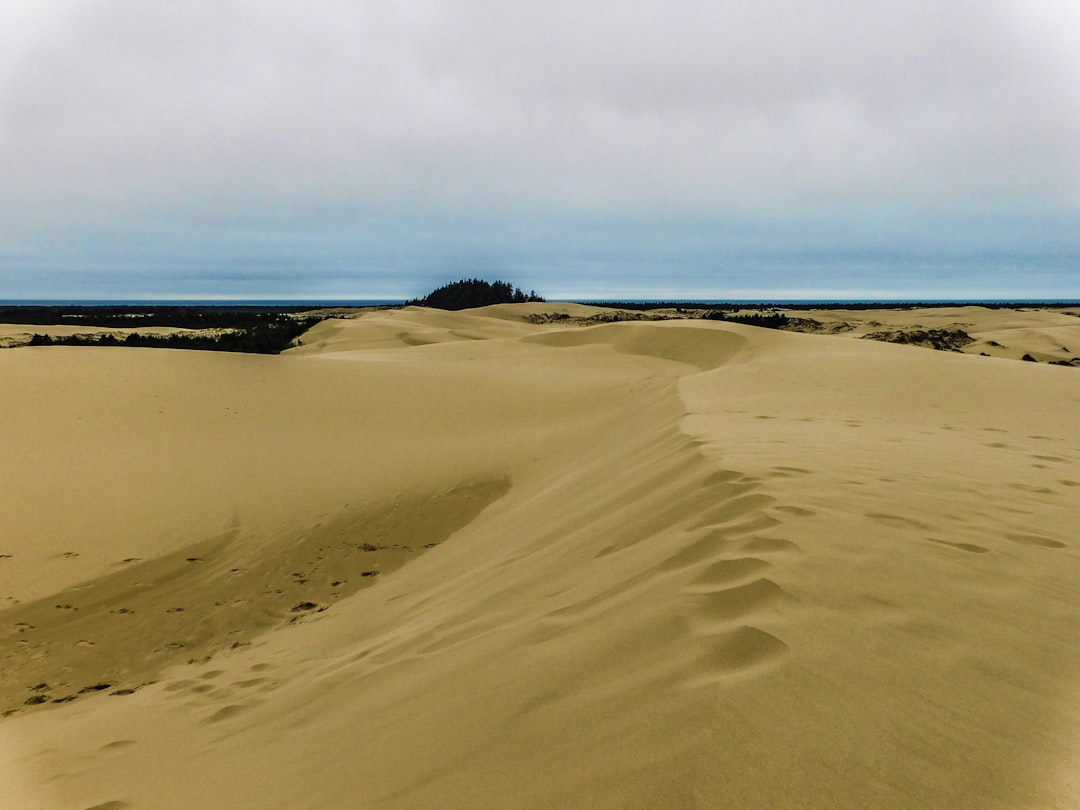
The Oregon Coast, a region renowned for its dramatic cliffs, ancient forests, and powerful ocean, harbors a less-celebrated but no less intriguing geological feature: its shifting sand deserts. These expanses of dynamic dunes, primarily concentrated in specific areas like the Oregon Dunes National Recreation Area, present a perpetually evolving landscape, a testament to the relentless interplay of wind, sand, and water. Unlike static deserts found in arid interiors, these coastal dunes are exceptionally active, their forms constantly sculpted and reshaped by the prevailing oceanic winds. This inherent mutability, coupled with unique ecological characteristics, renders them a subject of considerable scientific and ecological interest.
Aeolian Processes Shaping the Landscape
The fundamental driver behind the formation and movement of coastal dunes is the aeolian process, the action of wind. On the Oregon Coast, these winds are predominantly westerly, originating from the Pacific Ocean. As these winds sweep across the vast expanses of sand deposited along the shoreline, they pick up individual grains and transport them inland. The speed and consistency of these winds are crucial factors in the size and direction of dune migration. Lower wind speeds tend to move smaller, lighter grains, while higher speeds can transport larger, heavier particles, contributing to the formation of more substantial dune structures. The constant barrage of sand grains against existing dunes can also lead to erosion on one side and deposition on the other, perpetuating the cycle of change.
The Role of Sand Supply and Topography
The availability of sand is a prerequisite for dune formation. The Oregon Coast benefits from a continuous supply of sand, largely derived from the erosion of coastal rocks and cliffs and the breakdown of marine shells and sediments. This sand is initially deposited on beaches by wave action. Over time, as the beach dries and the wind picks up, this sand is mobilized and begins its journey inland, forming embryonic dunes. The topography of the land behind the beach also plays a significant role. Flat, low-lying areas are more conducive to the development of extensive dune fields, allowing sand to accumulate and form larger features. Conversely, areas with significant topographic barriers may limit the extent of dune formation and migration.
The Influence of Vegetation
While wind is the primary architect, vegetation plays a critical role in stabilizing and shaping dune systems. Initial pioneer species, often grasses adapted to saline conditions and nutrient-poor soils, begin to colonize the nascent dunes. Their root systems bind the sand, reducing its susceptibility to wind erosion. As vegetation establishes itself, it creates microclimates within the dunes, trapping moisture and organic matter, which in turn supports a wider range of plant life. This succession of vegetation influences the morphology of the dunes, leading to the development of different dune types, from low, mobile foredunes to larger, more stable interior dunes.
The moving sand desert of the Oregon coast, known for its unique landscape and dynamic environment, has been a subject of fascination for many nature enthusiasts and researchers alike. For those interested in exploring more about this captivating region, you can read a related article that delves into the geological processes and ecological significance of the area. To learn more, visit this article for an in-depth look at the Oregon coast’s moving sand dunes and their impact on the local ecosystem.
Types and Morphology of Oregon’s Coastal Dunes
Fore Dunes: The First Line of Defense
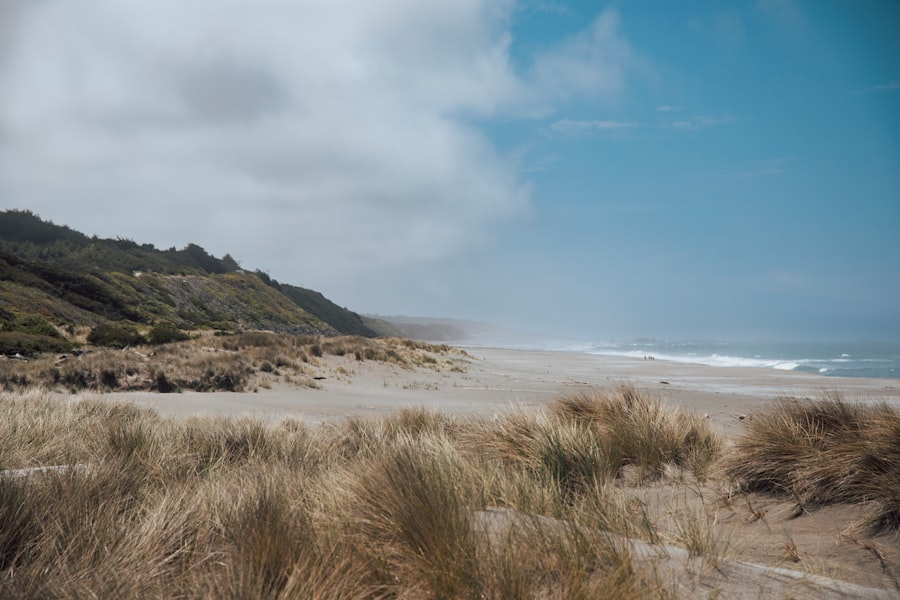
The foredunes represent the seawardmost dune system. These are typically low-lying, often hummocky formations that directly intercept the prevailing winds. They are characterized by their dynamic nature, as they are the first to experience direct wind erosion and sand deposition. The vegetation on foredunes is sparse and specialized, consisting of hardy grasses like American beachgrass ( Ammophila arenaria ) and European beachgrass ( Ammophila arundinacea ), which are highly effective at trapping sand. The continuous deposition of sand can lead to the vertical growth of foredunes, creating a somewhat stabilizing buffer zone against the ocean. However, they remain vulnerable to storm surges and extreme wave events.
Back Dunes: Developing Complexity
As sand is transported further inland from the foredunes, it begins to accumulate in the backdune area. These dunes are generally larger and more varied in morphology than foredunes. They can exhibit a range of forms, including parabolic dunes, where a horseshoe shape is formed by vegetated arms that act as anchors, preventing erosion, and transverse dunes, which are elongated ridges perpendicular to the prevailing wind direction. The increased stability afforded by denser vegetation in the backdunes allows for the development of more complex microhabitats. The presence of more established plant communities, including shrubs and even small trees in sheltered areas, contributes to further dune stabilization.
Dune Ridges and Interdunal Swales: Dynamic Topographic Features
Within larger dune fields, distinct dune ridges and interdunal swales are common. Dune ridges are linear or curvilinear accumulations of sand, often formed by the consistent action of wind moving sand in a particular direction. The crests of these ridges can be sharp and exposed, while their flanks may be more gently sloped. Interdunal swales are the depressions that lie between these ridges. These low-lying areas can be particularly important ecologically. They often retain moisture from rainfall and mist, supporting a different suite of plants and invertebrates than the drier dune crests. In some cases, these swales can even hold ephemeral ponds during wetter periods, creating temporary aquatic habitats.
The Unique Ecosystems of the Shifting Sands
Sand Adaptation and Specialized Flora
The dune environment presents significant challenges for plant life: constant wind, sandy substrate with low nutrient content, and exposure to salt spray. Consequently, the flora found in these areas is highly specialized, demonstrating remarkable adaptations for survival. Plants like the aforementioned beachgrasses have extensive root systems that can grow horizontally and vertically to anchor them in the shifting sand. They possess adaptations to reduce water loss, such as rolled leaves and waxy cuticles. Other species, like coastal lupine ( Lupinus littoralis ) and shore pine ( Pinus contorta ), have evolved to thrive in these conditions, contributing to the overall biodiversity of the dune ecosystems.
Invertebrate Life in the Dunes
Beneath the surface and within the sparse vegetation, a diverse array of invertebrates inhabits the sand dune ecosystems. These include a variety of insects, such as beetles, ants, and grasshoppers, many of which are adapted to burrowing and foraging in the sandy substrate. Spiders play a crucial role as predators, controlling insect populations. The less hospitable upper layers of sand may also host populations of small invertebrates like mites and springtails, which play a role in decomposition. The interdunal swales, with their increased moisture, can also support a broader range of invertebrates, including snails and slugs.
Avian and Mammalian Presence
While not as densely populated as forested areas, the sand dunes of the Oregon Coast do support a notable diversity of avian and mammalian life. Various shorebirds utilize the beaches and dune edges for foraging, particularly during migratory periods. Inland areas can be utilized by ground-nesting birds. Larger mammals, such as deer, may venture into the dunes to graze on grasses and shrubs, especially during less disturbed times. Smaller mammals, including various rodents that are adept at burrowing, also find refuge and sustenance within the dune environment. The open nature of the dunes also provides important hunting grounds for raptors.
Human Interaction and Conservation Concerns

Recreation and Dune Health
The Oregon Dunes National Recreation Area is a popular destination for a variety of recreational activities, including off-road vehicle (ORV) use, hiking, camping, and birdwatching. While recreation can bring economic benefits and foster appreciation for these unique landscapes, it also presents challenges. Unmanaged ORV use can lead to significant erosion, habitat destruction, and the fragmentation of dune systems. The compaction of sand by heavy vehicles can disrupt natural processes and hinder plant establishment. Careful management and designated recreation zones are crucial for mitigating these impacts.
Invasive Species and Ecological Balance
The introduction of invasive plant species is a significant concern for the health of Oregon’s coastal dunes. The European beachgrass, while contributing to dune stabilization, can outcompete native flora and alter the natural ecological balance of the dunes. Other invasive plants can also aggressively colonize dune areas, reducing biodiversity and impacting the resilience of the ecosystem. Management efforts often focus on controlling the spread of these invasive species and promoting the growth of native vegetation to restore ecological integrity.
Climate Change and Future Vulnerabilities
Climate change poses a long-term threat to coastal dune ecosystems worldwide, and Oregon’s dunes are no exception. Rising sea levels could lead to increased erosion and inundation of dune systems, particularly the foredunes. Changes in precipitation patterns and more frequent extreme weather events, such as intense storms, could also exacerbate erosion and alter the dynamics of sand movement. Understanding these potential impacts is crucial for developing effective long-term conservation strategies to protect these sensitive environments.
The moving sand desert of the Oregon coast is a fascinating natural phenomenon that attracts many visitors each year. This unique landscape, characterized by its shifting dunes and diverse ecosystems, offers a glimpse into the dynamic processes of nature. For those interested in learning more about the geological features and environmental significance of this area, you can read a related article that delves deeper into the topic. Explore the details in this informative piece to gain a better understanding of the Oregon coast’s captivating sand dunes.
The Enduring Allure of the Shifting Sands
| Aspect | Details |
|---|---|
| Location | Oregon Coast, United States |
| Size | Approximately 40 miles long and 5 miles wide |
| Formation | Formed by the accumulation of sand dunes over time |
| Vegetation | Scattered patches of grasses and shrubs |
| Wildlife | Home to various species of birds, insects, and small mammals |
| Activities | Dune buggying, sandboarding, hiking, and wildlife watching |
A Landscape in Constant Flux
The enduring appeal of Oregon’s moving sand deserts lies in their inherent dynamism. Unlike static geological formations, these dunes are a living landscape, constantly being sculpted by the forces of nature. This perpetual state of change creates a unique visual spectacle, with ever-shifting horizons and newly formed features. The sound of the wind whistling across the sand, the feel of the fine grains underfoot, and the ever-present horizon of the Pacific Ocean combine to create a sensory experience that is both powerful and humbling.
Scientific and Educational Value
Beyond their aesthetic appeal, Oregon’s coastal dunes hold significant scientific and educational value. They provide a living laboratory for studying aeolian geomorphology, plant ecology, and the adaptations of organisms to extreme environments. Researchers can observe and measure the rates of sand movement, the process of ecological succession, and the impact of various environmental factors on dune systems. Educational programs centered on these dunes can foster a deeper understanding of coastal processes and the importance of conservation.
A Testament to Nature’s Power
Ultimately, the enigmatic moving sand deserts of the Oregon Coast serve as a powerful testament to the persistent and transformative power of natural forces. They are a reminder that landscapes are not permanent, but rather are in a continuous state of evolution. The challenge lies in appreciating and understanding these dynamic environments while also ensuring their protection for future generations to observe and learn from. Their ephemeral nature does not diminish their importance; rather, it underscores the need for diligent stewardship and a nuanced understanding of their ecological fragility.
FAQs
What is the moving sand desert of the Oregon coast?
The moving sand desert of the Oregon coast is a unique natural phenomenon where a section of the coast experiences shifting sand dunes that resemble a desert landscape.
Where is the moving sand desert located on the Oregon coast?
The moving sand desert is located near the town of Florence on the central Oregon coast. It is part of the Oregon Dunes National Recreation Area.
How are the sand dunes formed in the moving sand desert?
The sand dunes in the moving sand desert are formed by a combination of wind, waves, and the presence of the nearby coastal mountains. The wind carries sand inland, and the dunes shift and change shape over time.
What activities can visitors enjoy at the moving sand desert?
Visitors to the moving sand desert can enjoy activities such as sandboarding, dune buggy rides, hiking, birdwatching, and photography. The area is also popular for camping and picnicking.
Is the moving sand desert of the Oregon coast a protected area?
Yes, the moving sand desert is part of the Oregon Dunes National Recreation Area, which is managed by the U.S. Forest Service. The area is designated for recreational use and conservation of its unique natural features.