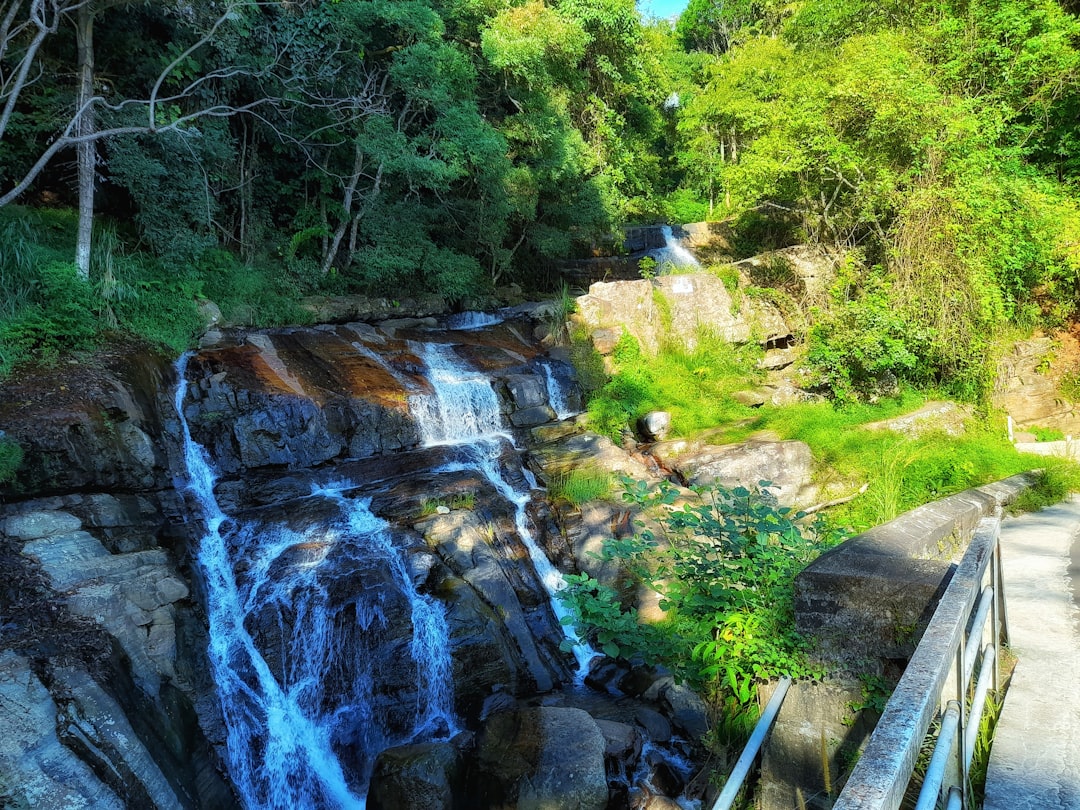
Sri Lanka boasts an incredible number of waterfalls, from towering cascades to ribbon-like streams, and this abundance is directly linked to its distinctive geography. The island’s mountainous interior, combined with a distinct wet and dry climate pattern, creates the perfect conditions for water to gather, flow, and eventually plunge, crafting these natural spectacles.
The heart of Sri Lanka is its highland plateau, a significant portion of which rises dramatically above the surrounding plains. This elevated terrain acts like a giant sponge, intercepting rainfall and channeling it downwards.
The Central Highlands: The Fountainhead
The Central Highlands, encompassing mountain ranges like the Knuckles and the Horton Plains, are the primary source of Sri Lanka’s major rivers and, consequently, its waterfalls. These areas receive high levels of precipitation throughout the year.
Elevation as a Catalyst
The sheer height of these mountains significantly influences how water behaves. As rain falls over these elevated regions, gravity naturally pulls it towards lower elevations. This gravitational pull is a fundamental force driving the formation and persistence of waterfalls.
Steep Gradients and Erosion
The steep slopes found throughout the highlands are crucial. They provide the necessary gradient for water to gain momentum and carve through the landscape. Over millennia, this constant flow and erosion have shaped the dramatic drops that characterize many waterfalls.
The Interior Highlands vs. Coastal Plains
The contrast between the high-altitude interior and the lower coastal plains is stark. This difference in elevation is what allows water to fall from significant heights. Imagine a bathtub with a sloping bottom; the water will naturally flow and cascade down the slope. Sri Lanka’s highlands create precisely this kind of dramatic incline on a grand scale.
Drainage Patterns
The drainage patterns of Sri Lanka are predominantly radial, originating from the Central Highlands and spreading outwards towards the coast. This means that rivers and streams originating in the mountains are consistently directed towards lower ground, often encountering precipitous drops.
Sri Lanka is renowned for having the highest density of waterfalls in the world, a phenomenon attributed to its unique topography and climatic conditions. The island’s mountainous terrain, combined with heavy monsoon rains, creates ideal conditions for the formation of numerous cascading waterfalls. For a deeper understanding of this natural wonder, you can read more in the article found at My Geo Quest, which explores the geographical and environmental factors contributing to Sri Lanka’s stunning waterfall landscape.
Rainfall Patterns: The Fuel for the Falls
Sri Lanka’s climate, with its distinct monsoon seasons, provides the consistent water supply needed to sustain its numerous waterfalls. Without these predictable rainfall patterns, many of the island’s cascades would be seasonal, or even dry for much of the year.
The Influence of the Monsoons
The island experiences two main monsoon seasons: the Southwest Monsoon (May to September) and the Northeast Monsoon (December to March). These periods bring substantial rainfall to different parts of the island, replenishing rivers and trickling into the numerous streams that feed waterfalls.
Southwest Monsoon Impact
The Southwest Monsoon primarily affects the southwestern parts of the island, including the Central Highlands. This period is vital for filling the reservoirs and rivers that originate in the southern and western slopes of the mountains.
Northeast Monsoon Contribution
The Northeast Monsoon, while affecting the eastern and northern parts more directly, still contributes to the overall water table and river flow that eventually nourishes waterfalls across the island, particularly those in the eastern slopes and beyond.
Year-Round Water Supply
While monsoon seasons are peak periods, Sri Lanka’s climate is such that there is some rainfall throughout the year, especially in the higher elevations. This ensures a more continuous water flow to many waterfalls, preventing them from disappearing entirely during drier spells.
Altitude and Rainfall
Higher altitudes in the Central Highlands consistently receive more rainfall than the lowlands, regardless of the specific monsoon. This microclimate effect creates perpetually moist environments that are ideal for supporting numerous streams and, in turn, waterfalls.
Geological Formations: Sculpting the Landscape
The underlying geology of Sri Lanka plays a significant role in shaping the landforms that give rise to waterfalls. The types of rock and their susceptibility to erosion determine the size and persistence of these natural features.
Rock Types and Resistance to Erosion
The island’s geological history has endowed it with various rock formations. Some are more resistant to erosion than others, creating differential weathering that leads to characteristic cliff faces and overhangs where waterfalls form.
Granite and Quartzite Formations
Much of Sri Lanka’s highland geology is composed of hard, resistant rocks like granite and quartzite. These materials form durable cliff faces that act as the dramatic backdrops for many of the island’s most impressive waterfalls. Their resilience means the landforms can withstand the erosive force of water over long periods.
Weathering and Undercutting
The constant action of water, along with physical weathering processes like freeze-thaw cycles (though less pronounced in Sri Lanka than in colder climates), gradually erodes the less resistant rock layers beneath the harder caprock of these formations. This process of undercutting creates the overhangs that are so distinctive of many waterfall plunge pools.
Fault Lines and Tectonic Activity
While not a primary driver for the abundance of waterfalls, past tectonic activity has contributed to the island’s fractured and varied topography, creating features that water can exploit for descent.
Creating Steep Drops
Fault lines can create abrupt changes in elevation, essentially pre-disposing the land to steep drops where water can accumulate and then fall. These geological discontinuities provide the initial structure for waterfall formation.
Shaping River Valleys
Tectonic shifts can also influence the general course of river valleys, guiding them towards areas with steeper gradients and thus, more potential waterfall sites.
Vegetation Cover: A Supportive Ecosystem
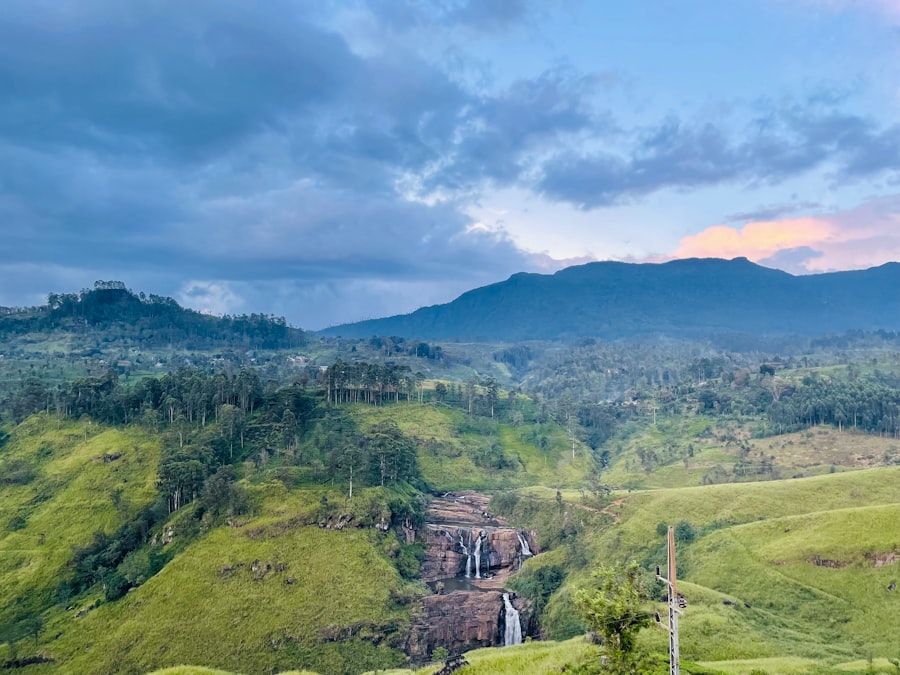
The lush vegetation that blankets much of Sri Lanka, especially in the mountainous regions, plays an unsung but important role in maintaining the abundance of its waterfalls. The forest canopy and root systems contribute to water retention and regulation.
Forest Canopy and Interception
The dense forest cover in the highlands acts like an umbrella, intercepting rainfall before it hits the ground directly. This slows down the immediate runoff, allowing for more gradual absorption into the soil.
Reduced Surface Runoff
By reducing the speed and volume of direct surface runoff, forests prevent rapid erosion and allow water to seep more effectively into the ground, replenishing groundwater reserves that feed streams.
Temporal Regulation of Water Flow
This gradual release of water from the soil and rock layers helps to sustain stream flow over longer periods, meaning that waterfalls are less likely to dry up completely during the inter-monsoon periods.
Soil Moisture and Groundwater Recharge
The extensive root systems of trees and other vegetation bind the soil together, increasing its capacity to absorb and retain water. This creates a healthier hydrological cycle.
Sustaining Base Flow
This retained moisture in the soil and underlying rock layers acts as a reservoir, providing a steady supply of water – the base flow – to rivers and streams even when there isn’t active rainfall. This base flow is critical for maintaining the persistent nature of many waterfalls.
Preventing Erosion
Healthy vegetation cover prevents the rapid erosion of banks and substrates around waterfall areas. This helps to maintain the integrity of the plunge pools and the cliff faces over time, ensuring the waterfalls remain picturesque and functional features of the landscape.
Sri Lanka is renowned for its breathtaking natural beauty, and one of its most striking features is the high density of waterfalls found throughout the island. This phenomenon can be attributed to the country’s unique topography, abundant rainfall, and diverse climate zones. For those interested in exploring this topic further, a related article provides insights into the geographical factors that contribute to Sri Lanka’s impressive waterfall count. You can read more about it in this detailed article, which delves into the various elements that make Sri Lanka a paradise for waterfall enthusiasts.
Impact of Rivers and Streams: The Network of Waterways
| Reasons for Sri Lanka’s High Waterfall Density |
|---|
| Abundant rainfall throughout the year |
| Diverse topography with steep slopes and deep valleys |
| Lush vegetation and dense forests |
| Presence of numerous rivers and streams |
| Unique geological formations |
Sri Lanka’s extensive network of rivers and streams is the direct conduit for the water that creates its waterfalls. The topography dictates how these waterways behave, leading them to the dramatic drops.
Drainage Basins and Tributaries
The island is crisscrossed by numerous river basins, each fed by a multitude of tributaries. These smaller streams originate in the highlands and converge to form larger rivers, carrying substantial volumes of water towards the sea.
High Density of Waterways
The hilly and mountainous terrain promotes a high density of small, often ephemeral, streams. Each of these has the potential to become a waterfall if it encounters a steep gradient.
Interconnected System
The interconnected nature of these waterways means that rainfall in one area can contribute to the flow of a river that subsequently plunges over a series of waterfalls further downstream.
Gradient and Flow Rate: The Dynamics of Descent
The rate at which water flows and the steepness of the land it traverses directly determine the character of a waterfall.
Steep Gradients for Plunges
Where rivers or streams encounter a sharp, steep drop in elevation – a cliff face or a series of rocky ledges – the water is forced to fall vertically or near-vertically. This is the fundamental requirement for a waterfall.
Flow Rate as a Modifier
The volume of water flowing (flow rate) modifies the appearance and power of a waterfall. High flow rates during monsoons create thunderous, wide cascades, while lower flows in drier periods might result in more delicate, ribbon-like streams. For example, during the rainy season, a stream that might be a gentle cascade in drier months can become a torrent, dramatically altering its appearance.
Conclusion: A Natural Harmony
In essence, Sri Lanka’s abundant waterfalls are not a random occurrence but a direct consequence of a fortunate confluence of geographical factors. Its elevated interior acts as a natural reservoir, its monsoonal rains provide a reliable supply, and its geological makeup and dense vegetation have sculpted and sustained the dramatic drops that allow water to express its power and beauty in such mesmerizing ways. The island’s topography is the canvas, the weather the brush, and the water the vibrant pigment.
FAQs
1. What is the reason behind Sri Lanka having the highest density of waterfalls?
Sri Lanka’s high density of waterfalls can be attributed to its unique geographical features, including its mountainous terrain and heavy rainfall. The island’s central highlands receive a significant amount of rainfall, which contributes to the formation of numerous waterfalls.
2. How many waterfalls are there in Sri Lanka?
Sri Lanka is home to over 400 recorded waterfalls, with varying heights and volumes. Some of the most famous waterfalls in Sri Lanka include Bambarakanda Falls, Diyaluma Falls, and Ravana Falls.
3. What role does the climate play in the formation of waterfalls in Sri Lanka?
Sri Lanka’s tropical climate, characterized by monsoon seasons, plays a significant role in the formation of waterfalls. The heavy rainfall during the monsoon seasons contributes to the continuous flow of water, leading to the creation and sustenance of waterfalls throughout the island.
4. Are there any specific regions in Sri Lanka known for their abundance of waterfalls?
The central highlands of Sri Lanka, including areas such as Nuwara Eliya, Ella, and Horton Plains, are known for their abundance of waterfalls. These regions are characterized by their elevated terrain and lush vegetation, providing ideal conditions for the formation of waterfalls.
5. What are some popular activities associated with visiting waterfalls in Sri Lanka?
Visiting waterfalls in Sri Lanka offers opportunities for activities such as hiking, photography, and nature exploration. Many tourists and locals alike enjoy trekking to waterfalls, swimming in natural pools, and experiencing the scenic beauty of these natural wonders.