Sri Lanka, often called the ‘Pearl of the Indian Ocean,’ has a history as rich and complex as the gems it’s famous for. But where does this evocative nickname come from, and what stories lie beneath its tranquil surface? The name isn’t just poetic; it’s deeply rooted in both the island’s geography and its historical significance as a hub of trade and culture for millennia. This article will delve into the key moments and influences that shaped Sri Lanka’s identity and earned it this descriptive moniker.
Sri Lanka’s history stretches back thousands of years, shaped by its unique island status and abundant natural resources.
The Island’s Form and Early Habitation
The teardrop shape of Sri Lanka, situated off the southeastern tip of India, has always set it apart. This geographical isolation, while fostering a distinct culture, also made it an accessible yet protected landmass for early human settlements. Archaeological evidence points to habitation dating back at least 125,000 years. These early inhabitants, likely hunter-gatherers, would have navigated a vastly different landscape, with fluctuating sea levels potentially connecting and disconnecting the island from the mainland over vast geological timescales.
Natural Portals: The Lure of Resources
From its earliest days, Sri Lanka was blessed with resources that drew people to its shores. Fertile lands supported agriculture, and its coastline provided access to the sea’s bounty.
Spices and Gemstones: Early Trade Catalysts
Perhaps the most significant natural endowments that contributed to its historical significance were its spices and gemstones. Cinnamon, in particular, was highly prized from ancient times, its aroma carrying across trade routes. Alongside this, Sri Lanka has long been a source of precious stones – sapphires, rubies, garnets, and more. These weren’t just decorative; they were commodities, objects of desire that fueled the island’s integration into global networks.
The history of Sri Lanka, often referred to as the “Pearl of the Indian Ocean,” is rich and diverse, marked by its strategic location along ancient trade routes. For an in-depth exploration of this fascinating history, you can read a related article that delves into the island’s cultural heritage and historical significance. Check it out here: My Geo Quest.
The Dawn of Kingdoms and Cultural Foundations
As settled societies emerged, Sri Lanka saw the rise of sophisticated kingdoms that laid the groundwork for its enduring cultural identity.
The Arrival of Buddhism and its Impact
The introduction of Buddhism in the 3rd century BCE marked a profound turning point. Prince Mahinda, son of the Indian Emperor Ashoka, is credited with bringing the teachings to the island. This event wasn’t merely a religious conversion; it reshaped social structures, governance, and art.
Anuradhapura: The First Great Capital
The ancient capital city of Anuradhapura became the heart of this emerging Buddhist civilization. For over a millennium, it stood as a center of learning, pilgrimage, and royal power. The monumental stupas, intricately carved Buddha statues, and advanced irrigation systems stand as testaments to the ingenuity and devotion of this era. The development of a monastic order, deeply entwined with the monarchy, created a unique cultural landscape.
The Hydraulic Civilisation: Engineering Prowess
A defining characteristic of early Sri Lankan kingdoms was their mastery of water management. The construction of vast reservoirs (tankes) and intricate canal systems allowed for sustained agriculture in drier regions.
Tanks and Canals: Sustaining Life and Kingdoms
These feats of engineering, many of which are still functional after centuries, enabled the island to support a large population and powerful monarchies. The hydraulic civilization wasn’t just about irrigation; it was about understanding the natural environment and harnessing its power for societal benefit. This capability was crucial for maintaining economic stability and fending off external threats, allowing the island’s unique culture to flourish internally.
The Crossroads of Trade: A Coveted Gem
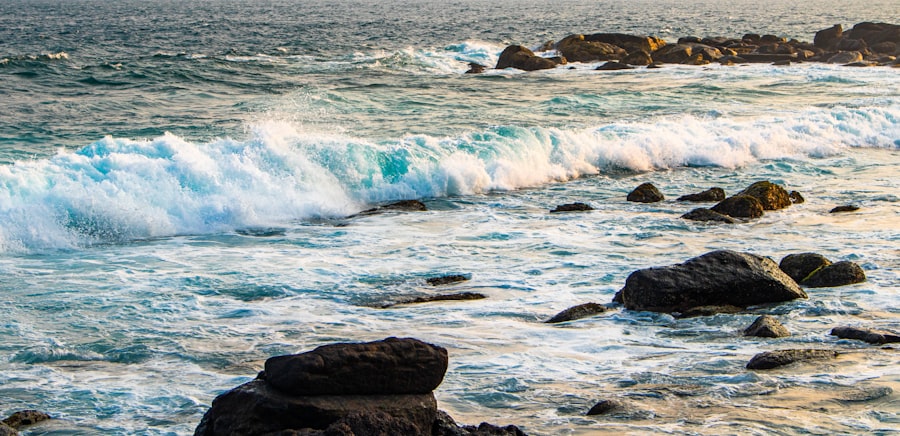
Sri Lanka’s strategic location in the Indian Ocean made it an indispensable stop for traders plying ancient sea routes.
Maritime Silk Road: Connecting Continents
The island occupied a prime position along the maritime Silk Road, a network of sea routes connecting East Asia with the Middle East and Europe. Ships from Rome, Greece, Persia, Arabia, and China regularly docked at its ports.
Port Cities and Cosmopolitan Hubs
Ancient ports like Anuradhapura, Mantai (Mahatittha), and later Colombo, became melting pots of cultures and ideas. Merchants exchanged not only goods but also knowledge, technologies, and religious practices. The influx of foreign visitors and traders left an indelible mark on the island’s social fabric and cultural traditions.
The Monsoon Winds: The Rhythm of Trade
The prevailing monsoon winds played a crucial role in facilitating this maritime trade. Traders would use the northeast monsoon to sail south and east, and then wait for the southwest monsoon to return north. Sri Lanka’s position offered a sheltered bay and vital replenishment opportunities, making it a natural resting and trading post.
Colonial Encounters and Shifting Tides
The arrival of European powers in the 16th century introduced a new chapter, marked by influence and conflict.
The Portuguese Arrival and Fortifications
The Portuguese were the first Europeans to establish a significant presence, primarily for control of the cinnamon trade. They built forts along the coast, marking the beginning of colonial rule in certain regions.
The Quest for Spices: Economic Drivers
Their primary motivation was the lucrative spice trade, particularly cinnamon. This economic drive led to attempts to monopolize production and control the flow of these valuable commodities. While their control was never absolute over the entire island, their presence solidified Sri Lanka’s importance in the minds of European powers.
Dutch and British Dominance: Consolidation of Power
Following the Portuguese, the Dutch and later the British gradually expanded their influence, eventually bringing the entire island under colonial administration.
Plantation Economy and Resource Exploitation
The British, in particular, transformed the economy with large-scale plantation agriculture – coffee, tea, and rubber became major export crops. This period saw significant changes in land ownership, labor practices, and the island’s integration into the global capitalist system. The “Pearl of the Indian Ocean” was now a vital hub within a vast colonial empire.
The history of the Pearl of the Indian Ocean, often referring to Sri Lanka, is rich and diverse, shaped by various cultures and influences over centuries. For those interested in exploring this fascinating narrative further, a related article offers insights into the island’s ancient trade routes and its significance in maritime history. You can read more about it in this detailed article, which delves into the unique heritage and the pivotal role Sri Lanka played in connecting East and West.
Towards Modernity: Independence and Identity
| Event | Date | Description |
|---|---|---|
| Ancient Civilization | Prehistoric times | Sri Lanka was inhabited by prehistoric people dating back to at least 125,000 years ago. |
| Arrival of Buddhism | 3rd century BCE | Buddhism was introduced to Sri Lanka by Mahinda, the son of the Emperor Ashoka of India. |
| Colonial Period | 16th century | Sri Lanka was colonized by the Portuguese, Dutch, and British, each leaving a lasting impact on the island’s culture and society. |
| Independence | 1948 | Sri Lanka gained independence from British rule and became a sovereign nation. |
| Civil War | 1983-2009 | Sri Lanka experienced a prolonged civil war between the government and the Tamil Tigers, resulting in significant loss of life and destruction. |
| Post-War Recovery | 2009-present | After the end of the civil war, Sri Lanka has been focused on rebuilding and reconciliation efforts to move towards a more peaceful and prosperous future. |
The path to independence and the forging of a modern nation have been shaped by the island’s multifaceted history.
The Struggle for Self-Determination
The 20th century witnessed a growing nationalist movement advocating for self-governance. This culminated in Sri Lanka gaining independence from British rule in 1948.
Building a Nation: Challenges and Aspirations
The post-independence era has been characterized by the challenges of nation-building, managing diverse ethnic and religious communities, and navigating its position in a complex geopolitical landscape. The country has grappled with internal conflicts and economic developments, all while striving to define its modern identity.
The Enduring Legacy of the ‘Pearl’
The nickname “Pearl of the Indian Ocean” persists, a reflection of the island’s enduring beauty, its rich history as a nexus of trade and culture, and its resilient spirit. It acknowledges the island’s natural bounty, its strategic value, and the multifaceted influences that have shaped its trajectory from ancient kingdoms to a contemporary nation. The “Pearl” moniker is not just about the physical beauty or the actual gemstones found there; it speaks to a long-held perception of value, desirability, and a place of significance within the vast expanse of the Indian Ocean. Its history is a testament to the island’s ability to absorb influences, adapt, and maintain a distinct character across millennia.
FAQs
What is the history of the Pearl of the Indian Ocean?
The Pearl of the Indian Ocean refers to the island nation of Sri Lanka, which has a rich history dating back over 3,000 years. It has been ruled by various kingdoms and empires, including the Anuradhapura Kingdom, the Chola Dynasty, the Kingdom of Kandy, and the Portuguese, Dutch, and British colonial powers.
What are some significant historical events in the Pearl of the Indian Ocean?
Sri Lanka has been the site of significant historical events, including the arrival of Buddhism in the 3rd century BCE, the construction of the ancient city of Anuradhapura, the establishment of the Kingdom of Kandy, and the island’s colonization by European powers.
How has the Pearl of the Indian Ocean’s history influenced its culture?
The history of Sri Lanka has greatly influenced its culture, resulting in a diverse and vibrant society with a blend of indigenous, Buddhist, Hindu, Muslim, and Christian traditions. The island’s history has also shaped its architecture, art, cuisine, and religious practices.
What are some notable historical sites in the Pearl of the Indian Ocean?
Sri Lanka is home to numerous notable historical sites, including the ancient cities of Anuradhapura and Polonnaruwa, the rock fortress of Sigiriya, the Temple of the Tooth in Kandy, and the colonial architecture of Galle Fort.
How has the Pearl of the Indian Ocean’s history impacted its modern-day identity?
The history of Sri Lanka continues to play a significant role in shaping the country’s modern-day identity, influencing its politics, social dynamics, and international relations. The island’s historical legacy also contributes to its appeal as a tourist destination.