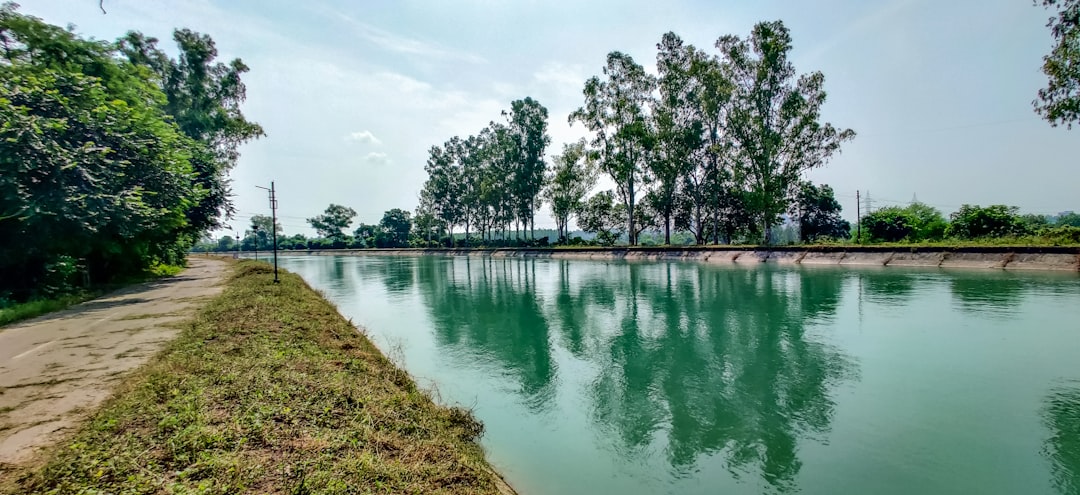
You’re probably wondering: what is the Jaya Ganga Canal, and why should I care about its engineering? In a nutshell, the Jaya Ganga Canal is a massive irrigation project in India that’s all about bringing water to arid regions. But the real story here is how they’ve managed to build it, tackling some pretty complex engineering challenges to make it all happen. It’s a testament to smart design and getting things done in a challenging environment.
Let’s get down to brass tacks. The Jaya Ganga Canal isn’t just another ditch; it’s a lifeline. Its primary purpose is to address a critical need for water in certain parts of India, particularly for agriculture.
Addressing Water Scarcity
Many regions in India face significant water stress, impacting crop yields and the livelihoods of millions. The Jaya Ganga Canal aims to reroute water from areas with surplus to those in deficit, providing a more reliable irrigation source. This isn’t about magic; it’s about strategic resource management.
Boosting Agricultural Productivity
Reliable water means better crops. By ensuring a consistent supply for irrigation, the canal is designed to help farmers increase their productivity, leading to improved food security and economic development in the region. It’s a practical solution to a fundamental problem.
Supporting Regional Development
Beyond agriculture, a steady water supply can unlock other opportunities, from supporting industrial needs to ensuring basic water availability for communities. It’s a foundational piece of infrastructure for overall regional growth.
The engineering precision involved in the Jaya Ganga Canal is a remarkable feat of modern infrastructure, showcasing advanced techniques in water management and environmental sustainability. For a deeper understanding of similar engineering projects and their impact on local ecosystems, you can explore the article on canal engineering at My Geo Quest. This resource provides valuable insights into the challenges and innovations in canal construction and maintenance.
The Engineering Backbone: Design Principles
Building something on this scale requires meticulous planning and execution. The designers of the Jaya Ganga Canal had to consider a wide range of factors to ensure its efficiency and longevity.
Gravity and Flow Management
A key principle in canal design is harnessing gravity to move water. The Jaya Ganga Canal’s gradient has been carefully calculated to ensure water flows naturally from its source to its destination without excessive reliance on pumping, which saves energy and reduces operational costs.
Minimizing Water Loss
Water is precious, especially in arid regions. The canal’s design incorporates strategies to minimize seepage and evaporation. This includes lining the canal bed and sides with appropriate materials that reduce water loss into the surrounding soil and limit surface area exposed to the sun.
Incorporating Structures for Control
It’s not just a straight channel. The canal includes various structures like regulators, gates, and escape channels. These are essential for controlling the flow, managing water levels, and diverting water to different branches or outlets as needed. They provide the necessary operational flexibility.
Tackling the Terrain: Construction Hurdles and Solutions
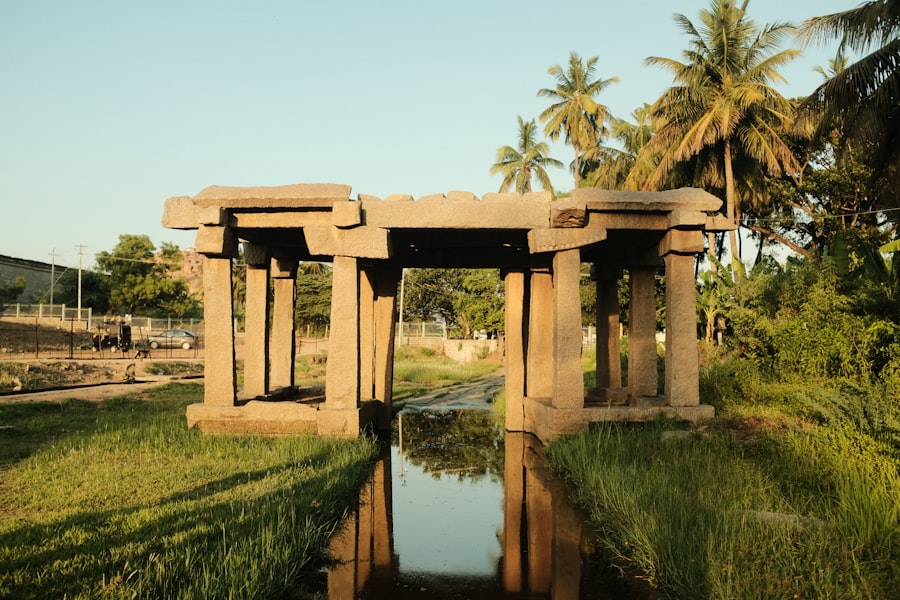
The landscape in India is diverse and often challenging. Building a canal that spans vast distances means encountering varied geological formations and topographical features.
Navigating Diverse Geologies
From solid rock to sandy soil, the canal path crosses diverse geological strata. Engineers had to conduct extensive soil and rock investigations to understand the ground conditions. This informed decisions about excavation methods, the need for stabilization, and the type of lining required for different sections.
Bridging Valleys and Crossing Rivers
The path of the canal isn’t always flat. It frequently requires crossing depressions, ravines, and even rivers. This demanded the construction of significant structures like aqueducts (to carry the canal over rivers or valleys) and bridges.
Aqueducts: Mini-Bridges for Water
Aqueducts are essentially bridges designed specifically to carry water. Their construction involves intricate structural engineering, ensuring they can withstand the weight of the water and the forces of nature. Materials and design are chosen for durability and water-tightness.
Embankments and Earthworks
In flatter areas, large embankments are often constructed to raise the canal bed or guide the water. This involves significant earthmoving operations, carefully compacting the soil to create stable and watertight structures.
Dealing with Environmental Considerations
Large infrastructure projects inevitably have environmental impacts. Engineers need to plan for mitigation.
Minimizing Habitat Disruption
Where possible, the canal’s alignment is chosen to minimize disruption to natural habitats and wildlife corridors. Where disruption is unavoidable, steps are taken to mitigate the impact, such as creating alternative crossing points for animals.
Sediment Management
Canals can accumulate sediment over time, which can reduce their carrying capacity and require maintenance. The design often includes provisions for managing sediment, such as settling basins or periodic dredging.
Advanced Techniques: Smart Engineering in Practice
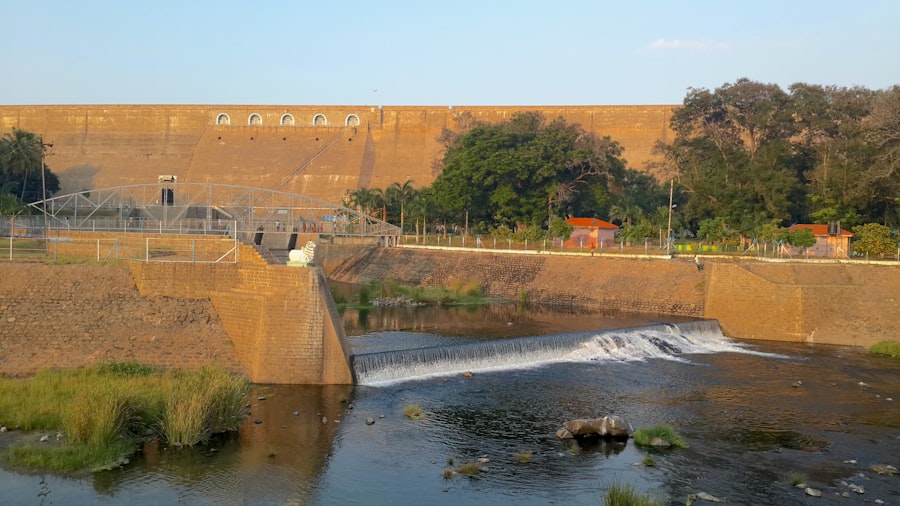
Modern engineering isn’t just about brute force; it’s about sophisticated tools and methods. The Jaya Ganga Canal likely benefited from contemporary advancements.
Geospatial Technology and Surveying
Precise surveying is fundamental. Technologies like GPS and GIS (Geographic Information Systems) play a crucial role in mapping the terrain, planning the alignment, and monitoring construction progress with very high accuracy. This ensures the gradient is as intended and minimizes errors.
Advanced Material Science
The choice of materials for lining, concrete for structures, and even the earth used for embankments is critical. Engineers rely on advancements in material science to select durable, cost-effective, and environmentally sound materials that can withstand the stresses and conditions over decades.
Water Flow Modeling and Simulation
Before construction begins, engineers often use sophisticated software to model water flow dynamics. This helps predict how the canal will behave under different conditions, optimize its capacity, and identify potential problem areas before they arise during actual operation.
The engineering precision involved in the Jaya Ganga Canal is a fascinating subject that highlights the intricate planning and execution required for such large-scale projects. For those interested in exploring more about the technical aspects and challenges faced during the construction of similar waterways, a related article can be found at this link. It provides valuable insights into the methodologies and innovations that have shaped modern canal engineering.
Operation and Maintenance: Keeping the Flow Going
| Metrics | Data |
|---|---|
| Length of Jaya Ganga Canal | Approximately 1,100 kilometers |
| Engineering Precision | Utilizes advanced surveying and construction techniques to maintain precise water flow |
| Capacity | Designed to carry large volumes of water for irrigation and drinking purposes |
| Impact | Significantly contributes to agricultural productivity and water supply in the region |
A canal’s engineering precision extends beyond its initial construction. Ongoing operation and maintenance are crucial for its long-term effectiveness.
Regular Inspections and Monitoring
Continuous monitoring of the canal’s condition is essential. This includes regular visual inspections for cracks, erosion, or blockages, as well as structural health monitoring using sensors in critical areas.
De-silting and Desilting Operations
As mentioned, sediment build-up is a reality. Scheduled de-silting operations are necessary to remove accumulated silt and maintain the canal’s designed water-carrying capacity. This is a routine but vital part of keeping the system working.
Repair and Rehabilitation
Over time, even the best-engineered structures can require repairs. Having a plan and resources for timely repair and rehabilitation ensures the canal remains functional and safe throughout its intended lifespan. Damage from floods or geological shifts needs prompt attention.
Water Distribution Management
The actual distribution of water through the canal network, including its branches and outlets, requires careful management to ensure equitable and efficient allocation to farmers and other users. This involves hydraulic control systems and trained personnel.
The Jaya Ganga Canal: A Legacy of Precision
The Jaya Ganga Canal stands as a significant engineering achievement. It’s a project that highlights how careful planning, innovative solutions, and a deep understanding of hydrological principles can transform landscapes and improve lives. It’s not just about moving water; it’s about intelligent application of engineering to solve real-world problems.
FAQs
What is the Jaya Ganga Canal?
The Jaya Ganga Canal is a 109 km long canal in northern India, which was constructed to divert water from the Ganges River to irrigate the agricultural fields in the region.
When was the Jaya Ganga Canal constructed?
The construction of the Jaya Ganga Canal began in 1977 and was completed in 1982. It was a significant engineering project aimed at improving irrigation and water supply in the region.
What engineering precision was involved in the construction of the Jaya Ganga Canal?
The construction of the Jaya Ganga Canal involved precise surveying, planning, and execution of the canal’s alignment, gradient, and cross-sectional dimensions to ensure efficient water flow and minimal loss of water through seepage or evaporation.
What are the benefits of the Jaya Ganga Canal?
The Jaya Ganga Canal has significantly improved the irrigation facilities in the region, leading to increased agricultural productivity and improved livelihoods for the local population. It has also helped in controlling floods and providing a reliable source of water for domestic and industrial use.
Are there any environmental impacts of the Jaya Ganga Canal?
The construction of the Jaya Ganga Canal has led to some environmental impacts, such as changes in the flow of the Ganges River and potential disruption of local ecosystems. Efforts have been made to mitigate these impacts through environmental management and conservation measures.