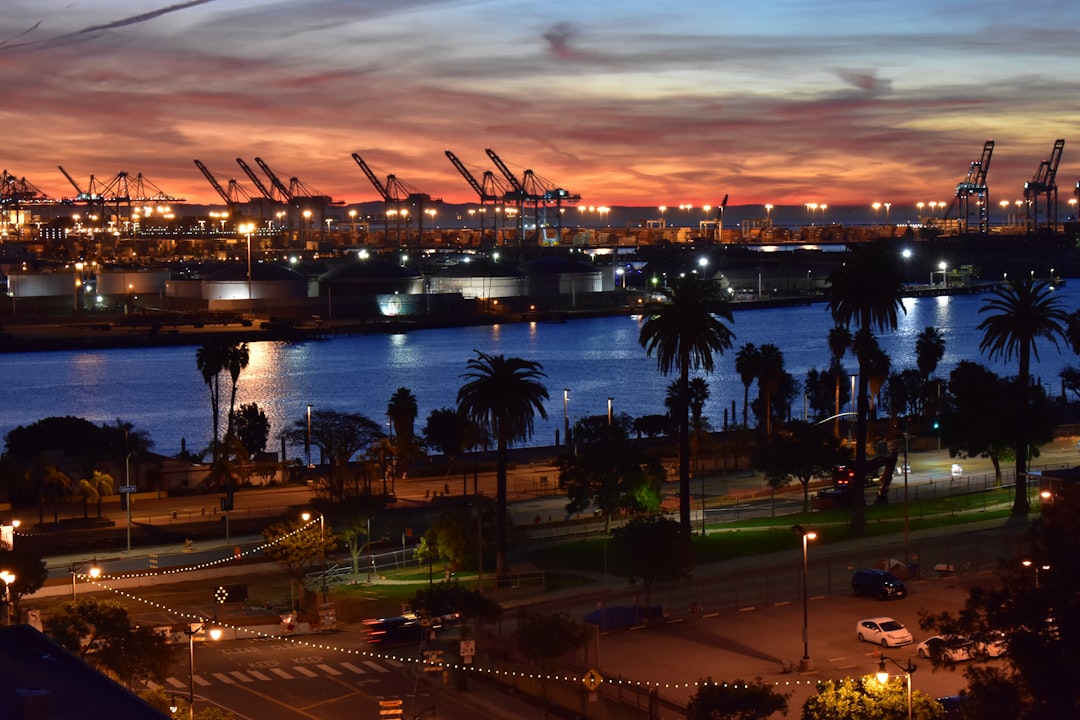
Understanding the systemic vulnerabilities of maritime trade routes is crucial for anyone involved in or impacted by global commerce. In a nutshell, these routes are susceptible due to their reliance on concentrated chokepoints, the sheer scale of the vessels involved, the interconnectedness of global supply chains, and the ever-present risks of geopolitical instability and environmental factors. Addressing these vulnerabilities requires a multi-faceted approach, focusing on resilience, diversification, and enhanced security.
Maritime trade routes are not uniform ribbons of open water. Instead, they are heavily reliant on a limited number of geographically constrained areas. These are the chokepoints, and their strategic importance also makes them prime targets for disruption.
Defining Maritime Chokepoints
- Straits and Canals: Think of the Strait of Hormuz, the Suez Canal, the Panama Canal, or the Strait of Malacca. These are narrow waterways where nearly all maritime traffic must pass. Their limited capacity means any incident can have cascading effects.
- Bays andGulfs: Certain gulfs, like the Persian Gulf, serve as critical transit areas for vast quantities of oil and other commodities. While wider than straits, their enclosed nature and proximity to sensitive regions create inherent risks.
- Archipelagic Sea Lanes: Passages between island chains, such as those in Southeast Asia, can also become chokepoints if alternative routes are significantly longer or more dangerous.
The Impact of Disruption
- Economic Fallout: A blockage at a major chokepoint can instantly halt the flow of goods, leading to immediate price spikes for commodities like oil and impacting manufacturing worldwide. The Suez Canal incident in 2021 is a stark reminder of this.
- Supply Chain Ripple Effects: The delay of a single large vessel can have downstream consequences, affecting the production schedules of industries reliant on those specific components or raw materials.
- Geopolitical Leverage: Control or disruption of these chokepoints gives significant leverage to states or non-state actors operating in those areas.
The systemic vulnerability of maritime trade routes has become an increasingly pressing issue in global logistics and security. A related article that delves into this topic is available on MyGeoQuest, where it discusses the various factors contributing to the fragility of these vital trade arteries. For more insights, you can read the article here: Maritime Trade Routes and Their Vulnerabilities.
Scale and Interdependence: The Double-Edged Sword of Modern Shipping
The vast size of modern container ships and tankers, while enabling economies of scale, also creates significant vulnerabilities. This scale is intrinsically linked to the intricate interdependence of global supply chains.
The “Too Big to Fail” Phenomenon
- Mega-Ships: Today’s container ships can carry tens of thousands of TEUs (twenty-foot equivalent units). This concentration of cargo on a single vessel means an incident involving one ship can represent a substantial portion of annual trade for certain goods.
- Limited Infrastructure: The sheer size of these vessels requires specialized port infrastructure capable of handling them. A disruption at a port due to weather, strikes, or damage can significantly impede the unloading and distribution of goods.
- Single Points of Failure: While efficient for moving large volumes, this concentration means a single event affecting a mega-ship or its handling can become a significant bottleneck.
The Unraveling of Interconnectedness
- Just-In-Time (JIT) Logistics: Many modern supply chains operate on JIT principles, minimizing inventory and relying on timely deliveries. This makes them exceptionally vulnerable to any delay or disruption in the transit of goods.
- Globalized Production: Components for a single product, like a smartphone or automobile, can originate from dozens of countries. A disruption at any point in this complex web can halt production elsewhere.
- Information Flow: While technology enables seamless tracking and management, it also creates a reliance on continuous data flow. Disruptions in communication or cybersecurity can blind an entire supply chain.
Geopolitical Tensions and Piracy: Human Factors of Instability
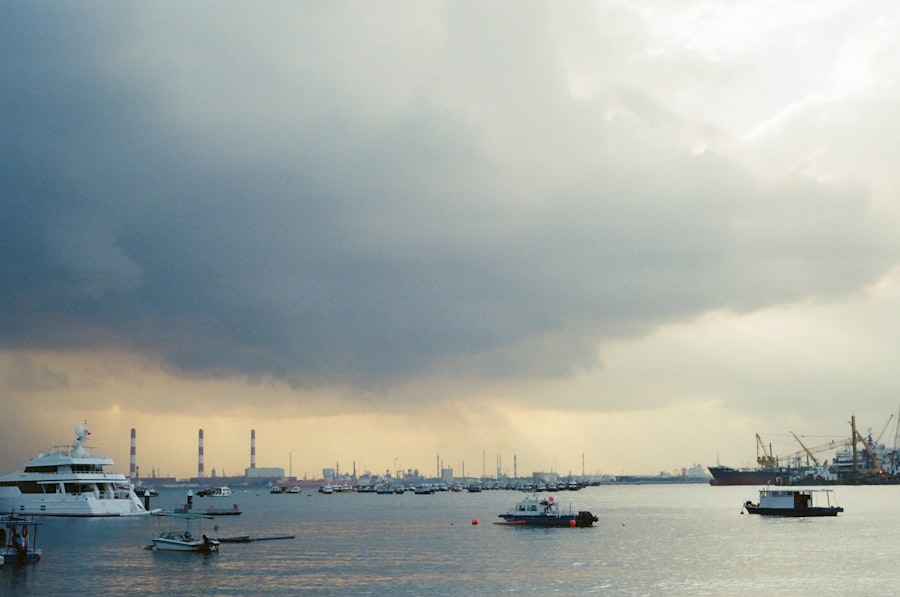
The human element, unfortunately, plays a significant role in the systemic vulnerability of maritime trade. Geopolitical rivalries and acts of piracy can directly target and disrupt these vital arteries of commerce.
State-Sponsored Threats and Conflicts
- Naval Blockades and Interdiction: During times of conflict, nations may use their naval power to blockade or interdict ships transiting certain waters. This can be a deliberate tactic to cripple an adversary’s economy.
- Mine Warfare: The laying of naval mines in shipping lanes poses a persistent and indiscriminate threat. Detecting and clearing mines is a costly and time-consuming process.
- Missile and Drone Attacks: As seen in recent conflicts, the ability to launch missile or drone attacks against vessels in contested waters presents a growing challenge to maritime security.
Piracy and Armed Robbery at Sea
- Persisting Threat: Despite efforts, piracy remains a significant concern in certain regions, particularly off the coast of West Africa and in parts of Southeast Asia.
- Economic Impact: Piracy leads to increased insurance premiums, the cost of security escorts, and delays due to the risk of boarding. It can also disrupt the flow of goods to and from affected ports.
- Humanitarian Concerns: Beyond the economic impact, piracy is a direct threat to the lives and safety of seafarers.
Environmental and Natural Disasters: The Unpredictable Shocks

While human actions are often highlighted, the natural world also poses significant and often unpredictable vulnerabilities to maritime trade routes.
Weather Phenomena and Climate Change
- Extreme Weather Events: Increasingly frequent and intense hurricanes, typhoons, and storms can force the rerouting of vessels, cause delays, and even lead to loss of life and cargo.
- Sea Level Rise: In the long term, rising sea levels threaten port infrastructure and navigability in some coastal areas and river systems.
- Ocean Acidification and Temperature Changes: While not a direct threat to transit, these broader environmental shifts can impact marine ecosystems that may indirectly affect shipping through changes in marine life or the stability of coastal regions.
Natural Disasters
- Earthquakes and Tsunamis: Earthquakes can generate tsunamis that devastate port facilities and shipping infrastructure.
- Volcanic Eruptions: Ash clouds from volcanic eruptions can grounded aircraft and impact visibility for ships, though less commonly a direct threat to maritime passage itself.
- Ice Formations: While the Arctic is opening up, unexpected or unseasonal ice formations can still pose a significant risk to navigation in northern latitudes.
The systemic vulnerability of maritime trade routes has become an increasingly pressing issue in today’s global economy, as disruptions can lead to significant economic repercussions worldwide. A recent article explores various factors contributing to these vulnerabilities, including geopolitical tensions and environmental challenges. For a deeper understanding of this topic, you can read more in this insightful piece on maritime trade dynamics found here.
Mitigation and Resilience: Building a More Robust Maritime Future
| Maritime Trade Route | Vulnerability | Impact |
|---|---|---|
| Suez Canal | High | Disruption affects global trade |
| Strait of Hormuz | High | Key route for oil transportation |
| Malacca Strait | Medium | Important for trade between Asia and the Middle East |
| Panama Canal | Low | Alternative routes available |
Recognizing these vulnerabilities is the first step. The next is to develop and implement strategies that build resilience and enhance security within maritime trade systems.
Enhancing Security Measures
- International Cooperation: Strengthened collaboration between navies, coast guards, and international organizations is vital for coordinated patrols and intelligence sharing to combat piracy and state-sponsored threats.
- Technological Solutions: Investing in advanced surveillance, cyber-security for maritime communication systems, and improved vessel tracking technologies are crucial.
- Private Security: The use of armed security personnel on vessels operating in high-risk areas has become a necessary, albeit controversial, measure.
Diversification and Redundancy
- Multiple Routes: Encouraging the use and development of alternative shipping lanes, where feasible, can reduce reliance on single chokepoints.
- Port Infrastructure: Investing in multiple, geographically dispersed ports and improving their capacity can mitigate the impact of a localized disruption.
- Supply Chain Flexibility: Businesses are increasingly exploring ways to build more flexibility into their supply chains, potentially by holding strategic reserves of critical components or diversifying their supplier base geographically.
Technological Innovation and Infrastructure Upgrades
- Smart Ports: Implementing smart technologies in ports can improve efficiency, reduce turnaround times, and enhance security.
- Autonomous Shipping: While still in development, fully autonomous shipping could eventually offer new operational efficiencies and, potentially, enhanced safety in certain conditions.
- Infrastructure Resilience: Investing in making port infrastructure and navigational aids more resilient to extreme weather and natural disasters is a long-term necessity.
Information Sharing and Intelligence
- Real-time Monitoring: Utilizing advanced data analytics and real-time monitoring of weather patterns, geopolitical hotspots, and vessel positions allows for quicker responses to potential disruptions.
- Threat Assessment: Continuous and accurate threat assessments, shared proactively among stakeholders, are fundamental to effective risk management.
- Cybersecurity Protocols: Developing and enforcing robust cybersecurity protocols across the entire maritime ecosystem is paramount to prevent digital disruptions.
The systemic vulnerabilities of maritime trade routes are complex and interconnected. Addressing them requires a sustained, cooperative effort involving governments, industry, and technological innovators. Building a more resilient maritime future is not just an economic imperative; it’s essential for global stability.
FAQs
What are maritime trade routes?
Maritime trade routes are the pathways on the oceans and seas that are used by ships to transport goods and commodities between different countries and regions.
What is systemic vulnerability of maritime trade routes?
Systemic vulnerability of maritime trade routes refers to the potential risks and threats that can disrupt or impact the smooth flow of goods and trade along these routes. This can include factors such as geopolitical tensions, piracy, natural disasters, and infrastructure vulnerabilities.
What are some examples of systemic vulnerabilities in maritime trade routes?
Examples of systemic vulnerabilities in maritime trade routes include the Strait of Hormuz, which is a critical chokepoint for oil shipments; the South China Sea, where territorial disputes and military tensions can disrupt trade; and the Suez Canal, which is susceptible to blockages and closures.
How does systemic vulnerability of maritime trade routes impact global trade?
Systemic vulnerability of maritime trade routes can impact global trade by causing delays in shipments, increasing transportation costs, and creating uncertainty for businesses and markets. It can also lead to disruptions in the supply chain and affect the availability and prices of goods.
What measures are being taken to address the systemic vulnerability of maritime trade routes?
Measures to address the systemic vulnerability of maritime trade routes include international cooperation on security and navigation, investments in infrastructure and technology to improve safety and efficiency, and the development of alternative routes and transportation modes to reduce reliance on vulnerable pathways.