
Manhattan Lite: Trapping Jersey City and Hoboken
The shimmering skyline of Manhattan, a global icon of commerce, culture, and aspiration, has long cast a formidable shadow. For residents of its neighboring New Jersey cities, particularly Jersey City and Hoboken, this proximity has presented a unique set of challenges and opportunities. While offering the undeniable allure of proximity to a world-class metropolis, it has also fostered a dynamic that can be described as “Manhattan Lite” – a state where these vibrant urban centers are intrinsically linked to, and often defined by, their larger, more famous across-the-Hudson counterpart. This relationship, however, is not one of simple admiration; it is a complex interplay of economic forces, suburban aspirations, and an evolving urban identity that can feel akin to being perpetually trapped in a desirable orbit.
The term “Manhattan Lite” suggests a filtered experience, one that offers a taste of the Manhattan lifestyle without the full inundation of its costs, pace, or complexities. It implies a deliberate positioning, both by the cities themselves and by the individuals who choose to reside within them, to leverage the advantages of Manhattan while attempting to mitigate its disadvantages. This has led to a distinct urban character, one that is both aspirational and, at times, constrained by the gravitational pull of the New York City.
The allure of Manhattan has always been potent. Its global financial markets, its unparalleled arts and entertainment scene, its diverse culinary offerings, and its sheer energy have drawn millions throughout history. For those living in Jersey City and Hoboken, a mere ferry ride or PATH train journey away, this proximity represented an attainable access to a lifestyle that might otherwise be geographically out of reach. The question then becomes: what is the nature of this access, and what are its consequences for the development and identity of these New Jersey municipalities?
Jersey City and Hoboken, by virtue of their location, are irrevocably tied to Manhattan’s economic prosperity. The availability of high-paying jobs within Manhattan’s financial districts, tech hubs, and corporate offices acts as a powerful economic magnet, drawing residents who seek professional advancement and financial security. This creates a symbiotic relationship, where the New Jersey cities serve as a dormitory and a lifestyle alternative for a significant segment of Manhattan’s workforce.
Commuting as a Defining Lifestyle
The daily commute is not merely a logistical exercise; it has become a defining characteristic of life in Jersey City and Hoboken. The PATH train, a vital artery connecting these cities to Manhattan, operates at peak capacity during rush hours, a testament to the daily migration of thousands. This constant influx and outflow of people shapes the rhythm of these cities, influencing transit infrastructure, housing demand, and even the types of businesses that thrive.
The Sub-Urbanization of Urban Life
Many who choose to live in Jersey City and Hoboken do so with an implicit understanding of their connection to Manhattan. This often translates into a desire for a slightly more relaxed pace of life, more affordable (though increasingly less so) housing options, and the perception of more available green space, all while maintaining convenient access to the “main event.” This can be viewed as a form of “sub-urbanization” of urban living, where the core urban experience is desired, but with a buffer against its most intense pressures.
The Economic Ripple Effect
The economic health of Manhattan directly impacts the economic trajectories of Jersey City and Hoboken. When Manhattan’s job market flourishes, demand for housing and services in the neighboring cities increases, driving up property values and rents. Conversely, economic downturns in Manhattan can lead to a ripple effect, impacting employment and real estate markets across the river. This dependence, while beneficial during boom times, creates a vulnerability that cannot be ignored.
The Rise of Corporate Relocation and Satellite Offices
Beyond individual commuters, Manhattan’s economic influence extends to corporate decision-making. Businesses, seeking to capitalize on the skilled workforce available in the greater New York metropolitan area while potentially reducing operational costs compared to prime Manhattan real estate, have increasingly established satellite offices or relocated entirely to Jersey City and Hoboken. This trend further solidifies the economic link, transforming these cities into integral parts of the broader financial and commercial landscape.
Diversification of the Job Market
The influx of corporate tenants has led to a diversification of the job market within Jersey City and Hoboken. While finance and tech remain dominant, the presence of these companies has also spurred growth in related sectors such as legal services, consulting, and administrative support. This offers residents a broader range of employment opportunities without the necessity of a daily cross-river commute.
The “Walkable Workplace” Appeal
For many who work in these relocated or satellite offices, Jersey City and Hoboken offer a “walkable workplace” lifestyle, a component often highly valued by urban professionals. This allows for a more integrated daily experience, blurring the lines between work and personal life in a way that is often difficult to achieve with a longer, more arduous commute into Manhattan.
If you’re interested in learning more about effective pest control solutions in urban areas, you might find the article on Manhattan Lite traps particularly insightful. This innovative approach has been gaining attention in cities like Jersey City and Hoboken, where managing rodent populations is crucial. For more detailed information, you can read the article here: Manhattan Lite Traps in Urban Areas.
The Gentrification Equation: Affordability as a Fleeting Illusion
The constant demand for housing, fueled by Manhattan’s exorbitant real estate prices, has inevitably led to significant gentrification in Jersey City and Hoboken. What were once considered more affordable alternatives are rapidly transforming, pricing out long-term residents and altering the demographic and cultural fabric of these communities. The “Manhattan Lite” proposition, therefore, is increasingly becoming a paradox, where the very affordability that attracted many is steadily eroding.
The Escalation of Housing Costs
The most visible symptom of this gentrification is the dramatic increase in housing costs. Rents and property values in desirable neighborhoods of both cities have skyrocketed, mirroring trends seen in Brooklyn and Queens. This phenomenon is a direct consequence of the sustained demand from those seeking to escape Manhattan’s even higher price points.
The “Good Deal” Mirage
For many years, Jersey City and Hoboken were perceived as offering a significantly better “deal” for comparable living spaces. This perception, while once accurate, is now largely a mirage. The premium for proximity has narrowed considerably, and in some cases, certain neighborhoods in New Jersey may now command similar or even higher prices than some parts of Manhattan.
The Displacement of Established Communities
The rapid ascent of housing prices has led to the displacement of long-term residents, many of whom have called these cities home for generations. The cultural institutions, local businesses, and community bonds that define these neighborhoods are under pressure, giving way to new developments catering to a different demographic.
The Development Boom and Shifting Urban Landscapes
Both Jersey City and Hoboken have experienced a significant development boom in recent decades. Modern apartment complexes, luxury condominiums, and upscale retail spaces have reshaped their skylines and streetscapes. While this development brings new amenities and economic activity, it also contributes to the erasure of existing architectural styles and the homogenization of urban environments.
The “Brand Name” Appeal of New Developments
New residential developments often market themselves with an emphasis on their proximity to Manhattan and the lifestyle associated with it. This “brand name” appeal further drives demand and entrenches the notion that living in these cities is an extension of the Manhattan experience, a premium lifestyle choice.
The Loss of Local Character
As older buildings are demolished and new, often uniform, structures are erected, there is a palpable loss of local character. The unique histories and architectural nuances that once distinguished neighborhoods are increasingly subsumed by a generic modern aesthetic, contributing to the feeling of being a bedroom community rather than a distinct urban entity with its own identity.
The “Manhattan Lite” Identity: Aspirations vs. Authenticity
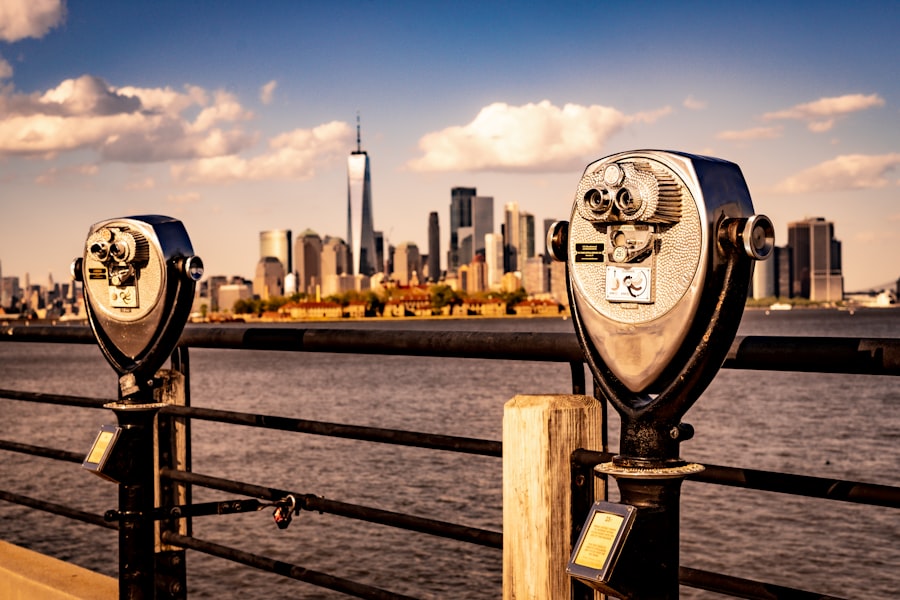
The concept of “Manhattan Lite” implies a conscious adoption of aspects of Manhattan’s identity. This manifests in various ways, from the types of businesses that open to the aspirations of residents. However, this pursuit of a borrowed identity can sometimes overshadow the development of a truly authentic and distinct urban character for Jersey City and Hoboken.
Emulation of Manhattan’s Cultural Offerings
Jersey City and Hoboken have actively sought to emulate Manhattan’s cultural offerings. This includes the development of art galleries, performance spaces, and a vibrant restaurant and bar scene that aims to rival its cross-river counterpart. The intention is to provide residents with a rich cultural life close to home, reducing the need for constant excursions into Manhattan for entertainment.
The “Foodie” Paradise Paradox
Both cities have cultivated strong reputations as culinary destinations, attracting a diverse range of restaurants and chefs. While this offers residents and visitors alike excellent dining options, it also contributes to the perception that these cities are merely extensions of Manhattan’s gastronomic scene, rather than having their own unique culinary heritage.
The Challenge of Cultivating Independent Arts
While there are burgeoning arts scenes in both cities, the towering presence of Manhattan’s world-renowned museums and theaters can make it challenging for local artists and institutions to gain significant traction and recognition. The gravitational pull of established art hubs often overshadows emerging talent.
The Cultivation of a “Young Professional” Demographic
The influx of young professionals, drawn by career opportunities and the allure of urban living, has significantly shaped the demographic and social landscape of Jersey City and Hoboken. This demographic often seeks amenities and lifestyle choices that align with those found in Manhattan, further reinforcing the “Manhattan Lite” identity.
The Standardized Amenities Race
To attract and retain this demographic, developers and businesses often focus on providing standardized amenities: rooftop bars, co-working spaces, artisanal coffee shops, and craft breweries. While these offerings are popular, they can contribute to a sense of sameness across urban centers, diminishing unique local flavors.
The Economic Homogenization
As similar businesses and brands cater to the same demographic in both Jersey City and Hoboken, an economic homogenization can occur. This can lead to a reduction in the diversity of local businesses and a dependency on national or international trends, further blurring the lines between these cities and their more prominent neighbor.
The Infrastructure Strain: Supporting an Extended Metropolis
The burgeoning populations and economic activity in Jersey City and Hoboken place significant strain on their existing infrastructure. While these cities have historically benefited from their proximity to Manhattan’s vast infrastructure networks, they are increasingly grappling with the challenges of supporting their own growth as independent, albeit connected, urban centers.
Transportation Networks Under Pressure
The PATH train, the primary link to Manhattan, is often overcrowded during peak hours, highlighting the need for expanded capacity or alternative transportation solutions. Roadways also experience congestion, particularly during commuting times, as residents navigate their daily lives within and between these cities.
The Reliance on External Transit Systems
The heavy reliance on the PATH train system, an extension of the Port Authority’s network, means that capacity and service improvements are often dependent on decisions made at a regional, rather than a purely municipal, level. This can create a lag in addressing local transit needs.
The Quest for Local Transit Solutions
While inter-city transit remains crucial, there is a growing need for robust local transit within Jersey City and Hoboken to ease internal traffic and enhance connectivity between neighborhoods. This includes investing in light rail, bus rapid transit, and improved pedestrian and cycling infrastructure.
Utility Services and Public Amenities
The increasing population density also puts pressure on utility services, such as water, sewage, and power. Furthermore, the demand for public amenities, including parks, schools, and recreational facilities, outstrips the current supply in many areas, leading to increased competition for limited resources.
The Challenge of Expanding Public Services
Expanding public services to meet the needs of a growing population requires significant investment and long-term planning. This can be a challenge for municipalities that are also grappling with rising property taxes and the need to balance development with preserving existing community character.
The Balancing Act of Development and Quality of Life
Municipalities face a delicate balancing act: encouraging development to increase tax revenue and attract new residents, while simultaneously ensuring that this growth does not negatively impact the quality of life for existing residents through overburdened services and a diminished sense of community.
In recent discussions about urban pest control, the effectiveness of Manhattan Lite traps has gained attention, particularly in areas like Jersey City and Hoboken. These innovative traps are designed to reduce rodent populations while minimizing environmental impact. For those interested in learning more about the benefits and implementation of these traps, a related article can be found here: exploring urban pest management solutions. This resource provides valuable insights into how communities can tackle pest issues more sustainably.
The Search for a Distinct Identity: Beyond the Shadow
| Location | Number of traps |
|---|---|
| Manhattan | 15 |
| Jersey City | 10 |
| Hoboken | 8 |
The fundamental question for Jersey City and Hoboken is whether they can fully emerge from Manhattan’s shadow and cultivate a unique and self-sufficient urban identity. While the economic and cultural ties remain undeniable, a conscious effort is needed to foster distinct characteristics that resonate with their own residents and the broader region.
Fostering Local Pride and Engagement
Building a strong sense of local pride and encouraging active civic engagement are crucial steps. This involves celebrating local history, supporting local businesses, and creating spaces and opportunities for residents to connect and identify with their own cities, independent of their relationship with Manhattan.
The Importance of Cultural Anchors
The development and support of unique cultural institutions, community events, and local traditions can serve as powerful anchors, defining the character of these cities and providing residents with reasons to celebrate their own locales.
Empowering Grassroots Initiatives
Encouraging and supporting grassroots initiatives, from neighborhood associations to local arts collectives, can foster a sense of ownership and pride, allowing for the organic development of authentic urban experiences.
Strategic Planning for Independent Growth
Moving beyond the “Manhattan Lite” model requires strategic planning that prioritizes independent growth and diversification. This means identifying and nurturing unique economic sectors that are not solely dependent on Manhattan’s economy, and investing in infrastructure and amenities that serve the needs of local residents.
Diversifying Economic Opportunities
Actively seeking to attract and develop industries that are distinct from those that dominate Manhattan can create a more resilient and self-sufficient economy, reducing the vulnerability associated with being an economic appendage.
Investing in Local Infrastructure Beyond Commuting
While efficient commuting to Manhattan remains important, long-term investment in local infrastructure – including public transportation within the cities, recreational facilities, and educational institutions – is essential for fostering a truly independent urban environment.
The dynamic between Manhattan, Jersey City, and Hoboken is a compelling case study in urban symbiosis and the challenges of developing independent identities within the powerful orbit of a global metropolis. While the allure of “Manhattan Lite” has driven growth and prosperity, the future sustainability and distinctiveness of these New Jersey cities will depend on their ability to harness their strengths, foster authentic local character, and strategically plan for a future that is not solely defined by their proximity to their eminent neighbor. The path forward requires a conscious evolution from being mere extensions of Manhattan to becoming vibrant, self-defined urban centers in their own right.
FAQs
What are Manhattan Lite traps?
Manhattan Lite traps are devices used to capture and eliminate pests such as insects and rodents in urban environments. They are designed to be discreet and effective in high-traffic areas.
How are Manhattan Lite traps different from traditional traps?
Manhattan Lite traps are designed to be more aesthetically pleasing and less obtrusive than traditional traps. They are often used in urban settings where appearance is important, such as in restaurants, hotels, and residential buildings.
Where are Manhattan Lite traps commonly used?
Manhattan Lite traps are commonly used in urban areas such as Manhattan, Jersey City, and Hoboken. They are often found in commercial and residential buildings, as well as outdoor public spaces.
What pests can Manhattan Lite traps capture?
Manhattan Lite traps are effective at capturing a variety of pests, including insects like cockroaches and ants, as well as rodents like mice and rats. They are designed to be versatile and adaptable to different pest control needs.
Are Manhattan Lite traps safe for use in urban environments?
Yes, Manhattan Lite traps are designed to be safe for use in urban environments. They are constructed with materials and mechanisms that are safe for humans and pets, and they are designed to be tamper-resistant to prevent accidental exposure.