
Honolulu’s Housing Market: A Tide of Acquisitions and Empty Spaces
Honolulu, a city synonymous with breathtaking beaches and vibrant island life, is experiencing a profound shift within its housing sector. The allure of paradise, it appears, has attracted a surge of external interest, leading to a curious paradox: an increasing number of vacant homes juxtaposed against a robust market for acquisitions. This phenomenon is reshaping the very fabric of the community, prompting questions about affordability, accessibility, and the long-term implications for its residents. The narrative is not one of celebratory property sales, but rather a complex interplay of investment, displacement, and the creeping reality of empty structures in a place many consider the ultimate destination.
The sight of vacant homes scattered across Honolulu’s neighborhoods, from the manicured gardens of Kapalama to the bustling streets of Waikiki, is becoming increasingly common. These properties, often well-maintained and situated in prime locations, represent a significant economic and social disconnect. While the reasons for their emptiness are multifaceted, their presence contributes to a growing unease among those who call Honolulu home. The stark contrast between these silent abodes and the pressing need for housing is a palpable issue.
What Constitutes a Vacant Home?
Defining “vacant” in this context is crucial. It generally refers to residential properties that are not occupied by their legal owners or tenants, and which are not actively being used as primary residences. This can include properties held for investment purposes, second homes intended for infrequent use, or even residences awaiting renovation or sale but remaining unoccupied for extended periods. Excluded from this definition are properties undergoing primary residence construction or those temporarily vacant due to owner absence for a short duration, such as extended travel. The focus here lies on dwellings that are demonstrably not part of the active housing stock, contributing to the overall supply of available living spaces.
Identifying the Scope of the Problem
Quantifying the exact number of vacant homes in Honolulu is an ongoing challenge. Official statistics can be influenced by various reporting methods and the dynamic nature of real estate. However, anecdotal evidence and reports from local authorities suggest a concerning trend. Neighborhood associations frequently voice concerns about properties that appear to be unoccupied for months, if not years, accumulating overgrown yards and contributing to a sense of neglect. This visual testament to emptiness often precedes deeper analysis, highlighting a disconnect between market activity and actual residency.
Contributing Factors to Vacancy
Several factors contribute to the presence of vacant homes. One significant driver is the attractiveness of Honolulu as an investment destination. Its global appeal and the potential for capital appreciation draw in a range of investors, from individual buyers to large real estate funds. These investors may purchase properties with the intention of renting them out, holding them for future sale, or utilizing them as short-term vacation rentals. Another factor can be the slow pace of renovation or development projects undertaken by owners who are not local residents, leading to extended periods of property dormancy. Furthermore, economic shifts or personal circumstances can leave properties unoccupied as owners relocate or face financial challenges.
In recent discussions about the real estate market in Honolulu, the article titled “The Impact of Vacant Homes on Paradise Honolulu” highlights the growing concern over the increasing number of bought-out properties that remain unoccupied. This trend not only affects the local economy but also the community’s character and housing availability. For more insights on this issue, you can read the full article here: The Impact of Vacant Homes on Paradise Honolulu.
The Allure for External Investors: A Market Oversaturated?
Honolulu’s housing market has long been a magnet for those seeking a piece of paradise. In recent years, this allure has translated into a significant influx of external buyers, a trend that has undeniably impacted the local affordability and availability of housing. The motivations behind these acquisitions are varied, but the overall effect is a market increasingly dominated by outside interests, leaving many local residents feeling priced out and sidelined.
The Appeal of Honolulu as an Investment Hub
The island of Oahu, and Honolulu in particular, offers a compelling proposition for real estate investors. Its stable economy, strong tourism sector, and the inherent desirability of its climate and natural beauty contribute to a sustained demand for property. For many, owning a home in Honolulu represents not just a financial investment but also a gateway to a coveted lifestyle. This perception drives competitive bidding and upward pressure on prices, making it increasingly difficult for local individuals and families to enter the market.
Types of External Buyers
The spectrum of external buyers is broad. It includes affluent individuals from mainland United States and international locations seeking vacation homes or lucrative investment opportunities. Institutional investors and real estate investment trusts (REITs) also play a significant role, acquiring portfolios of properties with the aim of generating rental income or achieving capital gains. This diverse group of purchasers often operates with different financial capacities and motivations compared to local residents, further intensifying competition.
The Impact of Short-Term Rentals
The proliferation of short-term rental platforms has added another layer of complexity to Honolulu’s housing market. Properties that could otherwise contribute to the long-term rental supply are often converted into vacation rentals, catering to the transient tourist population. While this can generate revenue for property owners and support the tourism industry, it simultaneously reduces the availability of housing for residents and contributes to the growing number of unoccupied units when not actively rented. This dynamic fuels concerns about housing displacement and the alteration of neighborhood character.
The Silent Economy: Empty Homes, Missed Opportunities
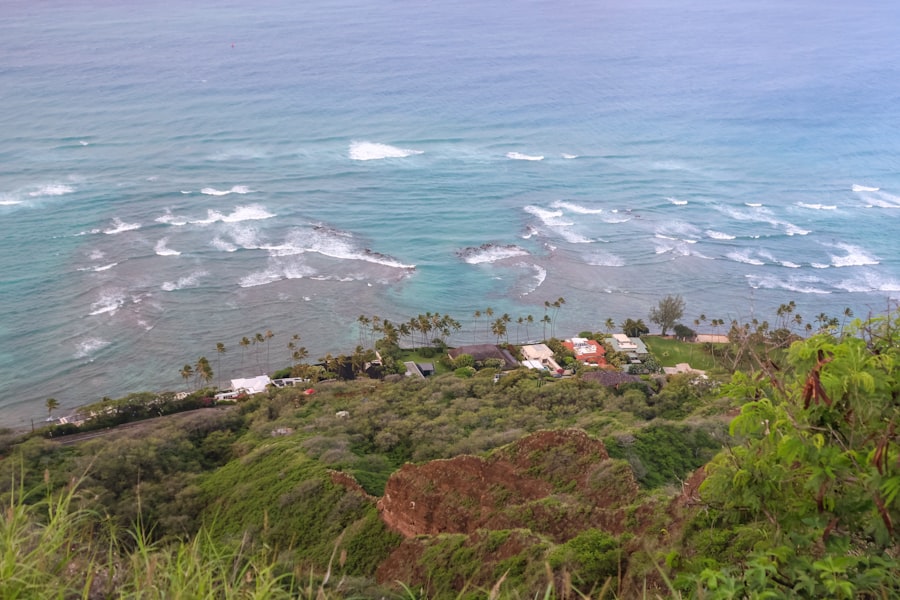
The presence of numerous vacant homes in Honolulu represents more than just an aesthetic issue; it signifies a missed economic opportunity and a drain on potential community resources. These properties, while owned, are not contributing to the local economy in the way a occupied home would. Their silence speaks volumes about a system that, in some instances, prioritizes asset accumulation over community well-being.
Economic Implications of Unoccupied Properties
Vacant homes do not generate property tax revenue in the same way as occupied residences. While property taxes are levied on all properties, the absence of residents means no local spending on goods and services that typically accompanies community activity. Local businesses, from grocery stores to repair services, benefit from a vibrant residential population. Furthermore, vacant properties can attract crime and vandalism, leading to increased costs for law enforcement and property maintenance. This creates a cycle where neglect breeds further problems, impacting the broader economic health of the affected areas.
Social Costs and Community Deterioration
The social implications of widespread vacancy are equally concerning. Overgrown yards, unmaintained facades, and a general air of disuse can contribute to neighborhood blight. This can negatively impact property values for surrounding occupied homes and diminish the sense of community pride. For residents, the sight of empty homes can breed frustration and a feeling of being undervalued. The potential for these properties to house families, individuals seeking affordable housing, or contribute to the housing stock for essential workers is curtailed, creating a tangible sense of loss.
The Opportunity Cost of Housing Stock
Each vacant home represents a unit of housing that is not contributing to the immediate needs of Honolulu’s residents. This exacerbates the existing housing shortage and affordability crisis. Affordable housing initiatives often struggle to find suitable properties, while these existing structures sit empty. The potential for these homes to house teachers, nurses, service industry workers, and local families is unrealized, forcing many to seek housing further from their workplaces or outside the city altogether.
Policy Responses and Regulatory Challenges
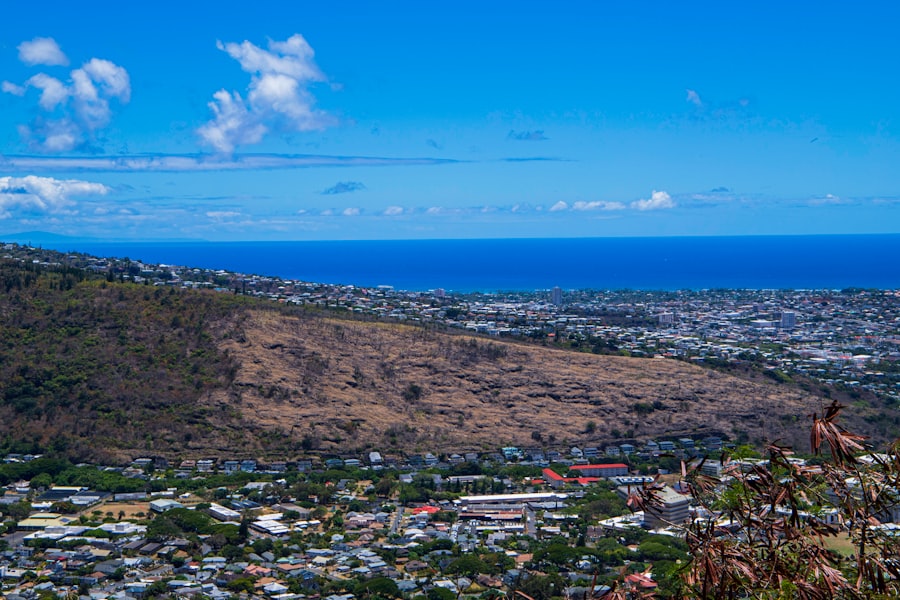
Addressing the issue of vacant homes in Honolulu necessitates a multi-pronged approach involving policy interventions and regulatory adjustments. The city and state governments face the complex task of balancing private property rights with the public interest in ensuring adequate and affordable housing for its residents.
Exploring Vacancy Taxes and Incentives
One proposed solution gaining traction is the implementation of a vacancy tax. Such a tax would aim to disincentivize property owners from leaving their homes unoccupied for extended periods by imposing a financial penalty. The revenue generated from such a tax could then be reinvested in affordable housing programs or community development initiatives. Conversely, incentives could also be offered to encourage owners to occupy, rent, or renovate their vacant properties. These could include tax abatements for long-term rentals or subsidies for bringing dilapidated properties up to code.
Short-Term Rental Regulations
Revisiting and strengthening regulations on short-term rentals is another crucial area of focus. This may involve setting limits on the number of short-term rental permits, imposing stricter zoning requirements, or increasing enforcement of existing rules. The goal is to strike a balance that supports tourism while prioritizing the availability of housing for residents. This often involves contentious debates between industry stakeholders, property owners, and community advocates seeking to preserve residential neighborhoods.
Streamlining Development and Renovation Processes
Bureaucratic hurdles and lengthy permitting processes can sometimes contribute to extended vacancies, particularly for properties undergoing renovation. Efforts to streamline these processes for homeowners and developers looking to bring properties back into active use could help reduce the time these units remain empty. This requires collaboration between various city departments and a commitment to efficient service delivery.
In recent discussions about the real estate market in Honolulu, the topic of vacant homes in bought-out paradise has garnered significant attention. Many are curious about the implications of these properties on the local community and economy. For those interested in exploring this further, a related article provides valuable insights into the current trends and challenges faced by homeowners and investors alike. You can read more about it in this informative piece that delves into the complexities surrounding vacant homes in the area.
The Future of Honolulu: Reclaiming Paradise for Its People
| Location | Number of Vacant Homes | Median Price |
|---|---|---|
| Paradise Honolulu | 150 | 750,000 |
The burgeoning number of vacant homes in Honolulu is a stark reminder that the pursuit of paradise can inadvertently lead to its erosion for the very people who call it home. The current real estate landscape, heavily influenced by external investment and the lucrative short-term rental market, has created a situation where the fundamental need for housing is being eclipsed by asset accumulation. Reclaiming Honolulu for its residents requires a re-evaluation of priorities and a concerted effort to implement policies that foster inclusivity and affordability. The narrative of paradise lost is not yet irreversible, but it demands immediate and decisive action.
Prioritizing Local Housing Needs
The ultimate goal must be to ensure that Honolulu remains a place where its own residents can afford to live, work, and raise families. This necessitates a shift in focus from a purely investment-driven market to one that actively serves the needs of the local populace. Policies should be designed to encourage long-term residency and discourage speculative ownership of empty units. This requires a deeper understanding of the ripple effects of housing policies on the social and economic well-being of the entire community.
Fostering Sustainable Community Development
Sustainable community development in Honolulu must encompass housing as a fundamental human need, not solely a commodity. This involves exploring innovative housing solutions, such as community land trusts and affordable housing developments, that are designed to remain affordable in perpetuity. It also means investing in infrastructure and public services that support a thriving residential population, making Honolulu an attractive place to live for reasons beyond its natural beauty.
The Role of Community Engagement
The voices of Honolulu’s residents are paramount in shaping the future of their housing market. Active community engagement, through neighborhood associations, public forums, and advocacy groups, is essential for identifying problems, proposing solutions, and holding policymakers accountable. A collective effort is required to navigate the complexities of gentrification and ensure that the economic benefits of Honolulu’s desirability are shared equitably among all its inhabitants. The fight to prevent paradise from becoming an exclusive playground for the wealthy is a fight for the soul of the city.
FAQs
What is the situation with vacant homes in Honolulu?
Vacant homes in Honolulu have become a growing issue, with many properties being left empty due to being bought out by investors and developers.
How are vacant homes affecting the community in Honolulu?
The presence of vacant homes in Honolulu has led to concerns about the impact on the local community, including issues such as blight, decreased property values, and a shortage of housing for residents.
What measures are being taken to address the vacant home problem in Honolulu?
Local authorities in Honolulu are exploring various measures to address the vacant home problem, including potential regulations on property ownership and incentives for bringing vacant homes back into use.
What are the potential solutions to the vacant home issue in Honolulu?
Potential solutions to the vacant home issue in Honolulu may include implementing vacant property taxes, creating programs to incentivize property owners to rent or sell their vacant homes, and increasing affordable housing options.
What are the long-term implications of the vacant home situation in Honolulu?
The long-term implications of the vacant home situation in Honolulu may include continued strain on the housing market, challenges for local residents in finding affordable housing, and potential impacts on the overall livability of the city.