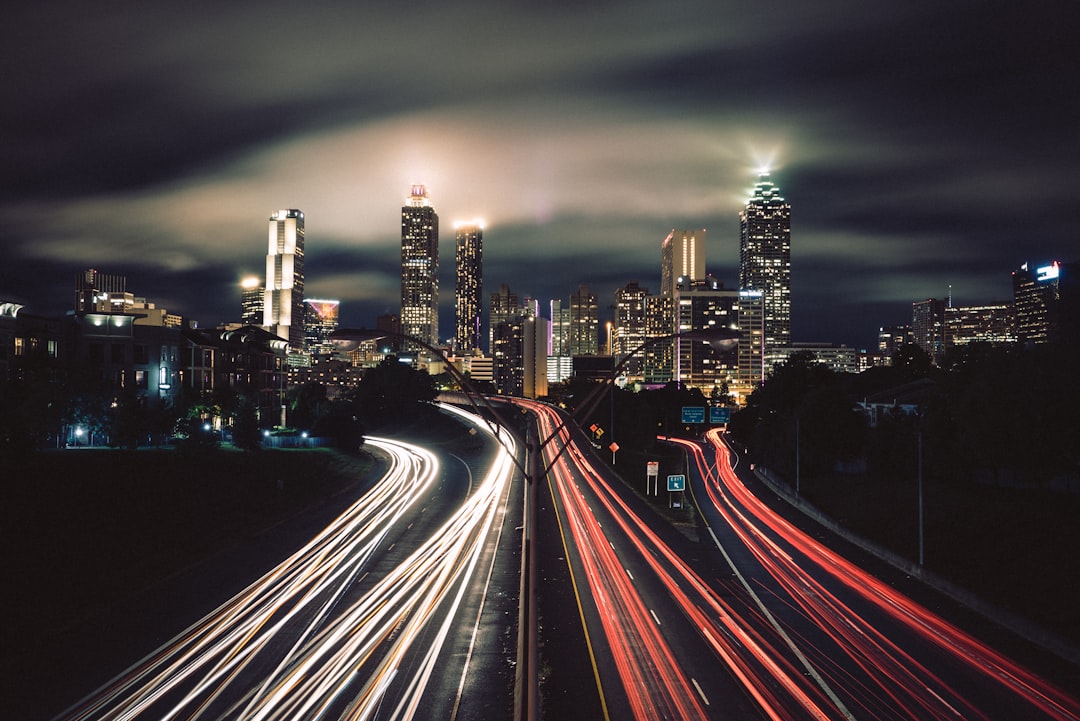
Urban centers have long been recognized for their capacity to concentrate economic activity, acting as engines of growth and innovation for wider regions. These areas, often characterized by high concentrations of businesses, financial institutions, and specialized services, function as powerful asset cities. Their value lies not merely in physical infrastructure, but in the complex web of relationships, capital flows, and knowledge creation that makes them attractive magnets for investment and talent.
The Dynamics of Capital Accumulation
The aggregation of capital is a defining feature of asset cities. Financial districts, with their towering skyscrapers housing banks, investment firms, and stock exchanges, serve as visible embodiments of this concentration. This proximity facilitates transactions, lowers information asymmetry, and fosters the development of sophisticated financial instruments. Venture capital, private equity, and other forms of investment capital are drawn to these hubs, where opportunities for high returns are perceived to be greater due to the presence of established industries and emerging ventures.
The Role of Financial Institutions
Financial institutions play a critical role in the functioning of asset cities. They provide the liquidity necessary for businesses to expand, innovate, and undertake large-scale projects. Beyond mere lending, they offer advisory services, facilitate mergers and acquisitions, and manage investment portfolios. The presence of well-established and diversified financial sectors creates a self-reinforcing cycle of economic growth, attracting more businesses and, consequently, more capital.
Innovation and Entrepreneurship Hubs
Asset cities are also fertile ground for innovation and entrepreneurship. The concentration of talent, research institutions, and venture capital creates an environment conducive to the generation and commercialization of new ideas. Start-up ecosystems, often clustered in specific neighborhoods, benefit from access to mentors, incubators, and accelerators, all of which are more readily available in these dynamic urban settings. This entrepreneurial spirit, fueled by access to resources and a culture of risk-taking, is a vital component of an asset city’s long-term economic vitality.
The Multifaceted Nature of Urban Assets
Beyond financial capital, urban centers accumulate a variety of other assets that contribute to their economic power. These include human capital, intellectual property, and cultural capital, all of which are intrinsically linked to the densely populated and diverse nature of cities. The strategic management and leveraging of these diverse assets are crucial for maintaining a competitive edge.
Human Capital and Skilled Labor Pools
The primary asset of any urban center is its population, particularly its skilled and educated workforce. Asset cities attract and retain individuals with specialized knowledge and expertise, forming talent pools that are invaluable to businesses. Universities, research centers, and vocational training institutions contribute to the continuous development of this human capital, ensuring a steady supply of qualified professionals. The competition for this talent can drive up wages and living costs, but it also signifies the immense value placed on skilled individuals within the urban economy.
Intellectual Property and Knowledge Generation
The concentration of research institutions, corporate R&D departments, and creative industries in urban centers fosters the generation of intellectual property. Patents, copyrights, and trade secrets are developed and traded within these environments, forming a significant economic asset. The constant exchange of ideas and collaboration, often facilitated by physical proximity, accelerates the pace of knowledge creation and diffusion.
Cultural Capital and Brand Value
The cultural offerings of a city – its museums, theaters, music venues, and culinary scene – contribute to its appeal and economic standing. This “cultural capital” enhances the quality of life, attracting both residents and tourists. A strong cultural identity can also translate into brand value for the city itself, making it more attractive for businesses seeking a vibrant and dynamic location. This intangible asset, while difficult to quantify, plays a significant role in an urban center’s overall attractiveness.
The ongoing debate between asset cities and human habitation hubs highlights the contrasting priorities in urban development, focusing on economic growth versus community well-being. A related article that delves deeper into this topic can be found at MyGeoQuest, where it explores how cities can balance infrastructure investment with the needs of their residents, ultimately fostering environments that prioritize both economic vitality and quality of life.
Human Hubs: The Pulse of Urban Life
While asset cities emphasize economic accumulation and growth, the concept of human hubs speaks to the fundamental purpose of urban living: fostering community, well-being, and human connection. These hubs are the vibrant, often less formalized, areas where people gather, interact, and build social capital. They are characterized by their walkability, accessibility, and the presence of public spaces that encourage social engagement.
The Importance of Social Infrastructure
The existence and quality of social infrastructure are paramount to the functioning of human hubs. This encompasses not only physical spaces like parks, community centers, and libraries, but also the social networks and institutions that bind communities together. These elements are crucial for fostering a sense of belonging, supporting individual well-being, and facilitating collective action.
Public Spaces and Gathering Points
Well-designed public spaces serve as the arteries of human hubs. Parks, plazas, and pedestrianized streets provide opportunities for chance encounters, informal gatherings, and organized community events. These spaces are vital for fostering social interaction, promoting physical activity, and enhancing the overall livability of urban areas. Their design and maintenance directly influence their utility and appeal as gathering points.
Community Engagement and Civic Participation
Human hubs thrive on active community engagement and civic participation. When residents feel connected to their neighborhoods and have opportunities to voice their concerns and contribute to decision-making processes, the social fabric is strengthened. Local organizations, neighborhood associations, and volunteer groups play a crucial role in facilitating this engagement, ensuring that urban development reflects the needs and aspirations of its inhabitants.
Quality of Life and Well-being Indicators
The success of a human hub can be measured by the quality of life and well-being of its residents. This extends beyond economic metrics to encompass factors such as access to nature, opportunities for recreation, safety, and the overall sense of community. A thriving human hub is one where individuals feel supported, connected, and have the resources and opportunities to lead fulfilling lives.
Access to Green Spaces and Recreation
Access to parks, urban gardens, and recreational facilities is a key determinant of well-being in human hubs. These green spaces provide opportunities for relaxation, exercise, and connection with nature, offering a vital counterpoint to the often-dense urban environment. They also contribute to environmental sustainability and can improve air quality and biodiversity.
Safety, Inclusivity, and Belonging
A fundamental aspect of a human hub is the perception of safety and the cultivation of an inclusive environment. Residents should feel secure in their neighborhoods and have a sense of belonging, regardless of their background. Efforts to promote social equity, combat discrimination, and ensure that all voices are heard are crucial for fostering true inclusivity and a strong sense of community.
Balancing the Scales: The Urban Symbiosis
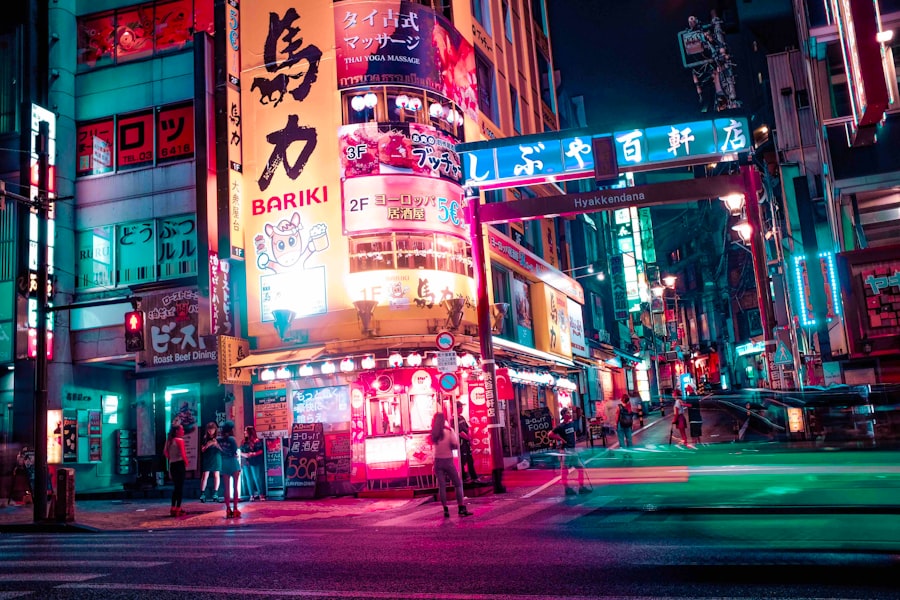
The challenge for contemporary urban planners and policymakers lies in finding an equilibrium between the demands of asset cities and the needs of human hubs. These two concepts are not mutually exclusive; rather, they represent different facets of a complex urban ecosystem that can, and ideally should, coexist and mutually reinforce each other. An overly focused pursuit of asset accumulation can alienate residents and undermine the social fabric, while a neglect of economic dynamism can lead to stagnation and decline.
The Interdependence of Assets and Hubs
The economic success of an asset city can, in theory, provide the resources necessary to invest in and enhance the quality of human hubs. Conversely, vibrant human hubs, with their engaged populations and high quality of life, can make urban centers more attractive to businesses and skilled workers, thereby bolstering their asset base. This symbiotic relationship is key to sustainable urban development.
Economic Benefits for Community Development
Profits generated from economic activities within asset cities can be reinvested in social infrastructure, public services, and community-led initiatives. This can lead to improved housing, better education, enhanced public transportation, and more accessible healthcare, all of which contribute to the well-being of residents and strengthen the human hub aspect of the city.
Attracting Talent and Investment through Livability
A city that prioritizes livability and fosters strong communities is more likely to attract and retain the skilled workforce and innovative businesses that drive its asset city performance. Companies are increasingly seeking locations that offer a high quality of life for their employees, making the development of human hubs a strategic investment for economic competitiveness.
The Risks of Imbalance
When this balance is not achieved, detrimental outcomes can arise. The pursuit of unchecked economic growth can lead to gentrification, displacement of long-term residents, and the erosion of social cohesion. The focus on attracting high-value industries might neglect the needs of essential workers and service providers, creating a bifurcated city.
Displacement and Gentrification
The economic success of asset cities can drive up property values and rents, making it difficult for lower- and middle-income residents to afford to live in desirable areas. This process of gentrification can lead to the displacement of established communities and the loss of cultural heritage, undermining the human hub aspect.
Social Segregation and Inequality
A stark imbalance can result in social segregation, where different income groups are concentrated in distinct neighborhoods with vastly different access to resources and opportunities. This creates a fragmented urban experience and exacerbates existing inequalities, hindering the development of a unified and inclusive city.
Strategies for Integrated Urban Development
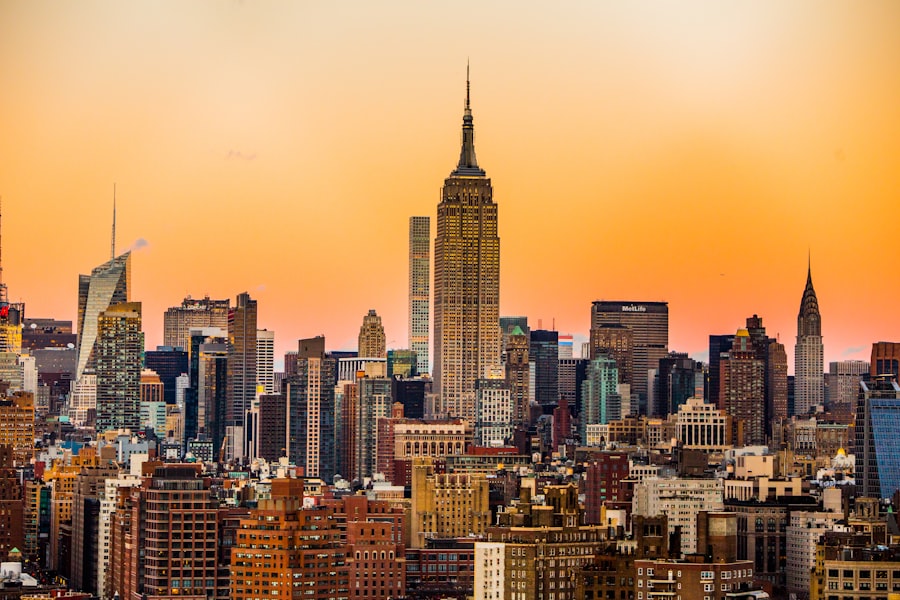
Achieving this delicate balance requires deliberate and integrated urban development strategies. This involves thoughtful planning, targeted investment, and a commitment to inclusive governance. The goal is to create cities that are both economically robust and socially vibrant, where all residents can thrive.
Planning for Both Economic and Social Needs
Urban planning must adopt a holistic approach, considering both the economic drivers of asset cities and the social needs that define human hubs. This means incorporating provisions for affordable housing, accessible public transportation, and ample green spaces alongside incentives for business development and innovation.
Mixed-Use Development and Affordable Housing Initiatives
Promoting mixed-use development, where residential, commercial, and recreational spaces are integrated, can foster more vibrant and walkable neighborhoods. Implementing robust affordable housing policies is crucial to ensure that cities remain accessible to a diverse population, preventing the exclusionary effects of gentrification.
Investing in Public Transportation and Green Infrastructure
A well-developed public transportation system is essential for connecting different parts of the city, facilitating access to jobs and services, and reducing reliance on private vehicles. Investing in green infrastructure, such as parks, urban forests, and sustainable drainage systems, enhances livability, improves environmental quality, and contributes to the overall well-being of residents.
Inclusive Governance and Community Participation
Effective urban governance requires genuine engagement with diverse stakeholders, including residents, businesses, community organizations, and academic institutions. Empowering communities to participate in decision-making processes ensures that urban development is more responsive to local needs and fosters a stronger sense of ownership and collective responsibility.
Citizen Engagement and Participatory Planning
Establishing mechanisms for meaningful citizen engagement, such as participatory budgeting, neighborhood councils, and public consultations, is vital. This ensures that urban development projects are aligned with community priorities and that the voices of all residents are heard and considered.
Data-Driven Decision Making and Performance Monitoring
Utilizing data to understand urban dynamics, monitor the impact of policies, and identify areas for improvement is crucial. Regularly assessing performance against a range of economic and social indicators allows for adaptive management and ensures that the pursuit of urban goals remains informed and effective.
The ongoing debate about asset cities versus human habitation hubs highlights the importance of designing urban spaces that prioritize the well-being of residents over mere economic gain. A related article discusses how cities can evolve to better serve their inhabitants while still promoting sustainable growth. For more insights on this topic, you can read the full article here. By focusing on the needs of people, urban planners can create environments that foster community and enhance quality of life.
The Future of Urban Centers: Evolving Towards Resilient Cities
| City | Population | Area (sq km) | Number of Assets |
|---|---|---|---|
| New York City | 8,336,817 | 789 | 1,234,567 |
| Tokyo | 9,273,000 | 2,194 | 987,654 |
| London | 8,982,000 | 1,572 | 876,543 |
The ongoing evolution of urban centers demands a forward-looking approach that recognizes the interconnectedness of economic prosperity and social well-being. The cities that will thrive in the future will be those that can successfully integrate the dynamism of asset cities with the warmth and vitality of human hubs, fostering resilience and opportunity for all their inhabitants. This is not a static ideal but an ongoing process of adaptation and refinement.
Cultivating Resilient Urban Ecosystems
Resilient cities are able to withstand and adapt to economic shocks, environmental challenges, and social stresses. This requires building diversity and redundancy into urban systems. A strong economic base, coupled with a robust social safety net and engaged citizenry, creates a more robust and adaptable urban environment.
Diversifying Economic Bases and Skill Development
Over-reliance on a single industry can make an asset city vulnerable to economic downturns. Diversifying economic sectors and investing in lifelong learning and skill development for the workforce can enhance resilience and adaptability in the face of changing economic landscapes.
Strengthening Social Capital and Community Networks
Strong social capital and well-connected community networks are vital sources of resilience. In times of crisis, these networks can provide essential support, facilitate recovery efforts, and foster a sense of collective agency. Investing in initiatives that build and strengthen these connections is a critical component of urban resilience.
Embracing Technological Advancements for Human Benefit
Technology offers significant opportunities to enhance both economic efficiency and the quality of urban life. However, its implementation must be guided by principles of equity and human-centered design. The goal should be to leverage technology to create more inclusive, sustainable, and livable cities.
Smart City Innovations for Inclusivity
While the term “smart city” often conjures images of efficiency, its true potential lies in its ability to improve the lives of all residents. Smart technologies, when deployed thoughtfully, can enhance public services, improve accessibility, and empower citizens. A focus on data privacy and digital inclusion is paramount to ensure that these advancements benefit everyone.
Fostering Innovation Districts that Prioritize Social Impact
Innovation districts can be designed not only to foster economic growth but also to prioritize social impact. This can involve encouraging businesses to engage in corporate social responsibility initiatives, supporting social enterprises, and creating spaces that foster collaboration between various sectors to address societal challenges. The ultimate aim is to cultivate urban environments where economic dynamism and human flourishing are not in opposition, but rather, are synergistic forces driving progress.
FAQs
What are asset cities?
Asset cities are urban areas that are characterized by their high concentration of financial, technological, and cultural resources. These cities are often major hubs for business, innovation, and economic growth.
What are human habitation hubs?
Human habitation hubs are urban areas that are primarily focused on providing livable and sustainable environments for their residents. These cities prioritize factors such as affordable housing, public services, and community well-being.
What are the key differences between asset cities and human habitation hubs?
Asset cities are focused on economic and cultural resources, while human habitation hubs prioritize the well-being and quality of life for their residents. Asset cities often have a strong focus on business and innovation, while human habitation hubs prioritize affordable housing and public services.
How do asset cities and human habitation hubs impact their residents?
Residents of asset cities may benefit from greater economic opportunities and access to cultural resources, but they may also face challenges such as high living costs and inequality. In contrast, residents of human habitation hubs may experience a greater emphasis on community well-being and affordable living, but may have fewer opportunities for economic advancement.
What are some examples of asset cities and human habitation hubs?
Examples of asset cities include financial centers like New York City and London, as well as technological hubs like San Francisco and Tokyo. Human habitation hubs may include cities known for their livability and community focus, such as Copenhagen and Vancouver.