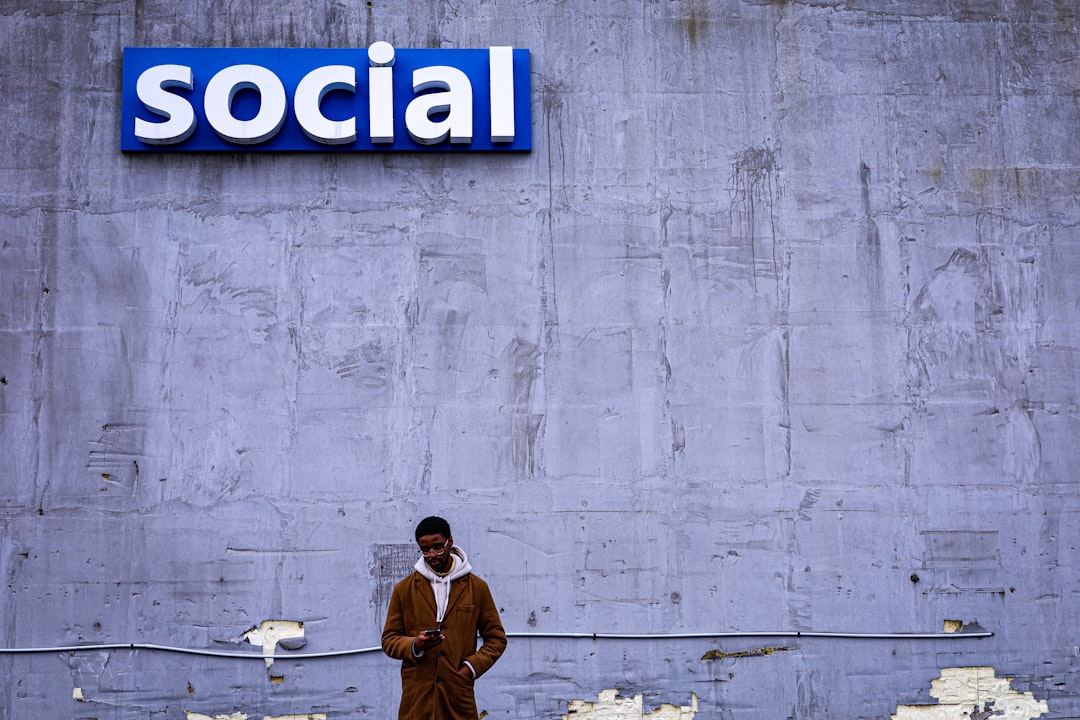
The American city, once lauded as a crucible of progress and opportunity, now often manifests as a landscape marked by deep societal fractures. The implicit agreement between citizens and their urban centers, the unspoken social contract that underpins communal living, appears to be in a state of severe disrepair. This erosion is not a monolithic event but a complex web of interconnected failures, impacting everything from public safety to economic stability and fundamental civic trust.
American cities are undergoing dynamic demographic shifts, presenting both opportunities and challenges for the traditional social contract. These changes, while often indicative of evolving societal landscapes, can strain existing infrastructure and communal bonds if not managed with foresight and equity.
Urban Flight and Suburban Sprawl
Historically, the mid-20th century saw a significant exodus from urban centers to suburbs, often driven by desires for perceived safety, better schools, and more affordable housing. This “white flight” had profound consequences, draining tax bases from cities and exacerbating racial and economic segregation. While some urban areas have experienced a revitalization in recent decades, the legacy of this displacement continues to shape municipal resources and social cohesion.
New Waves of Immigration and Urban Integration
Contemporary cities are often vibrant hubs for new immigrants, bringing diverse cultures, languages, and economic contributions. However, successful integration requires robust support systems for housing, education, and employment. When these systems are inadequate, immigrant communities can become isolated, facing barriers to full participation in urban life and potentially leading to social friction rather than synergistic growth. The promise of the city as a welcoming melting pot is tested by the realities of access and opportunity.
Generational Divides and Urban Attractiveness
Younger generations, particularly Millennials and Gen Z, are increasingly drawn to urban living for its perceived dynamism, cultural offerings, and professional opportunities. This influx can revitalize city cores and inject new energy. Yet, it can also lead to gentrification, displacing long-term residents and creating intergenerational tensions. The city’s ability to cater to the diverse needs and aspirations of its entire population, from established families to transient young professionals, is a critical component of maintaining a functional social contract.
The concept of a broken social contract in modern American cities is explored in depth in a related article that examines the implications of urban decay and social inequality. This article discusses how the erosion of trust between citizens and their governments has led to increased unrest and dissatisfaction within communities. For a more comprehensive understanding of these issues, you can read the article here: Understanding the Broken Social Contract in Urban America.
The Degradation of Public Services: A Foundational Betrayal
The efficacy and accessibility of public services are cornerstones of the social contract. When these services falter, it signals a tangible breakdown in the government’s commitment to its citizens, fostering disillusionment and a sense of abandonment.
Crumbling Infrastructure and Neglected Maintenance
Many American cities are grappling with aging and deteriorating infrastructure. Roads, bridges, public transportation systems, water mains, and sewer lines often require significant investment for repair and modernization. The visible signs of neglect — potholes, delayed transit, water main breaks — are not merely inconveniences; they represent a failure to maintain the basic physical framework that supports urban life. This neglect disproportionately affects lower-income neighborhoods, further entrenching inequalities.
Underfunded and Overwhelmed Public Education
Public schools in many urban areas face chronic underfunding, leading to overcrowded classrooms, outdated materials, and a shortage of qualified teachers. The promise of education as a pathway to opportunity is undermined when schools are unable to provide a quality learning environment. This educational disparity can perpetuate cycles of poverty and limit social mobility, contributing to a sense that the city is not investing in the future of all its children.
Inadequate Public Safety and the Erosion of Trust
The provision of effective and equitable public safety is paramount to a functioning city. When crime rates rise, or when policing is perceived as biased or overly punitive, public trust erodes rapidly. The fear of crime can restrict movement, limit economic activity, and create a siege mentality within communities. The ongoing debates around police reform and community policing highlight the deep-seated challenges in achieving a balance between safety and civil liberties, and the persistent need to build stronger, more equitable relationships between law enforcement and the communities they serve.
Economic Disparities and the Widening Opportunity Gap

The promise of economic opportunity is a core tenet of the urban social contract. When this promise is fractured by widening income inequality and persistent poverty, the fabric of society begins to tear.
The Dual City: Affluence and Impoverishment
Many American cities are characterized by stark economic polarization. Gleaming downtown cores and affluent enclaves exist alongside neighborhoods struggling with high unemployment, low wages, and a lack of access to essential goods and services. This economic chasm can lead to social stratification, where different groups experience vastly different urban realities, fostering resentment and social division. The city becomes less a shared space and more a collection of disparate economic territories.
The Precariousness of Urban Employment
For many urban residents, employment is characterized by low wages, limited benefits, and job insecurity. The decline of manufacturing, the rise of the gig economy, and the increasing cost of living create a landscape where upward mobility is increasingly difficult. This economic precarity can lead to housing instability, food insecurity, and a perpetual struggle for basic necessities, making it challenging for individuals to invest in their communities or feel invested in the city’s future.
Gentrification and Displacement: The Unintended Consequences of Revitalization
While urban revitalization can bring economic benefits, it often comes at the cost of displacing long-term residents and small businesses, particularly in lower-income neighborhoods. Rising rents and property values, driven by new investment, can price out those who have historically contributed to the character and life of these areas. This process, while attracting new populations and capital, can sever deeply rooted community ties and leave a trail of economic hardship for those who can no longer afford to call their neighborhood home.
The Erosion of Civic Engagement and Political Disenchantment

A healthy social contract relies on an engaged citizenry and trust in public institutions. When engagement wanes and trust erodes, the democratic foundation of the city begins to crumble.
The Decline of Local Institutions and Community Organizations
Historically, local institutions like community centers, libraries, and neighborhood associations played a vital role in fostering civic life and connecting residents. The decline of these institutions, often due to funding cuts or changing social patterns, leaves a void in community building. The absence of these informal gathering places can weaken social bonds and reduce opportunities for collective action and problem-solving.
Political Apathy and Distrust in Government
Many urban residents express growing disillusionment with local government, perceiving it as unresponsive, inefficient, or beholden to special interests. This distrust can manifest as political apathy, with lower voter turnout and a general disengagement from civic processes. When citizens feel their voices are not heard or their concerns are not addressed, the incentive to participate in the political life of the city diminishes, further weakening the social contract.
The Impact of Social Media and Filter Bubbles
While social media can facilitate communication, it also contributes to the formation of echo chambers and filter bubbles, reinforcing existing beliefs and limiting exposure to diverse perspectives. This can hinder constructive dialogue and deepen societal divisions within urban environments. The ease with which misinformation can spread online further erodes trust in institutions and in fellow citizens, making it harder to build consensus on shared urban challenges.
In recent discussions about urban development and social equity, the concept of a broken social contract has gained significant attention, particularly in modern American cities. This idea reflects the growing disconnect between government policies and the needs of marginalized communities. For a deeper understanding of how these dynamics play out in urban environments, you can explore a related article on the topic at My Geo Quest, which delves into the implications of this social contract and its impact on city life.
Repairing the Broken Contract: A Path Forward
| City | Crime Rate | Unemployment Rate | Poverty Rate |
|---|---|---|---|
| New York City | 500 per 100,000 people | 8% | 20% |
| Los Angeles | 400 per 100,000 people | 10% | 15% |
| Chicago | 600 per 100,000 people | 12% | 25% |
Addressing the broken social contract in American cities is a complex and multifaceted undertaking, requiring a sustained commitment to equity, investment, and genuine civic partnership. It is a process that prioritizes the needs of all residents and seeks to rebuild trust through tangible action.
Investing in Equitable Public Services and Infrastructure
A fundamental step involves re-prioritizing public investment in essential services and infrastructure, particularly in underserved neighborhoods. This means not only repairing existing systems but also expanding access to quality education, affordable housing, and reliable public transportation. Targeted investments can help address historical inequities and create a foundation for shared prosperity.
Fostering Inclusive Economic Development and Wage Growth
Creating pathways to economic security for all urban residents is crucial. This can involve supporting small businesses, investing in job training programs that align with emerging industries, and advocating for living wages. Policies that promote wealth-building and reduce income inequality are essential to ensuring that the benefits of urban growth are shared broadly, not concentrated among a select few.
Rebuilding Trust Through Transparency and Accountability
Restoring faith in government requires a commitment to transparency and accountability. This means open decision-making processes, accessible data, and responsive governance. Implementing mechanisms for citizen feedback and participation in policy development can help ensure that the needs and concerns of diverse communities are genuinely considered. This includes a critical examination of police practices and a commitment to de-escalation and community-based safety initiatives.
Strengthening Community Bonds and Civic Engagement
Efforts to revitalize community organizations and create new platforms for civic engagement are vital. Supporting local initiatives, fostering intergroup dialogue, and encouraging participation in local governance can help knit the social fabric back together. The city’s future depends on its residents feeling connected, heard, and empowered to shape their shared environment. The focus must be on creating spaces for genuine interaction and mutual understanding, bridging the divides that currently fragment urban life.
FAQs
What is the broken social contract in modern American cities?
The broken social contract in modern American cities refers to the breakdown of trust and mutual obligations between the government and its citizens. This breakdown can manifest in various ways, such as inadequate public services, lack of affordable housing, and unequal access to resources.
What are some examples of the broken social contract in modern American cities?
Examples of the broken social contract in modern American cities include disparities in education and healthcare, police brutality and systemic racism, homelessness, and gentrification. These issues highlight the failure of the government to provide equal opportunities and protection for all citizens.
How does the broken social contract impact communities in modern American cities?
The broken social contract can lead to social unrest, distrust in government institutions, and a sense of alienation among marginalized communities. It can also contribute to economic inequality, crime, and a lack of social cohesion within neighborhoods.
What are some proposed solutions to address the broken social contract in modern American cities?
Proposed solutions to address the broken social contract in modern American cities include investing in affordable housing, improving access to quality education and healthcare, reforming law enforcement practices, and promoting economic development in underserved communities. Additionally, fostering community engagement and participatory governance can help rebuild trust between the government and its citizens.
What role do citizens play in addressing the broken social contract in modern American cities?
Citizens play a crucial role in addressing the broken social contract by advocating for policy changes, participating in local governance, and supporting community-based initiatives. By actively engaging in civic life and holding elected officials accountable, citizens can contribute to rebuilding a more equitable and inclusive social contract in their cities.