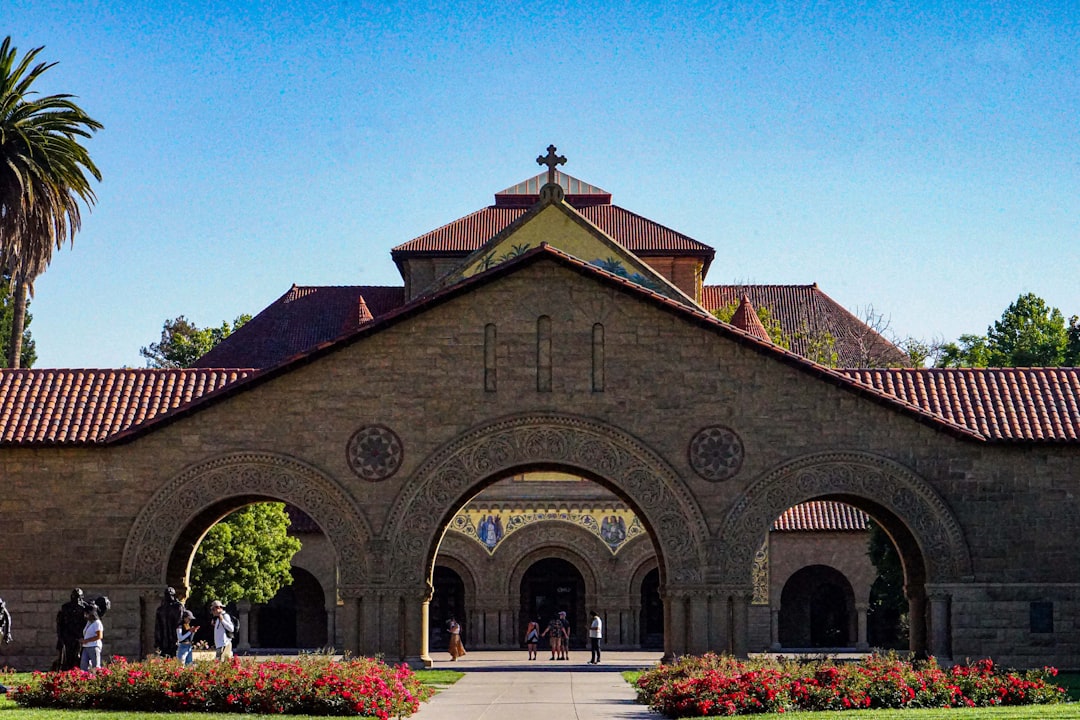
Stanford University and the Urban Core Donut Effect
The presence of a major research university like Stanford can have a profound and multifaceted impact on its surrounding urban environment. This essay will explore the phenomenon often referred to as the “urban core donut effect” in relation to Stanford University, examining how its unique spatial configuration and economic influence contribute to the development of distinct urban patterns. This analysis will delve into the university’s land use, its role as an economic engine, its demographic influence, and the challenges and opportunities it presents for the urban fabric surrounding it.
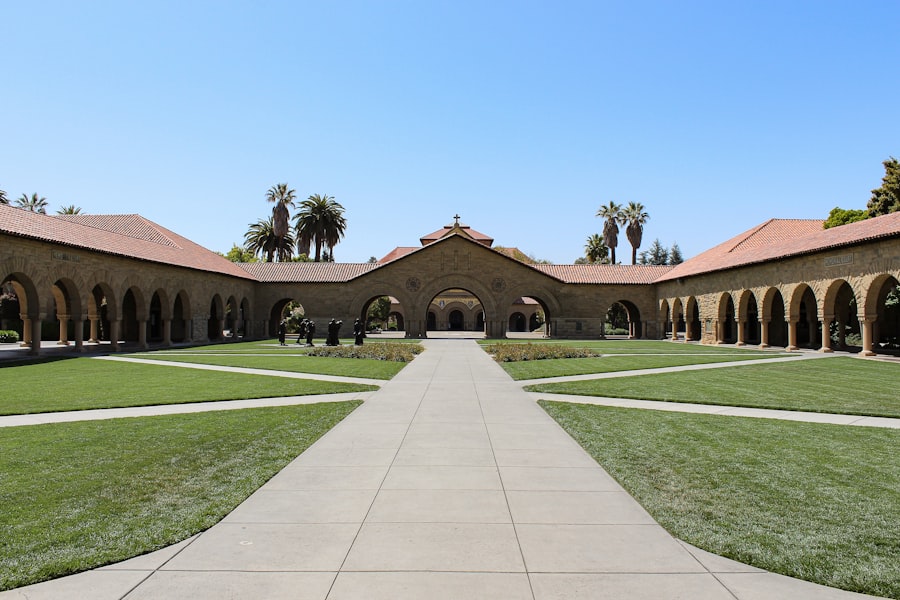
Stanford’s unique geographical position, detached from the immediate urban core and situated on a vast, privately held campus, sets the stage for the “donut effect.” Unlike universities historically integrated into city centers, Stanford’s sprawling acreage, largely protected from the dense development typical of urban cores, has fostered a distinct spatial separation. This separation, coupled with the university’s significant economic and social gravity, can create patterns of development that resemble a donut, with a vacant or less densely populated center (the university campus) and a ring of activity and development surrounding it.
Stanford University occupies a vast parcel of land southwest of Palo Alto. This substantial acreage, much of it preserved as open space and agricultural land, is a defining characteristic of its relationship with the urban environment. The university lands are largely self-contained, featuring academic buildings, residential communities, research laboratories, and recreational facilities. This self-sufficiency minimizes the need for its students, faculty, and staff to regularly engage with the immediate urban core for essential services.
The Private Campus as a Distinct Entity
The decision to establish Stanford on its own expansive grounds, rather than within an existing urban center, has had long-term implications. This private, largely enclosed campus operates as a distinct entity, possessing its own infrastructure, amenities, and a unique campus culture. Consequently, it does not contribute to the organic growth and densification of an adjacent urban core in the same manner as a university deeply embedded within a city. While the university does interact with its surrounding communities, its physical separation creates a buffer that influences its integration.
Land Use Patterns: From Greenbelt to Peripheral Development
The vast majority of Stanford’s land is dedicated to academic and research purposes, with a significant portion also serving as open space. This land use strategy has, over time, prevented the type of mixed-use, high-density development often found at the heart of urban centers. Instead, development tends to occur on the periphery of the campus and in surrounding cities, catering to the needs of the university’s population and its affiliated industries. This creates a spatial pattern where the university itself acts as a large, underutilized “hole” in the urban fabric, with development concentrated in an arc around it.
The Role of Green Space and Open Land
Stanford’s commitment to preserving large areas of green space and open land, while beneficial for the university’s environment and research, further accentuates the spatial separation from dense urban development. This deliberate land-use choice contributes to a less integrated urban form, where the university’s ecological and recreational zones are not interspersed with the commercial and residential structures of a traditional urban core. The greenbelt effect, in this context, can limit the spillover of urban vitality directly onto the university grounds.
Residential Patterns: University Housing vs. Surrounding Communities
The university provides a considerable amount of housing for its students, faculty, and staff, both on and near its campus. This on-campus housing further reduces the reliance on surrounding urban residential areas. While this meets the needs of the university population, it means that a substantial segment of potential residents, who might otherwise contribute to the densification of urban cores, are housed within the university’s sphere of influence. This can lead to a concentration of residential development in areas immediately adjacent to the campus, rather than in established urban centers.
The phenomenon known as the “Stanford University donut effect” highlights the urban core’s transformation as people increasingly migrate to suburban areas, leaving behind a hollowed-out city center. This intriguing topic is explored in greater detail in a related article that discusses the implications of such demographic shifts on urban planning and community development. For more insights, you can read the article here: Stanford University Donut Effect and Urban Core.
Stanford University as an Economic Powerhouse: The Ripple Effect
Stanford’s status as a world-renowned research institution translates into significant economic influence. Its operations, research endeavors, and the spin-off companies it fosters have a substantial economic impact on the surrounding region, contributing to the development of a vibrant economic ecosystem. This economic activity, however, tends to concentrate in areas that directly support or benefit from the university’s presence, rather than uniformly permeating the entire urban core.
The Engine of Innovation and Entrepreneurship
Stanford is a global leader in innovation, fostering a culture of entrepreneurship that has led to the creation of numerous technology companies. Many of these companies, and the venture capital firms that fund them, are located in the vicinity of the university, particularly in areas like Sand Hill Road. This geographic clustering creates economic hubs that are intrinsically linked to Stanford, attracting talent and investment.
Spin-off Companies and their Location Preferences
The proliferation of spin-off companies from Stanford research means that a significant number of high-skilled jobs and economic opportunities are generated. The location of these companies is often dictated by proximity to the university for continued collaboration, access to talent, and a favorable business environment. This leads to a concentration of economic activity in specific suburban enclaves rather than a diffusion throughout older urban centers.
The Demand for Goods and Services
The large student and faculty population at Stanford generates a considerable demand for goods and services. This demand supports a robust local economy, but its impact is often localized to the areas that serve the university community. Restaurants, retail establishments, and service providers tend to flourish in areas frequented by Stanford affiliates, further shaping the economic landscape around the campus.
Retail and Hospitality in the Vicinity
Areas immediately surrounding Stanford, and those on the direct commute routes, often see a concentration of retail and hospitality businesses catering to the university’s population. This can lead to a vibrant commercial scene in these peripheral areas, while older commercial districts further away might experience less of this localized demand.
The Influence on Real Estate Markets
The economic gravity of Stanford exerts a significant influence on regional real estate markets. Areas with close proximity to the university, and those that house its affiliated industries, often experience higher property values and rents. This influx of economic activity and associated demand for housing can push development outward from the urban core.
Demographic Shifts and their Spatial Manifestations
The presence of a major university like Stanford draws a diverse population of students, faculty, staff, and their families. These demographic groups have distinct needs and housing preferences, which in turn shape the spatial patterns of residential development around the university. This can contribute to the “donut effect” by concentrating certain demographic segments in specific geographic areas.
The Student Population and its Housing Needs
A large portion of Stanford’s student body resides in university-owned housing or in apartments and rental properties in the immediate vicinity. This concentration of young adults and graduate students in specific neighborhoods can lead to distinct community characteristics and a demand for particular types of housing and amenities.
On-Campus and Near-Campus Housing
The university’s provision of student housing effectively addresses the needs of a significant segment of its population, reducing the pressure on the broader urban housing market. However, the demand for off-campus housing in areas close to the university creates pockets of heightened rental activity.
Faculty and Staff Demographics and Residential Choices
Faculty and staff, often with families and higher incomes, tend to seek different housing options. Their residential choices are influenced by factors like school districts, commute times to campus, and proximity to amenities. This can lead to the development of affluent residential communities on the periphery of the university.
The “Commuter Corridor” Phenomenon
The need to commute to and from the university can shape residential choices, leading to the development of residential areas along key transportation corridors that connect to Stanford. This can extend the urban development pattern outwards from the established core.
The Impact on School Districts and Family-Oriented Development
For faculty and staff with children, school district quality becomes a significant factor in residential decisions. This can drive development in suburban areas with strong public school systems, further contributing to a pattern of outward growth.
Challenges and Opportunities for the Urban Core
The urban core donut effect, characterized by a concentration of development and economic activity around the university while the core itself experiences less intensive growth, presents both challenges and opportunities for the surrounding urban areas. Understanding these dynamics is crucial for effective urban planning and development.
Economic Disparities and Development Gaps
A significant challenge posed by the donut effect is the potential for economic disparities to emerge. While areas close to Stanford may thrive due to the university’s influence, older urban cores may struggle to attract investment and retain residents if they are not directly benefiting from this economic gravity.
Uneven Distribution of Economic Benefits
The localized nature of Stanford’s economic impact means that not all parts of the urban landscape experience the same level of growth and prosperity. This can lead to a situation where wealthier areas flourish while other areas, perhaps closer to the geographic center of the metropolitan area, lag behind.
The Need for Strategic Investment in Underdeveloped Areas
Addressing these disparities requires strategic investment in areas that are not directly benefiting from the university’s economic ripple effect. This could involve initiatives to attract businesses, improve infrastructure, and enhance the quality of life in these less developed urban districts.
Opportunities for Redevelopment and Revitalization
While the donut effect can create imbalances, it also presents opportunities for redevelopment and revitalization within the urban core. The presence of a major institution like Stanford can serve as a catalyst for regional planning efforts that aim to connect and integrate different parts of the metropolitan area.
Leveraging University Partnerships for Urban Improvement
There is potential for collaborative efforts between Stanford and urban communities to address shared challenges. This could involve research partnerships focused on urban planning, sustainable development, or community engagement initiatives.
Enhancing Connectivity and Public Transportation
Improving connectivity between the university and the urban core through enhanced public transportation can help to reduce the sense of separation and encourage greater interaction. This could foster a more integrated urban experience.
The phenomenon known as the “Stanford University donut effect” highlights the shifting dynamics of urban cores as populations move outward, leaving behind a ring of underutilized spaces. This intriguing concept is explored in greater detail in a related article that examines how urban planning can adapt to these changes. For those interested in understanding the implications of this trend on city development, you can read more about it in this insightful piece on urban transformation at MyGeoQuest.
Towards a More Integrated Urban-Metropolitan Fabric
| Metrics | Data |
|---|---|
| University | Stanford University |
| Effect | Donut Effect |
| Location | Urban Core |
The concept of the urban core donut effect highlights the complex relationship between major institutions and their surrounding urban environments. For Stanford University and its surrounding region, understanding and mitigating the negative aspects of this phenomenon while harnessing its positive potential is an ongoing process.
Fostering Greater Interconnectivity
Encouraging greater physical and economic interconnectivity between Stanford and the urban core is paramount. This involves strategic planning that promotes mixed-use development in areas that have historically been less integrated.
Transportation Initiatives and their Role
Investing in robust public transportation systems that efficiently link university areas with urban centers can encourage greater mobility and interaction. This can help to reduce the reliance on private vehicles and foster a more cohesive metropolitan fabric.
Land Use Policies that Encourage Mixed-Use Development
Implementing land use policies that encourage mixed-use development, particularly in areas adjacent to the university and along transit corridors, can help to break down the spatial separation and create more vibrant, walkable communities.
Promoting Inclusive Economic Development
Efforts must be made to ensure that the economic benefits generated by Stanford are more broadly distributed throughout the metropolitan area. This requires a focus on inclusive economic development strategies that support businesses and create opportunities in urban cores as well as in the rapidly developing areas around the university.
Supporting Small Businesses and Entrepreneurship in Urban Centers
Initiatives to support small businesses and entrepreneurship within the urban core can help to create local economic anchors and revitalize commercial districts that may have been overshadowed by the economic activity surrounding Stanford.
Workforce Development Programs that Benefit All Communities
Investing in workforce development programs that equip residents from all parts of the metropolitan area with the skills needed for the jobs created by Stanford and its affiliated industries can help to bridge economic divides and foster greater opportunity.
The urban core donut effect is a dynamic process, influenced by a multitude of factors. By acknowledging its existence and actively implementing strategies that promote integration, inclusivity, and sustainable development, the relationship between Stanford University and its surrounding urban environment can evolve towards a more cohesive and prosperous metropolitan fabric for all its inhabitants.
FAQs
What is the “Stanford University Donut Effect” in the urban core?
The “Stanford University Donut Effect” refers to the phenomenon where the area immediately surrounding a prestigious university experiences rapid development and gentrification, while the surrounding urban core experiences neglect and decline.
How does the “Stanford University Donut Effect” impact the surrounding urban core?
The “Stanford University Donut Effect” can lead to increased housing costs, displacement of long-term residents, and a lack of investment in infrastructure and community resources in the surrounding urban core.
What are some examples of the “Stanford University Donut Effect” in other cities?
Examples of the “Stanford University Donut Effect” can be seen in cities like Palo Alto, California, where Stanford University’s expansion has led to rising housing costs and displacement in nearby East Palo Alto, while the university’s immediate vicinity experiences rapid development and gentrification.
What are some potential solutions to mitigate the “Stanford University Donut Effect”?
Potential solutions to mitigate the “Stanford University Donut Effect” include implementing affordable housing policies, investing in community development and infrastructure in the surrounding urban core, and fostering partnerships between universities and local governments to address the impact of campus expansion.
How can communities and policymakers address the challenges posed by the “Stanford University Donut Effect”?
Communities and policymakers can address the challenges posed by the “Stanford University Donut Effect” by advocating for equitable development, supporting affordable housing initiatives, and engaging in dialogue with universities and developers to ensure that the surrounding urban core benefits from campus expansion.