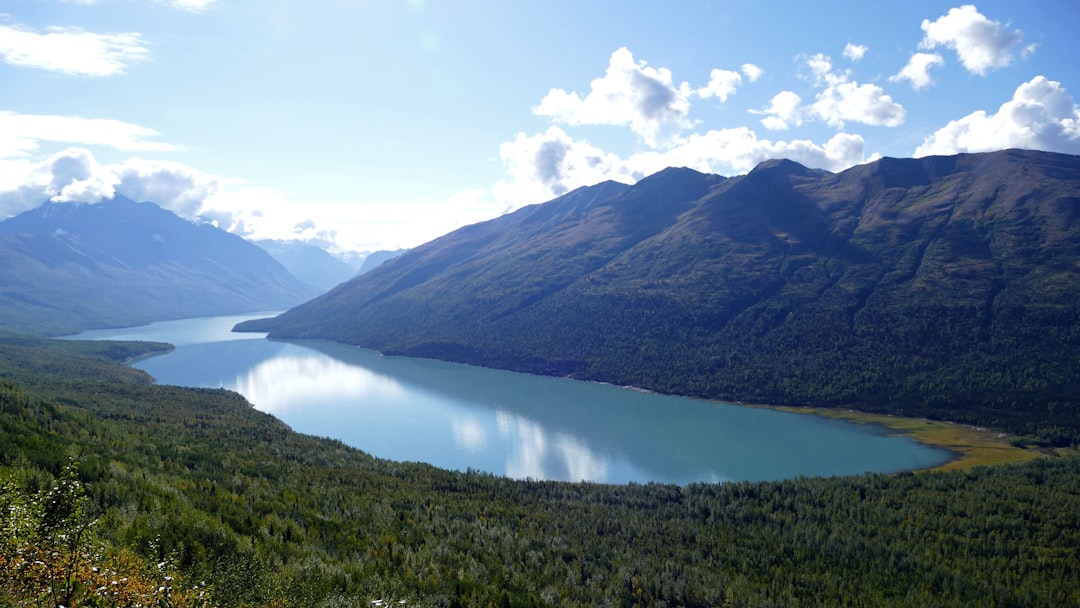
The panorama of the Last Frontier, once an idyllic promise of unparalleled natural beauty and frontier spirit, is increasingly being viewed through the prism of its escalating cost of living. Anchorage, Alaska’s largest city, finds itself at the epicenter of this trend, experiencing an economic recalibration that prompts contemplation of an “exodus.” This phenomenon is not sudden; it is a slow, persistent tide influenced by multifaceted economic forces and the inherent realities of Alaskan life. For many residents, the dream of living the Alaskan life is being challenged by the practicalities of making ends meet, forcing a difficult recalculation of priorities and opportunities.
Anchorage, despite its remote location, is not immune to global economic pressures. The cost of everyday necessities, from groceries to housing, has climbed at a pace that strains many household budgets. This climb is not uniformly distributed, affecting different demographics and income levels with varying degrees of severity. Certain sectors of the economy, particularly those tied to resource extraction and government contracts, historically provided higher wages, which helped to offset some of the inherent costs. However, shifts in these industries, coupled with broader inflationary trends, have narrowed this buffer.
Housing Market Dynamics
The housing market in Anchorage has been a significant contributor to the rising cost of living. Limited land availability, coupled with the expense of construction materials and labor in Alaska, creates a perpetually tight market. While not as volatile as some West Coast cities, the steady appreciation of home values and rental rates has outpaced wage growth for a significant portion of the population. This disparity forces many to allocate a larger percentage of their income to housing, leaving less for other essential expenses and discretionary spending.
Rental Vacancy Rates and Their Impact
Historically, Anchorage has experienced relatively low rental vacancy rates. This limited supply of available rental units allows landlords to command higher prices, directly impacting renters. Anemic vacancy levels suggest consistent demand, which, in turn, reinforces the upward pressure on rental costs. Tenants find themselves in a highly competitive market, often facing multiple applicants for a single property and the need to act quickly to secure housing.
Homeownership: An Aspirational Goal Becoming Elusive
The dream of homeownership, a cornerstone of financial stability for many, is becoming increasingly challenging for Anchorage residents. Rising property values, coupled with increasing interest rates on mortgages, place homeownership out of reach for a growing segment of the population. For those who do own, escalating property taxes and insurance costs add to the financial burden.
The Everyday Expense of Alaskan Living
Beyond housing, the cost of daily life in Anchorage presents a formidable challenge. The logistical complexities of supplying a remote state translate into higher prices for virtually every commodity. This “tyranny of distance” is an unavoidable reality that impacts the affordability of even the most basic necessities.
Grocery Bills: A Perpetual Increase
The supermarket aisles in Anchorage tell a story of escalating prices. Fruits, vegetables, dairy products, and meats often carry a premium compared to their counterparts in the Lower 48 states. This is a direct consequence of transportation costs, spoilage, and the limited agricultural season within Alaska. For families, grocery bills constitute a substantial portion of their monthly budget, and the constant upward trend can lead to difficult choices regarding nutrition and food security.
Utilities and Energy Costs
Alaska’s frigid winters necessitate robust heating systems, and the associated energy costs are a significant factor in the cost of living. While heating oil prices can fluctuate, electricity generated from various sources, including natural gas and renewables, also contributes to higher utility bills. The reliance on imported fuels for much of the state’s energy infrastructure means Anchorage is subject to global price volatility.
The rising cost of living in Anchorage, Alaska, has prompted many residents to consider relocating to more affordable areas. A related article that explores this trend and provides insights into the factors driving the exodus can be found at MyGeoQuest. This resource offers valuable information on the economic conditions in Anchorage and highlights alternative destinations that may offer a better quality of life for those seeking to escape the high expenses associated with living in Alaska’s largest city.
Economic Drivers and Their Consequences
The Alaskan economy, long intertwined with federal spending and natural resource extraction, has experienced periods of boom and bust. These fluctuations directly influence employment opportunities and wage levels, which in turn affect the overall cost of living and the propensity for residents to remain in or leave the state.
The Shadow of Resource Extraction Fluctuations
Alaska’s economy has historically been heavily reliant on oil and gas revenues. When oil prices are high, state coffers are full, leading to increased state spending and often higher wages in related industries. Conversely, periods of low oil prices can lead to budget cuts, reduced state employment, and a dampening effect on the broader economy. This cyclical nature creates economic uncertainty for residents, making long-term financial planning more challenging.
The Impact of Boom and Bust Cycles on Employment
The boom-and-bust cycles inherent in resource-based economies create an unstable job market. During boom times, employment opportunities may abound, attracting new residents. However, when prices decline, layoffs can be widespread, leading to economic hardship and, for some, the decision to seek more stable employment elsewhere. This makes it difficult for the Anchorage job market to achieve sustained, broad-based growth.
Diversification Efforts and Their Effectiveness
While Alaska has made efforts to diversify its economy beyond resource extraction, these initiatives have had varying degrees of success. Developing sectors like tourism, technology, and fisheries are important, but they have not yet fully replaced the economic impact of oil and gas. The slow pace of economic diversification means that many residents remain tethered to the fortunes of the resource sector.
Federal and State Government as Major Employers
The federal and state governments are significant employers in Anchorage, providing stable jobs and benefits for many residents. However, any changes in government spending or policy can have a ripple effect throughout the local economy. Reductions in military presence or federal programs can lead to job losses and decreased economic activity.
The Influence of Military Installations
Joint Base Elmendorf-Richardson (JBER) is a substantial economic engine for Anchorage, providing thousands of jobs for military personnel and civilian contractors. Shifts in military spending, base closures, or reductions in force can have a significant impact on the local job market and the broader economy, influencing the decisions of residents to stay or relocate.
State Budgetary Constraints and Their Local Repercussions
State budgetary constraints, often driven by fluctuating resource revenues, can lead to reductions in public services and job cuts. This directly affects residents who rely on government employment or services, potentially influencing their decision to remain in or leave Anchorage. The perceived instability of state finances can contribute to a sense of economic unease.
The Lure of the Lower 48: Incentives to Leave
For many, the dream of Alaskan living clashes with the financial realities. The “exodus” is not driven by a singular factor but by a confluence of economic pressures and the perceived advantages of residing in the contiguous United States.
Remuneration Disparities and Career Advancement
Wage comparisons between Alaska and the Lower 48 states can reveal significant disparities, particularly when adjusted for the cost of living. While some sectors in Alaska offer competitive salaries, the overall earnings potential for many professions may be lower when factoring in the higher cost of necessities. This can lead individuals to seek opportunities elsewhere where their income might stretch further or where career advancement opportunities are perceived to be greater.
The Cost of Living Adjustment Myth
The notion that higher salaries in Alaska somehow compensate for the elevated cost of living is often a fragile one. A detailed budgeting exercise often reveals that the discretionary income available to residents is lower than anticipated, leading to a sense of financial stagnation or even regression.
Specialized Fields and Limited Local Opportunities
Certain specialized fields may offer limited employment opportunities within Alaska compared to the broader markets of the contiguous United States. Professionals in these sectors might find themselves looking beyond Alaska for career growth and advancement.
The Search for Better Economic Stability and Opportunity
Beyond immediate remuneration, many are seeking greater economic stability and broader opportunities. The perceived volatility of the Alaskan economy, driven by its reliance on specific industries, can be a deterrent for those prioritizing long-term financial security.
The Appeal of Larger Job Markets
The larger, more diverse job markets in the Lower 48 offer a wider array of employment options across various industries. This diversity can be attractive to individuals seeking new career paths or greater job security.
The Promise of Long-Term Financial Growth
The prospect of long-term financial growth, including retirement savings and wealth accumulation, can appear more achievable in regions with a lower cost of living and more robust economic engines. This pursuit of financial well-being is a significant motivator for relocation.
The Human Element: Beyond the Bottom Line
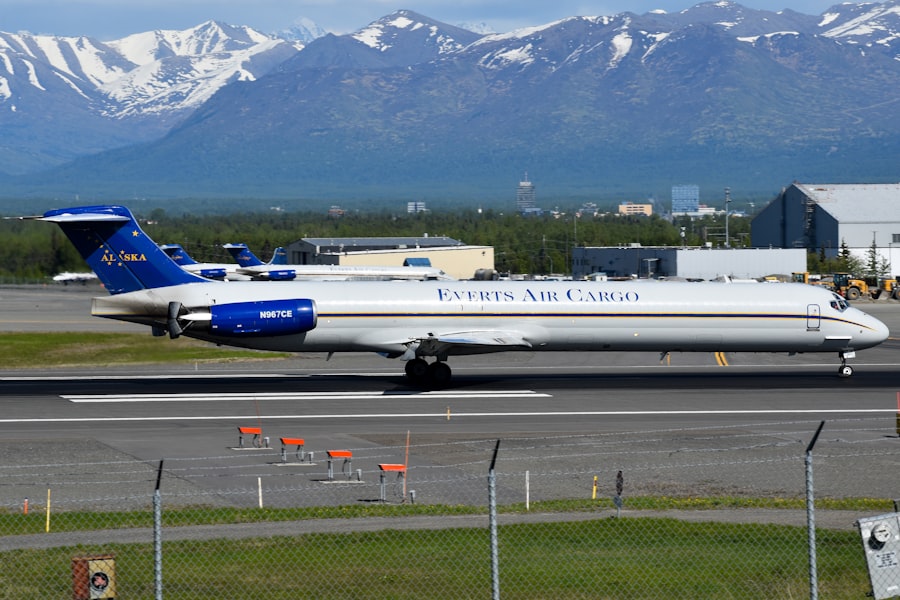
While economic factors are undeniably significant, the decision to leave Anchorage is often imbued with personal and familial considerations. The appeal of geographical proximity to family, access to specialized healthcare, and educational opportunities for children also play a crucial role.
Proximity to Family and Support Networks
For many, the desire to be closer to aging parents, extended family, or established support networks is a powerful impetus to relocate. The vast distances involved in living in Alaska can make regular visits challenging and can weigh on individuals as they consider their long-term living arrangements.
The Strain of Distance on Relationships
The logistical and financial challenges associated with frequent travel between Alaska and the Lower 48 can strain relationships with loved ones. This separation can become more pronounced as family responsibilities evolve.
The Comfort of Familiar Surroundings
The comfort of familiar surroundings and established social circles in one’s home state or region can hold significant emotional weight, influencing the decision to return or remain in a more accessible location.
Access to Specialized Services and Education
While Anchorage offers a range of services, access to highly specialized medical treatments or advanced educational programs may be limited compared to major metropolitan areas in the Lower 48.
Healthcare Access and Specialist Referrals
For individuals with complex medical needs, the availability of specialized healthcare providers and cutting-edge treatments can be a deciding factor. The need for frequent travel for medical appointments adds a significant burden.
Educational Opportunities for Children
Parents often consider the long-term educational trajectories for their children. While Alaska has good schools, the availability of specific programs, gifted and talented services, or advanced placement options might be more abundant in other states.
Many residents of Anchorage, Alaska, have been feeling the financial strain of rising costs, leading to an exodus in search of more affordable living conditions. This trend is highlighted in a recent article that explores the various factors contributing to this migration, including housing prices and job opportunities. For more insights on this topic, you can read the full article here. As the cost of living continues to climb, it raises important questions about the future of Anchorage and its community.
The Future of Anchorage: Adaptation and Resilience
| Metrics | Data |
|---|---|
| Cost of Living Index | 123.5 |
| Housing Index | 138.4 |
| Groceries Index | 134.3 |
| Utilities Index | 152.6 |
| Transportation Index | 111.1 |
The “cost of living exodus” from Anchorage is a complex issue with no easy solutions. The city and the state face the challenge of adapting to changing economic realities while striving to retain their unique appeal.
Strategies for Attracting and Retaining Residents
Addressing the cost of living requires multifaceted strategies. These could include initiatives to lower energy costs, support affordable housing development, and foster economic diversification.
Economic Development Initiatives
Focusing on industries that can thrive in Alaska’s unique environment, such as advanced manufacturing, space technology, or sustainable tourism, could create new employment opportunities and economic stability.
Workforce Development and Training Programs
Investing in workforce development programs that equip residents with skills for emerging industries can enhance earning potential and job security.
The Enduring Allure of the Alaskan Lifestyle
Despite the economic challenges, Anchorage retains a powerful allure for many. The unparalleled natural beauty, the sense of community, and the adventurous spirit that defines Alaska continue to draw people in. The question for the future is whether the economic realities can be balanced with this enduring appeal.
The Intrinsic Value of the Alaskan Experience
The unique lifestyle offered by Alaska – access to pristine wilderness, outdoor recreation, and a distinct sense of independence – holds intrinsic value for many residents. This “intangible asset” can be a powerful driver for retention.
Community Resilience and Adaptation
The history of Alaska is one of resilience and adaptation. As the cost of living presents new challenges, the community is likely to find innovative ways to address these issues and preserve the essence of what makes Anchorage a desirable place to live. The ongoing conversation about affordability and opportunity is a testament to the commitment of its residents to finding solutions.