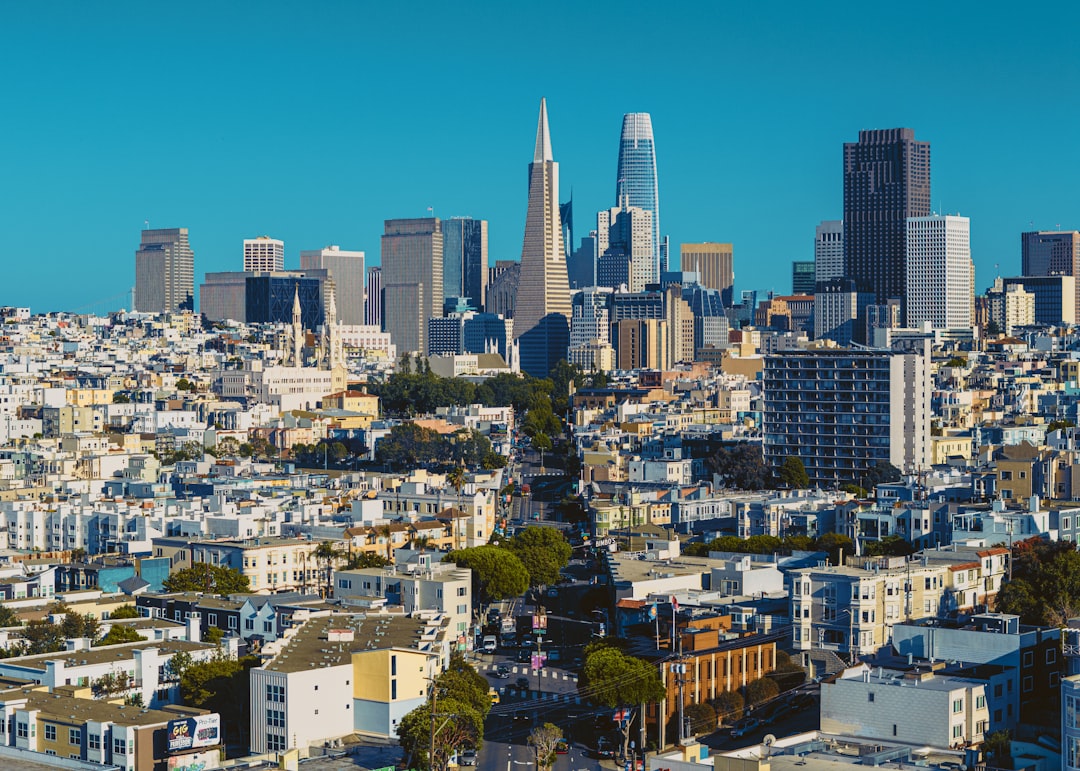
San Francisco, a city synonymous with innovation and an exorbitant cost of living, finds itself grappling with a perplexing trend: a declining population amidst a soaring billionaire class. This juxtaposition, termed the “Billionaire Paradox,” paints a complex picture of a metropolis that continues to attract immense wealth yet struggles to retain its broader residential base. The narrative is not one of simple economic growth or decline, but rather a multifaceted issue interwoven with housing affordability, quality of life concerns, and the evolving landscape of work.
San Francisco’s population trends have taken a notable downturn, a phenomenon that has surprised many who associate the city with perpetual growth, fueled by its robust tech industry. This decline is not insignificant; rather, it represents a departure from decades of expansion. Understanding the nuances of this demographic shift requires an examination of the various factors contributing to it.
A Decline in Overall Numbers
Recent census data and independent studies have consistently pointed to a net decrease in San Francisco’s population. This counters the prevailing image of the city as an ever-expanding hub. While the absolute numbers might seem modest when compared to the city’s overall size, they signify a critical turning point. This is not merely a temporary blip, but a sustained trend that warrants deeper investigation. The factors driving this reduction are multi-pronged, extending beyond simple economic indicators.
Who is Leaving and Why?
The exodus is not uniform. While anecdotal evidence suggests a broad departure, a more granular analysis reveals specific segments of the population feeling the pressure most acutely. Families, for instance, are often priced out by the sheer cost of housing, making it difficult to establish roots. Young professionals, while initially drawn to career opportunities, may find the ongoing expenses unsustainable for long-term planning or starting a family. The allure of the city’s cultural and professional offerings is increasingly being weighed against its considerable financial burdens.
The Tech Industry’s Double-Edged Sword
The very engine that propelled San Francisco to global prominence – the technology sector – is also a significant factor in its population challenges. While creating high-paying jobs and attracting a skilled workforce, the concentration of wealth and the resulting demand for goods and services have driven up costs across the board. The boom has, in effect, made the city less accessible to those not directly benefiting from these high-salaried positions. This creates a stratification that is increasingly visible.
The San Francisco billionaire paradox highlights the intriguing contrast between the city’s wealth and its significant population loss, raising questions about the sustainability of its economy and quality of life. A related article that delves deeper into this phenomenon can be found at this link, where it explores the implications of such demographic shifts on the local community and economy.
The Wealth Paradox: Billionaires Flock, Others Depart
San Francisco remains a magnet for the ultra-wealthy, a testament to its position as a global capital of venture capital and technological advancement. Yet, this concentration of immense affluence coexists with a growing number of residents seeking alternatives beyond its city limits. This striking contrast forms the core of the “Billionaire Paradox.”
San Francisco as a Billionaire Hub
The city consistently ranks among the top global cities for its concentration of billionaires. The infrastructure, networking opportunities, and sheer density of high-net-worth individuals create an environment that fosters further wealth accumulation for those already at the pinnacle of the economic spectrum. This magnetism is undeniable.
The Affordability Crisis as a Primary Driver
At the heart of the population decrease lies the intractable issue of housing affordability. San Francisco’s median home prices and average rents are among the highest in the nation, if not the world. This reality makes homeownership an unattainable dream for many and burdens renters with a substantial portion of their income. For those earning average salaries, the dream of a stable, affordable life within the city becomes increasingly elusive.
The Growing Chasm Between Rich and ‘Regular’
The wealth disparity in San Francisco is stark. The presence of a significant billionaire population exacerbates the perception of an “us vs. them” environment. While the city benefits from the economic activity generated by these individuals and their companies, the everyday lives of many residents are defined by struggle against rising costs. This divergence in lived experiences contributes to a sense of detachment and disillusionment for some.
Quality of Life Concerns Beyond the Financial
While financial considerations are paramount, the city’s population loss is also attributed to a broader set of quality of life issues that deter long-term residency, particularly for families and those seeking a more balanced lifestyle. These factors, often intertwined with the economic realities, paint a comprehensive picture of the challenges San Francisco faces.
The Strain on Public Services
As the cost of living increases and the population shifts, the strain on public services can become more pronounced. Schools, transportation, and public safety infrastructure may struggle to keep pace with demands, especially if tax revenues don’t proportionally rise with the cost of living and the city’s declining population. This can lead to a degradation of services that are essential for a desirable living environment.
Perceptions of Safety and Cleanliness
Concerns regarding public safety and cleanliness have also been frequently cited by residents contemplating a move. While statistical data can be complex and often debated, the perception of increased street homelessness, petty crime, and the overall upkeep of public spaces can significantly impact an individual’s decision to remain in the city. These are not abstract issues; they directly affect daily life.
The Trade-offs of a Hyper-Competitive Environment
San Francisco operates on a hyper-competitive wavelength. While this fuels innovation, it can also create an environment that feels relentless and exhausting for some. The pressure to constantly achieve and the high stakes associated with career progression can lead to burnout and a desire for a less intense lifestyle elsewhere. This is particularly relevant for those seeking work-life balance.
The Evolving Landscape of Work and Remote Opportunities
The COVID-19 pandemic accelerated a trend that was already brewing: the increasing viability of remote work. This has had a profound impact on cities like San Francisco, which were heavily reliant on in-person office culture. The ability to work from anywhere has re-evaluated the necessity of living in one of the nation’s most expensive metropolitan areas.
The Rise of Remote and Hybrid Models
The widespread adoption of remote and hybrid work models has fundamentally altered the traditional work paradigm. For many knowledge workers, the physical proximity to a San Francisco office is no longer a prerequisite for employment. This newfound flexibility allows individuals to seek more affordable housing options in other states or regions, while still maintaining their Silicon Valley-based careers.
The Search for Affordability Beyond the City Limits
With remote work becoming a reality, many former San Francisco residents have rediscovered the appeal of more affordable housing markets. States with lower costs of living and better housing affordability have become attractive alternatives. This relocation is not just about saving money; it’s about gaining access to larger homes, more green space, and a reduced financial burden.
The Impact on the City’s Economic Fabric
The departure of a significant portion of the workforce, even if working remotely for San Francisco-based companies, has potential consequences for the city’s economic fabric. Reduced spending on local businesses, a diminished demand for services catering to office workers, and potential shifts in the commercial real estate market are all considerations for the city’s future.
The San Francisco billionaire paradox highlights the intriguing contrast between the city’s wealth and its ongoing population loss, a phenomenon that has raised questions about the sustainability of urban living. A related article discusses the implications of this trend on local economies and housing markets, shedding light on how the influx of wealthy individuals does not necessarily translate into a thriving community for all residents. For more insights on this topic, you can read the article here: mygeoquest.
Navigating the Future: Implications for San Francisco’s Identity
| Year | Billionaire Population | Population Loss |
|---|---|---|
| 2010 | 20 | 7,000 |
| 2011 | 25 | 10,000 |
| 2012 | 30 | 15,000 |
San Francisco’s current demographic trajectory presents a critical juncture. The “Billionaire Paradox” is not merely a statistical anomaly; it signals a fundamental challenge to the city’s long-term identity and its ability to remain a vibrant, inclusive metropolis. Addressing these issues requires a multifaceted approach that goes beyond superficial solutions.
The Need for Strategic Policy Interventions
A purely market-driven approach is unlikely to resolve San Francisco’s complex population challenges. Strategic policy interventions are necessary. These could include increased investment in affordable housing initiatives, exploring innovative zoning reforms, and potentially re-evaluating the city’s tax structure to ensure it captures the wealth generated within its borders without unduly burdening its residents.
Rethinking the City’s Appeal Beyond High-Tech Jobs
While the tech industry will undoubtedly remain a significant component of San Francisco’s economy, the city may need to broaden its appeal. Diversifying the economic base, fostering industries that offer a wider range of income levels, and investing in the cultural and recreational amenities that contribute to a high quality of life for all residents are crucial. The city’s identity cannot be solely defined by its billionaire residents or its tech sector.
The Challenge of Maintaining Inclusivity in an Era of Wealth Concentration
Perhaps the most significant challenge for San Francisco is to maintain its sense of inclusivity amidst growing wealth concentration. The risk of becoming a gilded cage, accessible only to the wealthiest, is a real one. Future success will depend on the city’s ability to forge a path that allows for both continued innovation and prosperity, while also ensuring that it remains a place where a diverse array of individuals and families can afford to live, work, and thrive. The paradox of a flourishing billionaire class alongside a declining general population demands thoughtful consideration and proactive solutions to secure San Francisco’s long-term resilience and its character as a welcoming city.
FAQs
What is the San Francisco billionaire paradox?
The San Francisco billionaire paradox refers to the phenomenon where the city is experiencing a population loss despite the presence of a high number of billionaires and tech industry wealth.
What are the factors contributing to the population loss in San Francisco?
Factors contributing to the population loss in San Francisco include high cost of living, housing affordability issues, quality of life concerns, and the impact of the COVID-19 pandemic.
How has the tech industry impacted the population dynamics in San Francisco?
The tech industry has played a significant role in driving up housing costs and contributing to the gentrification of certain neighborhoods, leading to displacement of long-time residents and contributing to the population loss.
What are some potential consequences of the population loss in San Francisco?
Potential consequences of the population loss in San Francisco include a shrinking tax base, reduced diversity, strain on local businesses, and challenges in maintaining a vibrant and inclusive community.
What measures are being taken to address the population loss in San Francisco?
Measures being taken to address the population loss in San Francisco include efforts to increase affordable housing, support for small businesses, and initiatives to improve the overall quality of life in the city.