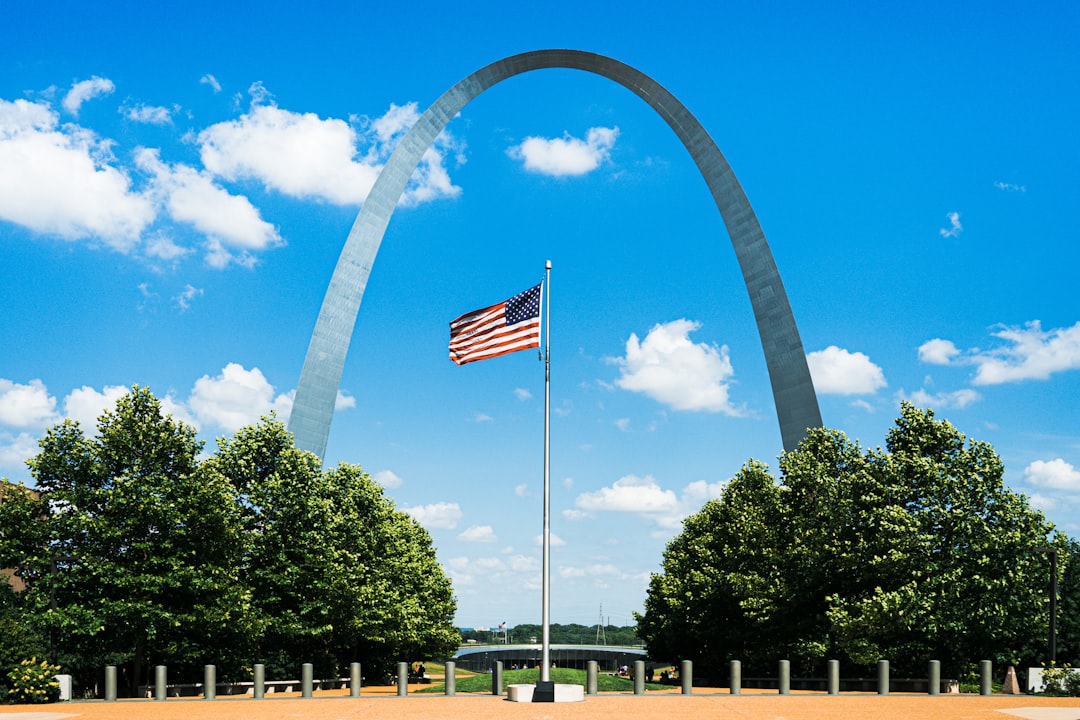
St. Louis, a city once a proud gateway to the West and a hub of American industry, now grapples with a stark reality: persistent population decline. This phenomenon is not a sudden event but rather a symptom of deep-seated, systemic issues that have eroded its foundations over decades. Understanding this decline requires looking beyond simple statistics and examining the intricate web of social, economic, and political factors at play. The narrative of St. Louis’s population loss is a story of systemic collapse, a slow unravelling of urban vitality that has left a scar on its landscape and its spirit.
The vitality of any city is inextricably linked to its economic base. For St. Louis, the decline in population is directly proportional to the erosion of its once-robust economic opportunities. This erosion is not a single, dramatic event, but a series of interconnected factors that have gradually diminished the city’s ability to attract and retain residents.
The Deindustrialization Exodus
The mid to late 20th century witnessed a seismic shift in American industry, and St. Louis was not immune. The closure of major manufacturing plants, once the lifeblood of the city, led to widespread job losses. This deindustrialization process was not merely a matter of factories shutting their doors; it represented the departure of good-paying, often unionized, jobs that provided a pathway to the middle class for generations of St. Louisans.
Legacy of Factory Closures
The iconic names that once dotted the city’s industrial landscape – Anheuser-Busch, Emerson Electric, McDonnell Douglas – all underwent significant downsizing or relocation. These were not just businesses; they were employers of thousands, providing not only wages but also benefits, training, and a sense of stability. Their departure left a void that has proven remarkably difficult to fill, creating a ripple effect of economic hardship.
The Vanishing Middle Class
As manufacturing jobs diminished, so too did the city’s sturdy middle class. This segment of the population is crucial for a thriving urban center, consuming local goods and services, supporting schools, and contributing to the tax base. Without these jobs, many families were forced to seek opportunities elsewhere, leading to an outward migration that has had lasting demographic consequences.
The Shifting Sands of the Service Economy
While many cities have transitioned to a service-based economy, St. Louis has struggled to establish itself as a leader in this new landscape. While some sectors, such as healthcare and education, have seen growth, they have not been sufficient to offset the losses from manufacturing. Furthermore, the types of service jobs that have emerged often offer lower wages and fewer benefits than their industrial predecessors.
The Rise of Low-Wage Employment
The proliferation of service sector jobs has often meant a prevalence of positions in retail, hospitality, and call centers. These roles, while providing employment, frequently come with lower hourly wages, limited hours, and little to no job security. This creates an environment where upward mobility is challenging, making it difficult for individuals and families to establish a secure footing.
Inadequate Job Creation in High-Growth Sectors
Despite efforts to attract new businesses and foster innovation, St. Louis has lagged in creating a critical mass of jobs in high-growth sectors like technology, advanced manufacturing, and biotech. While there are pockets of success, these have not been enough to stem the tide of outmigration, particularly of younger, educated professionals seeking competitive career paths.
The Unseen Costs of Doing Business
Beyond direct job losses, St. Louis has faced challenges related to the broader business environment. Perceptions of regulatory hurdles, the cost of doing business, and a less-than-dynamic entrepreneurial ecosystem have contributed to a less attractive climate for investment and expansion.
The Bureaucratic Maze
For businesses considering St. Louis, or existing ones looking to grow, navigating local regulations and permit processes can be a complex and time-consuming endeavor. This perceived bureaucracy can deter new investment and create friction for existing enterprises.
Property Taxes and Incentives
The interplay of property taxes and economic development incentives is a delicate balance. St. Louis has grappled with ensuring its tax structure supports municipal services without becoming a deterrent to businesses, while also strategically deploying incentives to attract and retain companies. The effectiveness and fairness of these approaches remain subjects of ongoing debate.
The population decline in St. Louis has raised concerns about the potential for systemic collapse in various sectors, including the economy and public services. A related article discusses the implications of this demographic shift and offers insights into possible solutions for revitalizing the city. For more information, you can read the article here: St. Louis Population Decline: Causes and Consequences.
The Suburbanization Magnet and its Shadow
The post-World War II era saw a nationwide trend of suburbanization, a movement that significantly impacted St. Louis. This outward migration was fueled by a desire for perceived better living conditions, more affordable housing, and superior school systems, creating a powerful magnet that pulled residents away from the urban core.
The Promise of the Suburbs
Suburbs offered a compelling alternative to the increasingly dense and, for some, aging urban environment of St. Louis. Newly constructed homes with yards, the perception of lower crime rates, and the allure of a more tranquil lifestyle served as powerful drawcards for families.
The “White Flight” Phenomenon
A significant, and deeply troubling, aspect of this suburbanization was the phenomenon of “white flight.” As African Americans began to move into urban neighborhoods, many white residents moved to the suburbs, exacerbating racial segregation and draining the city of its tax base and social capital. This historical pattern has had enduring consequences for the city’s demographics and its social fabric.
The Allure of Newer Infrastructure
Suburban development often coincided with the construction of new schools, parks, and infrastructure. This modern appeal stood in contrast to some of the older, and at times, less maintained, infrastructure within the city, further incentivizing the move to the periphery.
The Fiscal Strain on the Urban Core
As residents and businesses moved to the suburbs, the tax base of St. Louis began to shrink. This created a cycle of diminishing resources for municipal services, which, in turn, could lead to a decline in the quality of life within the city, further encouraging outward migration.
Declining Property Values
The exodus of residents and businesses inevitably led to a decline in property values within the city. This not only reduced the revenue generated from property taxes but also made homeownership less attainable for some, and for others, a less secure investment.
Underfunded Public Services
With a shrinking tax base, the city struggled to adequately fund essential public services. This included a strain on schools, public safety, and infrastructure maintenance, creating a less desirable environment for those who remained and further deterring new residents.
The Decentralization of Commerce
The suburban pull didn’t just affect residential patterns; it also led to the decentralization of commercial activity. Shopping malls and retail centers sprang up in suburban areas, drawing consumers away from downtown businesses and further weakening the economic heart of the city.
The Rise of Strip Malls and Malls
The proliferation of suburban shopping districts and large enclosed malls offered convenience and a wide array of retail options, pulling customers away from traditional downtown stores and neighborhood businesses.
Diminished Downtown Vitality
The loss of shoppers and businesses from the downtown core contributed to a palpable decrease in its vitality. Empty storefronts and reduced foot traffic created an environment that was less appealing for entertainment, dining, and further commercial development.
The Perpetuation of Segregation and Inequality

St. Louis’s history is deeply intertwined with the legacy of racial segregation and systemic inequality. These enduring patterns have had a profound impact on the city’s demographics, its social cohesion, and its ability to attract and retain a diverse population. The persistence of these issues acts as a significant impediment to urban revitalization.
The Enduring Shadow of Segregation
The discriminatory housing policies and practices of the past, including redlining and restrictive covenants, have left an indelible mark on St. Louis. The spatial segregation that resulted continues to shape the city’s neighborhoods, influencing access to resources, opportunities, and quality of life.
The Legacy of Redlining
Historically, redlining systematically denied financial services, insurance, and development to predominantly Black neighborhoods. This practice, though outlawed, has created enduring disparities in wealth, homeownership, and access to amenities that continue to affect these communities.
The Persistent Racial Divide
Despite legal advancements, a significant racial divide persists in St. Louis. This manifests in disparities in income, education, healthcare, and employment, creating an environment where individuals from marginalized communities face significant barriers to success.
The Impact on Education and Opportunity
Residential segregation has a direct correlation with unequal access to quality education. Disparities in school funding and resources contribute to achievement gaps, limiting opportunities for a significant portion of the city’s youth and driving families to seek better educational options elsewhere.
Underfunded School Districts
Schools in historically disinvested neighborhoods often struggle with fewer resources, outdated facilities, and challenges in attracting and retaining high-quality teachers. This creates an uneven playing field for students.
The Cycle of Limited Advancement
Without access to equitable educational opportunities, individuals from disadvantaged backgrounds face a steeper climb toward economic stability and upward mobility. This perpetuates cycles of poverty and limits the city’s potential for broader prosperity.
The Erosion of Social Capital and Trust
Persistent inequality and segregation can erode social capital and trust between different communities within the city. This lack of cohesion can hinder collaborative efforts towards addressing common challenges and create an environment where residents feel disconnected from one another.
Intergroup Tensions
Historical and ongoing disparities can breed intergroup tensions and mistrust, making it challenging to foster a sense of shared community and collective purpose.
The Diminished Sense of Shared Destiny
When populations are fragmented and opportunities are unequally distributed, a shared sense of destiny, crucial for urban resilience, can be difficult to cultivate. This can lead to a weakening of civic engagement and a reduced collective will to address the city’s challenges.
Urban Blight and the Neglect of Infrastructure
The outward migration of residents and businesses, coupled with a shrinking tax base, has inevitably led to challenges with urban blight and the maintenance of aging infrastructure. These visible signs of decline can further discourage investment and create an environment where quality of life suffers.
The Specter of Vacancy and Abandonment
As populations shrink and economic opportunities dwindle, vacant properties become an unfortunate hallmark of many St. Louis neighborhoods. These abandoned buildings can create safety hazards, attract crime, and contribute to a general sense of decline.
The Decay of Housing Stock
A significant portion of the city’s housing stock is aging and in need of substantial repair. Without the resources for widespread renovation and development, many homes fall into disrepair, becoming eyesores and liabilities.
The Rise of Foreclosures
Economic hardship and declining property values can lead to an increase in foreclosures, leaving properties vacant and further contributing to neighborhood blight.
Crumbling Infrastructure and Public Spaces
The sustained underfunding of infrastructure projects has led to challenges with aging roads, bridges, and public utilities. The neglect of public spaces, such as parks and community centers, also detracts from the city’s appeal.
Deteriorating Roads and Bridges
Potholes, crumbling overpasses, and inadequate public transportation infrastructure can create daily inconveniences for residents and pose significant challenges for commerce and connectivity.
The Neglect of Parks and Public Amenities
Well-maintained parks and vibrant public spaces are vital for urban livability. When these amenities fall into disrepair, the quality of life for residents diminishes, and the city’s attractiveness is compromised.
The Interplay of Blight and Crime
There is a well-documented correlation between urban blight and increased crime rates. Vacant and dilapidated properties can become havens for illicit activities, creating a cycle of decline that further erodes a neighborhood’s safety and desirability.
Increased Criminal Activity
Areas with high concentrations of vacant properties and poor lighting can become breeding grounds for criminal activity, impacting the safety and well-being of residents.
The Erosion of Neighborhood Safety Perceptions
Even in areas with lower actual crime rates, the presence of blight can create a perception of unsafety, discouraging people from visiting or living in those neighborhoods.
The population decline in St. Louis has raised concerns about the potential for systemic collapse in various sectors of the city. A recent article explores the multifaceted reasons behind this trend, highlighting economic challenges, urban decay, and social issues that contribute to the shrinking population. For a deeper understanding of these dynamics, you can read more in this insightful piece on the topic. The article sheds light on the implications of this decline and offers potential solutions to revitalize the city. To learn more, visit this link.
The Challenges of Governance and Planning
| Year | Population | Reason for Decline |
|---|---|---|
| 1950 | 856,796 | Loss of manufacturing jobs |
| 2000 | 348,189 | White flight and suburbanization |
| 2020 | 308,174 | Systemic collapse and economic decline |
The complex web of factors contributing to St. Louis’s population decline is further complicated by the challenges inherent in its system of governance and urban planning. A fragmented local government structure and the difficulty of implementing cohesive, long-term strategies have hindered effective responses to these systemic issues.
The Fragmentation of Local Government
St. Louis operates as an independent city alongside numerous surrounding municipalities within St. Louis County. This fragmented governmental landscape creates challenges for coordinated regional planning and service delivery.
Navigating Multiple Jurisdictions
Disparate municipal boundaries can create difficulties in addressing issues that transcend these borders, such as transportation, economic development, and environmental concerns. This fragmentation can lead to duplicated efforts, conflicting policies, and a lack of cohesive strategy.
The “Silo” Effect
Each municipality often operates in its own “silo,” with limited capacity or willingness to collaborate on broader regional issues. This can prevent the adoption of unified approaches to effectively tackle complex urban challenges.
The Political Landscape and its Impact
The political dynamics within St. Louis, and the broader metropolitan area, can influence the implementation of effective policies. Shifting priorities, political disagreements, and the challenge of achieving consensus can all impede progress.
Competing Interests and Agendas
Within a metropolitan area as diverse as St. Louis, there are often competing interests and agendas among different political factions and stakeholder groups. Achieving agreement on policy direction can be a significant hurdle.
The Struggle for Long-Term Vision
Short-term political cycles can sometimes overshadow the need for long-term, strategic planning. Developing and sustaining initiatives that address the root causes of population decline requires a commitment that can transcend immediate political concerns.
The Difficulty of Implementing Comprehensive Planning
The creation and implementation of comprehensive urban planning strategies that address the interconnectedness of economic, social, and spatial issues have proven challenging. Such plans require sustained political will, adequate funding, and broad community buy-in.
The Need for Integrated Strategies
Addressing population decline requires not just isolated interventions but integrated strategies that consider how economic development, housing policy, education, and public services can work in concert.
The Challenge of Funding and Resources
Even with well-conceived plans, the consistent availability of adequate funding and resources is essential for their successful implementation. The shrinking tax base and competing demands on municipal budgets present a significant obstacle.
The Importance of Citizen Engagement and Buy-In
For any urban planning initiative to be successful, it requires the active engagement and buy-in of the city’s residents. This can be a slow and challenging process, particularly in a city grappling with a complex history and diverse community needs. The systemic collapse that St. Louis faces is a multifaceted challenge, demanding a deep understanding of its historical roots and the persistent, interlocking factors that continue to shape its trajectory.
FAQs
What is the current population of St. Louis?
The current population of St. Louis is estimated to be around 300,000, which is a significant decline from its peak population of over 850,000 in the 1950s.
What factors have contributed to the population decline in St. Louis?
Several factors have contributed to the population decline in St. Louis, including suburbanization, deindustrialization, racial segregation, and economic decline. These factors have led to a loss of jobs, disinvestment in neighborhoods, and a decrease in the overall quality of life.
How has the population decline affected the city’s infrastructure and services?
The population decline has put a strain on the city’s infrastructure and services. Many neighborhoods have experienced a decrease in public services such as schools, public transportation, and healthcare facilities. Additionally, the city has struggled to maintain its aging infrastructure, leading to issues with roads, bridges, and utilities.
What efforts are being made to address the population decline and systemic collapse in St. Louis?
Efforts to address the population decline and systemic collapse in St. Louis include initiatives to revitalize neighborhoods, attract new businesses, and improve public safety. Additionally, there are ongoing discussions about regional cooperation and addressing issues of racial and economic inequality.
What are the long-term implications of the population decline and systemic collapse in St. Louis?
The long-term implications of the population decline and systemic collapse in St. Louis are significant. These include a shrinking tax base, increased poverty and crime rates, and challenges in providing essential services to residents. Additionally, the city may struggle to attract new residents and businesses without addressing these underlying issues.