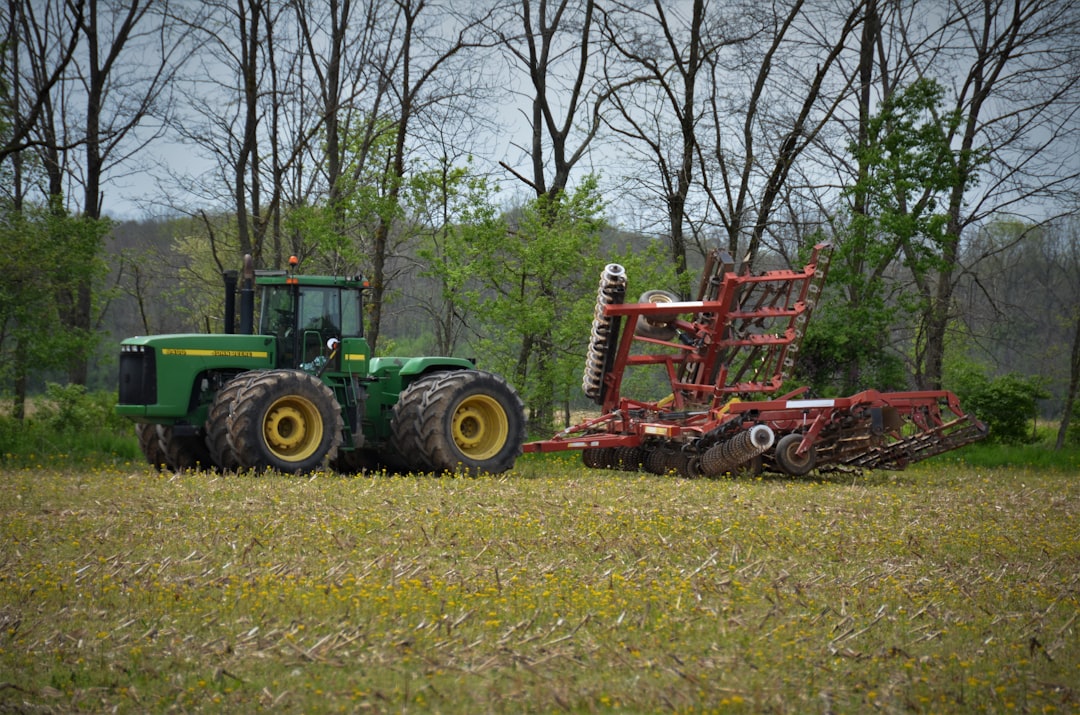
Georgia’s economy, historically rooted in its fertile lands, continues to feel the profound impact of agricultural land use on its job structure. While the state has diversified significantly, the agricultural sector remains a foundational element, shaping employment patterns across a wide spectrum of industries. Understanding this influence requires a granular examination of how land dedicated to farming, forestry, and related activities directly and indirectly creates and sustains jobs. From the direct application of labor in crop cultivation and livestock management to the complex logistical chains and processing industries that follow, agriculture’s footprint is pervasive.
Direct Employment in Agricultural Production
The most immediate impact of agricultural land use on Georgia’s job structure is the direct employment it generates. This encompasses a broad range of roles, from hands-on labor to specialized management positions. The sheer volume of land dedicated to agriculture in the state translates into a significant demand for workers.
Field Labor and Farm Operations
The cultivation of Georgia’s primary crops, such as pecans, poultry, peanuts, blueberries, and cotton, necessitates a substantial labor force. This includes workers tasked with planting, tending, harvesting, and pest control. While mechanization has increased efficiency, many tasks remain labor-intensive, particularly during peak seasons. The demand for skilled and unskilled field labor directly correlates with the acreage under cultivation for specific commodities. Seasonal fluctuations in agricultural production also create cyclical employment opportunities, impacting local economies that are heavily reliant on these industries. Farm managers play a crucial role in overseeing these operations, making decisions about crop rotation, resource allocation, and labor management.
Livestock Management and Care
Georgia’s robust poultry and hog industries, along with a growing cattle sector, contribute significantly to agricultural employment. This involves the daily care of animals, including feeding, monitoring health, and maintaining housing facilities. Farmhands and animal caretakers are essential for the smooth operation of these enterprises. The expansion of these livestock operations, often requiring dedicated tracts of land for housing and grazing, directly influences the demand for specialized labor within rural communities.
Forestry and Timber Harvesting
A considerable portion of Georgia’s land is dedicated to timber production. Forestry operations create jobs in planting, managing, and harvesting timber. This includes roles for foresters who plan and oversee sustainable forest management practices, as well as skilled laborers involved in logging, lumber milling, and wood processing. The long-term nature of timber cultivation means that these jobs provide a more stable employment base compared to some annual crop operations.
Horticultural and Specialty Crop Farming
Beyond commodity crops, Georgia boasts a vibrant horticultural sector and a growing interest in specialty crops. This includes nurseries, landscape design businesses, and farms focusing on fruits, vegetables, and ornamental plants. These operations, often situated on smaller, specialized land parcels, employ a diverse workforce, from horticulturalists to landscape installers and retail staff. The increasing consumer demand for locally sourced and unique produce further fuels job creation in this sub-sector.
The relationship between land use and job structure in Georgia is a complex issue that has significant implications for economic development and urban planning. A related article that delves into this topic can be found at My GeoQuest, where it explores how different land use patterns influence employment opportunities and the overall job market in the state. Understanding these dynamics is crucial for policymakers and planners aiming to create sustainable communities that foster economic growth.
The Agro-Industrial Nexus: Processing and Manufacturing Jobs
The influence of agricultural land use extends far beyond the farm gate, creating a significant ripple effect through the processing and manufacturing sectors. The raw commodities produced on Georgia’s farms require extensive processing to become marketable goods, generating a wide array of industrial employment opportunities. This nexus between agriculture and industry is critical to understanding the state’s broader job structure.
Food Processing and Manufacturing
Georgia’s agricultural output serves as the primary feedstock for a multitude of food processing and manufacturing plants. These facilities are responsible for transforming raw agricultural products into a diverse range of consumer goods.
Meat and Poultry Processing
The state’s dominant poultry industry, for instance, supports extensive processing operations that involve slaughtering, deboning, packaging, and preparing poultry products for distribution. Similarly, pork and beef processing facilities create numerous jobs in cutting, curing, and packaging. These plants, often large-scale operations, are significant employers, particularly in rural and peri-urban areas. The efficiency of these processing plants is directly tied to the consistent supply of agricultural products from nearby farms.
Grain Milling and Cereal Production
The processing of grains like corn and wheat into flour, cornmeal, and other ingredients is another substantial contributor to Georgia’s industrial job base. These facilities employ workers in milling operations, quality control, and product formulation. The downstream production of cereals, baked goods, and snack foods further amplifies this employment impact.
Dairy and Beverage Production
While Georgia’s dairy farming may not be as extensive as in some other states, the processing of milk and dairy products, along with a burgeoning beverage industry that utilizes agricultural inputs like fruits, supports a significant number of jobs. This includes roles in pasteurization, bottling, packaging, and quality assurance.
Value-Added Agricultural Products
Increasingly, agricultural land use is driving the development of value-added products. This encompasses the creation of specialty food items, such as jams, sauces, artisanal cheeses, and gourmet snacks, often by smaller, farm-based businesses. These operations, while perhaps not employing large numbers individually, collectively contribute to a diversified and dynamic job market, often leveraging unique agricultural outputs.
Other Agricultural Product Manufacturing
Beyond food processing, agricultural land use underpins manufacturing in other sectors as well.
Textile and Apparel Manufacturing
Historically, cotton production was a cornerstone of Georgia’s economy, and while the landscape has shifted, remnants of the textile industry persist. The processing of cotton into thread, fabric, and ultimately garments continues to provide employment, albeit on a reduced scale compared to past decades.
Biofuel and Renewable Energy Production
With a growing emphasis on renewable energy, agricultural land use is increasingly contributing to the biofuel sector. Crops like corn and soybeans can be processed into ethanol and biodiesel, creating jobs in the operation of these processing facilities and the associated logistical networks. The demand for these renewable fuels directly influences the need for agricultural inputs, thus impacting land use decisions and related employment.
Supporting Infrastructure and Logistics: Jobs Beyond the Farm
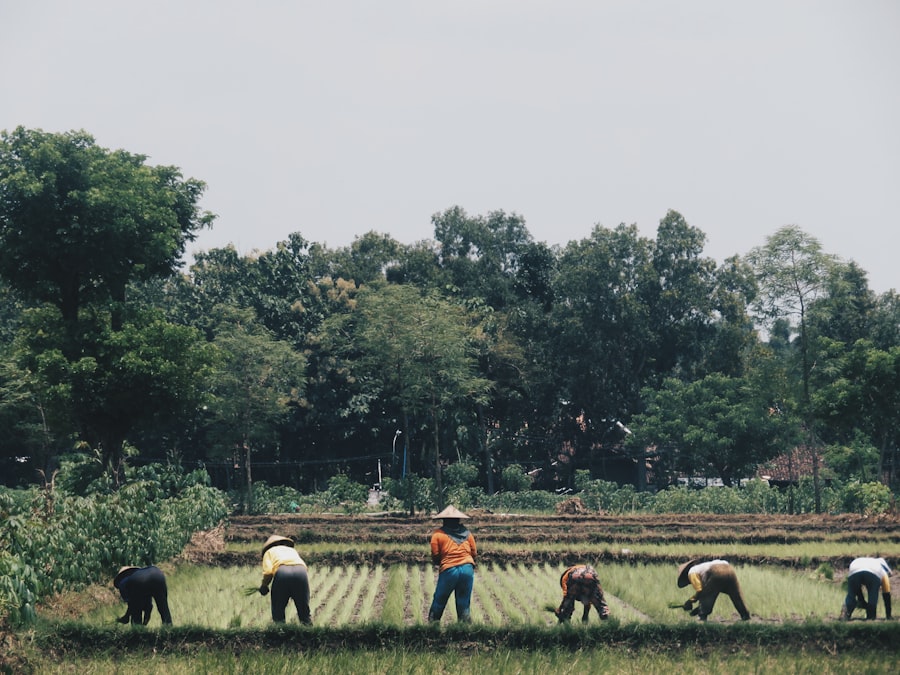
The journey of agricultural products from the farm to the consumer involves a complex web of supporting infrastructure and logistical operations, each generating its own set of employment opportunities. This sector, while not directly involved in cultivation or processing, is intrinsically linked to agricultural land use and its economic output.
Transportation and Distribution Networks
The efficient movement of agricultural commodities is paramount. This necessitates a robust transportation and distribution network.
Trucking and Haulage
A significant number of jobs are created in the trucking and haulage industry, responsible for transporting raw agricultural products from farms to processing facilities, and then finished goods to markets. This includes drivers, dispatchers, mechanics, and logistics coordinators. The volume of agricultural output in Georgia directly correlates with the demand for these transportation services.
Warehousing and Storage
Adequate warehousing and storage facilities are essential for managing agricultural products. This includes refrigerated storage for perishable goods and large-scale storage for grains and other commodities. Jobs in this sector range from warehouse managers and forklift operators to inventory clerks and maintenance personnel. The proximity of these facilities to agricultural production zones is often a key consideration.
Rail and Port Operations
While trucking is dominant, rail transport and port operations also play a role, especially for bulk commodities destined for wider distribution or export. This creates employment at rail yards, shipping terminals, and in related administrative roles. Georgia’s ports, in particular, are crucial for the import of agricultural inputs and the export of processed goods.
Agricultural Input Supply Chain
The agricultural sector itself relies on a complex supply chain of inputs, creating further employment.
Fertilizer and Chemical Manufacturing
The production of fertilizers, pesticides, genetically modified seeds, and other agricultural chemicals provides employment in manufacturing plants and distribution centers. These industries are directly dependent on the demand generated by agricultural land use and the need to optimize crop yields.
Machinery and Equipment Manufacturing and Maintenance
The development, manufacturing, and maintenance of agricultural machinery, from tractors and harvesters to specialized equipment, is a significant employer. This includes engineers, factory workers, sales representatives, and skilled technicians who service and repair these vital tools of agriculture.
Seed and Feed Production
The production of high-quality seeds for planting and specialized feeds for livestock also creates jobs in seed processing facilities and feed mills. The research and development conducted in these areas contribute to advancements in agricultural productivity, further influencing land use decisions.
The Service Sector’s Dependence on Agricultural Land Use
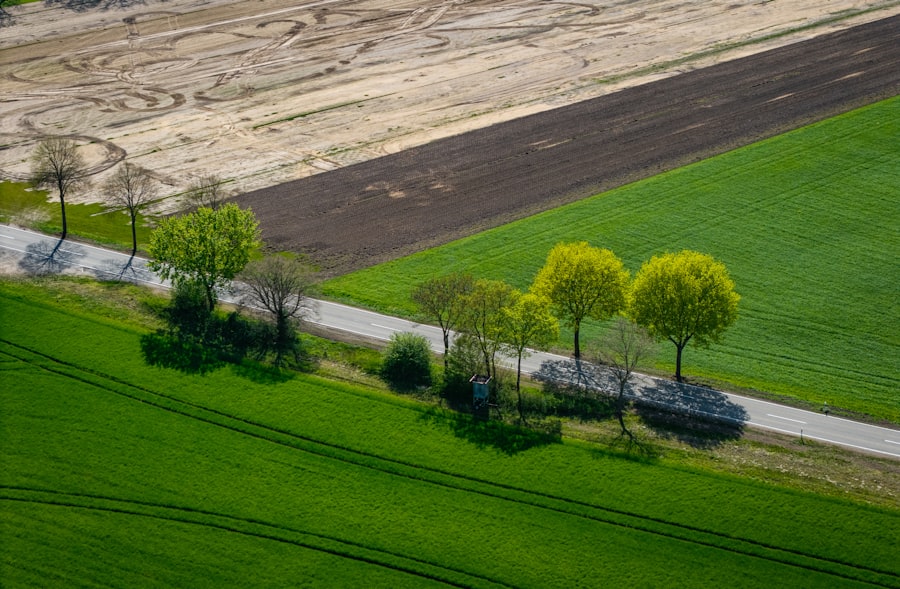
The economic activity generated by agricultural land use and its associated industries fuels demand for a broad range of services, creating a multiplier effect on job creation. These service sector jobs, while not directly agricultural, are indirectly supported by the prosperity and volume of activity stemming from the state’s land-based economy.
Financial and Insurance Services
The agricultural sector requires a substantial array of financial and insurance services to operate and mitigate risks.
Agricultural Lending and Finance
Banks and financial institutions provide loans for land acquisition, farm equipment, operating expenses, and expansion. This requires loan officers, credit analysts, and other financial professionals specializing in agricultural finance.
Crop and Livestock Insurance
Farmers and ranchers rely on insurance to protect against unpredictable weather events, disease outbreaks, and market volatility. Insurance companies employ agents, claims adjusters, and underwriters who specialize in agricultural insurance products.
Business and Management Consulting
Agricultural businesses, from individual farms to larger corporations, often engage business and management consultants to improve efficiency, develop strategic plans, and navigate complex regulatory environments. This includes consultants specializing in agricultural economics, marketing, and operational management.
Legal and Regulatory Support
The agricultural sector is subject to a complex web of regulations, necessitating legal and compliance expertise.
Agricultural Law
Attorneys specializing in agricultural law advise farmers and agribusinesses on issues related to land use, environmental regulations, contracts, labor, and property rights.
Environmental Compliance
Ensuring compliance with environmental regulations, such as those related to water quality, pesticide application, and waste management, creates demand for environmental consultants and compliance officers. These professionals help agricultural operations navigate permits, reporting requirements, and best management practices.
Research and Development in Agriculture
Advancements in agricultural science and technology generate a demand for skilled professionals.
Agronomy and Plant Science
Research institutions and private companies employ agronomists and plant scientists who work on developing new crop varieties, improving farming techniques, and addressing pest and disease challenges. This research is crucial for optimizing agricultural land use and ensuring long-term productivity.
Animal Science and Veterinary Services
The livestock sector supports jobs for animal scientists and veterinarians who focus on animal health, nutrition, and breeding. These professionals contribute to the welfare and productivity of livestock operations, which are a significant component of Georgia’s agricultural land use.
The relationship between land use and job structure in Georgia is a complex topic that has garnered significant attention in recent years. Understanding how different land uses influence employment opportunities can provide valuable insights for urban planning and economic development. For a deeper exploration of this subject, you can refer to a related article that discusses various factors affecting this dynamic. You can find it here: related article. This resource offers a comprehensive analysis of the interplay between land use policies and job creation in the state, highlighting key trends and implications for future growth.
The Broader Economic Ripples and Future Trends
| County | Land Use | Job Structure |
|---|---|---|
| Fulton | Urban | Professional and Business Services |
| Gwinnett | Suburban | Retail Trade and Healthcare |
| Chatham | Urban | Tourism and Hospitality |
| Cobb | Suburban | Manufacturing and Education |
The impact of agricultural land use on Georgia’s job structure reverberates throughout the state’s economy, influencing local communities and shaping future economic development trajectories. Understanding these broader ripples and anticipating future trends is crucial for strategic planning and policy development.
Rural Economic Development and Employment Stability
Agricultural land use is often the primary economic engine for many rural communities in Georgia. The jobs created in farming, processing, and supporting industries provide a vital economic base, helping to sustain local populations and businesses. The stability offered by established agricultural operations can be a counterweight to the volatility experienced in some other sectors.
Diversification within Agriculture
While traditional commodity crops remain important, there is a growing trend towards diversification within the agricultural sector. This includes the expansion of niche crops, organic farming, and agri-tourism. These evolving land use patterns can create new employment opportunities and appeal to a broader range of workers, potentially revitalizing rural economies.
The Role of Technology and Innovation
Technological advancements are reshaping agricultural land use and its impact on employment. Precision agriculture, automation, and data analytics are increasing efficiency and can lead to new, specialized job roles. However, these innovations also raise questions about the future demand for traditional labor and the need for workforce retraining.
Policy and Land Use Planning Interventions
Government policies and land use planning decisions significantly influence the agricultural sector and, consequently, its job structure.
Land Conservation and Urban Sprawl
Policies related to land conservation and managing urban sprawl have direct implications for the availability of agricultural land. Protecting prime farmland from development is crucial for maintaining the agricultural job base. Conversely, unchecked urban expansion can lead to the displacement of agricultural activities and associated employment.
Agricultural Subsidies and Trade Agreements
Government subsidies and international trade agreements can profoundly impact the economic viability of different agricultural sectors. These policies can encourage or discourage investment in specific land uses and commodities, thereby influencing employment levels and the types of jobs available.
Workforce Development and Education
As agricultural practices evolve, investing in workforce development and education becomes paramount. Programs that train workers in new technologies, farm management, and specialized agricultural skills are essential for ensuring a skilled labor force and adapting to changing demands. This includes preparing individuals for roles in areas like vertical farming and controlled environment agriculture, which represent future directions for land use.
The Future Landscape of Agricultural Employment
The trajectory of land use impact on Georgia’s job structure will continue to be shaped by evolving consumer preferences, technological advancements, and environmental considerations. Growing demand for sustainably produced food, coupled with the need to adapt to climate change, will likely drive innovation in agricultural practices and create new employment niches. The integration of technology will necessitate a workforce capable of operating and maintaining sophisticated machinery and analyzing vast datasets. Furthermore, an increasing emphasis on local food systems and direct-to-consumer sales may foster a more decentralized job market within the agricultural value chain. Understanding these dynamic forces is key to predicting how agricultural land use will continue to mold Georgia’s employment landscape in the years to come.
FAQs
1. What is the relationship between land use and job structure in Georgia?
The relationship between land use and job structure in Georgia refers to how the way land is utilized, such as for residential, commercial, or industrial purposes, impacts the types of jobs available in the state.
2. How does land use affect job opportunities in Georgia?
Land use in Georgia can affect job opportunities by determining the types of industries and businesses that can operate in certain areas, which in turn influences the availability of different types of jobs.
3. What are some examples of how land use and job structure are connected in Georgia?
Examples of the connection between land use and job structure in Georgia include the presence of industrial parks in certain areas leading to an abundance of manufacturing jobs, or the development of residential neighborhoods leading to an increase in retail and service industry jobs.
4. How does urban and rural land use differ in terms of job structure in Georgia?
Urban land use in Georgia tends to be more concentrated with a diverse range of job opportunities in industries such as finance, technology, and healthcare, while rural land use may be more focused on agriculture and natural resource-based jobs.
5. What are the potential implications of the relationship between land use and job structure in Georgia?
The implications of the relationship between land use and job structure in Georgia include the potential for economic growth or decline in certain regions, as well as the need for strategic planning to ensure a balanced and sustainable job market across the state.