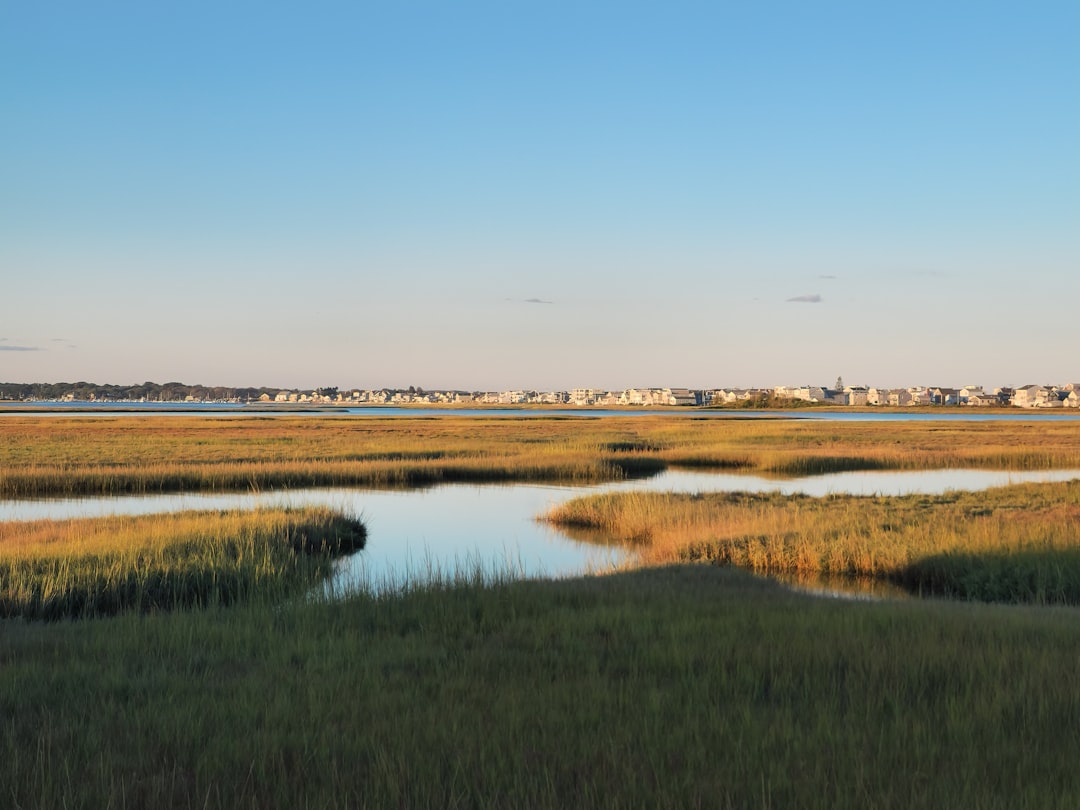
The encroaching tide of urban development exerts a significant and often underappreciated pressure on Georgia’s precious coastal marshlands. These vital ecosystems, recognized for their ecological significance and economic contributions, face a persistent threat as human populations grow and demand for land intensifies. Understanding the true cost of this expansion necessitates a detailed examination of the tangible and intangible losses incurred when marshland is sacrificed for concrete and asphalt.
Georgia’s extensive salt marsh system, a defining feature of its coastline, is more than just undeveloped land. It represents a complex and dynamic biological engine, critical to the health of the surrounding environment and the productivity of coastal economies. The value of these marshes is multifaceted, encompassing their role as unparalleled biodiversity hotspots, their crucial function in water filtration and purification, and their inherent resilience as natural buffers against coastal erosion.
Biodiversity Sanctuaries
The intricate network of channels, mudflats, and vegetation within Georgia’s salt marshes provides essential habitat for an astonishing array of species. During migratory periods, these wetlands become vital stopover points for countless bird species, offering crucial resting and feeding grounds. Endemic and migratory shorebirds, wading birds like the Great Egret and Roseate Spoonbill, and numerous waterfowl rely on the marsh for sustenance and breeding success.
Beyond avian life, the marsh serves as a nursery ground for a significant portion of the fish and shellfish species that populate the Atlantic coast. Juvenile stages of commercially important species, including flounder, red drum, and shrimp, find refuge and abundant food sources within the protective embrace of the marsh grasses. This critical role in the life cycle of these species directly underpins the economic viability of Georgia’s seafood industry.
Furthermore, the marsh environment supports a unique community of invertebrates, from fiddler crabs scurrying across the mudflats to various species of mollusks and crustaceans. These organisms form the base of the marsh’s intricate food web, supporting larger predators and contributing to the overall ecological health and stability of the ecosystem. The loss of marshland directly translates to the diminishment of these distinct ecological niches and a subsequent reduction in biodiversity.
Natural Water Filtration and Purification Systems
Georgia’s coastal marshes act as powerful natural filters, purifying water before it reaches the open ocean. The dense vegetation and intricate tidal channels effectively trap sediment, pollutants, and excess nutrients that would otherwise degrade the water quality of estuaries and nearshore marine environments. This natural filtration process is invaluable, reducing the burden on costly artificial water treatment facilities and contributing to the health of downstream aquatic ecosystems.
The vegetation within the marsh, particularly Spartina alterniflora (smooth cordgrass), plays a pivotal role in this filtration. As water flows through the marsh, the cordgrass and its associated root systems slow the water’s velocity, allowing suspended particles to settle out. This process removes pollutants such as heavy metals, pesticides, and excess nitrogen and phosphorus from agricultural runoff and urban wastewater.
Without this natural purification, the increased sediment load can smother oyster beds and seagrass meadows, essential habitats for marine life. Elevated nutrient levels can lead to eutrophication, causing algal blooms that deplete oxygen and create dead zones in coastal waters, decimating fish populations. The economic cost of replacing this natural filtration service with engineered solutions would be substantial, encompassing the construction, operation, and maintenance of advanced water treatment plants.
Coastal Erosion Control and Storm Protection
The extensive root systems of marsh grasses bind the soil, providing a natural defense against the erosive forces of waves and tides. This intricate root network stabilizes the shoreline, preventing the loss of valuable upland property and infrastructure. The marsh itself acts as a shock absorber, dissipating wave energy and reducing the impact of storm surges that can wreak havoc on coastal communities.
During hurricanes and other severe weather events, the marshland significantly attenuates wave action. The dense vegetation and the very topography of the marsh absorb and dissipate energy, reducing the height and force of incoming waves. This protective function directly translates to decreased damage to inland structures, reduced flooding, and a lower overall cost of disaster response and recovery for coastal municipalities.
As sea levels rise and the frequency and intensity of storms are projected to increase, the protective role of coastal marshes becomes even more critical. Sacrificing these natural buffers for development significantly increases the vulnerability of coastal communities to flooding and erosion, leading to escalating costs associated with rebuilding and retrofitting infrastructure, and in the most extreme cases, necessitating the costly relocation of populations and businesses.
The ongoing debate between preserving Georgia’s coastal marshland and accommodating large-scale urban expansion has significant implications for both the environment and the economy. A related article that delves into the costs associated with urban development versus the ecological benefits of maintaining these vital ecosystems can be found at My GeoQuest. This resource provides valuable insights into the trade-offs involved in urban planning and the importance of sustainable development practices.
The Economic Drivers of Urban Expansion in Georgia
The relentless pressure for urban expansion on Georgia’s coast is fueled by a confluence of economic forces. Population growth, driven by both in-migration and natural increase, creates an ever-increasing demand for housing, commercial space, and recreational facilities. This demand, coupled with the perceived economic benefits of development, often overshadows the long-term ecological and economic considerations of preserving marshland.
Population Growth and Housing Demand
Georgia’s coastal region has experienced significant population growth over the past several decades. This influx of residents, drawn by the allure of the coast, favorable climate, and economic opportunities, directly translates into an increased need for residential housing. As urban areas expand outwards, the periphery of development inevitably encroaches upon undeveloped land, including valuable marshland areas that are often perceived as prime real estate.
The construction of new housing developments, from single-family homes to multi-unit apartments, requires substantial land. Developers often find marshland sites attractive due to their relative low cost compared to already developed upland areas and their aesthetic appeal for waterfront properties. This perception of value, however, often fails to account for the hidden costs associated with the ecological services that the marsh provides.
Commercial Development and Economic Opportunity
Beyond residential housing, the expansion of commercial and industrial sectors also contributes to the pressure on marshlands. The development of retail centers, office parks, and light industrial facilities creates jobs and stimulates economic activity, aligning with the goals of economic development agencies. These projects, however, require significant land footprints, and in coastal areas, this often means placing them in proximity to or directly atop former marshland.
The desire to attract new businesses and expand existing ones often leads to zoning changes that permit development in previously protected areas. Tax revenue generated by new commercial enterprises can be a compelling argument for decision-makers, leading to a prioritization of development over conservation. This economic calculus, however, can be shortsighted if it does not adequately consider the long-term economic costs of losing critical ecosystem services.
Tourism and Recreational Land Use
Georgia’s coast is a major tourist destination, attracting visitors seeking its beaches, fishing opportunities, and natural beauty. This tourism industry, while economically beneficial, also drives demand for recreational facilities, hotels, and associated infrastructure. Often, these amenities are strategically located to maximize views and access to the coast, which can lead to development on or near sensitive marsh environments.
The expansion of marinas, golf courses, and waterfront resorts can directly impact marshland through dredging, filling, and habitat alteration. While these developments contribute to the economy through job creation and visitor spending, they simultaneously erode the natural capital that underpins their very appeal. The loss of pristine marshland diminishes the very natural attractions that draw tourists in the first place.
The Tangible Costs of Marshland Loss
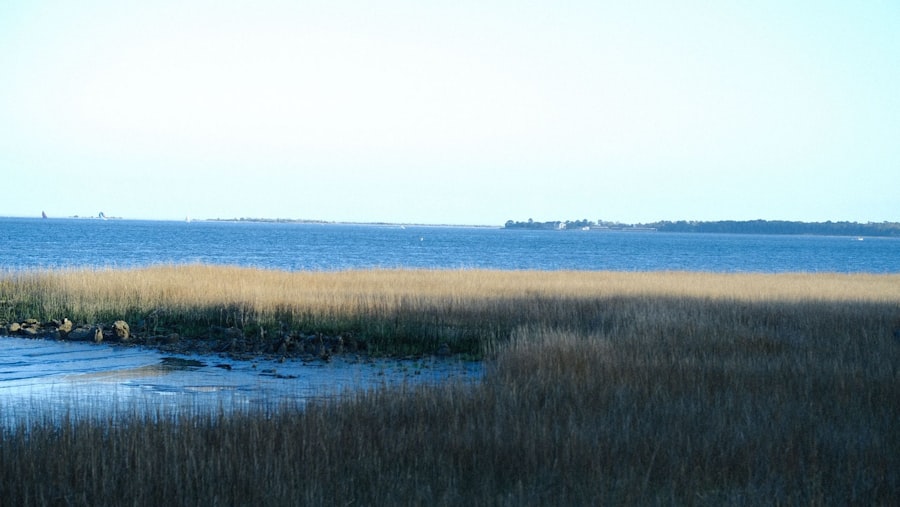
The conversion of marshland to urban and industrial uses incurs direct, quantifiable economic costs. These costs manifest in several ways, from the direct expenses associated with infrastructure development to the loss of valuable natural resources and the increased burden on public services.
Infrastructure Development and Maintenance
Constructing infrastructure, such as roads, buildings, and utilities, on former marshland is often significantly more expensive than developing on stable upland soils. The soft, waterlogged nature of marsh soils requires specialized foundation techniques, extensive drainage systems, and ongoing maintenance to mitigate subsidence and water damage.
The cost of building roads and bridges across or adjacent to marshland involves specialized engineering to ensure structural integrity and prevent ecological damage. Dredging to create channels for boat access or to reclaim land for development also carries substantial costs, including the expense of spoil disposal and the potential for long-term environmental remediation.
Furthermore, the lifespan of infrastructure built on marshland can be shorter due to the constantly changing environmental conditions, including tidal inundation and soil instability. This necessitates more frequent and costly repairs and eventual replacement, adding to the long-term economic burden on taxpayers and developers alike.
Loss of Commercially Valuable Natural Resources
The direct economic value of Georgia’s coastal marshes lies in the abundant seafood they support and the opportunities for ecotourism they provide. The conversion of marshland leads to a quantifiable loss of these commercially valuable natural resources.
The decline in fish and shellfish populations due to the destruction of nursery grounds directly impacts the livelihoods of commercial fishermen and the profitability of seafood processing businesses. Reduced catches translate to lower revenue for these industries and can have ripple effects throughout the local economy.
Similarly, the degradation of the natural beauty and ecological integrity of the coast due to development can diminish its appeal for eco-tourism. This can lead to a decrease in visitor numbers and revenue for businesses that depend on a healthy and vibrant coastal environment. The intangible value of these natural assets is difficult to quantify but represents a real economic loss.
Increased Burden on Public Services and Disaster Response
When marshland buffers are replaced by development, coastal communities become more vulnerable to the impacts of severe weather events. This increased vulnerability translates into a greater demand for public services related to disaster response, including emergency services, temporary housing, and long-term recovery efforts.
Following a storm, damaged infrastructure and flooded properties require extensive repair and rebuilding, placing a significant financial strain on local and state governments. The cost of flood insurance for properties in newly developed areas, often built on formerly protected land, also increases.
Water treatment and stormwater management systems in developed areas face an increased burden as natural filtration by marshlands is lost. This necessitates the construction and maintenance of more extensive and sophisticated engineered systems to manage runoff and prevent pollution, adding to the ongoing public expenditure.
The Intangible and Long-Term Costs of Marshland Development
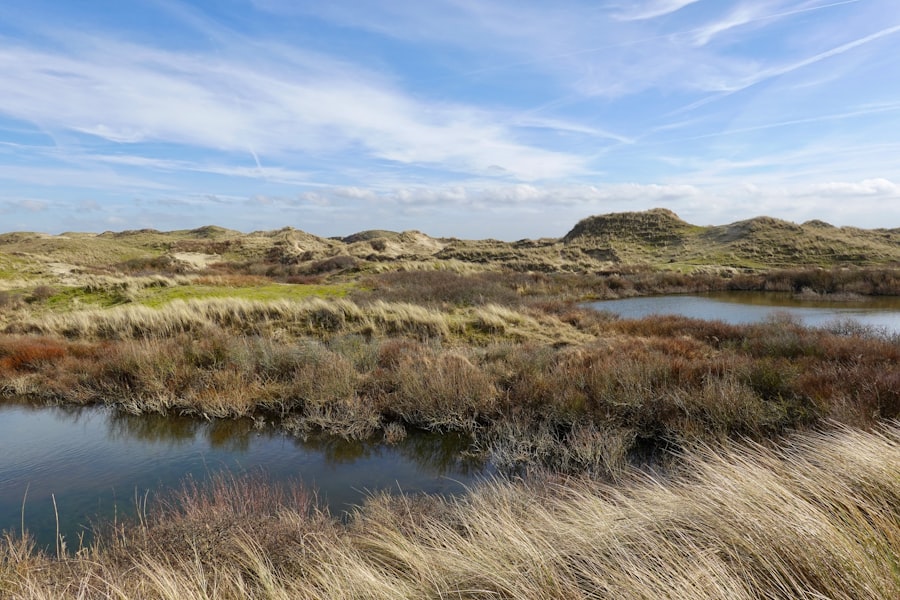
Beyond the immediate financial expenditures, the conversion of marshland incurs significant intangible costs that have profound and lasting implications for both the environment and human well-being. These costs are often harder to quantify in economic terms but represent a fundamental diminishment of the quality of life and the long-term sustainability of coastal communities.
Degradation of Water Quality and Ecosystem Services
As previously discussed, marshes act as natural filters. Their loss directly leads to the degradation of water quality in estuaries and coastal waters. This has a cascade of negative consequences, including harm to aquatic life, reduced recreational opportunities (swimming, boating, fishing), and potential impacts on human health through contaminated seafood or recreational waters.
The loss of phytoplankton and other primary producers within the marsh signifies a reduction in the base of the food web, impacting all trophic levels. This can lead to a decrease in the overall productivity and resilience of the marine ecosystem. The ability of these waters to support diverse life forms and provide essential ecosystem services, such as carbon sequestration, is diminished.
Loss of Recreational and Aesthetic Value
Georgia’s coastal marshlands offer unparalleled opportunities for recreation and possess profound aesthetic value. Birdwatching, kayaking, fishing, and simply enjoying the natural beauty of these landscapes are activities that contribute to human well-being and provide significant recreational economic benefits. The conversion of marshland to urban development inevitably diminishes these opportunities.
The visual appeal of the coast is significantly altered when natural marsh vistas are replaced by strip malls, housing developments, and industrial facilities. This loss of aesthetic beauty can impact property values in surrounding areas and diminish the overall desirability of the region as a place to live and visit. The creation of more concrete and less green space alters the character of the region, often leading to a homogenization that erodes local uniqueness.
Erosion of Cultural Heritage and Sense of Place
For generations, the coastal marshes have been integral to the cultural heritage and sense of place for communities along Georgia’s coast. Indigenous populations, early settlers, and subsequent generations have a deep connection to these landscapes, which have shaped their traditions, livelihoods, and identities. The encroachment of urban development can erode this cultural heritage.
The displacement of traditional fishing communities, the alteration of familiar landscapes, and the loss of access to historically significant areas can lead to a disconnection from place and a weakening of cultural ties. The narrative of a coastal community is often intrinsically linked to its natural environment, and the destruction of that environment can lead to a loss of collective memory and identity.
The ongoing debate surrounding the preservation of Georgia’s coastal marshland versus the costs associated with large-scale urban expansion has garnered significant attention in recent years. A related article explores the intricate balance between environmental sustainability and urban development, highlighting the potential long-term consequences of neglecting these vital ecosystems. For more insights on this topic, you can read the full article here. Understanding the implications of these decisions is crucial for both local communities and policymakers as they navigate the challenges of growth and conservation.
The Future of Georgia’s Coast: Balancing Development and Conservation
| Category | Georgia Coastal Marshland | Large Scale Urban Expansion |
|---|---|---|
| Land Cost | Lower | Higher |
| Environmental Impact | Minimal | Significant |
| Infrastructure Cost | Lower | Higher |
| Ecological Value | High | Low |
The ongoing tension between urban expansion and the preservation of Georgia’s coastal marshlands presents a critical challenge for the state. Finding a sustainable path forward requires a fundamental shift in how the value of these ecosystems is understood and integrated into decision-making processes. This necessitates a proactive approach that prioritizes long-term ecological and economic resilience over short-term development gains.
Policy and Regulatory Frameworks
Effective policy and robust regulatory frameworks are essential for protecting Georgia’s remaining marshlands. This includes strengthening existing environmental protection laws, ensuring vigilant enforcement, and considering new policies that incentivize conservation and limit development in ecologically sensitive areas.
The establishment of clear buffer zones around sensitive wetlands, the implementation of stricter permitting processes for development projects that impact marshland, and the creation of dedicated conservation funds are crucial steps. Furthermore, policies that promote smart growth and infill development in already urbanized areas can reduce the pressure to expand into undeveloped natural landscapes.
Economic Incentives and Conservation Easements
Beyond regulatory measures, creating economic incentives for landowners and developers to protect marshland is a vital strategy. Conservation easements, which allow landowners to voluntarily restrict their land’s development in exchange for financial or tax benefits, can be a powerful tool in preserving these valuable ecosystems.
Payment for ecosystem services programs, where landowners are compensated for the environmental benefits their land provides, such as water filtration and carbon sequestration, can also offer a sustainable economic model for marshland preservation. These approaches recognize the economic value of intact ecosystems and provide a financial rationale for their conservation.
Public Awareness and Stakeholder Engagement
Ultimately, the long-term protection of Georgia’s coastal marshlands depends on widespread public awareness and active stakeholder engagement. Educating the public about the vital ecological and economic roles these ecosystems play is crucial for fostering a sense of stewardship and support for conservation efforts.
Bringing together diverse stakeholders, including government agencies, environmental organizations, scientific researchers, developers, and local communities, to collaboratively address the challenges of coastal development is paramount. Open dialogue, shared understanding, and a commitment to finding balanced solutions are essential for ensuring the health and vitality of Georgia’s coastal environment for generations to come. The cost of inaction, in terms of both ecological degradation and economic loss, is simply too high to ignore.
FAQs
What are the environmental benefits of Georgia coastal marshlands?
Georgia coastal marshlands provide important ecosystem services such as flood control, water filtration, and habitat for diverse wildlife. They also act as a buffer against storm surges and help mitigate the impacts of climate change.
What are the economic benefits of preserving Georgia coastal marshlands?
Preserving Georgia coastal marshlands can lead to economic benefits such as supporting the fishing and tourism industries, providing recreational opportunities, and maintaining property values. Additionally, the marshlands contribute to the overall health of the coastal ecosystem, which is essential for the economy of the region.
What are the costs associated with large scale urban expansion in Georgia?
Large scale urban expansion in Georgia can lead to costs such as increased infrastructure and maintenance expenses, loss of natural habitats, higher risk of flooding, and degradation of water quality. Additionally, urban expansion can contribute to the loss of valuable ecosystem services provided by the coastal marshlands.
How does large scale urban expansion impact the environment in Georgia?
Large scale urban expansion in Georgia can lead to environmental impacts such as loss of biodiversity, increased air and water pollution, and disruption of natural ecosystems. It can also contribute to the loss of valuable natural resources and exacerbate the effects of climate change.
What are the long-term implications of choosing between preserving Georgia coastal marshlands and large scale urban expansion?
The long-term implications of choosing between preserving Georgia coastal marshlands and large scale urban expansion include the sustainability of the coastal ecosystem, the resilience of the region to natural disasters, and the overall quality of life for residents. Additionally, the decision can have lasting effects on the economy, environment, and social well-being of the region.