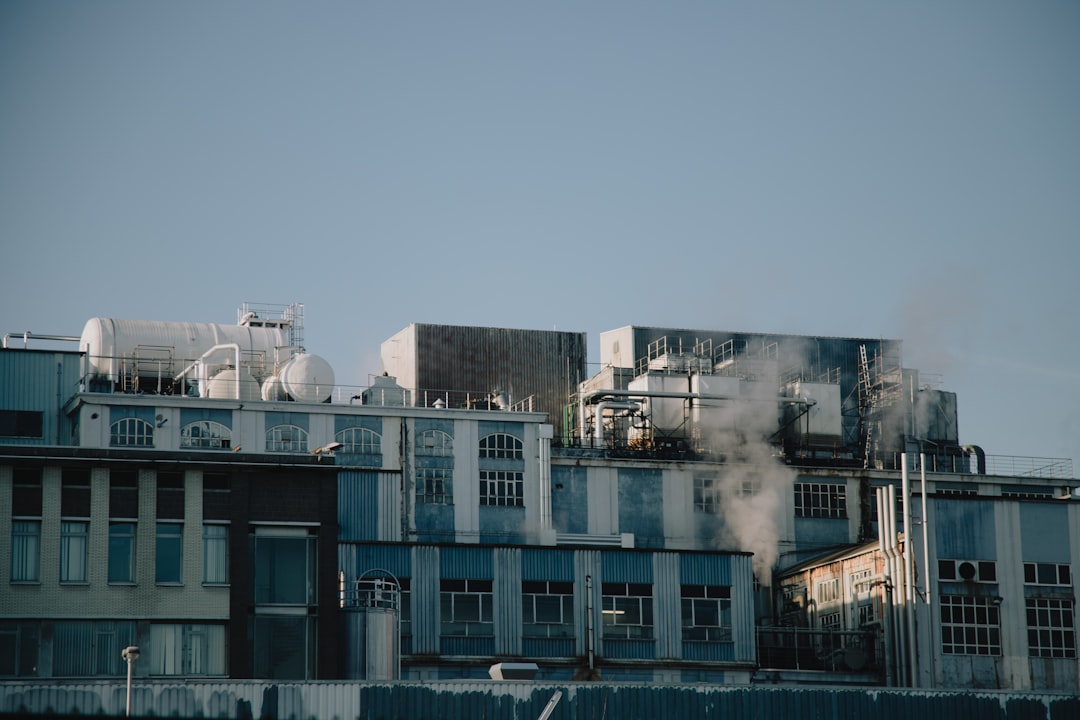
Revitalizing the Great Lakes: Legacy Contamination Cleanup
The Great Lakes, a colossal freshwater system bordering the United States and Canada, are an invaluable natural resource. Their sheer scale, holding approximately 20% of the world’s surface fresh water, underscores their ecological significance and economic importance. However, decades of industrial activity, agricultural runoff, and historical waste disposal practices have left a lasting scar on these iconic waterways: legacy contamination. This article examines the multifaceted challenge of cleaning up this persistent pollution, the progress made, and the ongoing complexities that shape the revitalization efforts for this critical ecosystem.
The economic boom of the 20th century, particularly in manufacturing and resource extraction, was inextricably linked to the Great Lakes basin. Industries thrived along the shores, processing raw materials, producing goods, and, unfortunately, discharging untreated waste directly into the lakes and their tributaries. This historical practice, often driven by a lack of environmental regulation and a limited understanding of long-term ecological impacts, resulted in the widespread accumulation of persistent toxic substances.
Persistent Organic Pollutants (POPs)
A major concern stemming from industrial activity is the presence of Persistent Organic Pollutants (POPs). These are chemical compounds that are resistant to environmental degradation, meaning they break down neither through biological processes, naturally occurring chemical reactions, nor by sunlight – hence the “persistent” in their name. POPs can be transported long distances, accumulating in the fatty tissues of living organisms.
PCBs: A Persistent Problem
Polychlorinated Biphenyls (PCBs) are a prime example of POPs that have plagued the Great Lakes. Manufactured for a variety of industrial applications, including as coolants and insulating fluids in electrical equipment, PCBs were dumped in massive quantities into the waterways. Their slow degradation means they remain in sediments and aquatic life, posing risks to human health and wildlife through the food chain. Remediation efforts often involve expensive dredging and containment of contaminated sediments.
Dioxins and Furans: Byproducts of Incomplete Combustion
Dioxins and furans, often produced as unintended byproducts of industrial processes like chemical manufacturing and waste incineration, are another group of highly toxic POPs found in the Great Lakes. These compounds are known carcinogens and can disrupt endocrine systems. Their detection requires sensitive analytical techniques, and their widespread distribution in sediments and biota makes comprehensive cleanup a formidable task.
Heavy Metals: Industrial Effluents and Their Fallout
Beyond organic compounds, heavy metals represent another significant category of legacy contaminants. Industries involved in smelting, mining, and metal plating frequently released metals such as mercury, lead, cadmium, and chromium into the environment.
Mercury in the Food Chain
Mercury, a potent neurotoxin, has been a particular focus of concern. Historical mercury mining, industrial discharges, and even the burning of coal have contributed to its presence in the Great Lakes. Once in the water, mercury can be converted by bacteria into methylmercury, a form that bioaccumulates in fish. This bioaccumulation leads to elevated levels in fish consumed by humans and wildlife, posing serious health risks, particularly to pregnant women and young children. Fish consumption advisories are a common and ongoing consequence of mercury contamination.
Lead and Cadmium: Ubiquitous Industrial Inputs
Lead and cadmium, used in various industrial applications and found in pigments and batteries, also entered the Great Lakes through wastewater discharges and atmospheric deposition from industrial emissions. These metals can accumulate in sediments and aquatic organisms, impacting their health and potentially entering the human food chain through contaminated fish or shellfish. While efforts have been made to reduce new inputs, the legacy of historical releases continues to be a challenge.
The issue of legacy industrial contamination in the Great Lakes has garnered significant attention, particularly regarding the ongoing cleanup efforts at various sites. A related article that delves deeper into the challenges and progress of these cleanup initiatives can be found at this link. This resource provides valuable insights into the environmental impact of industrial activities and the collaborative efforts being made to restore the health of the Great Lakes ecosystem.
The Legacy of Agricultural Practices
While industrial pollution has historically been a dominant concern, agricultural practices, particularly intensive farming methods, have contributed their own forms of legacy contamination to the Great Lakes ecosystem. While not always as acutely toxic as industrial chemicals, their widespread and persistent presence has significant cumulative impacts.
Nutrient Pollution and Eutrophication
Excessive nutrient runoff, primarily from fertilizers containing nitrogen and phosphorus, has been a long-standing issue. This nutrient enrichment, known as eutrophication, fuels the excessive growth of algae and aquatic plants.
Algal Blooms and Oxygen Depletion
When these blooms die and decompose, the process consumes dissolved oxygen in the water, creating hypoxic or anoxic “dead zones.” These low-oxygen environments can be fatal to fish and other aquatic life, fundamentally altering ecosystem structure and function. While some progress has been made in reducing nutrient loads, historical agricultural practices have left a legacy of nutrient-rich sediments that can continue to fuel blooms.
Pesticides and Herbicides: Lingering Chemical Signatures
The widespread application of pesticides and herbicides in agricultural settings has also contributed to legacy contamination. While many of these chemicals have been banned or their use restricted, some persist in soils and sediments for extended periods.
Bioaccumulation and Ecosystem Disruption
Certain pesticides, particularly organochlorines, are known to be persistent and bioaccumulate in the food chain, mirroring the concerns associated with POPs. These chemicals can disrupt the reproductive systems and overall health of aquatic organisms, impacting populations of fish, birds, and other wildlife. The long-term effects of these lingering chemical signatures require ongoing monitoring and research.
Identifying and Assessing Contaminated Sites
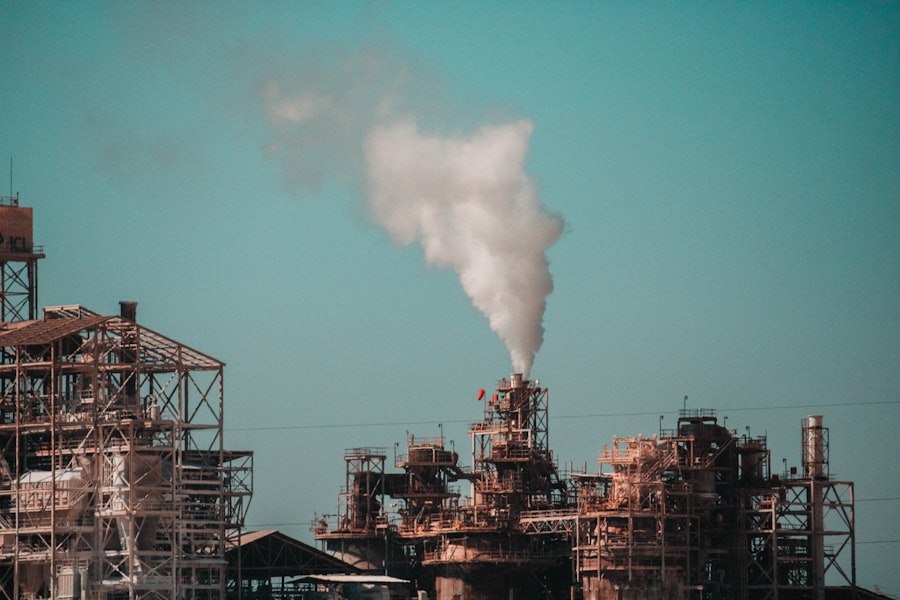
The sheer scale and complexity of the Great Lakes basin necessitate a systematic and scientific approach to identifying and assessing areas burdened by legacy contamination. This process is critical for prioritizing cleanup efforts and allocating resources effectively. Without accurate assessment, remediation strategies may be misdirected or insufficient.
Sediment and Water Quality Monitoring
A cornerstone of contamination assessment involves extensive monitoring of both sediment and water quality. Scientists collect sediment cores from various locations within the lakes and connecting channels, analyzing them for specific contaminants. This provides a historical record of pollution and helps delineate the extent of contaminated areas.
Specialized Sampling Techniques
The challenging aquatic environment requires specialized sampling techniques. Remote sensing, sediment grab samplers, and vibracoring devices are employed to collect samples from the lakebed. Water samples are also regularly collected at different depths and locations to track the movement and concentration of contaminants in the water column.
Biomonitoring and Food Web Analysis
Understanding how contaminants move through the ecosystem is equally important. Biomonitoring involves collecting and analyzing tissue samples from various aquatic organisms, from plankton to fish and aquatic mammals. This helps assess bioaccumulation and biomagnification – the increasing concentration of contaminants at higher trophic levels.
Risk Assessment for Wildlife and Human Health
The data gathered from sediment, water, and biological monitoring are used to conduct risk assessments. These assessments evaluate the potential harm posed by contaminants to aquatic life, wildlife, and ultimately, human health through consumption of contaminated fish or recreational exposure. This scientific evaluation forms the basis for determining the necessity and scope of cleanup actions.
Remediation and Restoration Strategies

Addressing legacy contamination in the Great Lakes is not a singular endeavor but a suite of complex and often costly remediation strategies tailored to the specific contaminants and locations. These strategies aim to contain, remove, or neutralize pollutants to improve water quality and ecosystem health.
Dredging and Sediment Capping
For highly contaminated sediments, particularly those containing heavy metals and persistent organic compounds, dredging is often employed. This involves physically removing the contaminated material. Following dredging, the disturbed area may be capped with clean sediment or specialized capping materials to prevent the resuspension of any remaining contaminants.
Challenges of Scale and Cost
The Great Lakes contain vast quantities of contaminated sediment, making large-scale dredging a logistically challenging and exceptionally expensive undertaking. The disposal of dredged material also presents its own set of environmental considerations, requiring secure containment facilities to prevent recontamination.
In-Situ Treatment and Natural Recovery
In some instances, in-situ (in place) treatment methods are utilized. This might involve chemical stabilization of contaminants within the sediment to reduce their bioavailability. In other cases, where contamination levels are moderate and the environment is relatively healthy, natural recovery might be allowed to occur over time with reduced new inputs of pollutants.
Limitations of In-Situ Methods
The effectiveness of in-situ treatments can vary depending on the specific contaminants and site conditions. Natural recovery is a passive approach that requires long timeframes and favorable environmental conditions, and it may not be sufficient for highly toxic legacy pollutants.
Habitat Restoration and Ecosystem Resilience
Beyond direct contaminant removal, ecological restoration plays a crucial role in revitalizing the Great Lakes. This involves re-establishing native habitats that can enhance the ecosystem’s ability to withstand and recover from pollution.
Re-establishing Wetlands and Shorelines
Restoring degraded wetlands and shorelines can improve water quality by naturally filtering pollutants and providing valuable habitat for aquatic life. These restored areas can also enhance the resilience of the ecosystem to stressors, including residual contamination.
The ongoing efforts to address legacy industrial contamination at Great Lakes cleanup sites are crucial for restoring the health of these vital ecosystems. A related article discusses the various strategies being implemented to tackle pollution and promote environmental sustainability in the region. For more insights on this important topic, you can read the article here, which highlights the collaborative efforts between government agencies and local communities to ensure a cleaner future for the Great Lakes.
Ongoing Challenges and Future Prospects
| Site Name | Location | Contaminants | Cleanup Status |
|---|---|---|---|
| Grasse River | New York | PCBs, heavy metals | Ongoing |
| Ashtabula River | Ohio | PAHs, heavy metals | Completed |
| Black Lagoon | Michigan | Mercury, lead | Ongoing |
Despite decades of effort and significant investment, the cleanup of legacy contamination in the Great Lakes remains an ongoing and complex undertaking. The sheer scale of the problem, combined with evolving scientific understanding and the dynamic nature of aquatic ecosystems, presents persistent challenges.
Funding and Political Will
Securing adequate and sustained funding for cleanup projects is a perpetual challenge. The long-term nature of legacy contamination means that remediation efforts extend over many years, requiring consistent financial commitment from both national governments and regional bodies. Maintaining political will and public support for these costly, long-term initiatives is paramount.
Addressing Emerging Contaminants
While legacy contaminants are a primary focus, the Great Lakes are also facing the challenge of emerging contaminants. These are substances that are newly recognized as posing environmental or human health risks, often originating from pharmaceuticals, personal care products, and industrial chemicals not historically regulated. Addressing these new threats requires proactive research, monitoring, and adaptive regulatory approaches.
Climate Change Impacts on Remediation
Climate change introduces another layer of complexity. Changes in water levels, increased storm intensity, and warming waters can affect the distribution and mobility of contaminants, potentially impacting the effectiveness of current remediation strategies and requiring adaptive management approaches.
The Importance of International Cooperation
Given that the Great Lakes straddle international borders, continued and strengthened cooperation between the United States and Canada is essential. Joint research, coordinated policy development, and shared resource allocation are critical for effective management and cleanup of this shared watershed. The success of the Great Lakes Water Quality Agreement serves as a testament to the power of binational collaboration.
The revitalization of the Great Lakes through legacy contamination cleanup is a testament to sustained environmental commitment. While significant progress has been made in identifying, assessing, and remediating contaminated sites, the scale of the challenge demands continued vigilance, scientific innovation, and unwavering dedication. The long-term health and prosperity of this vital freshwater system depend on these ongoing efforts to mitigate the lingering effects of the past and build a more resilient future.
FAQs
What is the extent of industrial contamination in the Great Lakes?
The Great Lakes have been heavily impacted by industrial contamination, with pollutants such as heavy metals, PCBs, and other hazardous substances affecting water and sediment quality.
What are some of the cleanup sites in the Great Lakes region?
Some of the major cleanup sites in the Great Lakes region include the Buffalo River in New York, the Ashtabula River in Ohio, and the St. Marys River in Michigan.
What are the potential health and environmental impacts of industrial contamination in the Great Lakes?
Industrial contamination in the Great Lakes can lead to a range of health and environmental impacts, including impaired water quality, harm to aquatic life, and risks to human health from consuming contaminated fish and water.
What efforts are being made to clean up legacy industrial contamination in the Great Lakes?
Efforts to clean up legacy industrial contamination in the Great Lakes include remediation projects, habitat restoration, and the implementation of pollution control measures to prevent further contamination.
How can individuals contribute to the cleanup and protection of the Great Lakes?
Individuals can contribute to the cleanup and protection of the Great Lakes by supporting conservation efforts, properly disposing of hazardous waste, and advocating for policies that promote clean water and environmental stewardship.