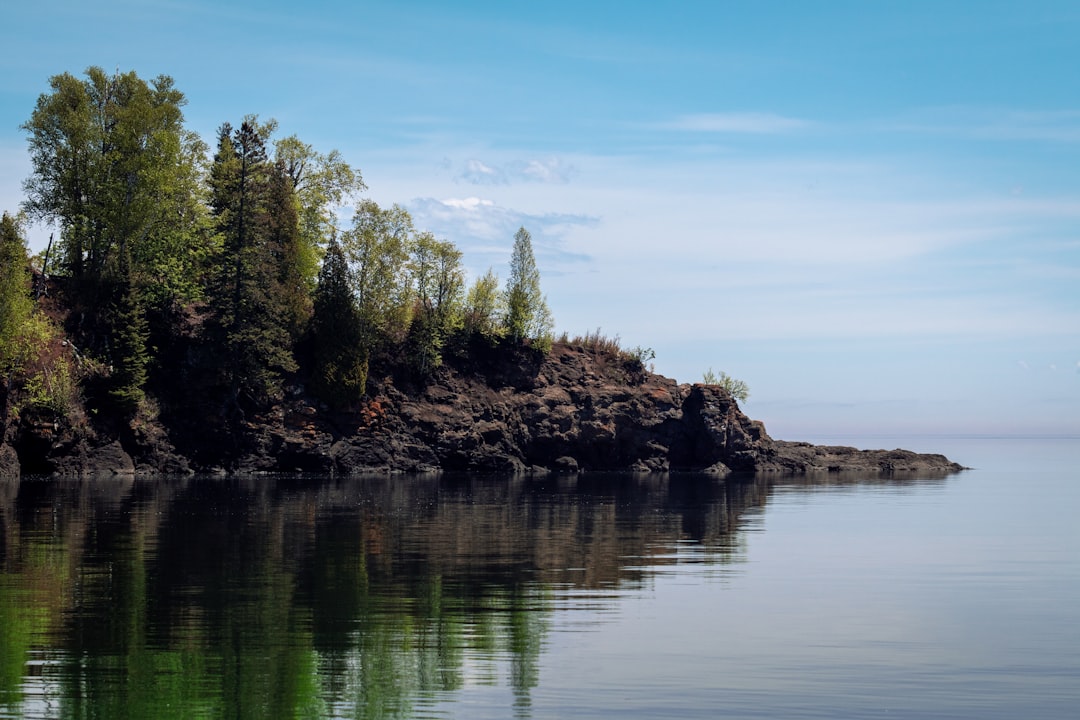
The Great Lakes, a colossal freshwater system dominating the northeastern portion of North America, experiences dynamic fluctuations in surface elevation. These changes, while often localized and driven by a complex interplay of climatic and hydrological factors, are increasingly being discussed in the context of global sea-level rise. Understanding the mechanisms behind Great Lakes water level variations and their potential relationship with broader oceanic trends is crucial for water management, infrastructure planning, and ecosystem health across the region.
The surface elevation of the Great Lakes is not a static feature but rather a result of a delicate balance between inflows and outflows. Deviations from this equilibrium, driven by both natural processes and, increasingly, anthropogenic influences, lead to measurable changes in water levels.
Precipitation and Evaporation
Precipitation directly adds water to the lakes, primarily through rainfall and snowfall. The amount and intensity of precipitation vary seasonally and year-to-year, significantly impacting lake levels. Conversely, evaporation, driven by solar radiation, wind, and atmospheric humidity, removes water from the lake surface. Periods of high evaporation, often associated with warmer temperatures and drier conditions, can lead to declining water levels.
Seasonal Precipitation Patterns
The Great Lakes region experiences distinct seasonal precipitation patterns. Winter snowfall can accumulate significant water reserves, which then melt and contribute to lake levels in the spring. Summer rainfall, though often more intense, can be more variable and prone to runoff before it can significantly replenish lake volumes.
Evaporative Losses and Atmospheric Conditions
Evaporative losses are a critical component in the water balance. Factors such as air temperature, wind speed, and atmospheric vapor pressure all influence the rate at which water transforms into vapor and leaves the lake surface. Prolonged periods of high temperatures and strong winds can exacerbate evaporative losses.
Inflow and Outflow Dynamics
Beyond direct atmospheric influence, the Great Lakes system is characterized by a series of interconnected waterways and regulated outlets that govern the movement of water between the lakes and to the St. Lawrence River, ultimately flowing to the Atlantic Ocean.
Riverine Inflows
Several rivers and tributaries feed into the Great Lakes, contributing to their overall water volume. The magnitude of these riverine inflows is directly tied to the precipitation and snowmelt occurring within their respective drainage basins.
Regulated Outlets and Diversions
The outflow from each Great Lake is partially controlled by engineered structures that regulate water levels for various purposes, including navigation, hydropower generation, and flood control. Additionally, water is diverted out of the Great Lakes basin for municipal and industrial use in other regions. These diversions represent a net loss of water from the system.
Hydrologic Connectivity Between Lakes
The Great Lakes are not isolated bodies of water; they are interconnected by channels and straits. Water flows from Lake Superior, the highest in elevation, down through the chain to Lake Ontario, which then discharges into the St. Lawrence River. The elevation differences between these lakes create a natural gradient that drives this flow.
Recent studies have highlighted the significant impact of climate change on the surface elevation of the Great Lakes, revealing a complex interplay between local weather patterns and global sea level rise. For a deeper understanding of these dynamics and their implications, you can read a related article that discusses the ongoing changes in the Great Lakes’ surface elevation and their connection to broader environmental trends. For more information, visit this article.
Factors Influencing Great Lakes Surface Elevation Changes
While the fundamental hydrological processes are always at play, several factors can amplify or dampen their effects, leading to significant deviations in Great Lakes surface elevations over time.
Climate Variability and Trends
The Great Lakes region is subject to significant interannual and decadal climate variability, which has a profound impact on precipitation and evaporation patterns. Emerging climate trends, such as warming temperatures and altered precipitation regimes, are increasingly influencing these dynamics.
Interannual Precipitation Fluctuations
Years with above-average precipitation can lead to substantial increases in Great Lakes levels, often resulting in flooding along shorelines. Conversely, prolonged periods of drought and below-normal precipitation can cause lake levels to drop significantly, impacting navigation and water availability.
Decadal Oscillations and Lake Cycles
The Great Lakes have historically exhibited multi-year cycles of high and low water levels, often spanning a decade or more. These cycles are thought to be influenced by large-scale atmospheric patterns such as the North Atlantic Oscillation (NAO) and the Pacific Decadal Oscillation (PDO), which can affect precipitation and temperature across the region.
Long-Term Warming Trends
Observed warming trends in the Great Lakes basin, particularly during winter months, have implications for both precipitation and evaporation. Warmer winters can lead to more rain and less snow, potentially altering the timing and magnitude of spring runoff. Increased temperatures also directly contribute to higher evaporation rates.
Anthropogenic Impacts
Human activities, both within and outside the Great Lakes basin, exert considerable influence on water levels. These impacts can range from direct water withdrawals to the broader effects of climate change driven by greenhouse gas emissions.
Water Diversions and Withdrawals
Water diversions, such as the Chicago diversion which sends water from Lake Michigan to the Mississippi River basin, represent a consistent loss of water from the Great Lakes system. Legally mandated diversions and increasing demands for water for agriculture, industry, and municipalities further contribute to water level changes.
Navigation and Hydroelectric Power Operations
Engineered structures designed to facilitate navigation and generate hydroelectric power play a role in managing water levels. The operation of locks, dams, and spillways can temporarily alter water levels in specific lakes or sections of the connecting channels, often to maintain optimal conditions for these economic activities.
Ice Cover and its Influence
The extent and duration of ice cover on the Great Lakes can influence evaporation rates. A thick and persistent ice cover can significantly reduce evaporative losses during winter months, potentially contributing to higher water levels in the spring if winter precipitation is substantial. Changes in ice cover due to warming trends are therefore a factor to consider.
Geological and Glacial Legacies
While not the primary driver of short-term fluctuations, the geological history of the Great Lakes basin, shaped by glacial retreat, has left an indelible mark on the lakes’ topography and drainage patterns, indirectly influencing how water levels respond to climatic and anthropogenic forces.
Glacial Lake Evolution
The Great Lakes are post-glacial features, formed as massive ice sheets receded thousands of years ago. The immense power of the glaciers carved out the basins and dictated the initial drainage pathways, setting the stage for the hydrological system as it exists today.
Isostatic Rebound
The land surrounding the Great Lakes is still slowly rising due to isostatic rebound, a process where the Earth’s crust slowly springs back after the immense weight of the ice sheets was removed. This subtle upward movement can, over geological timescales, affect the relative elevations of the lakes and their outlets, but its impact on contemporary water level changes is minimal compared to other factors.
Great Lakes Surface Elevation vs. Global Sea Level

The discussion of Great Lakes surface elevation changes often intersects with concerns about global sea-level rise. While both phenomena involve changes in water levels, they are driven by fundamentally different mechanisms and have distinct implications.
Distinguishing Mechanisms of Change
The factors that cause Great Lakes levels to rise or fall are largely internal to the basin’s hydrological cycle and are influenced by regional climate and human interventions. Global sea-level rise, on the other hand, is primarily driven by thermal expansion of ocean water due to warming and the melting of glaciers and ice sheets worldwide.
Regional vs. Global Drivers
Great Lakes water level fluctuations are predominantly a consequence of precipitation, evaporation, riverine inflow/outflow, and water diversions within the North American continent. Global sea-level rise is a planetary phenomenon, directly linked to the Earth’s energy balance and the vast stores of ice on land.
Freshwater vs. Saltwater Systems
The Great Lakes are a freshwater system, meaning their water volume is a result of direct precipitation and runoff within their drainage basin. Global sea level refers to the average elevation of the world’s oceans, which are saline and have vastly different thermal and mass balance characteristics.
Potential for Indirect Influence
Although distinct, there are indirect ways in which global processes could theoretically influence the Great Lakes, though these are generally considered minor compared to direct hydrological factors.
Climate Change Linkages
The same greenhouse gas emissions driving global warming and sea-level rise also influence regional climate patterns. Therefore, the exacerbation of extreme weather events, such as prolonged droughts or intense precipitation, in the Great Lakes basin can be indirectly linked to the global climate system that also drives sea-level rise.
Oceanic Influences on Atmospheric Circulation
Large-scale oceanic currents and patterns, such as El Niño-Southern Oscillation (ENSO), can influence atmospheric circulation patterns globally, including those that impact precipitation over the Great Lakes. These complex teleconnections are a subject of ongoing scientific research.
Contrasting Impacts and Vulnerabilities
The rise or fall of Great Lakes water levels and global sea levels present different sets of challenges and vulnerabilities for coastal communities and ecosystems.
Navigation and Infrastructure Stressors
High Great Lakes water levels can inundate shorelines, damage infrastructure, and disrupt navigation. Conversely, low levels can make navigation difficult, impact hydropower generation, and affect water intakes. Sea-level rise, however, poses a more pervasive threat of permanent inundation and increased storm surge impacts for coastal areas worldwide.
Ecosystem Alterations
Changes in Great Lakes water levels can alter wetland habitats, impact fish spawning grounds, and affect the distribution of aquatic vegetation. Sea-level rise contributes to saltwater intrusion into freshwater aquifers, coastal erosion, and the loss of low-lying coastal ecosystems.
Monitoring and Predicting Great Lakes Levels

Accurate monitoring and reliable prediction of Great Lakes surface elevations are vital for effective water management and planning. Various organizations and scientific bodies employ sophisticated tools and methodologies to track these crucial water resources.
Observational Networks and Data Collection
A robust network of monitoring stations, both terrestrial and aquatic, is essential for collecting real-time data on Great Lakes water levels, precipitation, temperature, and other relevant hydrological parameters.
Buoy Systems and Shoreline Gauges
Automated buoys deployed on the lakes and permanent water-level gauges installed along the shorelines provide continuous measurements of surface elevations. These data points are critical for understanding current conditions and identifying short-term trends.
Meteorological Data Integration
Weather stations across the basin collect data on precipitation, temperature, humidity, and wind speed. This meteorological information is crucial for understanding the drivers of evaporation and the inputs of water into the lakes.
Remote Sensing Technologies
Satellite imagery and radar altimetry offer broader spatial coverage and can complement ground-based measurements, providing insights into surface water extent and, in some cases, elevation changes over larger areas.
Predictive Modeling and Forecasting
Sophisticated hydrological models are used to simulate the complex interplay of factors influencing Great Lakes water levels and to forecast future conditions.
Seasonal and Long-Term Forecasts
Hydrological forecasting centers provide seasonal outlooks for Great Lakes water levels, offering guidance for water management and planning for the upcoming months. Longer-term projections, often incorporating climate change scenarios, are also developed to assess potential future water level regimes.
Climate Model Integration
Future projections of Great Lakes water levels increasingly incorporate outputs from global climate models. These models simulate future climate conditions, including changes in precipitation, temperature, and evaporation, which are then used as inputs for regional hydrological models.
Uncertainty in Predictions
It is important to acknowledge that hydrological predictions are subject to inherent uncertainties. The complexity of the Great Lakes system, coupled with the inherent variability of weather and climate, means that forecasts are estimates and can deviate from actual outcomes.
Recent studies have highlighted the intricate relationship between Great Lakes surface elevation changes and sea level fluctuations, which can significantly impact local ecosystems and economies. For a deeper understanding of these dynamics, you can explore a related article that delves into the factors influencing water levels in the Great Lakes region. This resource provides valuable insights into how climate change and precipitation patterns are affecting these vital freshwater bodies. To read more, visit this article.
Implications for Stakeholders and Future Planning
| Year | Great Lakes Surface Elevation (feet) | Sea Level Change (inches) |
|---|---|---|
| 2015 | 580.2 | 0.6 |
| 2016 | 580.3 | 0.7 |
| 2017 | 580.5 | 0.9 |
| 2018 | 580.7 | 1.1 |
| 2019 | 580.9 | 1.3 |
Understanding and responding to fluctuations in Great Lakes surface elevations have significant implications for a wide range of stakeholders, from government agencies to local communities and industries.
Water Management and Regulation
Water management agencies responsible for the Great Lakes basin must continuously adapt their strategies to address changing water levels. This includes managing outflows, coordinating water diversions, and responding to extreme events.
International Joint Commission (IJC) Role
The International Joint Commission (IJC), a binational agency of the United States and Canada, plays a crucial role in regulating the flow of water between the Great Lakes and from Lake Ontario into the St. Lawrence River, based on agreed-upon orders of approval.
Adaptability and Resilience in Management
Water management plans need to be adaptable and resilient to a range of potential water level scenarios. This includes developing contingency plans for both high and low water periods to minimize negative impacts.
Infrastructure Development and Maintenance
Changes in water levels necessitate careful consideration for the design, construction, and maintenance of infrastructure located along the Great Lakes shorelines.
Coastal Erosion and Flood Protection
Periods of high water levels can exacerbate coastal erosion and increase the risk of flooding, requiring investments in flood protection measures such as seawalls, levees, and natural buffer zones.
Port Operations and Navigation Channels
Low water levels can reduce the depth of navigation channels, impacting the capacity and efficiency of shipping and port operations. Dredging may be required to maintain navigable depths.
Environmental and Ecological Considerations
The ecological health of the Great Lakes is intrinsically linked to its water levels. Changes can impact habitats, species, and overall ecosystem function.
Wetland Habitat Dynamics
Wetland ecosystems, crucial for biodiversity and water quality, are particularly sensitive to water level fluctuations. Both extremely high and low water levels can stress these habitats, impacting vegetation and wildlife.
Invasive Species Management
Changes in water levels can sometimes create conditions that favor the introduction and spread of invasive species, requiring ongoing monitoring and management efforts.
Economic Sectors and Recreation
Numerous economic sectors, including shipping, tourism, and recreation, are directly or indirectly affected by Great Lakes water levels.
Tourism and Recreation Impacts
Beaches, marinas, and other recreational facilities can be negatively impacted by both extreme high and low water levels, affecting tourism revenue and public access.
Impact on Fisheries and Agriculture
Commercial and recreational fisheries can be affected by changes in spawning grounds and habitat availability. Agricultural operations in low-lying coastal areas may also face increased risks from flooding or changes in water availability.
The dynamic nature of Great Lakes surface elevations, influenced by a complex interplay of climatic, hydrological, and anthropogenic factors, presents ongoing challenges and necessitates continuous adaptation. While distinct from global sea-level rise, the underlying climate trends that contribute to oceanic changes also influence regional weather patterns affecting the lakes. Robust monitoring, sophisticated modeling, and adaptive management strategies are essential to navigate these fluctuations and ensure the long-term health and sustainability of this vital freshwater ecosystem.
FAQs
What are the Great Lakes?
The Great Lakes are a group of five interconnected freshwater lakes located in North America. They include Lake Superior, Lake Michigan, Lake Huron, Lake Erie, and Lake Ontario.
How do surface elevation changes in the Great Lakes affect sea level?
Surface elevation changes in the Great Lakes do not directly affect global sea level. The Great Lakes are considered closed systems, meaning that the water within them does not flow directly into the world’s oceans. Therefore, changes in the Great Lakes’ surface elevation do not have a significant impact on global sea level.
What factors contribute to surface elevation changes in the Great Lakes?
Surface elevation changes in the Great Lakes can be influenced by a variety of factors, including precipitation, evaporation, inflow from rivers, and ice cover. These factors can cause fluctuations in water levels within the lakes over time.
How do surface elevation changes in the Great Lakes impact local ecosystems and communities?
Fluctuations in surface elevation can have both positive and negative impacts on local ecosystems and communities around the Great Lakes. Higher water levels can lead to shoreline erosion and flooding, while lower water levels can affect navigation, water quality, and access to water for various uses.
What measures are in place to monitor and manage surface elevation changes in the Great Lakes?
Several organizations, including the U.S. Army Corps of Engineers and the Great Lakes Environmental Research Laboratory, monitor and manage water levels in the Great Lakes. This includes the use of gauges, models, and forecasts to track changes and provide information for decision-making related to water resource management.