Oregon’s Identity: Behaving Strangely From the Ground Up
Oregon, by all accounts, presents a complex and often contradictory identity, one that seems to emerge not simply from its cultural narratives or political leanings, but something more elemental, rooted in the very soil and geology of the state. This is not to suggest a mystical connection, but rather an observable phenomenon: the land itself appears to imbue its inhabitants with a peculiar bent, fostering behaviors and perspectives that defy easy categorization and often leave outsiders scratching their heads. The state’s geographical diversity, from the verdant, rain-drenched west to the arid, high desert east, undeniably plays a role, creating distinct regional identities that, when overlaid, contribute to a broader, uniquely Oregonian character.
Volcanic Influence and the Shaping of the Landscape
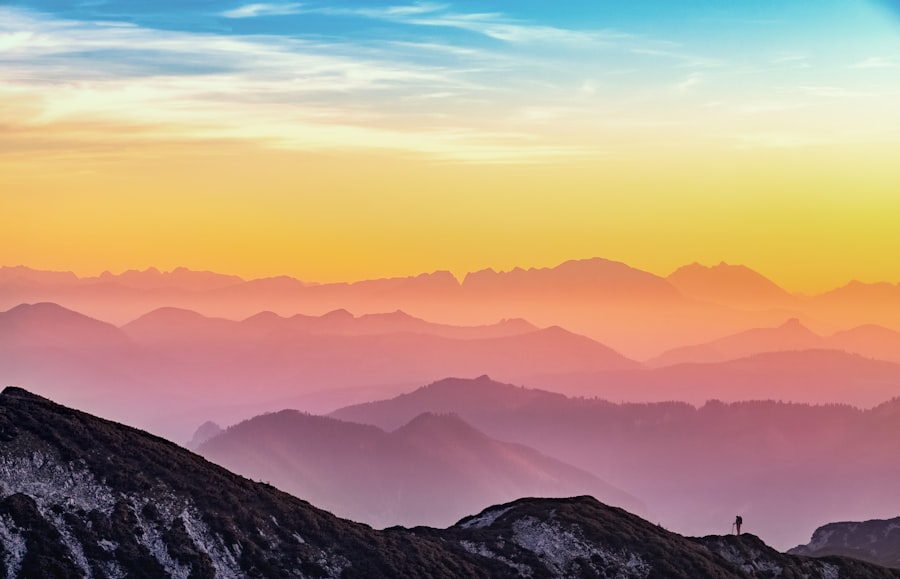
Oregon’s identity is inextricably linked to its volcanic origins. The Cascade Range, a string of active and dormant volcanoes, dominates the eastern horizon and has shaped much of the state’s topography. Mount Hood, Mount Jefferson, the Three Sisters – these towering peaks are not merely scenic backdrops; they are potent symbols of raw, elemental power. The soils themselves are often a product of volcanic activity, rich in minerals, affecting everything from the lush vegetation of the Willamette Valley to the unique agricultural output of Hood River. This constant, underlying presence of geological forces, capable of dramatic and catastrophic change, perhaps subtly influences a certain stoicism or a readiness for the unexpected among its residents.
The Pacific Ring of Fire: A Constant Reminder
Oregon sits squarely on the Pacific Ring of Fire, a zone of intense seismic and volcanic activity. While major eruptions are infrequent, the constant threat of earthquakes and the visible presence of volcanoes serve as a perpetual, albeit usually subconscious, reminder of nature’s immense power. This geological backdrop can foster a long-term perspective, a sense that human endeavors are ephemeral against the backdrop of geological time. It might also contribute to a certain pragmatism, a willingness to adapt to the environment rather than imposing one’s will upon it.
The Columbia River: A Lifeline and a Boundary
The Columbia River, forming much of Oregon’s northern border with Washington, is a geographical titan that has profoundly shaped the state’s development and its identity. Its immense power has been harnessed for hydroelectricity, influencing the West Coast’s energy grid and fostering industries. However, it also acts as a natural dividing line, contributing to distinct cultural and political tendencies between the northern and southern halves of the state, and between Oregon and its neighbors.
Navigating the Waterways: Commerce and Connection
For centuries, the Columbia has been a vital artery for trade and transportation. Indigenous tribes relied on its bounty, and later European-American settlers used it to access the interior. This history has instilled a certain resourcefulness and an understanding of the power and capriciousness of natural waterways. The river creates a sense of both connection and separation, influencing migration patterns and the distribution of communities.
Oregon’s identity has often been described as a complex tapestry woven from its diverse landscapes, cultures, and histories. However, recent discussions have highlighted how this identity is behaving strangely from the ground up, reflecting shifts in demographics and values. An insightful article that delves into this topic can be found at this link, where the nuances of Oregon’s evolving identity are explored in depth, shedding light on the factors contributing to these changes and their implications for the state’s future.
The Green Embrace: Willamette Valley’s Verdant Influence
The Salad Bowl of the West: Agriculture and its Cultural Echoes
The Willamette Valley, a fertile crescent stretching south from Portland, is the agricultural heartland of Oregon. Known for its berries, wine grapes, hops, and a plethora of other produce, it is often dubbed “the salad bowl of the West.” This agricultural abundance has fostered a culture that values land stewardship, localism, and a deep connection to the cycles of nature. The proliferation of farmers’ markets, farm-to-table restaurants, and a general appreciation for fresh, seasonal food are direct manifestations of this green embrace.
The “Oregon Grown” Ethos: Beyond the Plate
The “Oregon Grown” moniker extends beyond mere agricultural marketing. It signifies a broader ethos of valuing local production, supporting small businesses, and a general skepticism towards highly industrialized or corporate ventures. This sentiment is palpable in the state’s embrace of craft industries, from breweries to artisanal cheese makers. It reflects a desire to maintain a connection to the source, a rejection of the anonymous and often impersonal nature of mass production.
Rain and Resilience: Adapting to the Damp
The ubiquitous rainfall of Western Oregon, particularly in the Willamette Valley, is a defining characteristic that has shaped both the landscape and the habits of its people. The lushness of the forests, the vibrant green that permeates the region for much of the year, is a direct result of this ample precipitation. This constant dampness has fostered a unique adaptation: an acceptance, even an embrace, of the rain. Locals are often seen out and about regardless of the weather, equipped with appropriate rain gear and a practiced nonchalance. This resilience in the face of seemingly inclement weather can translate into a broader stoicism and an ability to endure less-than-ideal circumstances.
Embracing the Gloom: A Different Pace of Life
The extended periods of overcast skies and drizzle can influence the pace of life. There’s a tendency towards indoor pursuits during the wetter months, fostering a culture of reading, arts, and a focus on interior design and coziness. However, it also means that sunny days are cherished and celebrated with particular enthusiasm. This rhythmic pattern of damp and dry, light and shadow, can foster a particular rhythm to life that is distinct from sunnier climes.
The Eastern Divide: High Desert Pragmatism and Frontier Spirit
The Arid Expanse: A Stark Contrast to the West
East of the Cascades, Oregon transforms dramatically. The lush, temperate rainforests give way to high desert plains, characterized by sagebrush, basalt formations, and a stark, often breathtaking beauty. This arid landscape fosters a different kind of Oregonian identity, one that is more rugged, pragmatic, and deeply connected to the land in a less overtly picturesque way. Water scarcity becomes a central concern, influencing development, agriculture, and community life.
Independent Spirit: Self-Reliance in the Sagebrush Sea
The vastness and relative isolation of Eastern Oregon have historically cultivated a spirit of self-reliance and independence. In this landscape, one learns to make do, to work with what is available, and to solve problems creatively. This can manifest as a strong emphasis on individual liberty and a skepticism towards external regulation, particularly when it is perceived as out of touch with the realities of rural living.
Ranching and Resourcefulness: Living on the Edge
The economic backbone of much of Eastern Oregon has historically been ranching and resource extraction. These industries demand a certain grit, a willingness to work long hours and to contend with the vagaries of weather and markets. The people of the high desert often possess a practical intelligence, an ability to fix things, and an understanding of the land that is honed through direct experience. This resourcefulness is a hallmark of their identity.
Navigating Scarcity: A Mindset of Conservation
Living in a water-scarce environment instills a deep appreciation for resources. Conservation is not merely an abstract ideal but a daily necessity. This can translate into a more conservative approach to consumption and a greater awareness of the impact of human activities on the environment, albeit often framed through the lens of local sustainability rather than abstract global concerns.
The Portland Paradox: Quirky Innovation and “Keep Portland Weird”
The Urban Anomaly: A Concentration of Unconventionality
Portland, Oregon’s largest city, has become synonymous with a particular brand of quirky, unconventional culture. The “Keep Portland Weird” slogan, though now perhaps more a historical artifact than a lived reality for some, points to a genuine impulse within the city to foster individuality, creativity, and a rejection of mainstream norms. This manifests in a vibrant arts scene, a thriving independent business sector, a focus on sustainability and alternative transportation, and a general openness to diverse lifestyles.
Independent Business and Craft Culture: The Heart of Portland’s Identity
Portland’s economic success is deeply intertwined with its independent spirit. The city has become a hub for craft breweries, artisanal coffee roasters, independent bookstores, and innovative tech startups that often prioritize a distinct company culture. This emphasis on small-scale, owner-operated businesses contributes to a sense of community and a rejection of monolithic corporate influence.
The Subversive Undercurrent: Questioning Authority and Embracing the Unconventional
There exists in Portland, and indeed in Oregon more broadly, a subtle undercurrent of questioning authority and embracing the unconventional. This isn’t necessarily about overt rebellion, but a general skepticism towards established systems and a willingness to explore alternative ways of doing things. This can be seen in the city’s progressive political leanings, its embrace of environmental activism, and its general tolerance for eccentricity.
Alternative Lifestyles and Social Experimentation: A Breeding Ground for New Ideas
Portland has been a fertile ground for alternative lifestyles and social experimentation. From its early adoption of urban gardening and bike-centric commuting to its ongoing embrace of diverse communities and social movements, the city has often served as a testing ground for new ideas and ways of living. This openness to change and innovation is a key component of its evolving identity.
Oregon’s identity has often been described as a complex tapestry woven from its diverse landscapes and cultural influences, but recent discussions suggest that it is behaving strangely from the ground up. An intriguing article explores this phenomenon, shedding light on how the state’s unique blend of natural beauty and progressive values may be contributing to an evolving sense of self. For a deeper understanding of these dynamics, you can read more in the article available at My Geo Quest. This exploration reveals how Oregonians are navigating their identity amidst changing social and environmental landscapes.
The Oregonian Mindset: A Blend of Contradictions
| Data/Metric | Value |
|---|---|
| Population | 4.2 million |
| Land Area | 98,381 square miles |
| State Capital | Salem |
| State Bird | Western Meadowlark |
| State Flower | Oregon Grape |
| State Tree | Douglas Fir |
The “Oregon Nice” Phenomenon: Polite but Reserved
Oregonians are often described as “Oregon Nice.” This is not to say they are unfriendly, but rather that their politeness can be accompanied by a certain reserve. They may offer a friendly nod or a polite smile, but deep personal connections can take time to forge. This can be attributed, in part, to the state’s history of attracting individuals seeking a quieter, less ostentatious lifestyle. The vastness of the state, particularly outside of the urban centers, also encourages a certain self-sufficiency and a focus on one’s immediate surroundings.
The Paradox of Inclusivity and Exclusivity: Balancing Openness with Personal Space
Oregon, particularly Portland, often promotes an image of inclusivity and acceptance. However, this can sometimes be at odds with the more reserved nature of its inhabitants. While there is a general openness to new ideas and people, the process of truly integrating into established social circles can be challenging. This creates a curious paradox of a place that is outwardly welcoming yet can maintain a subtle but persistent sense of personal space.
Environmentalism as a Default: Beyond a Political Stance
Environmentalism in Oregon is often less a partisan political statement and more a deeply ingrained default setting. The state’s natural beauty and the direct impact of environmental degradation on its ecosystems foster a practical, almost instinctual, concern for conservation. This manifests in widespread recycling, a preference for sustainable products, and a general appreciation for the outdoors. While political debates around environmental policy certainly exist, the underlying ethic is often shared across the political spectrum, albeit with differing approaches to implementation.
The “Leave No Trace” Ethos: A Practical Application of Conservation
The “Leave No Trace” ethos, a set of principles for minimizing impact in the outdoors, is widely understood and practiced in Oregon. This goes beyond simply picking up trash; it involves a deeper understanding of ecological balance and a desire to preserve the natural world for future generations. This practical application of conservation is a cornerstone of the Oregonian mindset and contributes to the state’s reputation as a leader in environmental stewardship.
The Drive for Authenticity: Valuing the Real and the Local
A persistent theme in Oregon’s identity is a drive for authenticity. This translates into a preference for genuine experiences, local products, and unpretentious interactions. There’s a subtle aversion to what is perceived as artificial or overly commercialized. This can be seen in the thriving local food movement, the popularity of independent music venues, and the general appreciation for craftsmanship and skill. The desire for authenticity extends to personal interactions, where a straightforward approach is generally valued over superficiality.
The Rejection of the Superficial: A Preference for Substance
Oregonians, in their collective identity, seem to exhibit a subtle rejection of the superficial. The glitz and glamour often associated with other West Coast cities hold less sway here. Instead, there is an emphasis on substance, on things that are well-made, well-intentioned, and have a genuine connection to the land or the community. This preference for the real makes for a less ostentatious, but perhaps more enduring, cultural landscape.
FAQs
What is the article “Oregon’s Identity Behaving Strangely from the Ground Up” about?
The article “Oregon’s Identity Behaving Strangely from the Ground Up” discusses the changing cultural and social dynamics in the state of Oregon, and how these changes are impacting the state’s identity.
What are some examples of the strange behavior mentioned in the article?
The article mentions examples such as shifting political ideologies, changing demographics, and evolving cultural norms as contributing factors to the perceived “strange” behavior of Oregon’s identity.
How is Oregon’s identity traditionally perceived, and how is it changing?
Traditionally, Oregon has been perceived as a progressive and environmentally conscious state with a strong sense of community. However, the article suggests that these traditional perceptions are being challenged by new and evolving dynamics.
What are some potential reasons for the changes in Oregon’s identity?
The article suggests that factors such as population growth, urbanization, economic shifts, and political polarization are contributing to the changes in Oregon’s identity.
What are the implications of these changes for Oregon’s future?
The article discusses potential implications such as shifts in political power, cultural tensions, and the need for redefining Oregon’s identity in the face of these changes.