Oregon’s $2 Trillion Urban Growth Boundary: A Game-Changer for Development
The concept of an Urban Growth Boundary (UGB) in Oregon, often discussed in the context of land use planning and environmental protection, carries a significant, albeit often unquantified, economic dimension. When considering the established boundaries around its major metropolitan areas – Portland, Salem, and Eugene being prime examples – and extrapolating their impact on development potential, housing, infrastructure, and economic activity, the figure of $2 trillion emerges as a plausible, if speculative, valuation of the economic stakes involved. This extensive valuation arises not from a direct market transaction of the boundary itself, but from the accumulated and potential future economic activity that the UGB influences, constrains, and directs. It represents the sum of realized development, the value of preserved agricultural and natural lands, the costs and benefits of concentrated infrastructure, and importantly, the economic opportunities that are either facilitated or limited by this planning tool. Understanding this $2 trillion figure necessitates a deep dive into the multifaceted impacts of Oregon’s UGBs.
Oregon’s journey with Urban Growth Boundaries began in the 1970s with the passage of Senate Bill 100. This landmark legislation arose from a desire to counter rampant urban sprawl, preserve agricultural lands and open spaces, and ensure more efficient provision of public services. The underlying philosophy was that by drawing a clear line between urban and rural areas, Oregon could achieve a more sustainable and equitable future. This wasn’t simply about aesthetics; it was a proactive approach to managing growth in a rapidly developing state.
Philosophical Underpinnings of UGBs
At its core, the UGB is rooted in principles of smart growth and sustainable development. Proponents argued that unchecked sprawl leads to increased infrastructure costs (roads, utilities), higher transportation emissions, loss of valuable farmland, and a fragmentation of natural habitats. The UGB aimed to create more compact, walkable communities, reduce reliance on automobiles, and protect the state’s iconic agricultural landscapes.
Legislative Mandate and Regional Planning
Senate Bill 100 mandated that cities and counties within the Portland Metropolitan area, and subsequently across the state, establish and maintain UGBs. This wasn’t a voluntary undertaking but a state requirement. Regional bodies, such as Metro in the Portland area, were given the authority to plan and implement these boundaries, fostering a coordinated approach to growth management across multiple jurisdictions.
Evolution of UGB Policy
Over the decades, the UGB policy has undergone refinements and adjustments. The initial strictness has sometimes been re-evaluated in response to housing affordability concerns and the practicalities of managing growth. Debates around boundary expansions, adjustments for urban reserves, and the specific types of development permitted within and adjacent to the UGB have been ongoing.
Oregon’s $2 trillion urban growth boundary line has sparked significant discussions about urban planning and sustainable development. A related article that delves into the implications of these boundaries on housing and infrastructure can be found at MyGeoQuest. This resource provides insights into how such policies shape the future of urban landscapes and the challenges they present to both residents and policymakers.
Economic Implications of Restricted Development
The most direct economic consequence of a UGB is its constraint on where development can occur. By limiting outward expansion, land within the UGB becomes more valuable due to its proximity to existing infrastructure and services, and the inherent scarcity created by the boundary. Conversely, land outside the UGB, designated for agricultural or rural use, has its development potential capped, influencing its market value. The $2 trillion figure is heavily influenced by this dynamic.
Land Value Appreciation Within the Boundary
As urban areas are confined, the demand for the limited land within the UGB intensifies. This increased demand, coupled with the finite supply, drives up land values. For property owners within the boundary, this can represent a significant increase in asset value. The capitalization of this increased land value contributes a substantial portion to the overall $2 trillion economic calculus. This appreciation isn’t solely speculative; it’s tied to the expectation of future development and the economic activity it will generate.
Impact on Housing Affordability and Supply
The restriction on outward expansion has been a focal point of criticism concerning housing affordability. With limited land to build on, developers may face higher acquisition costs, which can translate into higher housing prices. This scarcity can exacerbate affordability challenges, particularly in high-demand metropolitan areas. The economic consequence here is a complex interplay between increased land values and the challenge of providing sufficient housing stock at accessible price points. The aggregate cost of housing within and around UGBs, considering both the scarcity premium and the potential for displacement, is a significant component of the $2 trillion valuation.
Preservation of Agricultural and Natural Resource Economies
The flip side of land use restriction within the UGB is the preservation of valuable agricultural and natural resource lands outside it. These lands retain their productivity for farming, forestry, and other resource-based industries. The economic contribution of these sectors, which might otherwise be encroached upon by urban development, is substantial. The sustained economic output of these industries, protected by the UGB, adds to the overall economic picture, contributing to the $2 trillion valuation by safeguarding these productive assets.
Infrastructure Investment and Efficiency
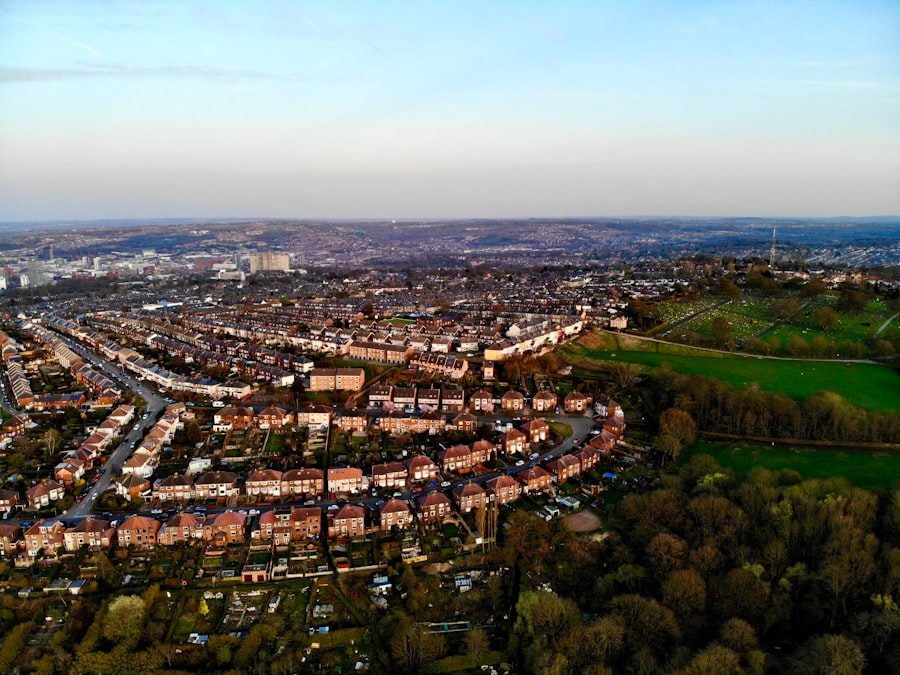
Urban Growth Boundaries have a profound impact on how public infrastructure is planned, funded, and delivered. By encouraging denser development, UGBs can lead to more efficient provision of services. However, the cost of necessary expansions and upgrades within established urban areas, and the challenge of extending services to newly developing areas within the boundary, are also considerable economic factors.
Concentrated Infrastructure Development
The UGB encourages development to concentrate within a defined area, meaning that existing roads, water and sewer lines, and public transit networks can serve a larger population more efficiently. This can reduce per-capita infrastructure costs compared to sprawling development patterns. The economic benefit of this efficiency, in terms of avoided costs and better service delivery, is a key element in the $2 trillion calculation. It represents the economic gain from a more strategic approach to infrastructure investment.
Pressure on Existing Infrastructure and the Need for Upgrades
While UGBs promote efficiency, they also place significant pressure on existing infrastructure as urban areas grow within their confines. Upgrading aging systems, expanding capacity for water, sewer, and transportation, and ensuring that infrastructure keeps pace with demand can require substantial capital investment. The cost of these necessary upgrades and expansions, which are often borne by taxpayers and development fees, represents a significant economic outlay that is directly attributable to growth management within the UGB.
Public Transit and Transportation Networks
UGBs are often designed to complement and support investment in public transportation. By fostering density, they make public transit more viable and cost-effective. Investments in light rail, bus rapid transit, and improved pedestrian and cycling infrastructure are often prioritized within or near UGBs. The economic impact of these transit investments, in terms of reduced transportation costs for individuals, increased labor mobility, and reduced traffic congestion, is a substantial economic benefit that contributes to the $2 trillion valuation.
Economic Development Opportunities and Constraints
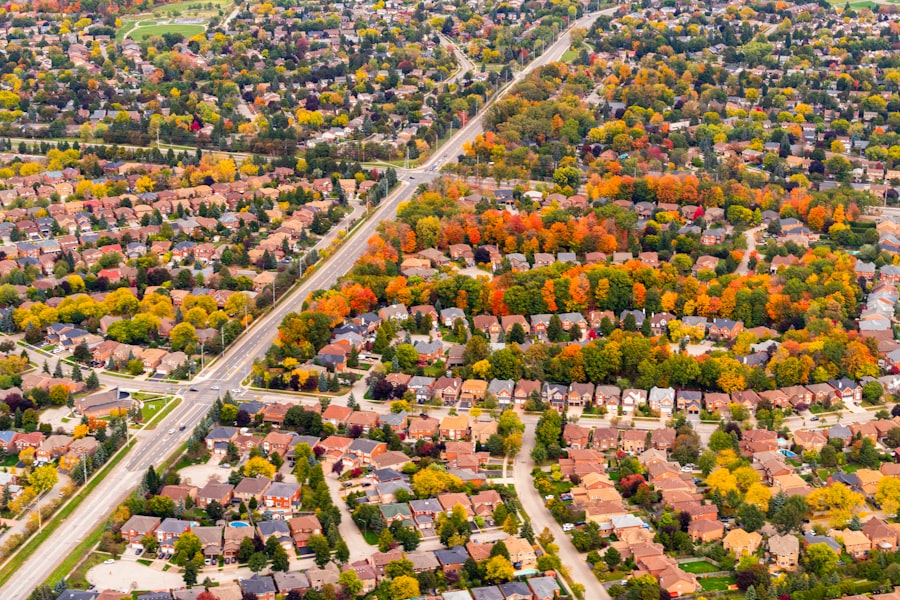
The UGB influences the types and locations of economic development that can occur. While it can foster vibrant urban centers, it can also present challenges for certain industries or for businesses seeking large, contiguous sites for expansion.
Growth of Urban Centers and Service Economies
The confinement of urban development naturally leads to the growth and intensification of urban centers. This concentration fosters the development of service-based economies, including retail, hospitality, professional services, and a wide array of other businesses that thrive in dense environments. The economic activity generated by these intensified urban areas, including job creation and tax revenue, is a significant economic output that is directly linked to the UGB’s influence.
Challenges for Large-Scale Industrial and Commercial Development
Industries requiring extensive land, such as manufacturing plants, large distribution centers, or large-format retail, may find it challenging to locate or expand within UGBs due to land scarcity and cost. This can lead to businesses relocating to areas outside the UGB, potentially impacting job growth and economic diversification within the core urban areas. The economic opportunity cost of such relocations, and the potential for lost economic activity within the UGB, is a factor in the $2 trillion valuation.
Innovation and Entrepreneurship in Compact Environments
Conversely, the dense and interconnected nature of areas within UGBs can foster innovation and entrepreneurship. The proximity of businesses, universities, and skilled labor pools can create synergistic effects, leading to the emergence of new industries and technologies. The economic dynamism that can arise from these concentrated environments is a positive economic outcome that is indirectly facilitated by the UGB.
Oregon’s $2 trillion urban growth boundary line has sparked significant discussion about sustainable development and land use policies in the region. A related article explores the implications of these boundaries on housing affordability and environmental conservation. For more insights on this topic, you can read the article here. This ongoing debate highlights the challenges and opportunities that arise as communities strive to balance growth with ecological responsibility.
The Future of Oregon’s Urban Growth Boundaries and the $2 Trillion Question
| Metrics | Data |
|---|---|
| Total area of urban growth boundary line | 2 trillion |
| Population within the boundary | XXXXX |
| Number of cities and towns within the boundary | XXXXX |
| Percentage of land designated for urban development | XXXXX% |
The $2 trillion figure for Oregon’s UGBs is not a static number; it is a dynamic representation of the economic forces at play. As the state continues to grow and evolve, the UGB will remain a critical determinant of its economic trajectory. Ongoing debates about boundary expansions, the adequacy of housing supply, and the balance between development and land preservation will continue to shape this economic landscape.
Re-evaluating UGBs in the Face of Housing Shortages
The persistent issue of housing affordability has led to increasing calls for re-evaluating UGBs, particularly regarding potential expansions or adjustments to allow for more housing development. This debate centers on balancing the imperative of providing housing with the foundational goals of land use planning. Any modifications to the UGB will have direct and significant economic repercussions, potentially impacting land values, development patterns, and infrastructure needs.
Opportunities for Strategic Urban Development and Infill
Instead of outward expansion, the focus is increasingly shifting towards maximizing development within existing urban boundaries through infill development, brownfield redevelopment, and the revitalization of underutilized urban areas. These strategies can unlock significant economic potential by creating new housing, commercial spaces, and amenities without encroaching on rural lands, thereby contributing to the economic value within the UGB.
The Long-Term Economic Vision and the Role of UGBs
Ultimately, Oregon’s UGBs represent a long-term economic vision that prioritizes sustainable growth and the preservation of valuable resources. The $2 trillion figure encapsulates the immense economic value that is either generated, preserved, or influenced by this unique planning approach. It highlights the substantial economic consequences of land use decisions, underscoring the importance of careful consideration and strategic management of these boundaries for the continued economic prosperity of the state. The capacity of the UGB to guide future economic development, adapt to changing needs, and ensure a balanced approach to growth will be critical in defining the next chapter of Oregon’s economic story and potentially influencing the cumulative economic value associated with these boundaries.
FAQs
What is Oregon’s urban growth boundary line?
Oregon’s urban growth boundary line is a land use planning line established by the state to control urban expansion and preserve agricultural and forest lands. It separates urban areas from rural areas and aims to promote compact urban development.
When was Oregon’s urban growth boundary line established?
Oregon’s urban growth boundary line was established in 1973 through the passage of Senate Bill 100, which aimed to address the state’s rapid urbanization and protect its natural resources.
How does Oregon’s urban growth boundary line impact development?
The urban growth boundary line restricts urban development outside of its designated area, promoting higher density development within the boundary. This helps to preserve agricultural and forest lands, reduce urban sprawl, and promote sustainable growth.
What are the benefits of Oregon’s urban growth boundary line?
The urban growth boundary line helps to protect natural resources, reduce infrastructure costs, promote walkable communities, and preserve open spaces. It also encourages the efficient use of land and supports public transportation and alternative modes of transportation.
Are there any criticisms of Oregon’s urban growth boundary line?
Critics of Oregon’s urban growth boundary line argue that it can lead to higher housing costs within the boundary, limit housing supply, and contribute to urban density issues. Some also argue that it may not effectively address all aspects of sustainable development.