
The Cost of Iranian Regional Isolation: A Price Too High
The Islamic Republic of Iran, since its inception, has navigated a complex and often fraught regional landscape. While a degree of assertiveness has been a consistent feature of its foreign policy, the extent to which this assertiveness has translated into strategic isolation bears examination. This isolation, born from a confluence of internal policies and external reactions, carries a substantial and multifaceted cost, impacting not only Iran’s geopolitical standing but also its economic well-being and the aspirations of its populace. The narrative of an isolated Iran is not one of absolute international pariah status, but rather a more nuanced picture of estranged relationships within its immediate neighborhood, a situation that ultimately proves too costly to sustain.
The foundational elements underpinning Iran’s regional posture are deeply rooted and have evolved over the decades. Understanding these pillars is crucial to grasping the origins of its current isolation.
Ideological Imperatives: Exporting the Revolution and Supporting Allies
The Shia Crescent and its Geopolitical Implications
The Iranian Revolution of 1979 was not merely an internal political upheaval; it carried with it an explicit ideological mission to export its principles. This ambition, particularly the promotion of Shia Islamic governance, inevitably clashed with the existing regional order, dominated by conservative Sunni monarchies and Arab republics. The establishment and support of Shia-aligned movements and governments – often referred to as the “Shia Crescent” – has been a cornerstone of Iranian foreign policy. This bloc, stretching from Lebanon through Syria and Iraq to Yemen, serves to extend Iran’s influence and create strategic depth. However, it has also been a primary source of alarm and opposition for many regional actors, particularly Saudi Arabia and its allies, who perceive it as a direct threat to their own stability and interests. The ideological fervor that once fueled revolutionary zeal has, in the contemporary regional context, become a significant driver of alienation.
The Principle of “Neither East Nor West” and its Regional Interpretation
While often invoked in relation to global powers, the principle of “neither East nor West” has also shaped Iran’s regional interactions. This has translated into a reluctance to align definitively with any single regional bloc or power, fostering a degree of autonomy but also hindering the formation of deep, reciprocal alliances. Instead, Iran has pursued a strategy of asymmetrical engagement, leveraging its proxies and its own military capabilities to project power and counter perceived threats. This has often led to a zero-sum perception of regional dynamics, where gains for Iran are seen as losses for its neighbors, thus exacerbating mistrust and suspicion rather than fostering cooperation.
Security Dilemmas: Perceived Threats and Asymmetrical Responses
The Iran-Iraq War’s Enduring Shadow
The devastating eight-year war with Iraq (1980-1988) left an indelible mark on Iran’s security calculus. The memory of external aggression and the perceived betrayal by some Arab states have fostered a deep-seated sense of vulnerability. This has led to a precautionary and, at times, preemptive approach to security, where potential threats are seen as imminent and requiring a robust, often militarized, response. The ongoing rivalry with countries like Saudi Arabia and the broader concerns surrounding the potential for Iranian nuclear proliferation further fuel this security dilemma, creating a cycle of suspicion and counter-measures.
The Role of Proxies and Non-State Actors
In lieu of traditional state-to-state alliances, Iran has become a master of employing asymmetrical warfare through proxy forces and non-state actors. Groups like Hezbollah in Lebanon, Shia militias in Iraq, and the Houthis in Yemen are strategically significant instruments of Iranian foreign policy. They serve to project Iranian power, deter adversaries, and influence regional conflicts without direct Iranian military involvement. While effective in achieving specific tactical objectives and maintaining a degree of leverage, this reliance on proxies has also been a key driver of regional isolation. It is perceived by many neighboring states as destabilizing interference in their internal affairs and a direct challenge to their sovereignty. The continued support for these groups, despite calls for de-escalation, solidifies the perception of Iran as a disruptive force, hindering the development of common security frameworks.
The cost of Iranian regional isolation has significant implications for both its economy and geopolitical standing. An insightful article that delves deeper into this topic can be found at MyGeoQuest, where it discusses how Iran’s isolation affects its trade relationships and regional influence. This analysis highlights the challenges Iran faces in navigating its foreign policy amidst growing tensions and sanctions, ultimately shaping its future in the Middle East.
The Economic Repercussions: Sanctions, Trade, and Stagnation
The geopolitical isolation of Iran has had profound and debilitating economic consequences. The country’s integration into the global and regional economy has been severely curtailed, leading to a sustained period of stagnation and hardship for its citizens.
The Impact of International Sanctions: A Cycle of Deprivation
Unraveling the Nuclear Deal and its Fallout
The international sanctions regime imposed on Iran, particularly in response to its nuclear program, has been a primary driver of its economic woes. While the Joint Comprehensive Plan of Action (JCPOA) offered a temporary respite, its eventual unraveling and the return of stringent sanctions have had a devastating impact. These sanctions have targeted key sectors of the Iranian economy, including its vital oil and gas industry, and have severely restricted its access to international finance and trade. This has led to a sharp decline in export revenues, a devaluation of the Iranian rial, and a surge in inflation, eroding the purchasing power of ordinary Iranians and hindering domestic investment. The punitive nature of these sanctions, designed to cripple Iran’s economic capacity, has inadvertently fostered widespread economic hardship.
Reduced Trade and Investment Opportunities
Beyond direct sanctions, Iran’s regional isolation has significantly limited its opportunities for trade and investment within its immediate neighborhood. Neighboring countries, often wary of secondary sanctions or political fallout from engaging with Tehran, have scaled back commercial ties. This has deprived Iran of valuable markets for its goods and services, as well as much-needed foreign direct investment to modernize its infrastructure and diversify its economy. The potential for regional economic cooperation, which could have benefited all parties involved, has been largely squandered due to political animosity and strategic mistrust.
Domestic Economic Strain and Social Discontent
Brain Drain and Loss of Human Capital
The persistent economic hardship, coupled with limited opportunities for professional growth and innovation, has contributed to a significant “brain drain” from Iran. Skilled professionals, entrepreneurs, and educated youth often seek better prospects elsewhere, depleting the country of its most valuable human capital. This loss of intellectual and innovative capacity further hampers Iran’s ability to overcome its economic challenges and develop new industries. The social fabric is strained as citizens grapple with unemployment, rising costs of living, and a sense of diminished future prospects.
Inflation, Unemployment, and Inequality
The economic consequences of isolation manifest acutely in the daily lives of Iranians. Hyperinflation erodes savings and makes basic necessities unaffordable for many. High unemployment rates, particularly among the youth, fuel social unrest and a sense of disillusionment. The concentration of wealth within certain elites, often linked to state-controlled entities, exacerbates economic inequality, creating further societal divisions. The price of this isolation is, therefore, not just measured in monetary terms but in the tangible suffering of the population.
The Erosion of Soft Power and Diplomatic Capital
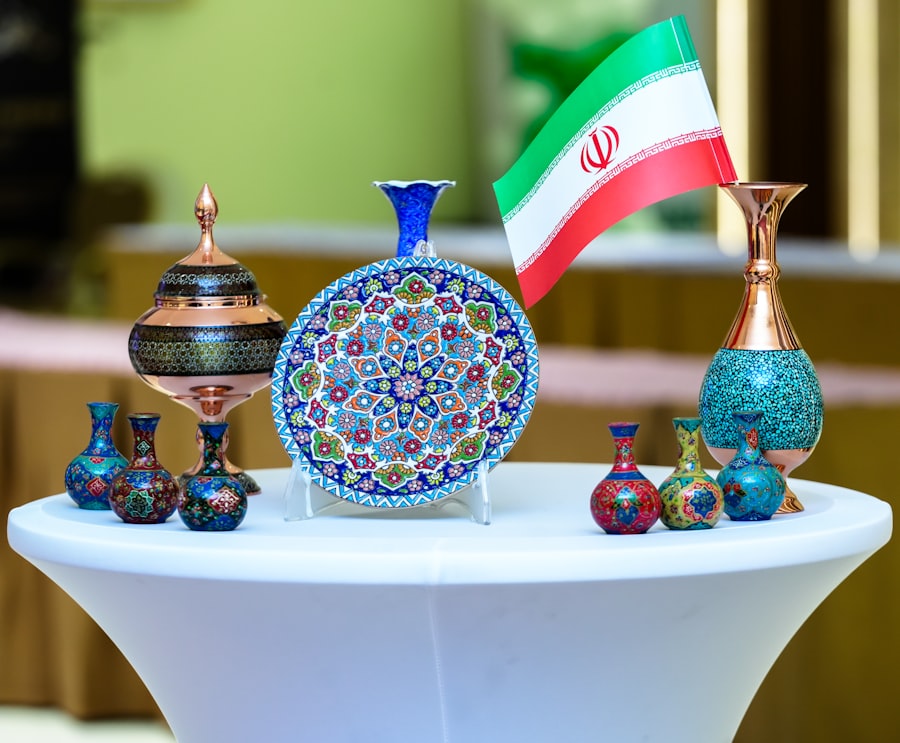
Beyond tangible economic and security costs, Iran’s regional isolation has also led to a significant erosion of its soft power and diplomatic capital. Its ability to influence regional discourse, foster positive perceptions, and engage in constructive diplomacy has been severely undermined.
Diminished Influence in Regional Forums
Exclusion from Key Dialogues and Negotiations
Iran’s alienation has often resulted in its exclusion from crucial regional dialogues and diplomatic initiatives aimed at resolving conflicts or promoting stability. Major summits and peace talks concerning issues like the Syrian civil war, the conflicts in Yemen, or broader GCC-Iran relations have often proceeded without Iranian participation or with limited engagement. This exclusion prevents Iran from articulating its perspectives, contributing to solutions, or building consensus, thereby marginalizing its voice on critical regional matters.
Negative Perceptions and Mistrust
The persistent narrative of Iran as a destabilizing force, bolstered by its proxy activities and rhetoric, has cultivated widespread negative perceptions among its neighbors and in the broader international community. This pervasive mistrust makes it challenging for Iran to build bridges, foster understanding, or advance its diplomatic objectives. The constant framing of Iran as an adversary rather than a potential partner hinders any genuine efforts towards de-escalation or reconciliation.
Cultural and Intellectual Exchange Limitations
Barriers to Cultural Diplomacy
Soft power is often built on cultural exchange, academic collaboration, and the free flow of ideas. Iran’s regional isolation has created significant barriers to such exchanges. Student mobility is restricted, joint research projects are limited, and cultural festivals or artistic collaborations are rare. This lack of interaction deprives both Iran and its neighbors of the opportunity to learn from each other, dispel stereotypes, and build mutual appreciation. The richness of Iranian culture and its potential for positive regional engagement remains largely untapped due to political divides.
The Role of State Media and Propaganda
In the absence of open dialogue and genuine exchange, state-controlled media in Iran and its adversaries often engage in reciprocal propaganda campaigns. This reinforces existing biases, demonizes the other side, and further entrenches a climate of animosity. The lack of independent or balanced reporting further limits the ability of populations in the region to form nuanced opinions about their neighbors. The narrative becomes increasingly polarized, making any prospect of rapprochement more difficult.
The Missed Opportunities for Regional Cooperation

The current state of Iran’s regional isolation represents a profound failure to capitalize on numerous opportunities for constructive engagement and mutual benefit. A more integrated and cooperative regional order could have yielded significant advantages for all involved.
Economic Development and Integration Potential
Shared Infrastructure and Trade Routes
The vast potential for regional economic integration, involving shared infrastructure development, expanded trade routes, and joint ventures, remains largely unrealized due to political friction. Neighboring countries could benefit from Iran’s energy resources, its strategic location as a transit hub, and its significant market potential. Conversely, Iran could access new markets, secure vital imports, and attract investment to modernize its own economy. This missed opportunity for shared prosperity fuels economic stagnation for all.
Addressing Transnational Challenges Collaboratively
Water Scarcity, Environmental Degradation, and Health Crises
Transnational challenges such as water scarcity, environmental degradation, and the spread of infectious diseases do not respect national borders. Iran and its neighbors face these common threats, but their isolation hinders the development of coordinated strategies. Collaborative efforts in resource management, pollution control, and public health initiatives could yield far more effective and sustainable solutions than unilateral actions or continued inaction driven by political rivalries.
The Impact on Regional Stability and Conflict Resolution
A Perpetual Cycle of Instability
Iran’s isolation contributes to a perpetual cycle of regional instability. While its policies may be intended to secure its interests, they often provoke counter-reactions, leading to proxy conflicts, increased militarization, and a general atmosphere of insecurity. This lack of a shared vision for regional stability makes it exceedingly difficult to address the root causes of conflict, broker lasting peace agreements, or foster lasting reconciliation. The cost of this perpetual instability is borne by the populations of the entire region.
The cost of Iranian regional isolation has significant implications for both its economy and geopolitical standing. A recent article discusses how this isolation affects Iran’s relationships with neighboring countries and its ability to engage in trade. For a deeper understanding of these dynamics, you can read more in this insightful piece about the broader consequences of Iran’s diplomatic stance. To explore this topic further, check out the article here.
Moving Towards a Less Isolated Future: The Path Forward
| Metrics | Data |
|---|---|
| Economic Impact | Loss of trade and investment opportunities |
| Political Isolation | Lack of diplomatic relations with neighboring countries |
| Social Consequences | Restricted access to international cultural and educational exchanges |
| Security Challenges | Increased vulnerability to regional conflicts |
Breaking free from the self-imposed and externally reinforced cycle of isolation is a formidable challenge for Iran, but one that offers the only sustainable path towards a more secure and prosperous future. This will require fundamental shifts in both internal policy and its approach to regional diplomacy.
Re-evaluating Foreign Policy Objectives
De-escalation and Diplomatic Engagement
A fundamental re-evaluation of foreign policy objectives is paramount. Prioritizing de-escalation over confrontation, and engaging in genuine diplomatic dialogue with regional neighbors – including direct engagement with rivals – is essential. This necessitates a willingness to listen, compromise, and acknowledge the legitimate security concerns of others. The focus should shift from zero-sum competition to finding common ground and shared interests.
Building Trust Through Reciprocal Actions
Confidence-Building Measures and Transparency
The rebuilding of trust will be a long and arduous process, requiring consistent and reciprocal actions. Iran must be willing to implement verifiable confidence-building measures, signal a commitment to de-escalation, and promote transparency in its regional activities. This could include dialogues on arms control, cooperation on border security, and a clear commitment to refraining from interference in the internal affairs of other states. Similarly, regional states must be open to reciprocal gestures.
Fostering People-to-People Diplomacy
Cultural and Academic Exchanges
Beyond state-level diplomacy, fostering people-to-people diplomacy, including the encouragement of cultural and academic exchanges, student mobility, and joint civil society initiatives, can play a crucial role in breaking down barriers and fostering understanding. These initiatives, while often slow to yield results, can lay the groundwork for long-term positive relationships by humanizing the “other” and highlighting shared values and aspirations.
The cost of Iranian regional isolation is a price far too high. It has stunted economic growth, fostered widespread public hardship, eroded diplomatic influence, and perpetuated a climate of instability throughout the region. Breaking this cycle demands a courageous recalibration of policy, a commitment to dialogue over confrontation, and a recognition that true security and prosperity lie not in isolation, but in constructive engagement and shared regional destiny. The path ahead is arduous, but the potential rewards for Iran and its neighbors are immense.
FAQs
What is the cost of Iranian regional isolation?
The cost of Iranian regional isolation includes economic sanctions, reduced trade opportunities, and limited access to international markets. It also leads to political and diplomatic isolation, making it difficult for Iran to engage in regional and global affairs.
How do economic sanctions impact Iran’s economy?
Economic sanctions restrict Iran’s ability to engage in international trade, access foreign investment, and participate in global financial systems. This leads to a decline in economic growth, increased inflation, and limited access to essential goods and services.
What are the political consequences of Iranian regional isolation?
Iranian regional isolation results in limited diplomatic relations with neighboring countries and international organizations. It also hinders Iran’s ability to influence regional conflicts and engage in diplomatic negotiations.
How does Iranian regional isolation affect its security and defense capabilities?
Iran’s regional isolation limits its access to advanced military technology, training, and cooperation with other countries. This can weaken its defense capabilities and impact its ability to address security threats in the region.
What are the implications of Iranian regional isolation on its people?
The implications of Iranian regional isolation on its people include limited access to international education, healthcare, and cultural exchange. It also leads to higher unemployment rates and reduced opportunities for economic and social development.