
The Drake Passage, a body of water that separates South America from Antarctica, is notorious for its unpredictable and often violent conditions. Stretching approximately 600 miles, it is a vital route for vessels traveling to and from the Antarctic region. The passage is characterized by its strong currents, high winds, and towering waves, which can reach heights of over 30 feet.
These treacherous waters have earned a reputation as one of the most challenging maritime routes in the world, often described as a sailor’s nightmare. The confluence of the Atlantic and Pacific Oceans creates a unique environment where weather patterns can shift rapidly, leading to dangerous situations for even the most seasoned mariners. Navigating the Drake Passage requires not only skill but also a deep understanding of the ocean’s behavior.
The waters are often described as a “graveyard” for ships, with many vessels having met their fate in these turbulent seas. The passage is not just a physical barrier; it represents a psychological challenge for those who dare to traverse it. The sheer unpredictability of the conditions can instill fear in even the most experienced crew members, making every journey through the Drake Passage a test of resilience and fortitude.
Key Takeaways
- The Drake Passage is known for its treacherous waters and unpredictable weather, making it a challenging route for maritime travel.
- Recent fatalities in the Drake Passage highlight the dangers and risks associated with navigating this route.
- The history of maritime accidents in the Drake Passage underscores the long-standing challenges and hazards faced by ships in this area.
- Navigating the Drake Passage presents unique challenges, including strong currents, icebergs, and extreme weather conditions.
- The impact of weather on the safety of the Drake Passage is significant, with sudden storms and rough seas posing serious threats to ships and passengers.
Recent fatalities in the Drake Passage
In recent years, the Drake Passage has witnessed several tragic incidents that have underscored its perilous nature. These fatalities serve as stark reminders of the dangers that lurk within its waters. In 2022, a cruise ship encountered severe weather conditions that led to the loss of several passengers.
The vessel was caught in a sudden storm, with waves crashing against its hull and winds reaching gale force. Despite the crew’s best efforts to navigate through the chaos, the situation quickly escalated, resulting in casualties that shocked the maritime community. Such incidents are not isolated; they highlight a growing concern about safety in the Drake Passage.
As tourism to Antarctica increases, more vessels are venturing into these treacherous waters, raising questions about preparedness and risk management. The fatalities serve as a wake-up call for both operators and travelers alike, emphasizing the need for stringent safety protocols and thorough training for crew members. Each tragedy adds to the narrative of the Drake Passage as a place where nature’s fury can unleash devastating consequences.
The history of maritime accidents in the Drake Passage

The history of maritime accidents in the Drake Passage is long and storied, filled with tales of bravery and tragedy. Since the early days of exploration, this passage has claimed numerous ships and lives. Historical records indicate that as far back as the 16th century, explorers faced perilous conditions while attempting to navigate these waters.
The infamous shipwrecks of vessels like the SS Bounty and the MV Explorer serve as poignant reminders of the risks associated with this route. Over the decades, advancements in navigation and shipbuilding have improved safety standards; however, the Drake Passage remains a formidable challenge. Many vessels have succumbed to its wrath due to mechanical failures, human error, or sudden weather changes.
The maritime community has documented countless stories of ships that have been lost to storms or capsized by rogue waves. Each incident adds to the rich tapestry of maritime history in this region, illustrating both the allure and danger that define the Drake Passage.
The challenges of navigating the Drake Passage
| Challenges | Impact |
|---|---|
| Strong winds | Difficulty in maintaining course |
| High waves | Risk of ship instability |
| Narrow passage | Limited room for maneuvering |
| Icebergs | Potential collision hazard |
Navigating the Drake Passage presents a myriad of challenges that test even the most skilled mariners. One of the primary difficulties lies in its unpredictable weather patterns. Conditions can change rapidly, with calm seas transforming into violent storms within minutes.
This unpredictability requires constant vigilance from crew members who must be prepared to respond to emergencies at a moment’s notice. Additionally, the strong currents and shifting tides can complicate navigation, making it essential for vessels to have accurate charts and reliable instruments. Another significant challenge is the presence of icebergs and sea ice, particularly during certain times of the year.
These natural obstacles pose a serious threat to vessels traversing the passage, necessitating careful planning and monitoring. Icebergs can be difficult to spot until they are dangerously close, requiring crews to maintain a heightened state of awareness at all times. The combination of weather unpredictability and ice hazards creates an environment where even minor miscalculations can lead to catastrophic outcomes.
The impact of weather on the safety of the Drake Passage
Weather plays a crucial role in determining the safety of navigation through the Drake Passage. The region is known for its fierce storms and high winds, which can create hazardous conditions for vessels. Meteorological phenomena such as squalls and low-pressure systems frequently develop in this area, leading to sudden changes in wind speed and direction.
These weather events can generate massive waves that pose significant risks to ships, particularly smaller vessels that may not be equipped to handle such conditions. Moreover, visibility can be severely compromised during storms or foggy conditions, making navigation even more challenging. The interplay between wind, waves, and visibility creates an environment where decision-making becomes critical.
Mariners must rely on their training and experience to assess weather forecasts accurately and make informed choices about when to proceed or seek shelter. Understanding how weather impacts safety is essential for anyone considering a journey through these treacherous waters.
Efforts to improve safety in the Drake Passage
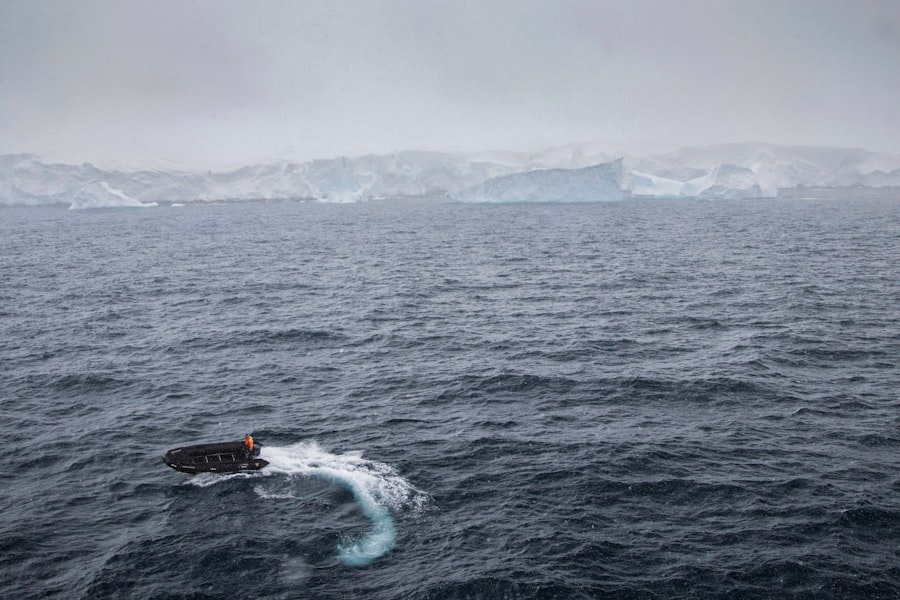
In response to the inherent dangers of navigating the Drake Passage, various organizations and authorities have implemented measures aimed at improving safety standards.
These guidelines encourage operators to conduct thorough safety drills and ensure that crew members are well-trained in handling emergencies.
Additionally, international cooperation has become increasingly important in enhancing safety in the Drake Passage. Countries involved in Antarctic research and tourism have come together to share best practices and establish protocols for safe navigation. This collaborative approach aims to create a culture of safety among operators while fostering awareness about the unique challenges posed by this region.
By prioritizing safety measures and fostering communication among stakeholders, efforts are underway to reduce accidents and fatalities in these treacherous waters.
The role of technology in navigating the Drake Passage
Technology has revolutionized maritime navigation, providing tools that enhance safety and efficiency in challenging environments like the Drake Passage. Modern vessels are equipped with advanced navigation systems that utilize GPS technology, radar, and sonar to provide real-time data about surrounding conditions. These tools enable crews to make informed decisions based on accurate information about weather patterns, currents, and potential hazards.
Moreover, satellite communication has transformed how vessels communicate with shore-based support teams and other ships in the area. This connectivity allows for timely updates on weather conditions and emergency alerts, enhancing situational awareness for those navigating through the passage. As technology continues to evolve, it holds great promise for improving safety standards and reducing risks associated with traversing these treacherous waters.
The importance of experienced crew in the Drake Passage
The significance of having an experienced crew cannot be overstated when navigating the Drake Passage.
Their familiarity with the unique challenges posed by this region allows them to anticipate potential issues and respond effectively.
Training programs that focus on situational awareness and crisis management are essential for preparing crews for the realities of navigating through these waters. Experienced mariners understand how to interpret weather forecasts accurately, assess risks associated with changing conditions, and implement safety protocols effectively. Their expertise not only enhances safety but also instills confidence among passengers who may be apprehensive about embarking on a journey through such perilous waters.
The future of travel through the Drake Passage
As interest in Antarctic exploration continues to grow, the future of travel through the Drake Passage remains a topic of discussion among maritime experts and tourism operators alike. While advancements in technology and safety protocols have improved navigation capabilities, challenges still exist that require ongoing attention. The increasing number of vessels traversing these waters raises concerns about environmental impacts and potential accidents.
Sustainable tourism practices will play a crucial role in shaping the future of travel through the Drake Passage. Operators must prioritize responsible practices that minimize ecological footprints while ensuring passenger safety. Collaboration among stakeholders will be essential in developing strategies that balance exploration with conservation efforts.
As travelers seek unique experiences in remote regions like Antarctica, finding ways to navigate safely through the Drake Passage will remain paramount.
The allure and danger of the Drake Passage
The allure of the Drake Passage lies not only in its breathtaking landscapes but also in its rich history of exploration and adventure. For many travelers, crossing this iconic body of water represents a rite of passage—a chance to experience one of nature’s most formidable environments firsthand. However, this allure is tempered by an understanding of the inherent dangers that accompany such journeys.
The juxtaposition between beauty and peril defines the essence of the Drake Passage. Its stunning vistas are often overshadowed by tales of shipwrecks and storms that have claimed lives throughout history. Travelers must grapple with this duality as they embark on their journeys—drawn by curiosity yet aware of nature’s unpredictable temperament.
This complex relationship between allure and danger adds depth to any expedition through these treacherous waters.
Advice for travelers considering a journey through the Drake Passage
For those contemplating a journey through the Drake Passage, preparation is key to ensuring a safe and enjoyable experience. Travelers should conduct thorough research on their chosen operators, seeking out those with strong safety records and experienced crews familiar with navigating these challenging waters. Understanding what to expect during transit—such as potential weather-related disruptions—can help set realistic expectations.
Additionally, travelers should prioritize personal safety by packing appropriate gear for unpredictable conditions. Layered clothing designed for cold temperatures is essential, along with sturdy footwear suitable for wet environments. Familiarizing oneself with emergency procedures onboard can also provide peace of mind during transit through this formidable passage.
Ultimately, embarking on a journey through the Drake Passage offers an opportunity for adventure unlike any other; however, it requires respect for nature’s power and an understanding of its complexities. By taking proactive steps toward preparation and safety awareness, travelers can navigate this iconic route while embracing both its allure and inherent dangers.
In 2022, the Drake Passage, known for its treacherous waters and unpredictable weather, was the site of a tragic incident that claimed the lives of several sailors. This event highlighted the inherent dangers of navigating this notorious stretch of sea, which connects the Atlantic and Pacific Oceans. For those interested in learning more about the geographical and historical significance of the Drake Passage, an insightful article can be found on MyGeoQuest. This article delves into the challenges faced by mariners and the unique environmental conditions of the region. You can read more about it by visiting this page.
WATCH NOW! Drake Passage: Earth’s Deadliest Waters Revealed
FAQs
What is the Drake Passage?
The Drake Passage is the body of water between the southern tip of South America and the northern tip of the Antarctic Peninsula. It is known for its rough seas and challenging sailing conditions.
What happened in the Drake Passage in 2022?
In 2022, a tragic incident occurred in the Drake Passage where a passenger aboard a cruise ship died after being swept overboard by a large wave.
What are the typical weather conditions in the Drake Passage?
The Drake Passage is known for its notoriously rough seas and unpredictable weather. It is often characterized by strong winds, high waves, and rapidly changing conditions.
What safety measures are in place for ships traveling through the Drake Passage?
Ships traveling through the Drake Passage are equipped with advanced navigation and communication systems, as well as experienced crew members who are trained to handle the challenging conditions. Additionally, passengers are typically briefed on safety procedures and are required to adhere to safety protocols while on board.
What should passengers consider before traveling through the Drake Passage?
Passengers considering traveling through the Drake Passage should be aware of the potential for rough seas and adverse weather conditions. It is important to follow safety guidelines, listen to crew instructions, and be prepared for the possibility of seasickness.