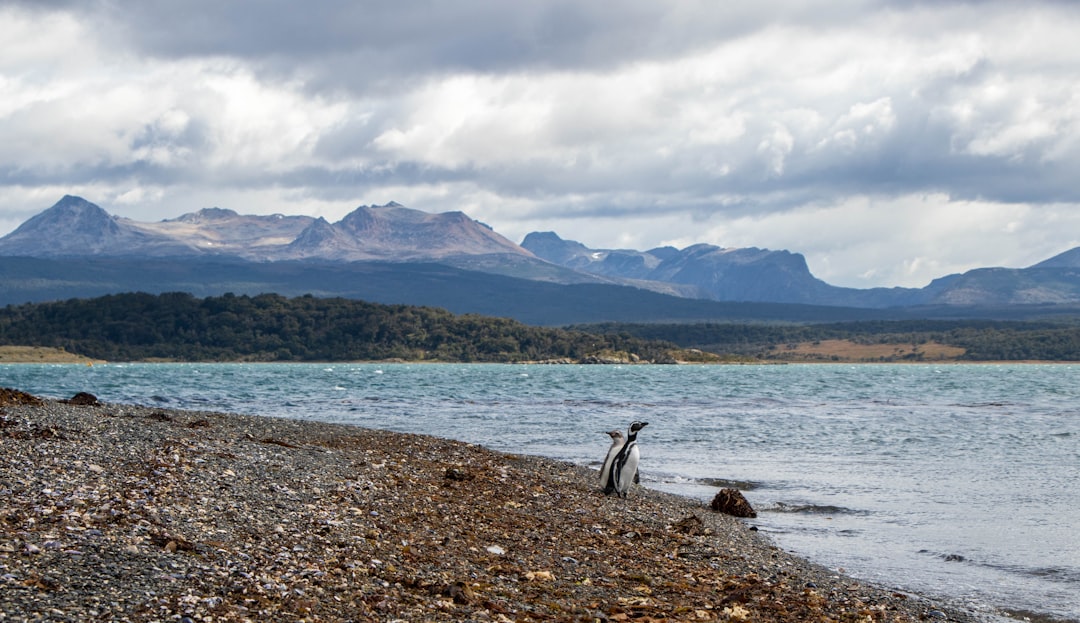
Tierra del Fuego, an archipelago located at the southernmost tip of South America, is a land of striking contrasts and breathtaking beauty. This remote region, divided between Chile and Argentina, is characterized by its rugged mountains, vast forests, and pristine coastlines. The name “Tierra del Fuego,” which translates to “Land of Fire,” was bestowed by early European explorers who observed the smoke from the fires lit by the indigenous peoples.
The archipelago is not only a geographical marvel but also a cultural and historical treasure trove, offering insights into the lives of its original inhabitants and the explorers who ventured into its challenging landscapes. Adjacent to Tierra del Fuego lies the infamous Drake Passage, a body of water that separates South America from Antarctica. This narrow stretch of ocean is known for its turbulent waters and unpredictable weather, making it both a formidable barrier and a vital route for maritime navigation.
The Drake Passage has long captured the imagination of adventurers and scientists alike, serving as a gateway to the Antarctic region. Together, Tierra del Fuego and the Drake Passage present an extraordinary opportunity for exploration, adventure, and discovery.
Key Takeaways
- Tierra del Fuego is an archipelago at the southern tip of South America, known for its stunning landscapes and unique wildlife, and is accessed through the infamous Drake Passage.
- The geography of Tierra del Fuego is characterized by rugged mountains, dense forests, and numerous waterways, while the climate is cold and windy, with unpredictable weather patterns.
- The indigenous people of Tierra del Fuego, such as the Selk’nam and Yamana, have a rich cultural history, with traditional practices and beliefs that are still celebrated today.
- Tierra del Fuego is home to diverse wildlife, including penguins, sea lions, and diverse bird species, making it a popular destination for nature enthusiasts.
- Ushuaia, the capital of Tierra del Fuego, is a vibrant city and the gateway to the archipelago, offering a range of activities and attractions for visitors to explore.
The Geography and Climate of Tierra del Fuego
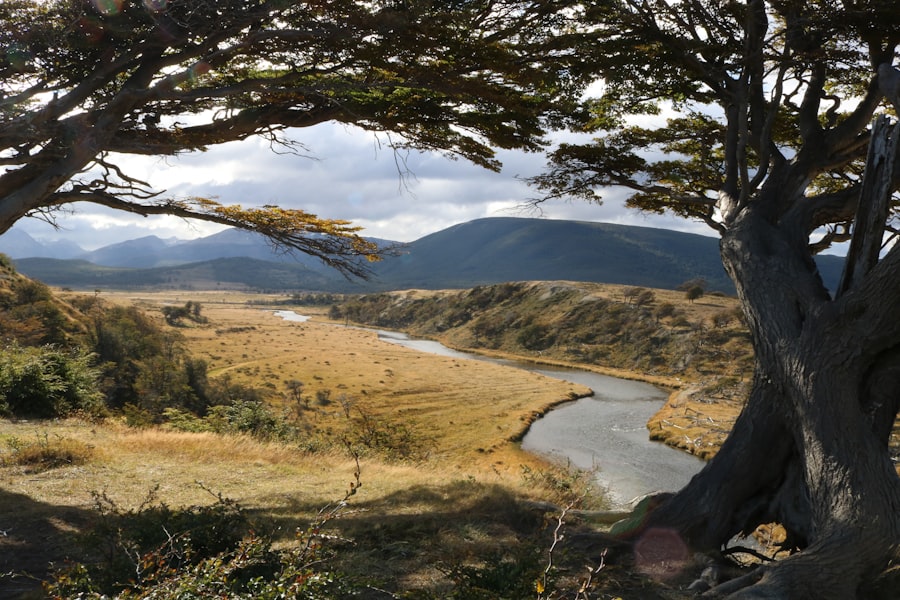
Tierra del Fuego’s geography is as diverse as it is dramatic. The archipelago consists of several islands, with Isla Grande being the largest. Towering mountains, such as the Andes, dominate the landscape, while deep fjords and glacial lakes add to its allure.
The region is also home to numerous rivers and channels that carve through the land, creating a stunning tapestry of natural features. The rugged terrain is interspersed with lush forests, primarily composed of lenga and coihue trees, which thrive in the region’s unique climate. The climate of Tierra del Fuego is classified as subpolar oceanic, characterized by cool temperatures and high levels of precipitation throughout the year.
Summers are relatively mild, with average temperatures ranging from 10 to 15 degrees Celsius (50 to 59 degrees Fahrenheit), while winters can be harsh, often dropping below freezing. The region experiences strong winds, particularly in the spring and autumn months, which can create challenging conditions for travelers. Despite its often unpredictable weather, Tierra del Fuego’s stunning landscapes and rich biodiversity make it a captivating destination for those willing to brave the elements.
Indigenous Culture and History of Tierra del Fuego
The indigenous peoples of Tierra del Fuego, primarily the Selk’nam, Yaghan, and Kawésqar tribes, have inhabited this remote region for thousands of years. Their cultures are deeply intertwined with the land and sea, relying on fishing, hunting, and gathering for sustenance. The Selk’nam, known for their elaborate rituals and ceremonies, practiced a unique form of shamanism that connected them to their environment.
The Yaghan people were skilled navigators who utilized canoes to traverse the coastal waters, while the Kawésqar were adept at living in harmony with the harsh conditions of the archipelago. The arrival of European explorers in the 16th century marked a significant turning point in the history of Tierra del Fuego’s indigenous populations. The introduction of new diseases, coupled with violent encounters with colonizers, led to a dramatic decline in their numbers.
By the late 19th century, many indigenous communities had been decimated or displaced. Today, efforts are being made to preserve and revitalize the cultural heritage of these groups, with initiatives aimed at documenting their languages, traditions, and stories. Understanding this rich history is essential for appreciating the complexities of Tierra del Fuego’s identity.
Wildlife and Natural Attractions in Tierra del Fuego
| Wildlife and Natural Attractions in Tierra del Fuego | Location | Description |
|---|---|---|
| Beagle Channel | Ushuaia | Offers stunning views of the surrounding mountains and opportunities to spot sea lions, penguins, and other marine wildlife. |
| Tierra del Fuego National Park | Ushuaia | Home to diverse wildlife including foxes, beavers, and a variety of bird species. Offers hiking and camping opportunities. |
| Les Eclaireurs Lighthouse | Beagle Channel | Iconic lighthouse surrounded by beautiful landscapes and frequented by sea birds and marine mammals. |
| Magellanic Penguin Rookery | Harberton | Visitors can observe a large colony of Magellanic penguins in their natural habitat. |
Tierra del Fuego is renowned for its remarkable biodiversity and stunning natural attractions. The region is home to a variety of wildlife species that thrive in its diverse ecosystems. Among the most iconic inhabitants are the guanacos, a wild relative of the llama that roams the grasslands, and the elusive Andean condor, which soars majestically above the mountains.
The coastal areas are teeming with marine life, including sea lions, penguins, and various seabird species that nest along the rocky shores. One of the most celebrated natural attractions in Tierra del Fuego is Tierra del Fuego National Park. This protected area offers visitors a chance to explore its pristine landscapes through a network of hiking trails that wind through forests, along rivers, and up to breathtaking viewpoints.
The park’s diverse flora includes unique species such as the lenga tree and various types of wildflowers that bloom during the short summer months. Additionally, visitors can experience stunning vistas of glacial lakes and snow-capped peaks that create an unforgettable backdrop for outdoor adventures.
Exploring Ushuaia, the Gateway to Tierra del Fuego
Ushuaia, often referred to as the southernmost city in the world, serves as the primary gateway to Tierra del Fuego. Nestled between the Martial Mountains and the Beagle Channel, this vibrant city is a hub for tourists seeking to explore the natural wonders of the region. Ushuaia boasts a rich history as a former penal colony and has transformed into a bustling center for adventure tourism.
Its charming streets are lined with colorful buildings, shops selling local crafts, and restaurants offering delicious Patagonian cuisine. Visitors to Ushuaia can embark on various excursions that showcase the beauty of Tierra del Fuego. Boat tours along the Beagle Channel provide opportunities to spot wildlife such as sea lions and penguins while taking in stunning views of the surrounding mountains.
Additionally, travelers can visit nearby attractions like the End of the World Museum or take a ride on the historic End of the World Train, which offers a scenic journey through picturesque landscapes. Ushuaia’s unique blend of history, culture, and natural beauty makes it an ideal starting point for exploring Tierra del Fuego.
Adventure Activities in Tierra del Fuego
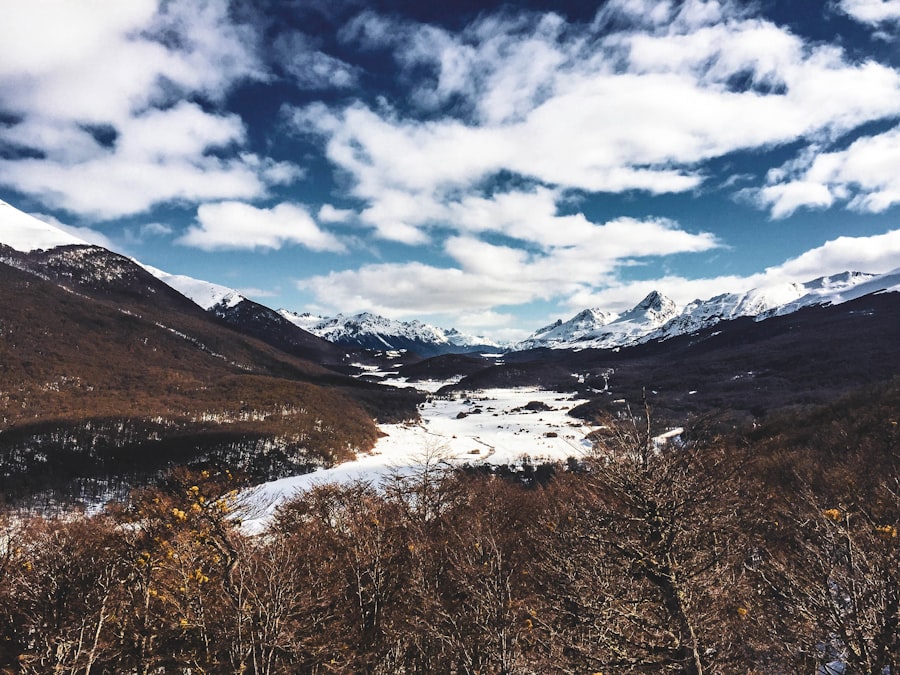
For adventure enthusiasts, Tierra del Fuego offers an array of thrilling activities that cater to various interests. Hiking is one of the most popular pursuits in this rugged landscape, with trails ranging from easy walks to challenging treks that lead to breathtaking viewpoints. The Dientes de Navarino trek is particularly renowned for its stunning scenery and remote wilderness experience.
Adventurers can also explore the region’s many lakes and rivers through kayaking or canoeing excursions that allow for close encounters with nature. In addition to hiking and water sports, Tierra del Fuego is an excellent destination for winter sports enthusiasts. During the colder months, visitors can engage in skiing or snowboarding at nearby resorts such as Cerro Castor.
Snowshoeing and ice fishing are also popular activities that provide unique ways to experience the winter landscape. Whether one seeks adrenaline-pumping adventures or serene moments in nature, Tierra del Fuego offers something for everyone.
Navigating the Drake Passage
Navigating the Drake Passage is an experience that many travelers consider both exhilarating and daunting. This stretch of water is notorious for its rough seas and unpredictable weather patterns, which can change rapidly within hours. For those embarking on journeys to Antarctica or exploring southern regions of South America, crossing the Drake Passage is often an essential part of their adventure.
Despite its challenges, many travelers find that this journey adds to the allure of their expedition. The passage itself is approximately 800 kilometers (500 miles) wide and connects the Atlantic and Pacific Oceans. It serves as a critical route for ships traveling between South America and Antarctica.
While crossing can be turbulent at times—often referred to as “Drake Shake”—modern vessels are equipped with advanced technology to ensure safety and comfort during transit. For many adventurers, witnessing the vast expanse of ocean while navigating this historic waterway becomes an unforgettable part of their journey.
Wildlife Spotting in the Drake Passage
The Drake Passage is not only significant for its navigational importance but also for its rich marine life. As travelers make their way across this body of water, they have opportunities to spot various species of wildlife that inhabit its waters. One of the most sought-after sights is that of whales; species such as humpback whales and orcas are often seen breaching or swimming alongside vessels during crossings.
In addition to whales, seabirds are abundant in the Drake Passage. Travelers may encounter albatrosses gliding gracefully above the waves or petrels diving into the water in search of food. These magnificent birds are well adapted to life at sea and can often be seen following ships for miles on end.
The chance to observe such diverse wildlife adds an extra layer of excitement to any journey through this remarkable passage.
Historical and Scientific Significance of the Drake Passage
The historical significance of the Drake Passage cannot be overstated; it has long been a critical route for explorers seeking new lands and trade routes since its discovery by European navigators in the 16th century. Figures such as Ferdinand Magellan first traversed these waters during their expeditions to circumnavigate the globe. Over time, it has become a vital passage for scientific research as well; oceanographers study its unique currents and ecosystems to better understand global climate patterns.
In contemporary times, researchers continue to explore the Drake Passage’s role in marine biology and ecology. The waters serve as a crucial habitat for various species that migrate between continents or breed in these nutrient-rich areas. Scientists conduct studies on everything from plankton populations to whale migration patterns in order to gain insights into how climate change impacts marine ecosystems globally.
This ongoing research underscores not only the passage’s historical importance but also its relevance in addressing contemporary environmental challenges.
Tips for Traveling to Tierra del Fuego and the Drake Passage
Traveling to Tierra del Fuego and navigating the Drake Passage requires careful planning to ensure a smooth experience. First and foremost, travelers should consider their timing; while summer months (December through February) offer milder weather conditions ideal for exploration, winter months present unique opportunities for winter sports enthusiasts. Regardless of when one visits, packing layers is essential due to fluctuating temperatures throughout each day.
Additionally, travelers should be prepared for potential seasickness when crossing the Drake Passage; bringing motion sickness medication can help alleviate discomfort during transit. It’s also advisable to book excursions or tours in advance—especially during peak tourist seasons—to secure spots on popular activities such as wildlife watching or hiking trips. Lastly, embracing flexibility in travel plans will enhance one’s experience; unexpected weather changes may lead to spontaneous adventures that create lasting memories.
The Unforgettable Experience of Exploring Tierra del Fuego and the Drake Passage
Exploring Tierra del Fuego and navigating the Drake Passage offers an unparalleled adventure filled with natural beauty, rich history, and diverse wildlife encounters. From hiking through breathtaking landscapes in national parks to witnessing majestic whales breaching in turbulent waters, every moment spent in this remote region leaves an indelible mark on travelers’ hearts. The unique blend of indigenous culture intertwined with modern exploration creates a tapestry that enriches one’s understanding of this extraordinary part of our planet.
As adventurers return home from their journeys through Tierra del Fuego and across the Drake Passage, they carry with them stories that inspire others to seek out their own experiences in these wild landscapes. Whether it’s standing at the southernmost tip of South America or braving turbulent seas en route to Antarctica, each encounter serves as a reminder of nature’s power and beauty—a testament to why this region remains one of Earth’s last frontiers waiting to be explored.
These areas are known for their rugged landscapes and challenging maritime conditions. For those interested in learning more about the geographical significance and the adventurous spirit associated with these regions, an insightful article can be found on MyGeoQuest. This article delves into the unique characteristics of Tierra del Fuego and the Drake Passage, offering a deeper understanding of their historical and environmental importance. To explore this further, you can visit the article on MyGeoQuest by clicking on this com/sample-page/’>link.
WATCH NOW! Drake Passage: Earth’s Deadliest Waters Revealed
FAQs
What is Tierra del Fuego?
Tierra del Fuego is an archipelago off the southernmost tip of the South American mainland, across the Strait of Magellan. It is divided between Argentina and Chile, with the eastern part belonging to Argentina and the western part to Chile.
What is the Drake Passage?
The Drake Passage is the body of water between the southern tip of South America at Cape Horn and the South Shetland Islands of Antarctica. It is known for its rough seas and challenging sailing conditions due to the convergence of the Atlantic, Pacific, and Southern oceans.
What is the significance of Tierra del Fuego and the Drake Passage?
Tierra del Fuego and the Drake Passage are significant for their unique geographical location and natural beauty. Tierra del Fuego is a popular destination for adventure tourism, offering opportunities for hiking, wildlife viewing, and exploration of its rugged landscapes. The Drake Passage is a crucial route for ships traveling to and from Antarctica, and it is also a renowned area for wildlife sightings, including whales, seals, and seabirds.
What are some popular activities in Tierra del Fuego and the Drake Passage?
Popular activities in Tierra del Fuego include hiking in Tierra del Fuego National Park, visiting Ushuaia, the southernmost city in the world, and taking boat tours to explore the Beagle Channel. In the Drake Passage, popular activities include wildlife watching, birding, and experiencing the unique and challenging sailing conditions that the passage is known for.
How can one access Tierra del Fuego and the Drake Passage?
Tierra del Fuego can be accessed by air through Ushuaia’s Malvinas Argentinas International Airport, or by road from the mainland of Argentina. The Drake Passage can be accessed by sea through expedition cruises that depart from Ushuaia or Punta Arenas, Chile, and travel to Antarctica.