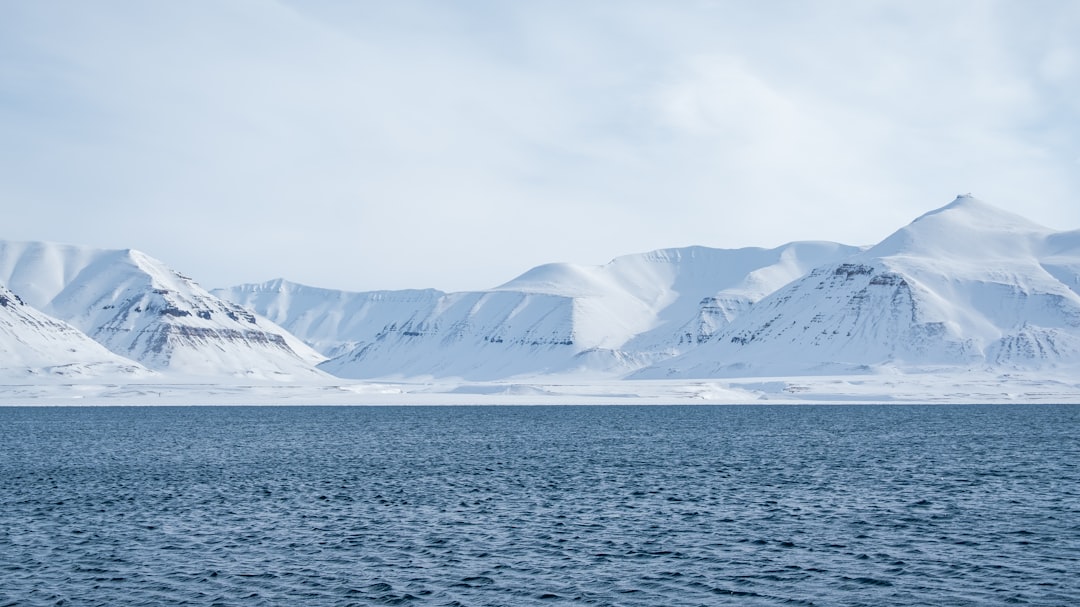
The Arctic, once a remote and largely inaccessible frontier, is increasingly becoming a zone of significant maritime activity. As global warming reshapes ice conditions and unlocks new trade routes and resource extraction opportunities, vessels are venturing into these challenging waters with greater frequency. This surge in Arctic navigation necessitates a thorough understanding of the specialized risks and the insurance mechanisms designed to mitigate them. For shipowners and operators, navigating the complexities of International Group of Protection & Indemnity (P&I) Clubs’ Arctic Clauses is not merely a matter of compliance, but a critical aspect of ensuring operational viability and financial security. These clauses are not simply addendums; they represent a carefully constructed framework acknowledging the unique perils inherent in operating north of the Arctic Circle.
The P&I Clubs, providing cover for a vast majority of the world’s merchant shipping, have developed these clauses to address the elevated risks associated with Arctic environments that go beyond those typically encountered in temperate or even sub-Antarctic waters. These risks encompass a range of physical, environmental, operational, and legal challenges, each demanding specific considerations within the P&I insurance framework. Understanding the nuances of these clauses is therefore paramount for any entity contemplating or currently engaged in Arctic operations. This article aims to demystify these provisions, examining their purpose, scope, and implications for the maritime industry.
The Rationale Behind Arctic Clauses: Acknowledging Unique Perils
The fundamental purpose of International Group P&I Club Arctic Clauses is to acknowledge and specifically address the heightened risks associated with operating in the Arctic region. These clauses are not arbitrary impositions but are rather a reflection of extensive experience, analysis of incident data, and a pragmatic approach to underwriting. The Arctic presents a constellation of hazards that can significantly increase the likelihood and severity of maritime casualties, leading to greater potential liabilities for shipowners and operators.
Ice as a Primary Hazard
The most immediately apparent and pervasive risk in Arctic waters is ice. Its presence, form, and behaviour are far more dynamic and unpredictable than in other regions.
Different Forms of Ice and Their Impact
- Sea Ice: This encompasses a vast array of formations, from thin ice crusts to thick, multi-year ice, including pack ice, floes, and icebergs. The sheer density and pressure of pack ice can crush vessel hulls, while ice floes can cause structural damage through collision. Icebergs, though less common in many Arctic shipping lanes compared to Antarctic waters, still pose a significant threat.
- Glacial Ice: While primarily a concern in regions nearer to glacial outflows, the calving of glaciers can release icebergs into shipping routes.
- Shore-Fast Ice: This ice, attached to the coastline, can restrict manoeuvring and pose a unique navigational challenge, especially in constricted waterways.
Operational Challenges in Icy Conditions
- Manoeuvrability Degradation: Ice significantly impedes a vessel’s ability to steer and manoeuvre, increasing the risk of grounding or collision.
- Propulsion System Strain: Propellers and shafts are susceptible to damage from ice ingestion or impact, leading to costly repairs and significant operational downtime.
- Hull Integrity Risks: The immense pressures exerted by ice can lead to hull deformation, cracking, and ultimately, breaches, resulting in flooding and potential loss of the vessel.
- Limited Visibility: Ice fog, snow squalls, and the general low-light conditions prevalent in Arctic winters can severely impair visibility, exacerbating the risks of navigation.
Extreme Weather and Environmental Conditions
Beyond the direct threat of ice, the Arctic environment is characterized by extreme weather phenomena and harsh conditions that contribute to increased risk.
Low Temperatures and Their Consequences
- Freezing of Equipment: The extreme cold can cause critical equipment, such as steering gear, winches, and safety apparatus, to freeze and malfunction.
- Material Brittleness: Low temperatures can make certain materials, including steel, more brittle and susceptible to fracture upon impact.
- Crew Welfare: Extreme cold poses significant challenges to crew safety and functionality, necessitating specialized clothing, accommodation, and operational protocols.
High Winds and Storms
- Increased Wave Action: While ice can dampen wave action to some extent, powerful Arctic storms can still generate significant waves that, when combined with ice, create exceptionally hazardous conditions.
- Windage and Drift: Strong winds can significantly affect a vessel’s drift, particularly in areas with less ice cover or when manoeuvring in open water.
Remote and Limited Infrastructure
The Arctic is characterized by vast distances and a scarcity of established infrastructure, which amplifies the consequences of any incident.
- Limited Search and Rescue (SAR) Capabilities: Response times for SAR operations are significantly longer due to the distances involved and the limited availability of specialized Arctic-capable assets.
- Scarcity of Ports and Refuge Areas: In the event of an emergency, finding immediate safe harbour or a suitable refuge port can be exceedingly difficult, often requiring vessels to navigate further, potentially into more hazardous conditions.
- Limited Salvage and Repair Facilities: The availability of specialized salvage tugs and repair yards capable of handling large vessels in remote Arctic locations is highly restricted, escalating the cost and complexity of salvage operations.
International Group P&I clubs have developed specific Arctic clauses to address the unique challenges and risks associated with maritime operations in polar regions. These clauses are essential for shipowners and operators to understand, as they outline the necessary precautions and insurance requirements when navigating icy waters. For a deeper insight into the implications and applications of these Arctic clauses, you can refer to a related article available at this link.
The Scope and Application of Arctic Clauses
The application of P&I Club Arctic Clauses is not universally applied to all voyages in northern latitudes. Instead, they are specifically triggered by operations within defined geographical boundaries and under particular environmental conditions. This delineation is crucial for both the assured and the insurer in understanding the scope of coverage and any associated deductibles or special terms.
Geographical Definitions: The Arctic Circle and Beyond
The primary geographical trigger for P&I Club Arctic Clauses is typically operations north of a specified latitude, most commonly the Arctic Circle (66°33′ N latitude). However, the exact geographical scope can vary slightly between different P&I Clubs and may be defined in the specific Club rules or in endorsements to the Certificate of Entry.
Navigating the Boundaries
- The Arctic Circle as a Threshold: Voyages that enter waters north of the Arctic Circle are generally subject to the Arctic Clauses. This includes transit through straits, archipelagos, and open waters within this latitude.
- Potential for Broader Geographical Scope: In some instances, even areas south of the Arctic Circle may be brought under the purview of Arctic Clauses if they present comparable ice-related risks or are considered part of a broader Arctic operational context, such as for vessels en route to or from Arctic ports. This can include areas within the Barents Sea or Greenland Sea, depending on the prevailing ice conditions and the specific Club’s policy.
Ice Conditions and Operational Limitations
Beyond geographical location, the presence and severity of ice are critical factors in determining the applicability of Arctic Clauses. The clauses often stipulate specific ice classifications or conditions that trigger their application.
Ice Class Requirements
- Mandatory Ice Class Vessels: A fundamental requirement often stipulated by Arctic Clauses is that the vessel must possess an appropriate Ice Class notation as recognized by classification societies (e.g., Finnish-Swedish Ice Class notation, PC Class notations for North American Arctic). Operating a vessel without the requisite Ice Class in areas where ice is prevalent will likely result in a breach of the warranty, leading to denial of cover or significant limitations.
- Navigational Restrictions based on Ice Class: The Ice Class notation itself dictates the type and thickness of ice a vessel is designed to navigate. Arctic Clauses often align with these restrictions, meaning coverage may be withdrawn or limited if a vessel attempts to navigate ice conditions beyond its certified capability.
Operational Thresholds for Ice Conditions
- Defined Ice Strengths or Concentrations: Clauses may trigger based on specific descriptions of ice conditions, such as the presence of “minor ice,” “pack ice,” or “heavy pack ice,” as defined by international ice reporting services or standardized ice codes.
- Seasonal Variations: The applicability of clauses can also be influenced by seasonal variations in ice conditions. For example, during seasons when ice is prevalent, the clauses are more likely to be in force, even if the geographical boundaries are contiguous.
Exclusions and Limitations within Arctic Clauses
While designed to provide cover for Arctic operations, these clauses also contain important exclusions and limitations that shipowners must understand to avoid unexpected underinsurance.
Specific Exclusions
- War Risks: Claims arising from political instability, acts of war, or terrorism in the Arctic region are typically excluded and require separate war risks insurance.
- Pollution (Specific Limits): While P&I insurance provides pollution cover, Arctic Clauses may have specific sub-limits or unique conditions related to pollution incidents in these sensitive environments, particularly concerning the high cost of clean-up in remote and harsh conditions.
- Damage to Specific Equipment: Certain types of equipment, such as ice-ābating devices or specialized navigation systems for ice, might have specific deductibles or exclusions if damaged or lost due to causes not fitting within conventional P&I risks.
- Environmental Incidents Beyond Vessel Control: While the vessel is responsible for its actions, events caused by extreme and unforeseeable natural phenomena that are not directly related to operational negligence might be subject to specific interpretations or exclusions.
Deductibles and Co-Insurance
- Increased Deductibles: A common feature of Arctic Clauses is the imposition of higher deductibles for claims arising from voyages subject to these clauses. This shared financial burden encourages greater risk mitigation by the assured.
- Co-insurance Provisions: In some higher-risk scenarios or for specific types of coverage, the assured may be required to bear a percentage of the loss (co-insurance), further incentivizing a proactive approach to safety.
Key Provisions and Warranties in Arctic Clauses
To effectively manage risk and ensure coverage, shipowners and operators must pay close attention to the specific provisions and warranties embedded within the P&I Club Arctic Clauses. These are not merely administrative details but are critical conditions that, if breached, can invalidate insurance cover.
Ice Class Warranty
Perhaps the most significant warranty in Arctic Clauses is the requirement for the vessel to maintain a specified Ice Class. This is a fundamental prerequisite for valid cover.
Maintaining the Required Ice Class
- Classification Society Standards: The Ice Class notation must be issued by a recognized classification society and meet the standards deemed acceptable by the International Group and the individual P&I Club. This typically varies based on the P&I Club’s rules and the specific operational area.
- Continuous Compliance: The vessel must maintain its Ice Class throughout the period of coverage. This includes adhering to the classification society’s requirements for surveys, dry-docking, and maintenance. Any lapse in classification can render the insurance void.
- Navigating Within Class Limitations: The warranty extends to operating the vessel only within the ice conditions for which it is classified. Attempting to navigate beyond the vessel’s ice class capabilities, even in the absence of explicit instruction to do so, could be considered a breach of warranty.
Navigation and Routeing Restrictions
Arctic Clauses often impose specific restrictions on navigation and routeing to mitigate risks associated with ice and other hazards.
Pre-Approval of Voyages
- Notification and Approval: For voyages into areas designated as particularly high-risk, some P&I Clubs may require prior notification and approval of the intended route and voyage plan. This allows the Club to assess the specific risks and provide guidance.
- Summer Routings and Ice Season: Clauses will often detail acceptable routing during specific periods, particularly during the ice season when navigation is more challenging. This might involve favouring channels or sea lanes that have been surveyed and are known to be navigable.
Ice Navigation Procedures
- Use of Icebreakers: In some circumstances, the use of icebreaker assistance may be mandated or strongly recommended. The clauses may specify the required icebreaker escort (e.g., ahead, astern) and the conditions under which it must be utilized.
- Speed Limitations: Operating at reduced speeds is a crucial risk mitigation strategy in icy waters. Arctic Clauses may stipulate maximum allowable speeds based on ice conditions and the vessel’s Ice Class.
- Navigational Watch and Lookout: Enhanced vigilance is required in the Arctic. Clauses often emphasize the need for a robust navigational watch, including effective lookout procedures and the use of appropriate navigational aids, particularly in conditions of reduced visibility.
Special Operational Requirements
Beyond standard navigational practices, Arctic Clauses may mandate specific operational protocols to address the unique challenges of the region.
Environmental Monitoring and Reporting
- Ice Reporting Services: The clauses may require the consistent use of and adherence to advice from official ice surveillance and reporting services (e.g., Canadian Ice Service, Danish Meteorological Institute).
- Onboard Ice Observation: In addition to external reports, crews may be required to conduct and report on onboard ice observations, contributing to a shared situational awareness.
Icebreaker Support and Rendezvous
- Contact Protocols: Procedures for contacting and coordinating with icebreaker services, including mandatory rendezvous points and communication protocols, are often specified.
- Detention for Icebreaker Assistance: The clauses may also address the implications of delayed voyages due to waiting for icebreaker assistance, including any impact on laytime or demurrage claims.
Ice Navigation Plan
- Development and Implementation: For particularly challenging or extensive voyages, the development and implementation of a detailed Ice Navigation Plan, reviewed and approved by the P&I Club, might be a prerequisite for cover. This plan would typically outline the vessel’s capabilities, route, risk assessment, emergency procedures, and communication protocols.
Implications for Shipowners and Operators
The presence of International Group P&I Club Arctic Clauses has significant implications for shipowners and operators considering or undertaking Arctic voyages. Compliance is not optional; it is fundamental to securing and maintaining insurance cover.
Risk Management and Due Diligence
The Arctic Clauses underscore the importance of a robust risk management framework that goes beyond standard maritime practices.
Pre-Voyage Assessment
- Vessel Suitability: A thorough assessment of the vessel’s suitability for Arctic operations, including its Ice Class, hull strength, propulsion systems, and environmental protection equipment, is paramount.
- Route Planning and Ice Forecasting: Detailed route planning, considering prevailing ice conditions, seasonal forecasts, and potential hazards, is essential. This involves consulting with specialized meteorological and ice forecasting services.
- Crew Training and Competency: Ensuring that the crew possesses the necessary skills, training, and experience in ice navigation and Arctic operations is critical. This may involve specialized training courses and familiarization with ice management techniques.
Operational Procedures and Compliance
- Adherence to Clauses: Strict adherence to all provisions outlined in the Arctic Clauses, including speed limitations, navigational watch requirements, and ice reporting procedures, is non-negotiable.
- Contingency Planning: Developing comprehensive contingency plans for various scenarios, such as engine failure in ice, grounding, or adverse weather, is vital. This includes having established communication protocols and emergency response procedures.
- Maintenance of Ice Class: Diligent maintenance of the vessel’s Ice Class throughout the voyage is crucial. Any lapse can lead to the complete voidance of insurance cover.
Insurance Costs and Underwriting Considerations
The heightened risks associated with Arctic operations translate into specific underwriting considerations and potentially increased insurance costs.
Premium Adjustments and Deductibles
- Higher Premiums: Voyages conducted under Arctic Clauses generally attract higher P&I premiums due to the increased risk profile.
- Increased Deductibles: As noted previously, Arctic Clauses often come with increased deductibles, meaning the assured will bear a larger portion of any claim. This incentivizes proactive risk mitigation.
- Special Terms and Conditions: The P&I Clubs may impose special terms and conditions on the Certificate of Entry for Arctic operations, which could include specific endorsements, limits of liability, or requirements for independent surveys.
Loss Prevention and Claims Handling
- Focus on Prevention: The emphasis of Arctic Clauses is heavily aligned with loss prevention. The P&I Clubs invest significant resources in providing guidance and promoting best practices to minimize the occurrence of incidents.
- Claims Scrutiny: Claims arising from Arctic operations are likely to be subject to more rigorous scrutiny to ensure compliance with all terms and conditions of the P&I policy and the Arctic Clauses. Investigating the circumstances leading to a casualty will be thorough, paying particular attention to any alleged breaches of warranty or operational deficiencies.
Impact on Chartering and Contractual Obligations
The existence and requirements of Arctic Clauses also have implications for charter party agreements and other contractual obligations.
Charter Party Provisions
- Ice Clauses in Charters: Charter parties often contain their own “ice clauses” that mirror or complement P&I Club requirements, specifying the vessel’s ice class, permitted operating areas, and the charterer’s responsibilities in relation to ice navigation.
- Notice and Consent: Charter parties may require the charterer to provide advance notice of any intended Arctic voyages and seek the owner’s consent, which will invariably involve ensuring that the P&I cover is in place and compliant with all Arctic Clause requirements.
- Demurrage and Laytime: The potential for delays due to ice or the need for icebreaker assistance can significantly impact demurrage and laytime calculations. These aspects need to be carefully considered and clearly defined in the charter party.
International Group P&I clubs have developed specific Arctic clauses to address the unique challenges and risks associated with maritime operations in polar regions. These clauses are essential for ensuring that vessels comply with the stringent regulations and safety measures required in such environments. For further insights into the implications of these clauses and their impact on shipping practices, you can read a related article on this topic at MyGeoQuest. Understanding these provisions is crucial for shipowners and operators navigating the complexities of Arctic waters.
Future Developments and evolving Arctic Insurance
The Arctic landscape is dynamic, with ongoing changes in ice conditions, evolving shipping routes, and increasing geopolitical interest. Consequently, the framework of P&I Club Arctic Clauses is not static and is subject to continuous review and potential adaptation.
Adapting to Changing Ice Conditions
As climate change progresses, ice patterns are shifting, and the predictability of ice formation and breakup can be altered. This necessitates ongoing monitoring and potential adjustments to the clauses.
Data-Driven Revisions
- Incident Analysis: P&I Clubs, through the International Group, continuously analyze incident data from Arctic operations. This data informs their understanding of emerging risks and trends, leading to potential revisions in the clauses.
- Improved Ice Forecasting: Advances in satellite imagery, remote sensing, and meteorological modeling are improving ice forecasting capabilities. The P&I Clubs will likely incorporate these advancements into their risk assessments and potentially into updated clause requirements.
- Sea Ice Extent and Thickness: Changes in sea ice extent and thickness directly influence navigational safety. The clauses may need to evolve to reflect the increasing navigability of certain areas during specific seasons, while simultaneously recognizing new hazards that may arise.
Technological Advancements in Arctic Navigation and Safety
Technological innovation plays a crucial role in enhancing safety and efficiency in the Arctic, and these developments can influence insurance requirements.
Enhanced Navigation Systems
- Advanced Radar and Sonar: Improvements in radar and sonar technology allow for better detection of ice floes and submerged ice.
- Integrated Bridge Systems: The integration of various navigation aids, ice detection systems, and weather information onto a single platform can significantly enhance situational awareness. The P&I Clubs may, in the future, mandate or strongly recommend the use of such integrated systems.
Remote Sensing and Autonomous Systems
- Drones and Satellites for Ice Reconnaissance: The use of drones and satellite imagery for real-time ice reconnaissance provides invaluable data for navigation planning.
- Potential for Autonomous Operations: While still in its nascent stages, the future may see increased integration of autonomous systems in Arctic operations, which will require new insurance and regulatory considerations.
International Cooperation and Regulatory Harmonization
The Arctic is a region of international significance, and increased cooperation and harmonization of regulations are anticipated, which may impact P&I Club policies.
Polar Code and Beyond
- The IMO Polar Code: The International Maritime Organization’s (IMO) Polar Code, which sets out mandatory provisions for ships operating in polar waters, is a significant piece of international legislation. P&I Clubs’ Arctic Clauses are designed to align with, and often go beyond, the minimum requirements of the Polar Code, reflecting the Clubs’ role as providers of comprehensive risk management solutions.
- Harmonization of National Regulations: As more nations develop their own regulatory frameworks for Arctic shipping, efforts towards international harmonization will likely increase. This could lead to more standardized insurance requirements and clearer operational guidelines.
- Challenges in Enforcement and Application: While international agreements are crucial, the practical application and enforcement of regulations in the vast and remote Arctic can present challenges. P&I Clubs will continue to monitor these developments to ensure their clauses remain relevant and effective.
In conclusion, International Group P&I Club Arctic Clauses are a critical component of maritime insurance for operations in this challenging and evolving region. They represent a sophisticated approach to risk management, acknowledging the unique perils of the Arctic and providing a framework for coverage that is contingent upon strict adherence to safety and operational standards. For shipowners and operators, a comprehensive understanding of these clauses, their scope, and their implications is not merely a matter of compliance, but a fundamental necessity for responsible and sustainable engagement with the Arctic’s maritime potential. The continued evolution of Arctic conditions and maritime technology will undoubtedly necessitate ongoing adaptation of these clauses, underscoring the dynamic nature of risk and insurance in the world’s most northerly waters.
FAQs
What are International Group P&I clubs?
International Group P&I clubs are a collective of 13 mutual insurance associations that provide liability cover for approximately 90% of the world’s ocean-going tonnage. They offer protection and indemnity (P&I) insurance to shipowners, operators, and charterers.
What are Arctic clauses in the context of International Group P&I clubs?
Arctic clauses are specific provisions within P&I insurance policies that address the unique risks and challenges associated with operating vessels in the Arctic region. These clauses outline the coverage, limitations, and requirements for ships navigating in Arctic waters.
Why are Arctic clauses important for P&I insurance policies?
Arctic clauses are important because they address the increased risks and operational complexities that come with navigating in the Arctic, such as extreme weather conditions, ice navigation, and limited infrastructure. By including these clauses, P&I clubs can ensure that their members have appropriate coverage for Arctic operations.
What are some common elements of Arctic clauses in P&I insurance policies?
Common elements of Arctic clauses may include provisions for ice navigation, additional premiums for Arctic operations, requirements for ice-classed vessels, limitations on coverage in certain Arctic areas, and specific reporting and notification procedures for Arctic voyages.
How do International Group P&I clubs collaborate on Arctic clauses?
International Group P&I clubs collaborate on Arctic clauses by sharing expertise, data, and best practices to develop standardized and comprehensive provisions that address the unique risks of Arctic navigation. This collaboration ensures consistency and clarity in Arctic clauses across the P&I insurance industry.