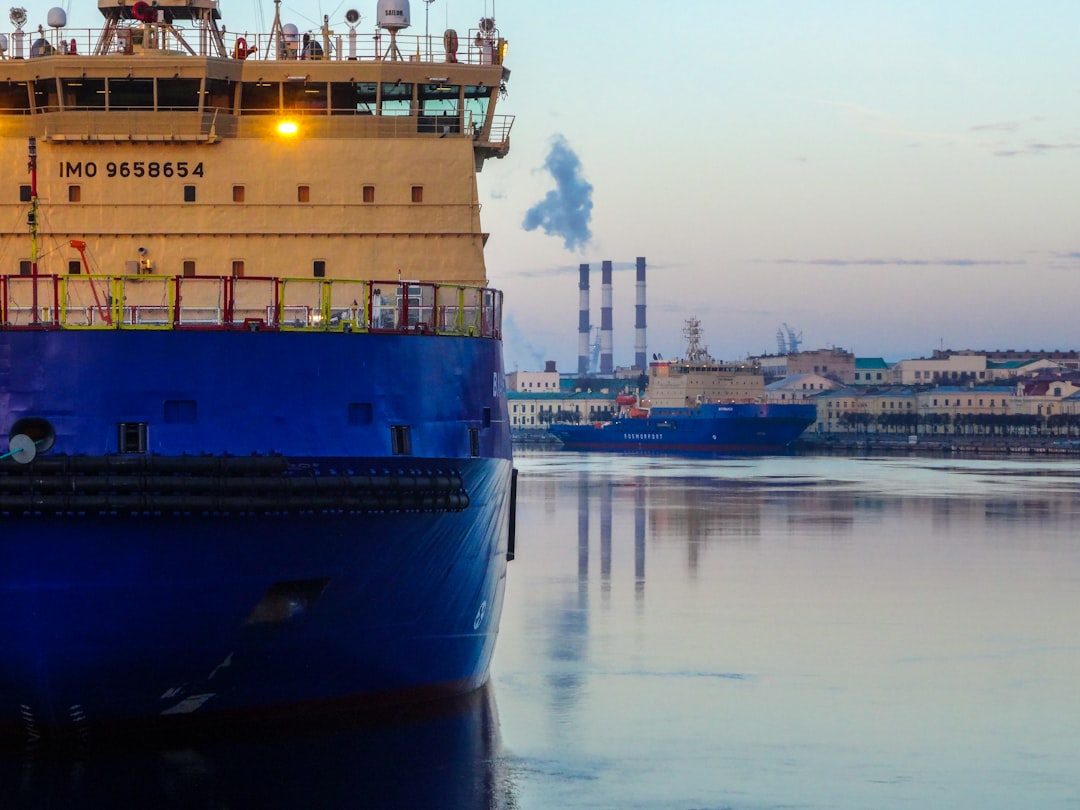
The vast, unforgiving landscape of the Arctic, once a remote and largely inaccessible frontier, is undergoing rapid transformation. Melting sea ice, driven by a warming climate, is opening new shipping routes, unlocking previously unreachable natural resources, and making the region a focal point of geopolitical and economic interest. This burgeoning activity, however, brings with it a significant and escalating challenge: the vulnerability of Arctic infrastructure to sovereign data conflicts. The digital underpinnings of this evolving region are increasingly exposed, creating a complex web of risks that demand careful consideration.
The Strategic Importance of Arctic Connectivity
The Arctic is no longer an unconnected expanse. As commercial and scientific activities intensify, so does the need for robust and reliable communication networks. Satellite internet, submarine fiber optic cables, and terrestrial wireless infrastructure are being deployed and planned to support diverse operations. These include maritime navigation and communication, remote sensing and scientific research, resource exploration and extraction, and the development of critical infrastructure like ports, airports, and settlements. The digital arteries of the Arctic are thus becoming vital for its economic viability and operational efficiency. This connectivity, however, introduces new vectors of vulnerability.
The Role of Data in Arctic Operations
Data forms the lifeblood of all modern Arctic endeavors. From real-time weather and ice condition monitoring for safe navigation to seismic data for resource exploration and operational logs for critical infrastructure, the sheer volume of data generated and processed is substantial. This data is not merely for operational purposes; it also underpins scientific understanding of climate change, environmental monitoring, and national security assessments. The secure and uninterrupted flow of this data is therefore paramount. Any disruption or compromise directly impacts safety, economic returns, and strategic decision-making.
The ongoing sovereign data conflict in the Arctic region has significant implications for the development and management of critical infrastructure. As nations vie for control over this resource-rich area, the need for secure and reliable data sharing becomes increasingly important. For a deeper understanding of the challenges and opportunities presented by Arctic infrastructure in the context of data sovereignty, you can read the related article at this link.
Emerging Arctic Infrastructure and its Digital Backbone
The Growth of Maritime Infrastructure and Data Needs
The opening of the Northern Sea Route and the Northwest Passage has spurred significant investment in maritime infrastructure. Ports, icebreaker fleets, search and rescue facilities, and navigation aids are all being enhanced or established. These operations are heavily reliant on digitized systems for vessel tracking, traffic management, communication, and logistical planning. Furthermore, autonomous shipping and advanced navigation systems, which are becoming increasingly prevalent, generate vast amounts of sensor data that require constant collection, transmission, and analysis. The security of this data is critical to prevent accidents, optimize routes, and ensure the efficient flow of global trade.
Resource Extraction and the Data Imperative
The Arctic holds significant untapped reserves of oil, gas, and minerals. The exploration and extraction of these resources necessitate highly complex digital systems. Seismic surveys generate enormous datasets, while the operation of offshore platforms, pipelines, and mining facilities relies on real-time monitoring, control systems, and remote sensing. The data from these operations is valuable not only for commercial operations, but also for environmental impact assessments and regulatory compliance. Securing this proprietary data from industrial espionage and ensuring its integrity is a significant concern.
Scientific Research and Data Sharing Challenges
The Arctic is a unique laboratory for studying climate change and its consequences. Numerous research stations and expeditions operate across the region, generating extensive datasets related to atmospheric conditions, oceanographic parameters, glaciology, and biodiversity. These datasets are crucial for understanding global environmental trends and informing policy decisions. However, the nature of Arctic operations often means relying on satellite communication, which can be costly and susceptible to disruption. Secure data sharing among international research bodies, while vital for collaborative efforts, also presents challenges in ensuring data provenance and preventing unauthorized access.
The Specter of Data Sovereignty and Geopolitical Tensions

Defining Data Sovereignty in the Arctic Context
Data sovereignty refers to the concept that data is subject to the laws and governance structures of the nation in which it is collected or processed. In the Arctic, this principle is becoming increasingly complex and contentious. As Arctic nations assert their territorial claims and economic interests, so too do they seek to control the data generated within their Exclusive Economic Zones (EEZs) and across their landmasses. This ambition is complicated by the transboundary nature of data flows, the involvement of international corporations, and the need for global scientific collaboration.
Competing Claims and Information Control
Several Arctic nations, including Russia, Canada, and the United States, have expressed strong interests in controlling data generated within their respective territories. This can manifest as demands for data localization, where data must be stored within national borders, or requirements for national oversight of data processing and analysis. These measures are often framed in terms of national security, economic protection, and the assertion of sovereign rights. However, they can also create barriers to international trade, scientific research, and the smooth operation of multinational enterprises.
The Role of Non-Arctic States and Corporations
Beyond the traditional Arctic powers, other nations and multinational corporations are becoming increasingly involved in Arctic activities. China’s “Polar Silk Road” initiative, for example, highlights its growing interest in the region’s economic potential. These external actors often possess advanced technological capabilities and significant data processing infrastructure. Their involvement naturally leads to questions about data governance, intellectual property, and the potential for data extraction or manipulation that could undermine the sovereignty claims of Arctic nations.
Vulnerabilities in Arctic Digital Infrastructure

The Fragility of Arctic Communication Networks
The operational environment of the Arctic presents unique challenges for digital infrastructure. Extreme weather conditions, vast distances, and limited power grids make the deployment and maintenance of terrestrial networks difficult and expensive. This often leads to a reliance on satellite communications, which are susceptible to solar flares, atmospheric interference, and signal interception. Furthermore, existing submarine cable routes are often close to sensitive geopolitical areas, increasing their potential vulnerability to physical or cyber sabotage. The lack of redundancy in many Arctic communication systems amplifies the impact of any disruption.
Cyber Threats and Espionage
The increasing digitization of Arctic operations makes them prime targets for cyber threats. State-sponsored actors, criminal organizations, and even industrial competitors may seek to compromise data for strategic advantage, economic gain, or to disrupt operations. This can include espionage to acquire proprietary resource data, intellectual property theft, or the disruption of critical services like navigation or communication. The remote nature of the Arctic can make cyber incident response more challenging, as specialized expertise and resources may be geographically distant.
Insider Threats and Human Error
Beyond external cyberattack, insider threats and human error remain significant vulnerabilities. Disgruntled employees, unintentional data leaks, or mistakes in configuring complex digital systems can all lead to data compromise or operational disruption. The often transient nature of personnel in remote Arctic locations, coupled with the high-pressure environment of certain operations, can exacerbate these risks. Ensuring robust security protocols, comprehensive training, and diligent oversight is therefore essential.
The ongoing discussions surrounding sovereign data conflict and Arctic infrastructure have gained significant attention in recent years, particularly as nations vie for control over valuable resources and strategic routes in the region. A related article that delves deeper into these issues can be found on MyGeoQuest, where it explores the implications of data sovereignty in the context of Arctic development. For more insights, you can read the article here. The intersection of technology and geopolitics in this fragile environment raises important questions about governance and international cooperation.
Navigating the Sovereign Data Conflict
| Country | Conflict Type | Infrastructure Involved |
|---|---|---|
| Russia | Sovereignty Dispute | Arctic Oil and Gas Facilities |
| Canada | Resource Ownership | Arctic Shipping Lanes |
| United States | Environmental Protection | Arctic Research Stations |
The Need for International Cooperation and Frameworks
Addressing the sovereign data conflict in the Arctic requires a multi-faceted approach, with international cooperation being paramount. Establishing clear and agreed-upon frameworks for data governance, data sharing, and dispute resolution is essential. This involves dialogue among Arctic nations, as well as engagement with non-Arctic states and relevant international organizations. Developing shared norms and best practices for cybersecurity, data protection, and responsible data utilization can help to mitigate risks and foster trust.
Balancing National Interests with Global Collaboration
The challenge lies in finding a balance between the legitimate desire of Arctic nations to assert their sovereignty and control over data, and the undeniable need for global collaboration. Scientific advancement, efficient resource management, and safe navigation all benefit from open data sharing and international partnerships. Developing mechanisms that allow for secure data access and utilization while respecting national regulations and intellectual property rights will be crucial. This might involve data trusts, secure enclaves for sensitive data, or anonymization techniques that protect individual data while allowing for broader analysis.
Investing in Resilient and Secure Arctic Infrastructure
Ultimately, the resilience of Arctic infrastructure against sovereign data conflicts hinges on strategic investment. This includes developing more robust and redundant communication networks, implementing advanced cybersecurity measures across all digital systems, and fostering a culture of security awareness among all personnel operating in the region. Investing in on-shore data processing capabilities within Arctic nations, where feasible and beneficial, could also help to strengthen national oversight and control. The long-term security of the Arctic’s digital future depends on proactive and collaborative efforts to build a more secure and stable data environment.
FAQs
What is the sovereign data conflict in Arctic infrastructure?
The sovereign data conflict in Arctic infrastructure refers to the competition and disputes among Arctic nations over the ownership and control of data related to infrastructure development in the region. This includes issues such as territorial claims, resource exploitation, and environmental impact assessments.
Which countries are involved in the sovereign data conflict in Arctic infrastructure?
The countries involved in the sovereign data conflict in Arctic infrastructure include the United States, Canada, Russia, Denmark (via Greenland), Norway, Finland, Sweden, and Iceland. These nations have competing interests in the Arctic region and are seeking to assert their sovereignty over infrastructure development and data collection.
What are the main issues driving the sovereign data conflict in Arctic infrastructure?
The main issues driving the sovereign data conflict in Arctic infrastructure include the potential for resource exploitation, such as oil and gas reserves, as well as the opening of new shipping routes due to melting ice. Additionally, there are concerns about environmental impact, indigenous rights, and the strategic military importance of the region.
How is the sovereign data conflict in Arctic infrastructure being addressed?
The sovereign data conflict in Arctic infrastructure is being addressed through diplomatic negotiations, international agreements, and legal frameworks such as the United Nations Convention on the Law of the Sea (UNCLOS). Arctic nations are also engaging in cooperative efforts to address common challenges and mitigate potential conflicts.
What are the potential implications of the sovereign data conflict in Arctic infrastructure?
The potential implications of the sovereign data conflict in Arctic infrastructure include geopolitical tensions, environmental degradation, and impacts on indigenous communities. There is also the risk of military escalation and the need for robust governance and regulatory frameworks to manage the competing interests in the region.