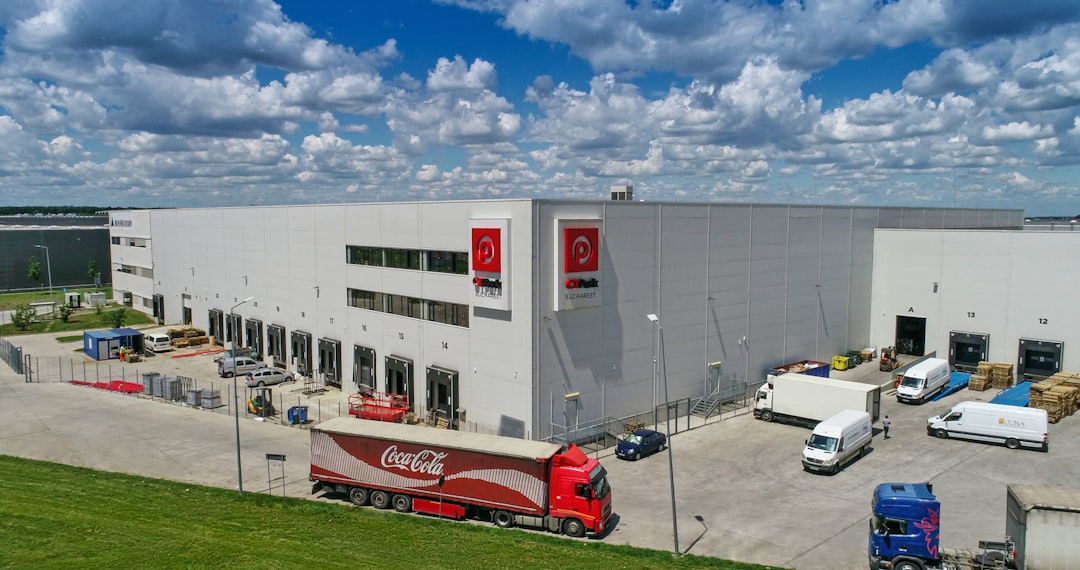
The Centre for High North Data (CHND) represents a significant initiative operating within the domain of Arctic logistics. Its primary function revolves around the collection, management, and dissemination of data relevant to the High North, a region characterized by its unique environmental, economic, and geopolitical complexities. This centre endeavors to provide a centralized and accessible platform for a broad range of stakeholders, from researchers and policymakers to industry operators and governmental bodies, enabling more informed decision-making and operational planning in the Arctic. The development and operation of such a centre are intrinsically linked to the evolving logistical challenges and opportunities present in this rapidly changing environment.
The High North, encompassing the Arctic Circle and its surrounding areas, has transitioned from a largely remote and underutilized frontier to a region of increasing global significance. This shift is driven by a confluence of factors, including climate change, which has led to diminished sea ice cover, opening up new shipping routes and access to previously inaccessible natural resources. The strategic implications of these changes are multifaceted, impacting international trade, resource security, environmental preservation, and geopolitical dynamics. Understanding these forces is crucial for appreciating the rationale behind initiatives like the CHND.
Climate Change as a Catalyst for Arctic Dynamics
The acceleration of Arctic warming, occurring at a rate several times faster than the global average, is the most prominent driver of change. This warming trend directly influences the cryosphere, leading to the melting of glaciers, ice sheets, and permafrost. The reduction in sea ice extent and thickness, particularly during summer months, has opened up the Arctic Ocean to increased maritime activity.
The Opening of the Northern Sea Route and the Northwest Passage
Historically, these passages were largely impassable for extended periods due to their icebound nature. However, progressive ice melt has made them navigable for longer durations, presenting potential alternatives to established global shipping lanes such as the Suez and Panama Canals. This offers the prospect of reduced transit times and costs for certain routes.
Resource Exploration and Extraction
Beneath the Arctic seabed lie vast, largely untapped reserves of oil, natural gas, and minerals. The receding ice cover is making these resources more accessible, attracting significant interest from national governments and multinational corporations. This has direct implications for logistics, requiring specialized infrastructure and transport solutions.
Geopolitical Considerations and Sovereignty
The increased accessibility and economic potential of the Arctic have heightened geopolitical interest and competition among Arctic and non-Arctic states. Questions of sovereignty, maritime claims, and resource rights are becoming increasingly pertinent, necessitating robust data and informed policy development.
Arctic Council and International Cooperation
The Arctic Council, a high-level intergovernmental forum, plays a vital role in promoting cooperation, coordination, and interaction among Arctic states, indigenous peoples, and other inhabitants on common Arctic issues, particularly sustainable development and environmental protection. Data sharing and collaborative research are crucial for effective governance.
National Interests and Polar Strategies
Many nations have developed specific “polar strategies” outlining their engagement in the Arctic, including their economic, environmental, and security interests. These strategies often rely on comprehensive data regarding the region’s physical characteristics, environmental conditions, and logistical capabilities.
The Centre for High North Logistics has been instrumental in enhancing the understanding of logistics in Arctic regions, and a related article that delves deeper into this topic can be found at this link: Exploring Arctic Logistics: Challenges and Opportunities. This article provides valuable insights into the unique logistical challenges faced in the High North, as well as potential strategies for overcoming them, making it a crucial read for anyone interested in the field.
The Centre for High North Data: Mission and Objectives
The establishment of the Centre for High North Data stems from the recognized need for a structured and authoritative source of information to support activities in the High North. Its mission is to bridge existing information gaps and foster a more collaborative approach to data management within the Arctic context. The centre’s objectives are designed to address the multifaceted challenges of operating in this demanding environment.
Centralized Data Repository and Accessibility
A core objective of the CHND is to create a consolidated platform for diverse datasets pertaining to the Arctic. This includes historical and real-time information on environmental conditions, maritime traffic, geological surveys, research findings, and infrastructure. The goal is to move away from fragmented data silos towards a more integrated and readily accessible information ecosystem.
Data Harmonization and Standardization
A significant challenge in any data-intensive field is ensuring that disparate datasets can be integrated and compared effectively. The CHND aims to promote the adoption of data standards and harmonization protocols to facilitate interoperability and enhance the reliability of any consolidated information.
User-Focused Data Dissemination
The centre is designed to serve a variety of user groups. Consequently, a key objective is to ensure that data is disseminated in formats that are appropriate and accessible to different stakeholders. This may involve developing specialized interfaces, analytical tools, and reporting mechanisms.
Supporting Research and Innovation
The availability of comprehensive and reliable data is fundamental to advancing scientific understanding and fostering innovation in the Arctic. The CHND aims to be a catalyst for research by providing researchers with the necessary data resources to explore new hypotheses and develop novel solutions.
Facilitating Interdisciplinary Research
Arctic challenges are inherently interdisciplinary, requiring collaboration between oceanographers, climatologists, geologists, sociologists, economists, and engineers, among others. The CHND’s data repository can serve as a common ground for researchers from different fields to collaborate and share insights.
Enabling Predictive Modeling and Scenario Planning
Accurate data is essential for developing and validating predictive models. This includes models for weather forecasting, sea ice drift, environmental impact assessments, and risk analysis. By providing robust data, the CHND supports the development of more sophisticated tools for scenario planning and operational forecasting.
Core Functions and Data Domains of the CHND
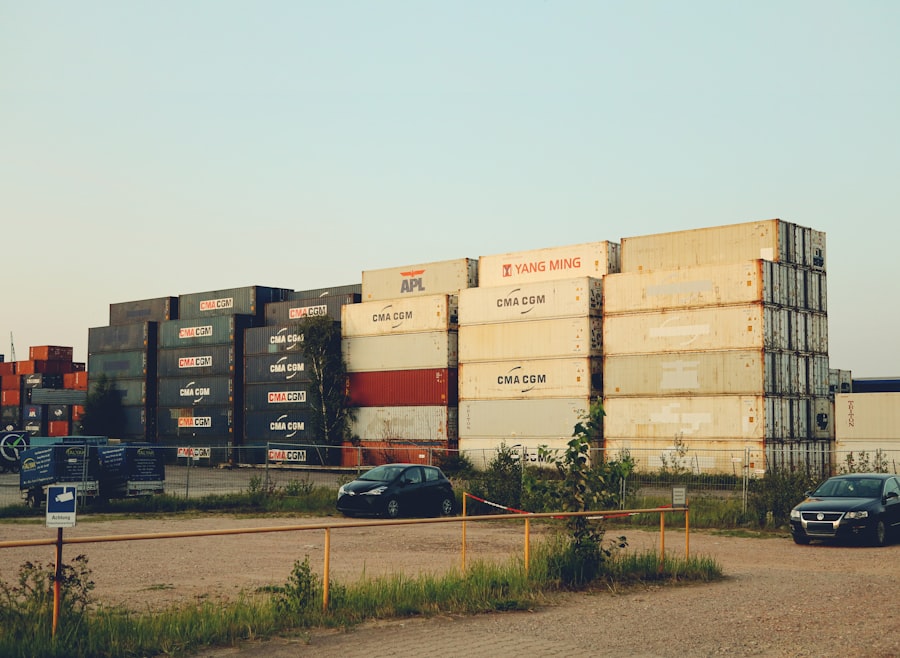
The CHND’s operational scope encompasses a wide array of data domains, reflecting the complex nature of the High North. The centre’s functions are structured to manage, process, and deliver this information effectively to its intended users, thereby enhancing understanding and supporting operational effectiveness.
Environmental Data Management
Environmental data forms a critical pillar of the CHND’s remit. This includes a broad spectrum of information related to the physical and biological aspects of the Arctic environment, crucial for understanding its dynamics and impacts of human activities.
Meteorological and Climatological Data
This encompasses historical and real-time data on temperature, precipitation, wind speed and direction, atmospheric pressure, and humidity. It also includes longer-term climate trends, sea surface temperature, and greenhouse gas concentrations, vital for understanding climate change impacts on the region.
Oceanographic and Hydrographic Data
Data on ocean currents, salinity, sea ice extent and thickness, wave heights, tidal patterns, and bathymetry are essential for maritime navigation, resource exploration, and understanding oceanographic processes. Historical data provides context for current conditions.
Glaciological and Permafrost Data
Information on glacier mass balance, ice sheet volume, and the state of permafrost (temperature, active layer thickness) is critical for understanding sea-level rise projections, infrastructure stability, and potential environmental hazards.
Biodiversity and Ecosystem Data
This includes data on marine and terrestrial species distribution, population dynamics, migration patterns, and habitat conditions. Understanding Arctic biodiversity is crucial for conservation efforts and assessing the impact of environmental change and industrial activities.
Maritime and Navigation Data
As maritime traffic in the Arctic increases, detailed and accurate navigation data becomes paramount. The CHND actively manages and disseminates information that underpins safe and efficient maritime operations.
Ice Navigation Information
This is a particularly critical domain, comprising real-time ice charts, forecasts of ice conditions, and historical ice data. This information is indispensable for vessels operating in ice-prone waters, enabling them to plan routes and avoid hazards.
Maritime Traffic Data
Information on vessel movements, traffic density, and shipping routes is collected to understand maritime patterns, optimize traffic management, and assess potential environmental risks associated with shipping.
Nautical Charts and Hydrographic Surveys
Up-to-date and accurate nautical charts, derived from comprehensive hydrographic surveys, are fundamental for safe navigation. The CHND may integrate or provide access to such critical navigational resources.
Infrastructure and Resource Data
The development of infrastructure and the exploration of natural resources in the Arctic necessitate a robust understanding of existing facilities and geological potential. The CHND plays a role in consolidating relevant information.
Port and Terminal Information
Data on port facilities, including depth, available services, capacity, and operational constraints, is vital for maritime logistics and supply chain planning.
Transportation Networks
Information on existing and planned road, rail, and intermodal transport infrastructure within and connecting to the Arctic region helps to assess logistical capabilities and identify potential bottlenecks.
Geological and Resource Exploration Data
While often proprietary, the CHND may facilitate access to aggregated or anonymized data related to geological surveys and the known or potential distribution of mineral, oil, and gas resources. This also extends to data relevant to renewable energy resources.
Technological Infrastructure and Data Handling Processes
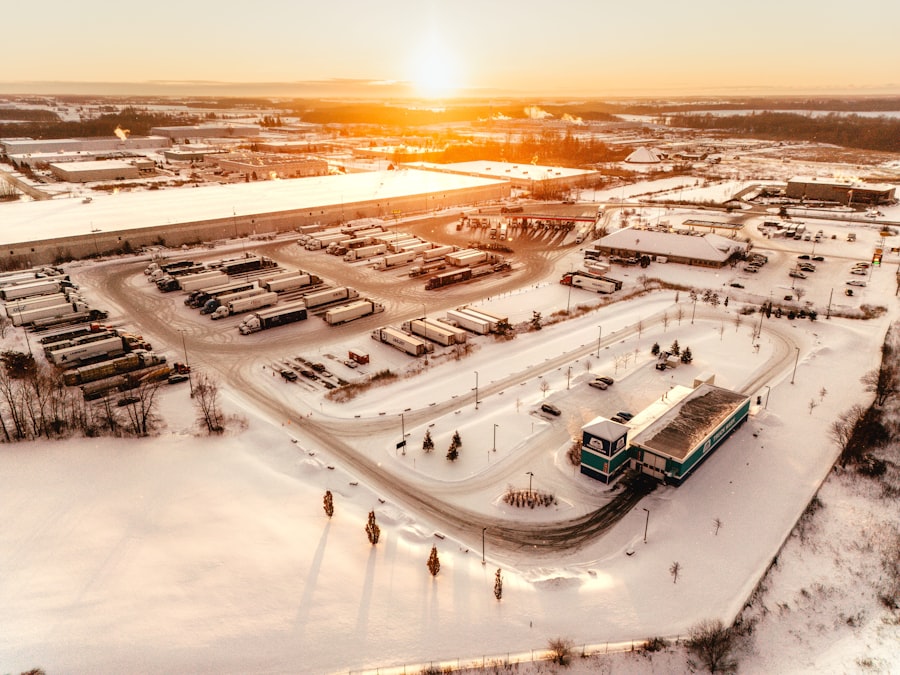
The effective operation of the CHND relies on robust technological infrastructure and well-defined data handling processes. These elements are crucial for ensuring data integrity, security, and timely accessibility, catering to the specific demands of the Arctic environment.
Data Acquisition and Ingestion Systems
The centre employs sophisticated systems for acquiring data from a multitude of sources. This involves establishing protocols for data exchange with research institutions, governmental agencies, satellite operators, and potentially industry partners.
Real-time Data Streams
A significant portion of the data relevant to the Arctic, particularly environmental data, is dynamic and requires real-time or near-real-time acquisition. This necessitates the development of robust data pipelines capable of handling continuous data flows.
Batch Data Processing
While real-time streams are crucial, many datasets are collected in batches. The CHND’s systems are designed to efficiently ingest and process these larger datasets, often incorporating quality control and validation procedures.
Data Storage and Archival Solutions
The CHND utilizes secure and scalable data storage solutions to house the extensive datasets it manages. Long-term archival is also a critical component, ensuring that historical data remains accessible for future research and analysis.
Cloud-Based Infrastructures
Leveraging cloud computing offers flexibility, scalability, and cost-effectiveness for data storage and processing. The CHND likely employs cloud solutions optimized for handling large volumes of scientific and operational data.
Data Redundancy and Disaster Recovery
Given the importance of the data, redundancy and robust disaster recovery mechanisms are essential to prevent data loss in the event of system failures or unforeseen circumstances.
Data Analysis and Visualization Tools
Beyond simply storing data, the CHND provides access to tools that enable users to analyze and visualize the information. This empowers stakeholders to derive meaningful insights and support their decision-making processes.
Geographic Information Systems (GIS)
GIS platforms are indispensable for spatial analysis and visualization of Arctic data. The CHND integrates and supports GIS tools for mapping, spatial modeling, and the creation of thematic maps.
Data Analytics Platforms
The centre may offer access to advanced data analytics platforms that allow users to perform statistical analysis, identify trends, and develop predictive models. This can include machine learning capabilities.
Interactive Dashboards and Portals
User-friendly dashboards and data portals are developed to present key information in an accessible format. These interfaces allow users to explore data, generate reports, and monitor specific parameters of interest.
The Centre for High North Logistics has been making significant strides in enhancing the efficiency of Arctic shipping routes, which is crucial for the region’s economic development. For those interested in exploring further insights into this topic, a related article can be found at MyGeoQuest, where you can discover more about the impact of logistics on Arctic exploration and trade. This resource provides valuable information that complements the data from the Centre, highlighting the importance of innovative logistics solutions in one of the world’s most challenging environments.
Challenges and Future Directions for the CHND
| Metrics | Data |
|---|---|
| Number of shipments | 150 |
| Transportation cost | 500,000 |
| Storage capacity | 10,000 square meters |
| Number of employees | 50 |
Despite its ambitious mission, the Centre for High North Data faces inherent challenges stemming from the unique characteristics of the Arctic and the inherent complexities of data management. Addressing these challenges will be critical for its long-term success and continued relevance.
Data Gaps and Quality Assurance
One of the persistent challenges in Arctic research and operations is the existence of significant data gaps, particularly in remote or historically under-surveyed areas. Ensuring the quality, accuracy, and completeness of incoming data is a continuous effort.
Limited Ground-Based Observations
Despite advancements in remote sensing, ground-based observations remain vital for validating satellite data and capturing localized phenomena. The sparse population and harsh environment of the Arctic limit the deployment and maintenance of such observation networks.
Data Ownership and Sharing Agreements
Data collected by various entities, including national agencies, research institutions, and private companies, may be subject to different ownership policies and sharing agreements. Negotiating these agreements to facilitate data sharing for the CHND’s purposes can be complex.
Technological and Logistical Hurdles
Operating in the Arctic presents significant technological and logistical challenges that can impact data collection, transmission, and system maintenance.
Connectivity and Bandwidth Limitations
Remote Arctic locations often suffer from limited and unreliable internet connectivity. This can hinder real-time data transmission and necessitate efficient data compression and asynchronous data transfer methods.
Harsh Environmental Conditions
The extreme cold, ice, and remoteness of the Arctic pose significant challenges for the deployment and maintenance of sensor networks, data acquisition hardware, and communication infrastructure.
Evolving Data Needs and Emerging Technologies
The Centre for High North Data must remain adaptable to the evolving needs of its stakeholders and the emergence of new data collection and analysis technologies.
The Role of Artificial Intelligence and Machine Learning
The integration of AI and ML offers significant potential for automating data analysis, identifying complex patterns, and improving the accuracy of predictions. The CHND will likely explore how to leverage these technologies in its operations.
Enhanced Remote Sensing Capabilities
Advancements in satellite technology, drones, and other remote sensing platforms are continually improving the resolution and coverage of Arctic data. The CHND needs to be equipped to process and integrate these new data streams.
Citizen Science and Crowdsourcing
Incorporating data from citizen science initiatives and crowdsourced observations could help fill some of the data gaps, particularly in areas accessible to the public. Establishing protocols for quality control and data validation for such sources will be crucial.
In conclusion, the Centre for High North Data plays a vital role in navigating the complexities of the Arctic. By centralizing, managing, and disseminating critical data, it aims to empower informed decision-making, foster research, and support sustainable development in this increasingly important region. The ongoing evolution of the Arctic environment and the rapid advancements in technology present both challenges and opportunities that will shape the future direction and operational scope of the CHND.
FAQs
What is the Centre for High North Logistics data?
The Centre for High North Logistics data is a research center that focuses on collecting and analyzing data related to logistics and transportation in the High North region.
What type of data does the Centre for High North Logistics data collect?
The Centre for High North Logistics data collects data related to transportation, logistics, and supply chain management in the High North region. This includes information on shipping routes, infrastructure, environmental impact, and economic trends.
Who can access the data collected by the Centre for High North Logistics data?
The data collected by the Centre for High North Logistics data is typically available to researchers, policymakers, and industry professionals who are interested in studying or improving logistics and transportation in the High North region.
How is the data collected and analyzed by the Centre for High North Logistics data?
The Centre for High North Logistics data uses a variety of methods to collect data, including satellite imagery, on-site observations, and collaboration with industry partners. The data is then analyzed using statistical and geographical information systems (GIS) techniques.
What are the potential benefits of the data collected by the Centre for High North Logistics data?
The data collected by the Centre for High North Logistics data can be used to improve transportation and logistics infrastructure, minimize environmental impact, and support economic development in the High North region. It can also inform policy decisions and help identify opportunities for collaboration and innovation.