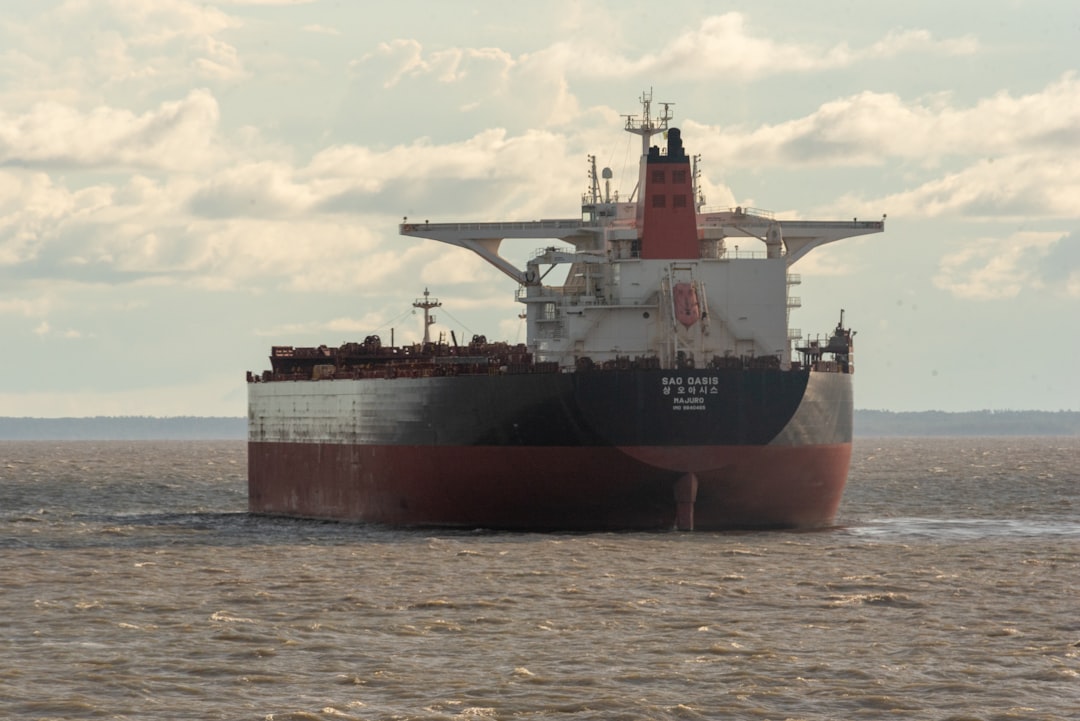
The operational demands placed upon Arc7 ice-class tankers are exceptionally rigorous, requiring a sophisticated engineering approach to ensure structural integrity in some of the world’s most challenging maritime environments. Central to this resilience is the meticulous design and implementation of hull thickness specifications. This article delves into the critical role of hull thickness in the safety framework of Arc7 vessels, exploring the technical considerations, regulatory drivers, and ongoing advancements that define their robust construction.
The Arctic region, with its ubiquitous ice formations, poses unique threats to marine structures. Unlike open-water routes, Arctic navigation necessitates vessels capable of not only withstanding extreme low temperatures but also encountering and resisting the immense forces exerted by moving ice. Arc7, as designated by the International Association of Classification Societies (IACS) Unified Requirement (UR) IACS UR I MTC 13 Rev.4, represents a high ice class, mandating specific capabilities for vessels operating in severe ice conditions. The hull, as the primary barrier between the cargo and the harsh external environment, is therefore a focal point of design and construction, with its thickness being a fundamental determinant of safety.
Forces at Play: Understanding Ice Loads on Arc7 Hulls
The design of an Arc7 ice-class tanker’s hull thickness is a direct response to the dynamic and complex forces it encounters in Arctic waters. These forces originate from various ice phenomena, each requiring specific consideration in structural analysis and material selection.
Direct Ice Impact Loads
The most apparent and significant loads are those arising from direct contact with ice. Arc7 vessels are designed to navigate through level ice and, in some cases, encounter consolidated ice ridges. The magnitude of these impact loads depends on a multitude of factors, including the speed of the vessel, the thickness and strength of the ice, the encounter angle, and the specific ice features such as pressure ridges and brash ice piles.
Dynamic Impact Analysis
Engineers utilize advanced computational fluid dynamics (CFD) and finite element analysis (FEA) to model these dynamic impact scenarios. These simulations allow for the estimation of peak impact pressures and associated forces that the hull plating will experience during collisions with ice. The resulting stresses are then used to determine the minimum required thickness of the hull plating to prevent yielding or fracture. The hull must be designed to absorb and dissipate the kinetic energy of the impact without compromising its structural integrity.
Ice Strength Variability
The strength of ice is not a uniform property. It varies significantly based on temperature, salinity, crystal structure, and the presence of inclusions or cracks. Understanding this variability is crucial for establishing conservative design parameters. Designers must account for the potential for encountering ice that is stronger than average, especially under conditions of extreme cold. This necessitates a thorough consideration of the worst-case scenarios in terms of ice strength.
Ramming and Ice Resistance Loads
Beyond direct impacts, Arc7 vessels experience continuous forces as they move through ice. This phenomenon, often referred to as ramming or ice resistance, involves the hull pushing against and breaking thinner ice or navigating through broken ice fields. The constant frictional and compressive forces exerted by the ice against the hull contribute to the overall structural load.
Continuous Ice Interaction
The design of hull thickness in areas subject to continuous ice interaction, such as the bow and the sides of the hull, is informed by calculations of the maximum expected ice pressure over extended periods of operation. This is distinct from short-duration impact loads, as it reflects the cumulative stress on the hull structure.
Speed-Ice Relationship
The speed at which an Arc7 vessel can safely navigate through different ice conditions is a critical operational parameter. This speed is directly influenced by the ice resistance, which in turn dictates the forces the hull must withstand. Higher speeds naturally translate to higher impact forces and greater continuous resistance, thus influencing the required hull thickness.
Hull Vibration and Fatigue
The continuous flexing and pounding against ice can induce significant vibrations within the hull structure. Over time, these vibrations can lead to fatigue damage, a cumulative weakening of the material due to repeated cyclic stresses. Therefore, hull thickness also plays a role in mitigating these vibrational effects and ensuring long-term structural integrity.
Stress Concentration Factors
The geometry of the hull, including plating thickness, stiffeners, and welded joints, can create stress concentration points where fatigue damage is more likely to initiate. Thicker plating, in conjunction with appropriate stiffening, can help to distribute these stresses more effectively, reducing the likelihood and severity of fatigue crack propagation.
Design for Fatigue Life
Classification societies and regulatory bodies often specify requirements for the fatigue life of critical structural components. The hull thickness is a primary parameter in achieving the required fatigue resistance, ensuring that the vessel remains safe throughout its operational lifespan.
The Arc7 ice-class tanker hull thickness is a critical factor in ensuring the vessel’s ability to navigate through harsh Arctic conditions. For a deeper understanding of the engineering challenges and advancements in ice-class vessels, you can refer to a related article that discusses the specifications and performance of these tankers. For more information, visit this article which explores the intricacies of hull design and its importance in ice navigation.
Regulatory Framework: The Foundation of Arc7 Hull Specifications
The stringent requirements for ice-class vessels are not merely design preferences but are codified within international regulations and classification society rules. These frameworks provide the essential guidelines that govern the calculation and verification of hull thickness for Arc7 tankers.
Classification Society Rules
The primary authority for defining ice-class requirements, including hull thickness, rests with international classification societies such as DNV, Lloyd’s Register, ABS, and Bureau Veritas. These societies develop detailed rules and standards that ships must adhere to to obtain classification and be certified for operation in specific ice classes. Arc7 is an indication of compliance with these rigorous standards.
Unified Requirements (URs)
IACS plays a pivotal role in harmonizing classification society rules through its Unified Requirements. For ice-class vessels, IACS UR I MTC (Ice strengthened Ships) is highly relevant. While specific to each class, the principles often involve detailed calculations of ice loads and their impact on hull scantlings. The thickness of hull plating, stiffeners, and framing is determined based on these calculations and the assigned ice class.
Hull Scantling Calculations
Classification society rules provide specific formulas and methodologies for calculating the required scantlings (dimensions) of hull structural members, including plating thickness. These calculations typically involve considering the hydrostatic pressures, cargo loads, and the specific ice loads pertaining to Arc7 operations. The resulting values represent minimum acceptable dimensions to ensure structural safety under design conditions.
International Maritime Conventions and Codes
Beyond classification society rules, international conventions and codes set overarching safety standards for maritime shipping, which indirectly influence the design of ice-class tankers, including their hull thickness.
SOLAS Convention
The Safety of Life at Sea (SOLAS) convention, while not directly dictating ice-class hull thickness, sets fundamental requirements for ship construction and equipment to ensure the safety of life at sea. The structural integrity of the hull, a core tenet of SOLAS, is a prerequisite for safe operation in any environment, including the Arctic. Compliance with classification society rules, which include detailed hull thickness requirements for ice classes, is essential for meeting SOLAS standards.
Polar Code
The International Code for the Construction and Equipment of Ships Operating in Polar Waters (Polar Code) directly addresses the unique safety and environmental challenges of operating in polar regions. While it does not assign specific ice classes like Arc7, it sets performance standards for stability, structural integrity, and operational capabilities that indirectly lead to the adoption of high ice classes such as Arc7, with their inherent requirements for robust hull construction.
Material Science and Construction: Ensuring Hull Integrity
The selection of appropriate materials and advanced construction techniques are as crucial as the calculated thickness in ensuring the safety and performance of Arc7 ice-class tanker hulls. The extreme cold and high stress environments demand more than just standard shipbuilding practices.
High-Strength Low-Alloy (HSLA) Steels
The primary material for the hull plating and structural framing of Arc7 tankers is typically high-strength low-alloy (HSLA) steel. These steels offer a superior combination of strength, toughness at low temperatures, and weldability, making them ideal for Arctic service.
Low-Temperature Toughness
A critical property of steel used in ice-class vessels is its resistance to brittle fracture at low temperatures. HSLA steels are specifically alloyed and heat-treated to achieve excellent impact toughness even at sub-zero ambient temperatures. This prevents catastrophic failure when the hull is subjected to ice impacts in frigid Arctic waters.
Yield Strength and Ultimate Tensile Strength
The high yield strength and ultimate tensile strength of HSLA steels allow for thinner plating to achieve the required structural load-bearing capacity. This can translate to weight savings, which is beneficial for vessel performance. However, the thickness is still dictated by the ice loads and the need to absorb impact energy.
Welding and Fabrication Procedures
The integrity of the hull is heavily dependent on the quality of its welded joints. For Arc7 tankers, specialized welding procedures are employed to ensure that the welds are as strong and tough as the parent material, particularly at low temperatures.
Preheating and Post-Weld Heat Treatment
To prevent hydrogen-induced cracking and ensure ductility in the weld zone, preheating of the steel before welding and controlled cooling or post-weld heat treatment may be required. These procedures are critical for maintaining the low-temperature toughness of the entire hull structure.
Weld Material Selection
The selection of appropriate welding consumables (electrodes or wires) is paramount. These materials are chosen to match the mechanical properties, particularly the impact toughness at low temperatures, of the base HSLA steels.
Stiffening and Framing Systems
Hull thickness is not the sole determinant of structural strength. The accompanying stiffening and framing systems play a vital role in supporting the plating and distributing loads.
Transverse and Longitudinal Framing
Arc7 tankers typically employ robust framing systems, which can include a combination of transverse and longitudinal stiffeners. These elements provide rigidity to the hull plating, prevent buckling under compressive loads, and help to absorb and transfer impact energy. The spacing and size of these stiffeners are meticulously calculated to work in conjunction with the hull plating thickness.
Increased Stiffener Size and Spacing
In areas subjected to high ice loads, such as the bow and the forward sections of the hull, stiffeners may be oversized and spaced more closely together than in conventional vessels. This enhanced framing contributes significantly to the overall strength and resilience of the hull against ice.
Design Considerations: Beyond Simple Thickness
The determination of Arc7 hull thickness is a sophisticated engineering process that extends beyond a simple calculation of load-carrying capacity. It involves a holistic approach that considers a multitude of factors to ensure comprehensive safety.
Ice Class Notation Specifics
The precise specifications for hull thickness are directly linked to the specific ice class notation assigned to the vessel. Arc7 is a particular designation, and the rules associated with it are very specific. Different ice classes (e.g., Arc4, Arc5, Arc6) have progressively higher requirements, and thus thicker hulls, reflecting their intended operational areas and severity of ice conditions.
Incremental Thickness Requirements
As one moves from lower ice classes to higher ones like Arc7, there is a general trend towards increased hull plating thickness, particularly in critical areas subject to direct ice contact. This is a direct consequence of the more severe ice regime the vessel is designed to operate in.
Reinforcements in High-Stress Areas
Beyond uniform increases in thickness, specific areas of the hull are likely to experience higher stress concentrations and more frequent ice contact. These include the bow, the stem, the fore and aft sections of the hull, and the side shell in the waterline area. These regions often feature additional plating thickness or doubled plating to provide enhanced protection.
Load Case Scenarios and Design Margins
The design of hull thickness is predicated on analyzing a comprehensive set of load case scenarios, incorporating appropriate safety margins.
Ultimate versus Serviceability Limit States
Design calculations consider both ultimate limit states (e.g., collapse or fracture) and serviceability limit states (e.g., excessive deformation or vibration). Hull thickness is determined to ensure that the structure remains safe and performs adequately under all anticipated operational conditions, with significant margins of safety above the calculated design loads.
Fatigue Life Considerations
As discussed earlier, fatigue is a critical consideration, especially in repetitive ice-prone operations. The hull thickness, in conjunction with stiffening and material properties, contributes to achieving the design fatigue life, ensuring that the vessel can endure prolonged service without developing critical fatigue cracks.
Global vs. Local Hull Strength
Hull thickness contributes to both the global strength of the vessel (its ability to withstand overall bending and shear forces) and its local strength (its resistance to direct impact and pressure).
Global Hull Girder Strength
While ice loads are a primary driver for increasing hull thickness in certain areas, the overall hull girder strength, influenced by hydrostatic and cargo loads, also plays a role. Standard structural design principles for tankers are integrated with the specific requirements for ice class.
Local Panel Strength and Buckling Resistance
The plating itself forms panels between stiffeners. The thickness of this plating is crucial in resisting local deformation and buckling under concentrated ice pressures. Thicker plating provides greater resistance to these localized structural instabilities.
The design and construction of Arc7 ice-class tankers are crucial for ensuring safe navigation in polar waters, particularly regarding hull thickness. A related article discusses the engineering challenges and innovations in ice-class vessel design, highlighting how hull thickness plays a vital role in enhancing structural integrity and performance in extreme conditions. For more insights on this topic, you can read the full article here.
Monitoring and Maintenance: Ensuring Long-Term Hull Integrity
The initial design and construction of an Arc7 ice-class tanker’s hull thickness are only the first steps in ensuring its continued safety. Robust in-service monitoring and maintenance programs are essential to uphold structural integrity throughout the vessel’s operational life.
Regular Hull Surveys and Inspections
Classification societies mandate regular surveys and inspections of the hull structure. These inspections are crucial for identifying any signs of damage, corrosion, or deformation that could compromise the hull’s thickness and integrity.
Thickness Measurements
During surveys, ultrasonic thickness measurements are taken at various locations on the hull, particularly in areas prone to wear or corrosion. These measurements allow for the quantification of any material loss and the assessment of remaining plating thickness.
Visual Inspections and Non-Destructive Testing (NDT)
Visual inspections help to identify visible damage such as cracks, dents, or buckling. Non-destructive testing methods, such as magnetic particle testing (MPT) or dye penetrant testing (DPT), are also employed to detect surface or near-surface flaws that might not be visible to the naked eye.
Repair and Refurbishment Strategies
In the event that hull thickness falls below acceptable limits, or if damage is detected, planned repair and refurbishment strategies are implemented.
Welding Repairs
Minor damage or wear can often be repaired by welding to restore the required plating thickness or to reinforce weakened areas. These repairs must be carried out in accordance with classification society rules, using appropriate materials and welding procedures.
Plate Replacement
In cases of significant corrosion or structural damage, sections of the hull plating may need to be replaced entirely. This is a major undertaking that requires precise cutting, fitting, and welding to ensure a seamless reintegration with the existing hull structure.
Operational Practices and Ice Management
Safe operational practices contribute significantly to preserving the hull’s integrity and, by extension, its effective thickness over time.
Navigational Guidance and Ice Forecasting
Adherence to accurate ice forecasting and navigational guidance is crucial. Operating within the vessel’s specified ice class capabilities and avoiding areas of unexpectedly severe ice can minimize unnecessary stress and potential damage to the hull.
Speed Management in Ice
Maintaining appropriate speeds when transiting ice is paramount. Excessive speed can lead to severe impacts and increased hull loading, accelerating wear and increasing the risk of damage. This directly relates to the design purpose of the specific hull thickness.
In conclusion, the hull thickness of Arc7 ice-class tankers is a critical and multifaceted aspect of their safe design and operation. It is a product of rigorous regulatory frameworks, advanced material science, sophisticated engineering analysis, and a commitment to continuous monitoring and maintenance. The robust structure, exemplified by its carefully specified hull thickness, allows these vessels to safely navigate some of the most challenging maritime environments on Earth, fulfilling their vital role in Arctic resource transportation.
FAQs
What is an Arc7 ice-class tanker?
An Arc7 ice-class tanker is a type of tanker specifically designed to navigate through Arctic ice-covered waters. It is built to withstand the harsh conditions of the Arctic and has a higher ice-class rating compared to traditional tankers.
What is the significance of hull thickness in an Arc7 ice-class tanker?
The hull thickness of an Arc7 ice-class tanker is crucial for its ability to navigate through ice-covered waters. A thicker hull provides greater strength and protection against potential impacts with ice, reducing the risk of damage to the vessel.
How thick is the hull of an Arc7 ice-class tanker?
The hull thickness of an Arc7 ice-class tanker can vary, but it is typically designed to be significantly thicker than that of standard tankers. It can range from several millimeters to over a centimeter in thickness, depending on the specific design and requirements of the tanker.
What materials are used in the construction of the hull for an Arc7 ice-class tanker?
The hull of an Arc7 ice-class tanker is typically constructed using high-strength steel or other advanced materials that are capable of withstanding the extreme forces and impacts associated with navigating through ice-covered waters.
How does the hull thickness of an Arc7 ice-class tanker impact its operational capabilities?
The hull thickness of an Arc7 ice-class tanker directly affects its ability to safely navigate through ice-covered waters. A thicker hull provides greater protection against potential damage from ice impacts, allowing the tanker to operate more effectively and safely in Arctic conditions.