Unarmored Glass Threads: Seabed Innovations
The exploration and utilization of the Earth’s oceans continue to present significant engineering challenges. Vast depths, extreme pressures, and corrosive environments demand materials and technologies capable of withstanding these harsh conditions with reliability and longevity. Traditional approaches often rely on heavy, armored conduits or complex, multi-layered structures to protect sensitive seafloor infrastructure, such as telecommunications cables, power transmission lines, and sensor arrays. However, a growing area of research and development is exploring the potential of unarmored glass threads as an alternative or complementary solution for various seabed applications. This innovative approach leverages the inherent properties of glass to offer distinct advantages in specific scenarios, moving beyond conventional protection paradigms.
Glass, while often perceived as brittle, possesses a unique combination of physical and chemical characteristics that make it a compelling candidate for deployment in the marine environment. Its inertness, optical transparency, and inherent strength, when properly engineered, offer a distinct set of advantages for unarmored applications.
Chemical Inertness and Corrosion Resistance
One of the most significant challenges for seafloor infrastructure is the pervasive issue of corrosion. Seawater, with its high salt content and dissolved minerals, acts as an electrolyte, accelerating the degradation of most metals.
Resistance to Halide Ions
The chemical composition of glass, typically silica-based, makes it highly resistant to attack by halide ions, which are abundant in seawater. Unlike metals that can undergo electrochemical reactions, glass forms a stable, non-reactive surface.
Long-term Stability in Saline Environments
This inertness translates to exceptional long-term stability. While some specialized glasses might show minimal surface etching over geological timescales under extreme conditions, for most practical seafloor applications, the chemical degradation rate is negligible. This contrasts sharply with metallic sheaths which, even with protective coatings, are susceptible to eventual breakdown and compromise.
Biofouling Inhibition
While not a direct chemical property of the glass itself, the smooth, non-porous surface offered by polished glass fibers can present a less hospitable substrate for marine organisms compared to rougher or textured materials. This can contribute to reduced biofouling, which can otherwise impede heat dissipation in power cables or interfere with sensor readings.
Optical Transparency and Signal Transmission
The inherent optical transparency of glass is a fundamental property that opens up unique possibilities for data transmission and sensing. While not directly related to structural integrity, this property enables novel applications that bypass the need for electrical conductors, reducing complexity and potential failure points.
Fiber Optic Communication
The most well-established application leveraging glass’s optical properties is fiber optic communication. These incredibly thin strands of pure glass are capable of transmitting vast amounts of data at the speed of light with minimal signal loss over long distances.
High Bandwidth and Low Attenuation
Fiber optic cables, often consisting of thousands of individual glass fibers, are crucial for subsea telecommunications. Their ability to carry enormous bandwidths with exceptionally low attenuation makes them indispensable for global connectivity.
Underwater Sensing and Imaging
Beyond communication, the optical transparency of glass can be utilized for novel underwater sensing and imaging systems.
In-situ Optical Measurement
Specialized optical fibers or glass-based sensors can be deployed directly on the seabed to perform in-situ measurements of parameters such as turbidity, dissolved oxygen, pH, and even fluorescence from biological organisms. The direct pathway for light avoids signal degradation through intervening water.
Imaging Through Water Columns
Research is also exploring the use of optical fibers to transmit images from the seabed to the surface or vice versa. This has the potential to provide high-resolution visual data without the need for bulky, powered cameras or complex signal processing within the submerged unit.
Mechanical Properties and Strength
Despite the common perception of fragility, glass fibers exhibit remarkable tensile strength, particularly when drawn into thin threads. This strength, when properly managed, can be a significant advantage in certain seabed scenarios.
High Tensile Strength of Drawn Fibers
When silica glass is drawn into very fine fibers, the surface defects that typically lead to brittle fracture in bulk glass are minimized. This results in a material with a very high tensile strength-to-weight ratio.
Comparison to Metallic Conductors
In applications where tensile strength is paramount, such as in towing or anchoring systems, glass fibers can offer comparable or even superior performance to certain metallic alternatives, with the added benefit of being lighter and more resistant to fatigue in corrosive environments.
Stiffness and Modulus
Glass possesses a relatively high Young’s modulus, meaning it is stiff and resists deformation under load. This property can be beneficial in applications where maintaining shape or preventing excessive deflection is important.
Structural Integrity in Low-Pressure Environments
In shallower waters or in applications where direct pressure is not the primary concern, the stiffness of glass threads can contribute to the overall structural integrity of deployed systems without the need for heavy reinforcement.
Recent research has highlighted the potential of unarmored glass threads on the seabed, showcasing their applications in marine technology and environmental monitoring. For more in-depth insights into this innovative approach and its implications for underwater exploration, you can read the related article at MyGeoQuest. This article delves into the benefits and challenges associated with the use of glass threads in marine environments, providing a comprehensive overview of current advancements in the field.
Applications of Unarmored Glass Threads on the Seabed
The unique properties of unarmored glass threads lend themselves to a diverse range of emerging seabed applications. These applications often focus on scenarios where the inherent advantages of glass can be leveraged to reduce complexity, improve performance, or enable new functionalities.
Subsea Fiber Optic Cables
While not strictly “unarmored” in the sense of having no protective outer sheath, the core of modern subsea fiber optic cables consists of numerous unarmored glass fibers. The innovations here lie in the materials and designs that optimize the protection of these delicate glass threads within a larger, more robust cable structure.
Data Transmission Infrastructure
The global internet and telecommunications networks rely heavily on subsea fiber optic cables. These cables are designed to withstand immense hydrostatic pressure, fishing trawler impacts, and the corrosive marine environment.
Core Protection and Armoring Strategies
The glass fibers themselves are typically coated with protective polymer layers. The overall cable then incorporates robust metallic armoring for mechanical protection, buffering materials to absorb impact, and a waterproof outer jacket. The innovation within the “unarmored glass thread” context is the ongoing refinement of materials and structural designs to minimize the reliance on overly heavy armoring while ensuring sufficient protection for the glass core.
Signal Integrity Over Extreme Distances
The development of repeater technology and optical amplification techniques has allowed these glass threads to transmit data across entire oceans with minimal signal degradation, forming the backbone of global communication.
Recent studies have highlighted the potential of unarmored glass threads on the seabed, which could revolutionize underwater communication and monitoring systems. These innovative materials offer a lightweight and durable solution for various applications in marine environments. For a deeper understanding of this topic, you can explore a related article that discusses the implications and advancements in marine technology. Check it out here to learn more about the exciting developments in this field.
Novel Sensing and Monitoring Systems
The optical and chemical properties of glass make it an ideal material for developing next-generation seafloor sensing and monitoring systems. These systems can operate autonomously and provide valuable data for environmental research, resource management, and infrastructure monitoring.
Distributed Acoustic Sensing (DAS)
Distributed Acoustic Sensing (DAS) utilizes standard fiber optic cables as arrays of sensors. By sending light pulses down the fiber and analyzing the backscattered Raman and Brillouin signals, minute changes in strain caused by acoustic waves can be detected along the entire length of the fiber.
Environmental Acoustic Monitoring
DAS can be used to monitor underwater noise pollution from shipping, seismic activity, and offshore construction. This provides a continuous and wide-area acoustic surveillance capability.
Infrastructure Health Monitoring
For subsea pipelines and cables, DAS can detect leaks by identifying characteristic acoustic signatures. It can also monitor for ground movement or structural integrity issues by detecting vibrations or strains.
Chemical and Biological Sensor Networks
Beyond acoustics, optical fibers can be adapted to house or integrate with chemical and biological sensors.
In-situ Water Quality Monitoring
Small, specialized optical probes integrated into the fiber optic cable can continuously measure parameters like dissolved oxygen, pH, salinity, and nutrient levels. These measurements are crucial for understanding marine ecosystems and identifying pollution events.
Bioluminescence and Plankton Detection
By leveraging the transparency of glass, systems can be designed to detect bioluminescent organisms or to spectroscopically analyze the light scattered by plankton populations, providing insights into plankton distribution and health.
Structural Components in Specific Seabed Deployments
While not a universal substitute for heavy-duty steel or concrete, unarmored glass threads can serve as valuable structural components in specific, less demanding seabed applications where their unique properties offer advantages.
Lightweight Tethers and Mooring Lines
In shallower waters, or in applications where extreme tensile loads are not anticipated, lightweight tethers made from advanced glass fiber composites can be utilized.
Reduced Weight for Deployment
The reduced weight compared to metallic alternatives simplifies deployment operations, requiring less powerful winching systems and reducing the overall payload.
Resistance to Marine Growth and Corrosion
Their inert nature provides excellent resistance to corrosion and marine growth, reducing maintenance requirements and extending service life compared to traditional ropes or chains.
Reinforcement in Composite Structures
Glass fibers can be incorporated as reinforcing elements within composite materials used for subsea structures.
Enhanced Strength-to-Weight Ratio
By embedding glass fibers in a polymer matrix, the resulting composite material possesses a superior strength-to-weight ratio compared to many traditional materials. This allows for the construction of lighter, yet still robust, subsea components.
Tailored Mechanical Properties
The orientation and density of the glass fibers can be precisely controlled during manufacturing, allowing for the tailoring of the composite’s mechanical properties to meet specific load requirements.
Specialized Electrical Conduits and Shielding
While fiber optics dominate data transmission, there are still scenarios where electrical power or signaling needs to be transmitted across the seabed. Innovations in glass coatings and composite designs are exploring its use in these areas.
Advanced Insulation and Dielectric Properties
Glass offers excellent electrical insulation properties. This can be leveraged in specialized electrical conduits designed for harsh environments.
High Dielectric Strength
The high dielectric strength of glass makes it resistant to electrical breakdown, even under high voltage stress. This is particularly relevant for subsea power transmission.
Protection Against Galvanic Corrosion
When used as a coating or a separate insulating layer, glass can prevent galvanic corrosion that can occur when dissimilar metals are in direct contact in an electrolyte.
EMI/RFI Shielding Applications
Electromagnetic interference (EMI) and radio-frequency interference (RFI) can disrupt sensitive electronic equipment on the seabed. While metallic shields are common, glass-based materials are being investigated for their potential in these areas.
Non-Conductive but Transparent to Certain Frequencies
While glass is generally an electrical insulator, engineered structures incorporating glass can potentially offer shielding against specific electromagnetic frequencies without the bulk and weight of traditional metal shielding. This is an area of ongoing research.
Underwater Power Transmission and Distribution
The development of offshore renewable energy sources, such as wind and tidal turbines, necessitates efficient and reliable subsea power transmission. While armored cables are standard, the core components are often glass-based.
High-Voltage Insulation for Subsea Cables
The insulation of high-voltage subsea cables is critical for preventing faults and ensuring efficient power delivery. High-purity glass materials exhibit excellent dielectric properties.
Material Selection for Voltage Ratings
The specific glass composition and manufacturing process are crucial for achieving the required voltage ratings and long-term stability in the high-pressure, low-temperature subsea environment.
Interconnects and Connectors
The connectors and interconnects for subsea power systems are also critical points of potential failure. While often metallic and robust, the insulating components within these connectors can leverage the properties of glass.
Subsea Connector Insulators
Glass-based ceramic insulators are employed in high-voltage subsea connectors to ensure electrical isolation between conductive components and the surrounding seawater. Their reliability is paramount for the integrity of the power grid.
Challenges and Future Directions
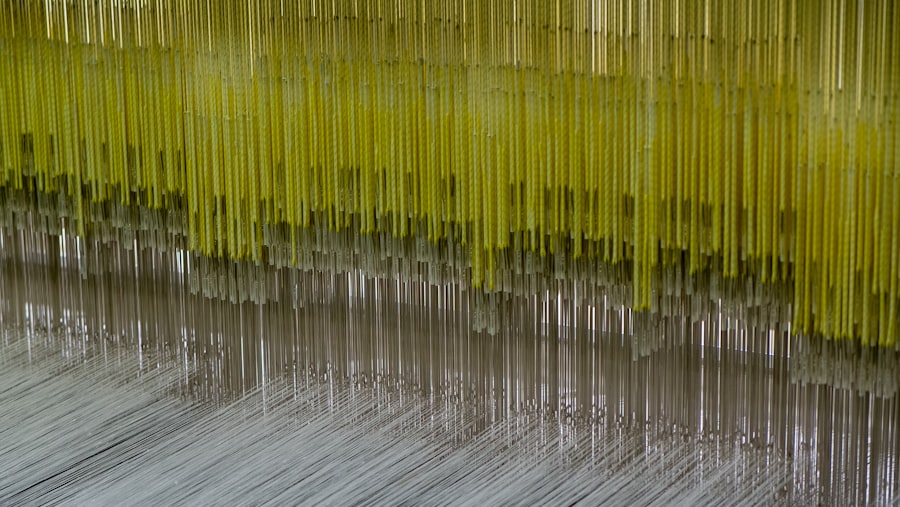
Despite the promising attributes of unarmored glass threads for seabed applications, several challenges remain, and ongoing research is focused on addressing these limitations and expanding their potential.
Mechanical Fragility and Impact Resistance
While glass fibers possess high tensile strength, their inherent susceptibility to fracture from sharp impacts or point loads remains a significant concern.
Crack Propagation and Defect Sensitivity
Even microscopic surface flaws can initiate crack propagation, leading to catastrophic failure. Protecting these delicate threads from direct impact is crucial.
Development of Impact-Resistant Coatings and Buffers
Research is focused on developing advanced polymer coatings and buffer materials that can absorb impact energy and prevent damage to the underlying glass threads. This includes exploring self-healing or energy-dissipating materials.
Risk of Abrasion and Scuffing
Abrasion against rough seabeds or during deployment and retrieval operations can also damage the surface of glass threads, compromising their integrity.
Surface Treatments and Composite Reinforcement
Novel surface treatments and the incorporation of glass threads within protective composite structures are being investigated to enhance their resistance to abrasion.
Manufacturing and Quality Control
The precise manufacturing of high-quality glass threads for critical subsea applications requires stringent quality control measures to ensure uniformity and minimize defects.
Precision Drawing and Purity Requirements
The drawing process must be meticulously controlled to achieve the desired fiber diameter, tensile strength, and minimal surface imperfections. The purity of the raw materials is also paramount.
Real-time Monitoring and Non-Destructive Testing
Developing robust real-time monitoring systems during the fiber drawing process, coupled with advanced non-destructive testing techniques, is essential for identifying and rejecting defective fibers.
Scalability and Cost-Effectiveness
Scaling up the production of specialized glass threads and integrating them into cost-effective subsea systems presents an ongoing challenge.
Optimizing Production Processes and Material Sourcing
Continuous improvement in manufacturing processes and the sourcing of raw materials are necessary to make these technologies more economically viable for widespread adoption.
Integration into Complex Systems
Effectively integrating unarmored glass threads into larger subsea systems, while ensuring their protection and optimal performance, requires sophisticated engineering.
Cable Design and Management
The design of subsea cables that incorporate glass fibers must consider the unique mechanical and environmental stresses they will encounter.
Advanced Fiber Management and Stress Distribution
Developing techniques to manage fiber stress distribution within the cable, preventing localized overloads, is critical. This involves understanding the interplay between different cable components.
Connector and Termination Technologies
Reliable and robust connectors and termination technologies for glass-based subsea systems are still an area of active development.
Ensuring Signal Integrity and Mechanical Stability
These connectors must not only maintain the integrity of the glass threads but also provide a reliable mechanical and environmental seal.
Environmental Impact and Decommissioning
While glass is an inert material, understanding the full lifecycle impact of these technologies, including their decommissioning and potential for microplastic generation, is important.
Material Degradation and Long-Term Fate
Research into the long-term degradation pathways of glass in the marine environment and the potential for fragmentation is ongoing to ensure responsible deployment.
Developing Sustainable Decommissioning Strategies
Exploring sustainable decommissioning strategies that minimize environmental impact, such as repurposing or responsible disposal of obsolete subsea glass-based components, will become increasingly important as these technologies mature.
In conclusion, unarmored glass threads represent a significant and evolving area of innovation for seabed applications. Their inherent properties of chemical inertness, optical transparency, and high tensile strength offer compelling advantages over traditional materials in specific contexts. While challenges related to mechanical fragility, manufacturing, and system integration persist, ongoing research and development are steadily overcoming these hurdles, paving the way for a broader and more sophisticated application of glass-based technologies on and within the Earth’s vast ocean floors. The future of subsea infrastructure may well be woven from these remarkable, unarmored threads.
FAQs

What are unarmored glass threads on the seabed?
Unarmored glass threads on the seabed are thin, delicate strands of glass that have settled on the ocean floor. These threads are typically formed from broken glass objects that have been weathered and eroded over time, eventually breaking down into smaller, thread-like pieces.
How do unarmored glass threads end up on the seabed?
Unarmored glass threads can end up on the seabed through a variety of means. They may be the result of discarded glass objects that have been broken and worn down by the natural forces of the ocean, or they may be the remnants of glass products that have been lost or dumped at sea.
What impact do unarmored glass threads have on the marine environment?
Unarmored glass threads can have a negative impact on the marine environment. They can pose a threat to marine life, as they may be mistaken for food by animals such as fish and sea turtles. Additionally, these threads can contribute to the overall pollution of the ocean floor, affecting the delicate balance of marine ecosystems.
How can unarmored glass threads be cleaned up from the seabed?
Cleaning up unarmored glass threads from the seabed can be a challenging task. It may involve the use of specialized equipment and techniques to carefully remove the threads without causing further damage to the marine environment. Additionally, efforts to prevent the dumping of glass waste into the ocean can help reduce the presence of these threads on the seabed.
What can be done to prevent the accumulation of unarmored glass threads on the seabed?
Preventing the accumulation of unarmored glass threads on the seabed requires a multi-faceted approach. This may include implementing stricter regulations on the disposal of glass waste, promoting recycling and proper waste management practices, and raising awareness about the potential environmental impact of discarded glass products.