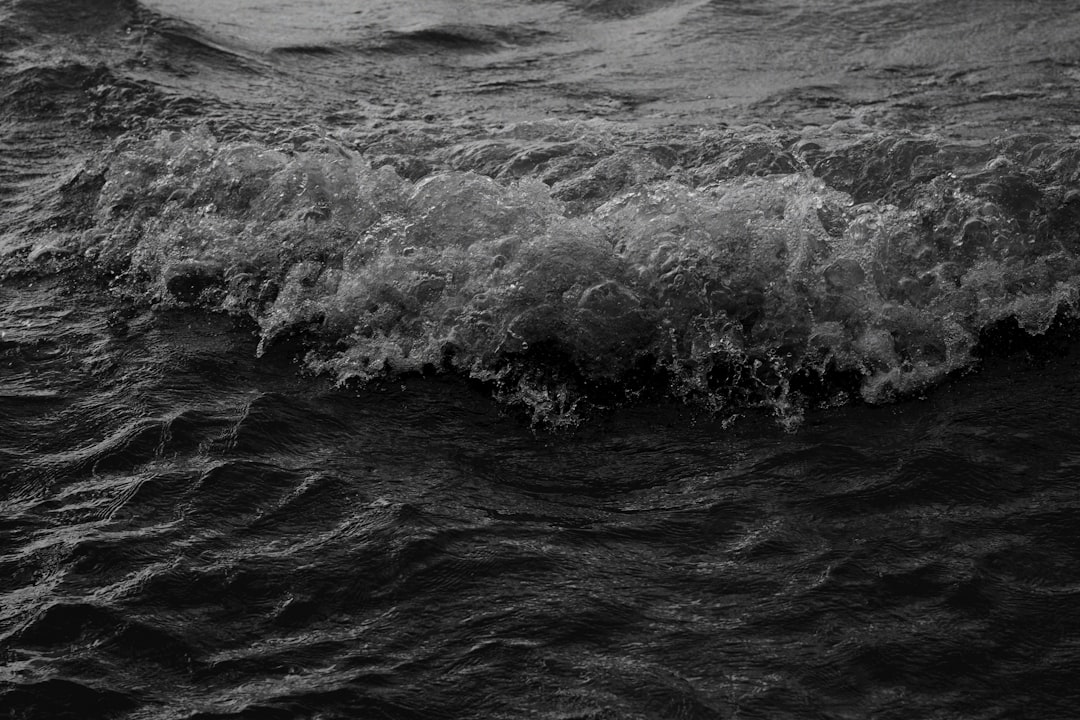
The Drake Passage, a body of water located between the southern tip of South America and Antarctica, is notorious for its tumultuous waves and unpredictable weather patterns. This narrow stretch of ocean is not only a significant geographical feature but also a critical area for understanding ocean dynamics. The waves that form in the Drake Passage are among the largest and most powerful in the world, making it a focal point for oceanographers and marine scientists alike.
The unique conditions of this passage arise from the confluence of various ocean currents, wind patterns, and the geographical constraints imposed by the surrounding landmasses. The significance of Drake Passage waves extends beyond their sheer size and ferocity. They play a crucial role in global ocean circulation, influencing climate patterns and marine ecosystems.
As researchers delve deeper into the complexities of these waves, they uncover insights that have far-reaching implications for our understanding of climate change, marine biodiversity, and even human activities such as shipping and navigation. The study of these waves is not merely an academic pursuit; it is essential for predicting future environmental changes and ensuring safe maritime operations in one of the world’s most challenging marine environments.
Key Takeaways
- Drake Passage waves are a significant natural phenomenon in the Southern Ocean, known for their massive size and impact on oceanic circulation and climate systems.
- These waves are formed due to the unique combination of strong winds, powerful currents, and the narrowness of the Drake Passage, creating waves that can reach extraordinary heights.
- The massive size of Drake Passage waves can reach up to 30 meters in height, making them some of the largest waves in the world.
- Drake Passage waves play a crucial role in influencing oceanic circulation, which in turn affects global climate systems and weather patterns.
- The study of Drake Passage waves is essential for understanding their impact on marine life, shipping, navigation, and the potential for harnessing renewable energy from these powerful waves.
Understanding the Formation of Drake Passage Waves
The formation of waves in the Drake Passage is a complex interplay of meteorological and oceanographic factors. The region is characterized by strong westerly winds that blow unimpeded across the Southern Ocean, generating powerful swells. These winds interact with the cold waters of the Antarctic Circumpolar Current, which flows continuously around Antarctica.
As these two forces collide, they create conditions ripe for wave formation. The energy from the wind transfers to the water surface, resulting in the development of large waves that can travel vast distances. Moreover, the geography of the Drake Passage contributes significantly to wave dynamics.
The relatively narrow width of the passage funnels oceanic energy, amplifying wave heights as they approach the South American coast. This phenomenon is further exacerbated by the shallow continental shelf off the coast of Chile, which can cause waves to steepen dramatically as they move into shallower waters. Understanding these processes is vital for predicting wave behavior and assessing their potential impacts on navigation and marine ecosystems.
The Massive Size of Drake Passage Waves

Drake Passage waves are renowned for their impressive size, with some reaching heights of over 30 feet during storms. These colossal waves are not only a spectacle to behold but also pose significant challenges for vessels traversing the passage. The sheer force of these waves can lead to dangerous conditions at sea, making navigation perilous for even the most experienced mariners.
The combination of high winds and large swells creates a chaotic environment that can result in capsizing or severe damage to ships. The massive size of these waves is a result of several factors, including wind speed, fetch, and duration. Fetch refers to the distance over which wind blows across open water, and in the case of the Drake Passage, this distance is considerable.
The uninterrupted expanse of ocean allows waves to build up energy over long distances before crashing against the shores or other vessels. This phenomenon not only highlights the power of nature but also underscores the need for robust maritime safety measures in this treacherous region.
Impact of Drake Passage Waves on Oceanic Circulation
| Metrics | Findings |
|---|---|
| Wave Height | Significant wave heights can reach up to 10 meters in the Drake Passage. |
| Surface Currents | Strong and variable surface currents are observed due to the interaction of waves with the Antarctic Circumpolar Current. |
| Deep Water Mixing | The passage’s waves contribute to deep water mixing, impacting the global thermohaline circulation. |
| Climate Impact | The wave-induced mixing affects the distribution of heat and carbon dioxide in the Southern Ocean, influencing global climate patterns. |
The waves generated in the Drake Passage have profound implications for global oceanic circulation patterns. As these waves propagate through the Southern Ocean, they interact with various currents, including the Antarctic Circumpolar Current, which plays a pivotal role in regulating global climate systems. The energy transferred from waves to currents can enhance mixing processes in the ocean, facilitating nutrient distribution and influencing marine ecosystems.
Furthermore, the interaction between Drake Passage waves and ocean currents contributes to the overall health of the world’s oceans. By promoting vertical mixing, these waves help transport nutrients from deeper waters to the surface, supporting phytoplankton growth and sustaining marine food webs. This process is essential for maintaining biodiversity and ensuring that marine ecosystems remain resilient in the face of environmental changes.
The Role of Drake Passage Waves in Climate Systems
Drake Passage waves are not only significant for their immediate effects on ocean circulation but also for their broader implications for climate systems. The Southern Ocean acts as a critical regulator of global climate by absorbing carbon dioxide and heat from the atmosphere. The intense wave activity in this region enhances mixing processes, allowing for greater carbon uptake and storage in oceanic waters.
Moreover, changes in wave patterns due to climate change can have cascading effects on weather systems worldwide. As global temperatures rise, alterations in wind patterns may lead to shifts in wave dynamics within the Drake Passage. These changes could impact not only local weather conditions but also global climate patterns, highlighting the interconnectedness of oceanic systems and atmospheric phenomena.
Exploring the Scientific Study of Drake Passage Waves

The scientific study of Drake Passage waves encompasses a multidisciplinary approach that integrates oceanography, meteorology, and climate science. Researchers utilize advanced technologies such as satellite imagery, buoys, and underwater drones to monitor wave activity and gather data on ocean conditions.
In recent years, there has been a growing emphasis on understanding how climate change may alter wave dynamics in the Drake Passage. As global temperatures rise and weather patterns shift, researchers are keen to explore how these changes will affect wave height, frequency, and energy distribution. By studying these trends, scientists aim to develop more accurate models that can inform policymakers and stakeholders about potential risks associated with changing ocean conditions.
Oceanographic Research and Drake Passage Waves
Oceanographic research in the Drake Passage has yielded valuable insights into wave behavior and its implications for marine environments. Scientists conduct extensive field studies to measure wave heights, frequencies, and energy levels while also examining how these factors influence sediment transport and coastal erosion. Such research is crucial for understanding how human activities—such as shipping and fishing—interact with natural processes in this dynamic region.
Additionally, oceanographic studies often focus on the relationship between wave activity and marine life. By investigating how waves affect nutrient distribution and habitat availability, researchers can better understand the ecological consequences of changing wave patterns. This knowledge is essential for developing effective conservation strategies aimed at protecting vulnerable marine species and ecosystems.
The Relationship Between Drake Passage Waves and Marine Life
The relationship between Drake Passage waves and marine life is intricate and multifaceted. The powerful waves play a significant role in shaping marine habitats by influencing nutrient availability and water circulation patterns. As waves churn up nutrients from the ocean floor, they create an environment conducive to phytoplankton growth—the foundation of the marine food web.
Moreover, many marine species have adapted to thrive in the challenging conditions created by these waves. For instance, certain fish species have developed unique behaviors that allow them to navigate turbulent waters effectively. Understanding these adaptations is crucial for assessing how marine life may respond to changing wave dynamics due to climate change or human activities.
The Influence of Drake Passage Waves on Shipping and Navigation
The formidable nature of Drake Passage waves poses significant challenges for shipping and navigation in this region. Vessels traversing these waters must be equipped to handle extreme conditions, as large swells can lead to dangerous situations at sea. Shipping companies often rely on advanced weather forecasting technologies to plan routes that minimize exposure to severe wave activity.
In addition to safety concerns, large waves can also impact shipping schedules and logistics. Delays caused by rough seas can lead to increased costs for shipping companies and disruptions in global supply chains. As such, understanding wave patterns in the Drake Passage is essential for ensuring safe navigation and efficient maritime operations.
The Potential for Harnessing Drake Passage Waves for Renewable Energy
Given their immense power, there is growing interest in harnessing Drake Passage waves for renewable energy generation. Wave energy technology has advanced significantly in recent years, with various prototypes designed to capture energy from ocean waves being tested worldwide. The consistent wave activity in the Drake Passage presents an opportunity for developing sustainable energy solutions that could contribute to reducing reliance on fossil fuels.
However, harnessing wave energy in such a challenging environment comes with its own set of challenges. Engineers must design robust systems capable of withstanding extreme conditions while efficiently converting wave energy into usable power. Ongoing research aims to address these challenges while exploring the feasibility of large-scale wave energy projects in this dynamic region.
The Ongoing Importance of Studying Drake Passage Waves
The study of Drake Passage waves remains a vital area of research with implications that extend far beyond this specific region. As scientists continue to explore the complexities of wave dynamics, they uncover insights that inform our understanding of global climate systems, marine ecosystems, and human activities at sea. The interplay between these powerful waves and various environmental factors underscores the interconnectedness of our planet’s systems.
As climate change continues to reshape our world, understanding how Drake Passage waves will evolve becomes increasingly important. By investing in research and monitoring efforts, scientists can provide valuable information that aids policymakers in making informed decisions about environmental conservation and maritime safety.
The Drake Passage is notorious for its massive waves, a phenomenon that can be attributed to several factors including the convergence of the Atlantic, Pacific, and Southern Oceans, as well as the strong westerly winds known as the “Roaring Forties.” These elements create a perfect storm for large wave formation. For a deeper understanding of the oceanographic and meteorological conditions contributing to these formidable waves, you can explore a related article on the topic by visiting MyGeoQuest. This resource provides insights into the unique environmental dynamics of the Drake Passage and their impact on wave size.
WATCH NOW! Drake Passage: Earth’s Deadliest Waters Revealed
FAQs
What is the Drake Passage?
The Drake Passage is the body of water between the southern tip of South America and the northern tip of the Antarctic Peninsula. It connects the Atlantic and Pacific Oceans.
Why are waves in the Drake Passage so big?
The waves in the Drake Passage are so big due to the strong westerly winds and the lack of any significant landmass to break up the waves. The winds create large swells that can build up over thousands of kilometers of open ocean, resulting in massive waves.
How high can waves get in the Drake Passage?
Waves in the Drake Passage can reach heights of up to 30 meters (nearly 100 feet) during extreme weather conditions.
Are the big waves in the Drake Passage dangerous?
Yes, the big waves in the Drake Passage can be very dangerous, especially for smaller vessels. The combination of strong winds, large swells, and unpredictable weather patterns make it a challenging and potentially hazardous area to navigate.
Are there any benefits to the big waves in the Drake Passage?
The big waves in the Drake Passage are a draw for adventure seekers and thrill-seeking sailors who are looking for a challenging and exhilarating experience. Additionally, the strong currents and upwelling of nutrients in the area support a rich ecosystem of marine life.