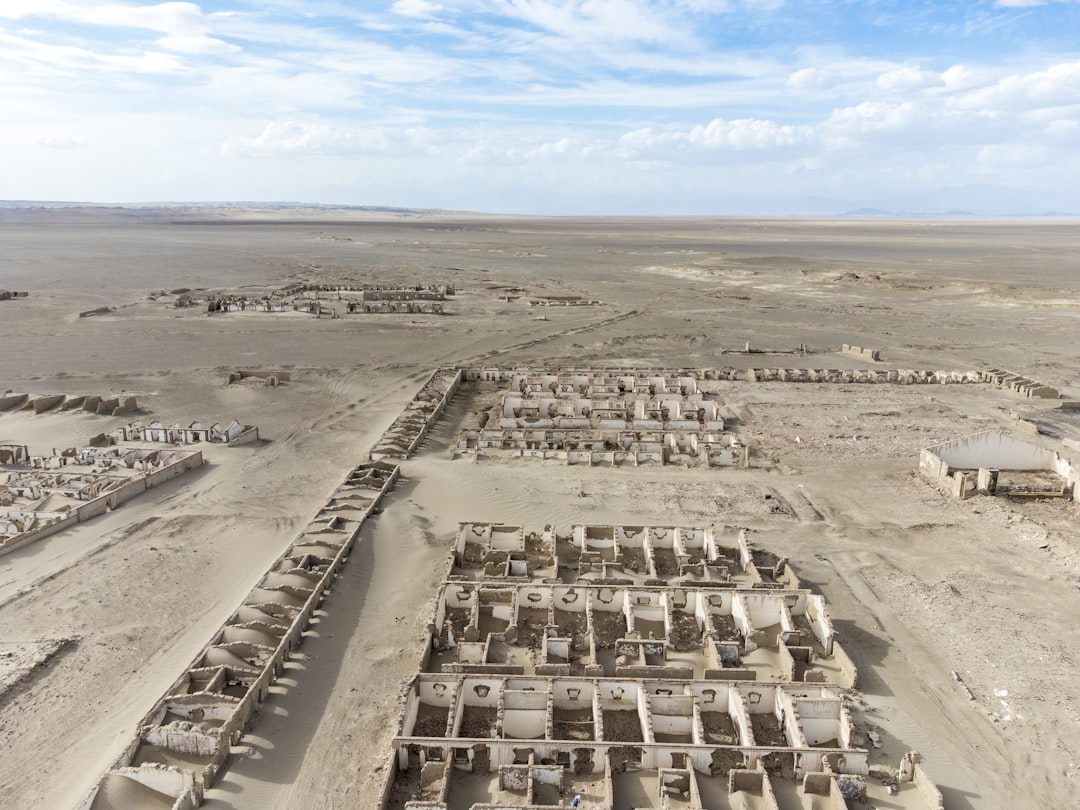
The Gobi Desert, a vast expanse of arid land straddling northern China and Mongolia, has long stood as a formidable natural barrier. However, in the context of modern geopolitical and economic strategies, it is increasingly being viewed as less of an obstacle and more as a domain for potential advancement. For Beijing, the Gobi Desert represents a multifaceted challenge, encompassing environmental preservation, resource extraction, strategic infrastructure development, and robust defense considerations. The increasing integration of the Gobi into China’s national and international ambitions necessitates a comprehensive understanding of the landscape, its limitations, and the strategic approaches required to navigate its complexities.
The Gobi’s stark beauty belies its delicate ecological balance. Decades of increasing human activity, including agricultural expansion, resource extraction, and urbanization in its periphery, have placed significant strain on this arid ecosystem. Beijing’s engagement with the Gobi is, therefore, intrinsically tied to the imperative of environmental stewardship. The long-term viability of any development initiatives hinges on the ability to mitigate negative environmental impacts and, where possible, implement restorative measures.
Desertification and Land Degradation
The progression of desertification is a primary concern within the Gobi. This phenomenon, characterized by the loss of biological productivity and the erosion of fertile soil, is exacerbated by unsustainable land-use practices. Overgrazing by livestock, deforestation for fuel, and intensive agriculture in marginal areas contribute to the expansion of barren landscapes. Beijing’s policies for the Gobi must address these root causes through sustainable land management techniques, promoting drought-resistant crops, and implementing robust afforestation and reforestation programs. The effectiveness of these initiatives will be crucial in preventing further ecological decline and preserving the Gobi’s natural heritage.
Water Scarcity and Management
Water is an exceptionally precious resource in the Gobi. Natural precipitation is minimal, and existing water sources, including underground aquifers, are often finite and subject to overuse. The expansion of agriculture, industry, and burgeoning desert settlements places immense pressure on these limited supplies. Beijing faces the significant challenge of developing and implementing efficient water management strategies. This includes investing in water-saving irrigation technologies, exploring the feasibility of desalination where coastal proximity allows for such projects, and strictly regulating water extraction to prevent the depletion of vital aquifers. International cooperation, particularly with Mongolia, may also be necessary for the equitable management of transboundary water resources.
Biodiversity and Ecosystem Resilience
Despite its apparent harshness, the Gobi supports a unique and specialized array of flora and fauna. Many species are endemic to the region and have adapted to extreme conditions. However, habitat fragmentation, pollution from industrial activities, and climate change pose threats to this biodiversity. Beijing’s approach to the Gobi must include measures to protect endangered species and their habitats. This involves establishing protected areas, controlling industrial pollution, and monitoring the impact of human activities on wildlife populations. Promoting ecosystem resilience through conservation efforts will be vital for the long-term health of the Gobi’s natural systems.
The Gobi Desert’s march toward Beijing city has raised significant concerns regarding environmental changes and urban expansion. For a deeper understanding of this phenomenon and its implications, you can read the related article on this topic at My Geo Quest. This article explores the factors contributing to the desert’s encroachment and discusses potential strategies for mitigating its impact on the surrounding regions, including the capital city of China.
Resource Extraction: The Economic Imperative and its Footprint
The Gobi Desert is known to possess significant mineral and energy reserves, including coal, oil, natural gas, and rare earth elements. The extraction of these resources presents a substantial economic incentive for China, offering opportunities for energy security and industrial growth. However, this pursuit is intrinsically linked to environmental costs and the need for responsible resource management.
Fossil Fuel Exploitation and Environmental Concerns
The Gobi’s rich deposits of coal and oil have been a focus of extraction for decades. While these resources contribute significantly to China’s energy mix, their exploitation raises considerable environmental concerns. Coal mining, in particular, can lead to land disturbance, water pollution, and air emissions. The extraction and transportation of oil and gas also carry risks of spills and habitat disruption. Beijing must prioritize the adoption of cleaner extraction technologies, invest in stringent environmental monitoring, and develop comprehensive remediation plans for mined areas. The transition towards renewable energy sources also needs to be considered to reduce reliance on fossil fuels extracted from the Gobi.
Rare Earth Elements and Geopolitical Significance
The Gobi is also a significant source of rare earth elements, crucial components in modern electronics, renewable energy technologies, and defense systems. China dominates the global supply of these minerals, and the Gobi plays a role in this production. The extraction of rare earth elements, however, can be environmentally intensive, involving processes that generate toxic waste and consume significant amounts of water. Beijing’s strategy must address the environmental impact of this extraction, focusing on sustainable mining practices and waste management. Furthermore, the geopolitical implications of rare earth production necessitate careful consideration of supply chain security and China’s role as a global supplier.
Sustainable Mining Practices and Technological Innovation
To mitigate the environmental impact of resource extraction, Beijing must champion the adoption of sustainable mining practices. This involves investing in research and development to improve extraction efficiency, reduce waste generation, and minimize water consumption. Technologies such as in-situ leaching for certain minerals, coupled with advanced wastewater treatment and land reclamation techniques, are essential. Furthermore, promoting transparency and adhering to international environmental standards will be crucial for building trust and ensuring the long-term sustainability of resource extraction in the Gobi.
Strategic Infrastructure: Connecting and Securing the Frontier

The vastness of the Gobi presents significant logistical challenges. Beijing’s vision for the region necessitates the development of robust and integrated infrastructure networks, designed to facilitate economic activity, improve connectivity, and enhance national security. This undertaking requires substantial investment and careful planning.
Transportation Networks: Roads, Railways, and Air Connectivity
The development of efficient transportation networks is fundamental to unlocking the Gobi’s potential. This includes constructing and upgrading a comprehensive system of roads and railways to connect resource-rich areas with consumption centers and industrial hubs. Beijing’s Belt and Road Initiative, with its focus on infrastructure development, plays a significant role in this regard. Enhancing air connectivity through the development and modernization of airports will also be crucial for passenger and cargo transport. The design and construction of these networks must consider the harsh desert environment, including extreme temperatures and sandstorms, demanding specialized engineering solutions.
Energy Grids and Renewable Energy Integration
The Gobi’s significant potential for solar and wind energy necessitates the development of robust energy infrastructure. This includes establishing vast solar farms and wind turbine arrays, which in turn require the expansion of electricity transmission networks to connect these power sources to national grids. Beijing’s challenge lies in ensuring the stability and reliability of these grids, particularly given the intermittent nature of renewable energy. Investing in battery storage solutions and smart grid technologies will be critical for integrating renewable energy sources effectively and ensuring a consistent power supply across the region.
Communication and Digital Infrastructure
In an increasingly connected world, the development of advanced communication and digital infrastructure in the Gobi is paramount. This includes expanding broadband internet access, mobile network coverage, and other digital services. Such connectivity is vital for supporting economic activities, facilitating research and development, and enhancing emergency response capabilities. The vast distances and challenging terrain of the Gobi necessitate innovative solutions for deploying and maintaining communication networks.
Defense and Security: The Frontier of Sovereignty

The Gobi Desert, with its extensive borders and resource wealth, is a region of considerable strategic importance for China’s national defense and security. Beijing’s approach to the Gobi must encompass robust security measures to protect its territory, resources, and interests.
Border Surveillance and Management
The long and often remote borders of the Gobi require sophisticated surveillance and management systems. Beijing must invest in advanced technologies, including satellite imagery, drones, and ground-based sensors, to monitor border activity effectively. This is crucial for preventing illegal crossings, smuggling, and other security threats. Developing well-trained and equipped border patrol forces is also essential for maintaining territorial integrity.
Military Infrastructure and Readiness
The Gobi’s strategic location necessitates the presence of military infrastructure and a high level of readiness. This includes the establishment of military bases, training grounds, and logistical support facilities. Air bases and missile deployment sites in the Gobi can project power and provide early warning capabilities. Ensuring the operability of military hardware and personnel in the extreme desert conditions, with its dust, heat, and sandstorms, poses unique challenges for maintenance and operational readiness.
Resource Protection and Strategic Reserves
The Gobi’s significant reserves of energy and rare earth minerals are of paramount strategic importance to China’s economy and national security. Beijing must implement measures to protect these resources from external threats and ensure their secure extraction and supply. This may involve establishing specialized security units responsible for guarding resource extraction sites and transportation routes, as well as maintaining strategic reserves of critical minerals.
The Gobi Desert’s gradual march toward Beijing city has raised concerns about environmental changes and urban expansion. As desertification progresses, it threatens not only the local ecosystems but also the livelihoods of those living in the surrounding areas. For a deeper understanding of this phenomenon and its implications, you can read a related article that explores the challenges faced by urban centers in arid regions. This insightful piece can be found here.
Navigating the Future: Collaboration and Sustainable Development
| Year | Distance Covered (km) | Duration (days) |
|---|---|---|
| 2021 | 137 | 6 |
| 2020 | 112 | 5 |
| 2019 | 125 | 7 |
The challenges presented by the Gobi Desert are significant, but they also offer opportunities for innovation and strategic advancement. Beijing’s long-term success in the region will likely depend on its ability to foster collaboration, embrace sustainable development principles, and adapt to the unique conditions of this vast desert landscape.
Transnational Cooperation with Mongolia
Given that the Gobi straddles both China and Mongolia, effective transnational cooperation is essential. This includes joint efforts in environmental protection, water resource management, and combating cross-border crime. Collaborative projects in areas such as renewable energy development and infrastructure connectivity can offer mutual benefits and foster regional stability. Open communication and trust-building between Beijing and Ulaanbaatar will be foundational for successful collaboration.
Investing in Research and Innovation
Addressing the multifaceted challenges of the Gobi requires a commitment to ongoing research and innovation. This includes developing new technologies for desert rehabilitation, water conservation, sustainable resource extraction, and extreme environment engineering. Investing in scientific expertise and fostering a culture of innovation will be crucial for developing effective and long-term solutions for the region.
Long-Term Sustainable Development Strategies
Ultimately, Beijing’s approach to the Gobi Desert must be guided by a commitment to long-term sustainable development. This means prioritizing environmental protection alongside economic growth, ensuring that resource extraction is conducted responsibly, and investing in infrastructure that benefits local communities and promotes ecological resilience. A balanced approach that considers the intricate interplay between environmental, economic, social, and security factors will be critical for navigating the impending challenges and opportunities that the Gobi presents. The desert, with its inherent fragility and immense potential, demands a strategic vision that is both practical and forward-thinking.
FAQs
What is the Gobi Desert?
The Gobi Desert is a vast desert region in northern China and southern Mongolia. It is one of the largest deserts in the world, covering an area of over 1,295,000 square kilometers.
How far is the Gobi Desert from Beijing city?
The Gobi Desert is located approximately 1,600 kilometers (994 miles) from Beijing city.
Is the Gobi Desert expanding toward Beijing city?
Yes, the Gobi Desert is expanding at a rate of approximately 1,900 square miles per year, and it is gradually encroaching on the outskirts of Beijing city.
What are the potential impacts of the Gobi Desert’s expansion toward Beijing city?
The expansion of the Gobi Desert toward Beijing city could lead to increased desertification, soil erosion, and dust storms in the region. It may also have negative effects on agriculture, water resources, and air quality in and around Beijing.
What measures are being taken to address the expansion of the Gobi Desert toward Beijing city?
The Chinese government has implemented various measures to combat desertification, including afforestation projects, the construction of sand barriers, and the establishment of nature reserves in the affected areas. Additionally, international cooperation and research efforts are ongoing to develop sustainable solutions to mitigate the impacts of desertification.