
China’s Ghost Forests: Environmental Impact and Consequences
The term “ghost forest” evokes a stark image: a landscape bleached of its vitality, populated by the skeletal remains of trees. In China, this phenomenon is not merely a poetic description but a tangible environmental crisis. Vast swathes of land are witnessing the widespread death of forests, often occurring in relatively short periods, leaving behind a haunting, depopulated expanse. This rapid ecological transformation carries profound environmental impacts and far-reaching consequences, altering ecosystems, livelihoods, and the very fabric of the natural world. Understanding the root causes and assessing the damage is crucial to addressing this growing concern.
The emergence of China’s ghost forests is a complex issue, driven by a confluence of environmental stressors, both natural and anthropogenic. Pinpointing specific causes in each instance can be challenging, as multiple factors often interact, exacerbating the damage. However, several recurring themes and primary drivers have been identified by researchers and environmentalists alike.
Climate Change and Its Amplifying Effects
Rising Temperatures and Shifting Weather Patterns
Global climate change is undeniably a significant contributor to forest degradation worldwide, and China is no exception. Rising average temperatures place an increased stress on tree physiology, making them more susceptible to disease and pest infestations. Changes in precipitation patterns, including more frequent and intense droughts in some regions and increased flooding in others, directly impact tree survival. For species adapted to specific climatic conditions, these shifts can be fatal. The delicate balance of ecosystems is disrupted, creating an environment where trees struggle to thrive.
Increased Frequency and Intensity of Extreme Weather Events
Beyond gradual shifts, the more immediate and dramatic impacts of extreme weather events are accelerating forest dieback. Prolonged droughts lead to widespread water scarcity, impacting tree root systems and reducing their ability to absorb essential nutrients. Conversely, intensified rainfall and flooding can drown roots, leading to a lack of oxygen and fungal infections, ultimately causing tree death. Severe storms, including strong winds and hailstorms, can cause physical damage, weakening trees and making them vulnerable to secondary infections.
The Role of Invasive Species
Unchecked Proliferation and Competition
The introduction and subsequent unchecked proliferation of non-native invasive species represent another significant threat to China’s native forests. These alien plants and insects often lack natural predators in their new environments, allowing their populations to explode. They compete aggressively with native tree species for resources such as sunlight, water, and nutrients, effectively outcompeting them. This intense competition weakens native trees, making them more susceptible to other stressors.
Direct Predation and Disease Transmission
Invasive insects, in particular, can wreak havoc on forests. Many invasive pest species have evolved to overcome the defenses of native trees, leading to rapid and widespread defoliation and eventual death. These pests can also act as vectors for novel diseases, introducing pathogens to which native trees have no resistance. The introduction of a new pest or disease can trigger a domino effect, leading to the rapid collapse of entire forest stands.
The phenomenon of ghost forests in China, characterized by large areas of dead trees due to rising sea levels and saltwater intrusion, has significant implications for local ecosystems and biodiversity. For a deeper understanding of the environmental impact of such changes, you can explore a related article that discusses the broader effects of climate change on forests and coastal regions. To read more, visit this article.
Direct Anthropogenic Pressures: Human Activities and Their Footprint
While natural factors play a role, human activities exert a powerful and often detrimental influence on China’s forests, directly contributing to the formation of ghost forests through unsustainable practices and land use changes.
Agricultural Expansion and Land Conversion
Deforestation for Crop Cultivation and Livestock Grazing
Historically, agricultural expansion has been a major driver of deforestation globally, and China is no exception. The demand for arable land to feed a large population has led to the clearing of vast forest areas for crop cultivation and livestock grazing. This direct removal of trees eliminates established forest ecosystems and their complex ecological functions. The soil, often stripped of its protective tree cover, becomes vulnerable to erosion, further degrading the land’s capacity to support forest life.
Monoculture Plantations and Biodiversity Loss
The shift towards large-scale monoculture plantations, often for timber or specific cash crops, also contributes to forest degradation. While these plantations may appear as forests, they lack the complex biodiversity and ecological resilience of natural forests. The lack of diverse tree species and undergrowth makes them highly susceptible to disease outbreaks and pest infestations, creating ideal conditions for the rapid spread of dieback. The biodiversity loss associated with monocultures weakens the overall ecological health of the region.
Pollution and Its Far-Reaching Effects
Air Pollution and Its Impact on Tree Health
Industrialization and urbanization in China have led to significant air pollution. Pollutants such as sulfur dioxide, nitrogen oxides, and ozone can directly damage tree leaves, inhibit photosynthesis, and weaken their overall health. Acid rain, a product of sulfur and nitrogen oxide emissions, acidifies soils, making it difficult for trees to absorb essential nutrients. This slow but steady poisoning of the forest environment weakens trees, making them more vulnerable to other stressors.
Water Pollution and Soil Contamination
Industrial and agricultural runoff, often laden with pesticides, heavy metals, and other toxic chemicals, contaminates water sources and soils. These contaminants can be absorbed by tree roots, leading to physiological damage and impaired growth. Soil contamination can alter the chemical and biological properties of the soil, making it inhospitable to tree roots and associated microbial communities. This degradation of the soil environment further compromises forest health.
Ecological Ramifications: The Ripple Effect Through Ecosystems

The creation of ghost forests devastates the intricate web of life that forest ecosystems support. The elimination of trees triggers a cascade of negative ecological consequences that extend far beyond the immediate loss of vegetation.
Loss of Biodiversity and Habitat Fragmentation
Decline in Flora and Fauna Populations
The most apparent consequence of ghost forests is the dramatic decline in biodiversity. Forests provide crucial habitat, food, and shelter for a vast array of plant and animal species. The removal of trees leads to the loss of these resources, causing a sharp decrease in populations of dependent species, from insects and birds to mammals and amphibians. Many species may face local extinction as their habitats disappear entirely.
Disruption of Food Webs and Ecological Niches
Ghost forests disrupt complex food webs. The removal of primary producers (trees) and the subsequent decline in herbivore populations have ripple effects throughout the ecosystem. Predators that rely on these herbivores also suffer. Furthermore, the specialized ecological niches that different species occupy within a healthy forest are eliminated, leading to further imbalances and potential extinctions.
Soil Erosion and Degradation
Loss of Soil Binding Vegetation
Tree roots play a vital role in anchoring soil, preventing erosion by wind and water. The death of forests leaves the soil exposed and vulnerable. Heavy rainfall can wash away topsoil rapidly, leading to significant land degradation. This eroded soil can also silt up rivers and lakes, impacting aquatic ecosystems.
Nutrient Depletion and Altered Soil Chemistry
The decomposition of organic matter in a healthy forest contributes to nutrient cycling. In ghost forests, this process is disrupted. The lack of organic input and the increased erosion lead to nutrient depletion, making it increasingly difficult for any new vegetation to establish itself. Soil chemistry can also be altered by the absence of trees and the increased exposure to sunlight and weather.
Socioeconomic Consequences: The Human Cost of Dying Forests
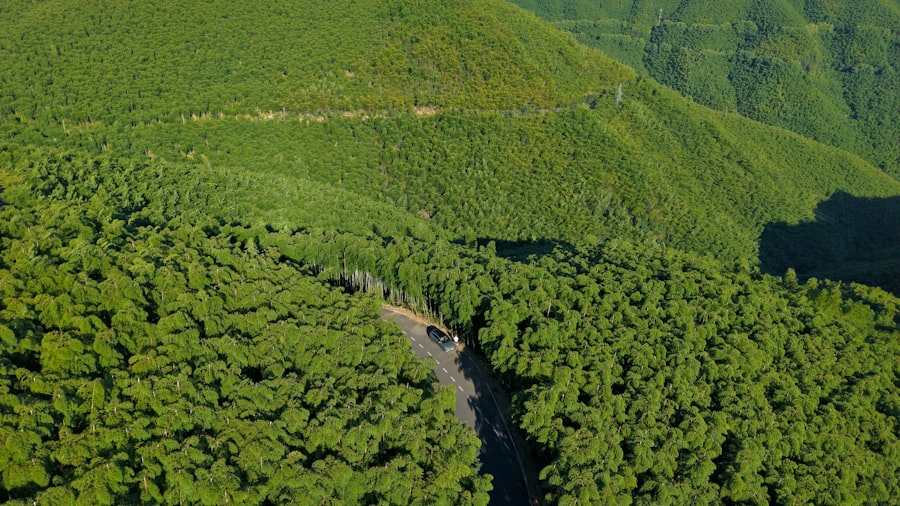
The environmental damage wrought by China’s ghost forests translates directly into significant socioeconomic consequences, impacting the livelihoods of communities that depend on forest resources and the broader economic stability of affected regions.
Impact on Forest-Dependent Communities
Loss of Livelihoods and Economic Opportunities
Many rural communities in China historically rely on forests for their livelihoods, through activities such as timber harvesting, foraging for medicinal plants and non-timber forest products, and ecotourism. The creation of ghost forests decimates these economic opportunities, leading to widespread unemployment and poverty. The loss of these traditional livelihoods can force communities to migrate, further disrupting social structures.
Decline in Essential Ecosystem Services
Forests provide a range of essential ecosystem services that benefit human societies. These include water purification, climate regulation, and protection against natural hazards like landslides and floods. The degradation of forests diminishes these services, leading to increased costs for water treatment, greater vulnerability to extreme weather events, and a reduced capacity to mitigate climate change impacts.
Agricultural Productivity and Food Security
Reduced Water Availability for Irrigation
Healthy forests play a crucial role in the water cycle, regulating local rainfall and conserving soil moisture. The demise of forests can lead to reduced water availability, impacting agricultural productivity, particularly in regions reliant on rain-fed agriculture. This scarcity of water can exacerbate existing food security challenges.
Increased Vulnerability to Pests and Diseases
The ecological imbalances created by ghost forests can lead to an increase in pest and disease outbreaks, not only in the remaining natural areas but also in surrounding agricultural lands. This heightened vulnerability can lead to significant crop losses, further jeopardizing food security and economic stability for farming communities.
The phenomenon of ghost forests in China highlights the significant environmental impact of rising sea levels and climate change on coastal ecosystems. These eerie landscapes, characterized by dead trees standing in waterlogged areas, serve as a stark reminder of the consequences of human activity and natural processes. For a deeper understanding of this issue, you can read more about it in a related article that explores the broader implications of such environmental changes. This insightful piece can be found here.
Addressing the Crisis: Mitigation and Adaptation Strategies
| Metrics | Data |
|---|---|
| Extent of Ghost Forests | Millions of hectares |
| Carbon Sequestration | Tons of CO2 per year |
| Biodiversity Loss | Number of species affected |
| Soil Erosion | Rate of erosion per year |
Combating the proliferation of ghost forests requires a multifaceted approach, combining efforts to mitigate the underlying causes with strategies to adapt to the inevitable changes and facilitate ecological recovery.
Reforestation and Afforestation Initiatives
Targeted Planting and Species Selection
Large-scale reforestation and afforestation projects are crucial to restoring degraded lands. However, simply planting trees is not enough. Careful consideration must be given to species selection, prioritizing native species that are well-adapted to the local climate and soil conditions. The goal should be to create resilient, biodiverse forests, not just tree plantations.
Ecological Restoration and Management
Effective reforestation goes beyond planting. It involves comprehensive ecological restoration, including measures to improve soil health, control invasive species, and protect newly planted saplings from herbivores and other threats. Long-term forest management plans are essential to ensure the sustainability of these efforts.
Sustainable Land Management Practices
Agroforestry and Integrated Farming Systems
Promoting sustainable land management practices, such as agroforestry and integrated farming systems, can help reduce the pressure on natural forests. These approaches integrate trees into agricultural landscapes, providing economic benefits to farmers while also enhancing biodiversity, improving soil health, and conserving water.
Combating Pollution and Protecting Water Resources
Stricter environmental regulations and enforcement are necessary to curb industrial and agricultural pollution. Investing in cleaner technologies and promoting sustainable waste management practices are essential to protect water resources and soil quality. Protecting existing natural areas from further encroachment and degradation is paramount.
Policy and Governance Reforms
Strengthening Environmental Protection Laws
Robust environmental protection laws and policies, coupled with effective enforcement, are fundamental to addressing the root causes of ghost forests. This includes stricter regulations on land use change, industrial emissions, and the import of invasive species.
Public Awareness and Community Engagement
Raising public awareness about the environmental and socioeconomic consequences of ghost forests is vital. Engaging local communities in conservation efforts and empowering them with the knowledge and resources to participate in sustainable land management practices is crucial for long-term success. International cooperation and knowledge sharing can also play a significant role in developing and implementing effective strategies. The silent march of China’s ghost forests presents a stark warning about the fragility of ecosystems and the profound interconnectedness of environmental health and human well-being. Addressing this crisis demands a concerted and sustained effort, grounded in scientific understanding and a commitment to ecological stewardship.
FAQs
What are China ghost forests?
China ghost forests are areas of dead or dying trees that have been affected by environmental factors such as rising sea levels, saltwater intrusion, and soil erosion. These forests are often found in coastal regions and are a result of environmental degradation.
What is the environmental impact of China ghost forests?
The environmental impact of China ghost forests includes loss of biodiversity, reduced carbon sequestration, and increased vulnerability to natural disasters such as flooding and erosion. These forests also contribute to the release of carbon dioxide into the atmosphere as the dead trees decompose.
What causes the formation of China ghost forests?
The formation of China ghost forests is primarily caused by rising sea levels, which lead to saltwater intrusion into coastal areas. This saltwater intrusion can result in the death of trees and other vegetation, leading to the formation of ghost forests.
How does China ghost forests affect local communities?
China ghost forests can have significant impacts on local communities, including loss of livelihoods for those who depend on the forests for resources such as timber and non-timber forest products. Additionally, the loss of coastal forests can increase the vulnerability of communities to natural disasters such as storm surges and flooding.
What measures are being taken to address the issue of China ghost forests?
Efforts to address the issue of China ghost forests include reforestation and afforestation projects, as well as the implementation of coastal protection measures such as mangrove restoration and the construction of sea walls. Additionally, there are ongoing research and monitoring efforts to better understand the causes and impacts of ghost forests in China.