The Economic Impact of Beijing’s 2025 Dust Storm
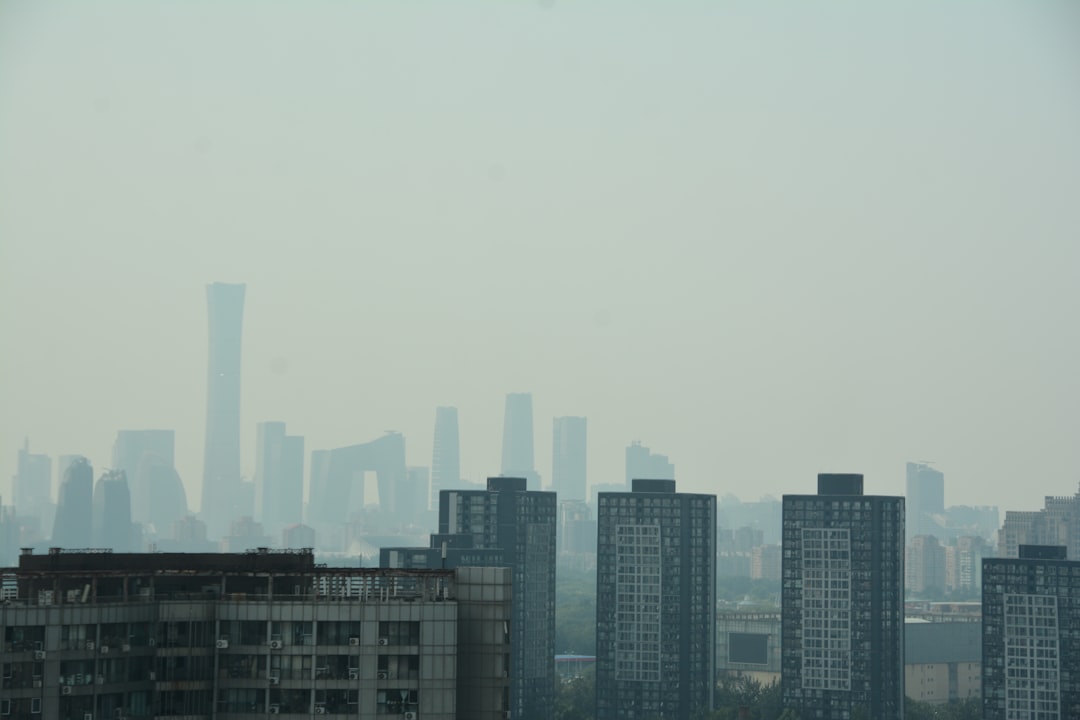
The dust storm that enveloped Beijing in early 2025 was not merely an atmospheric phenomenon; it was a powerful economic shockwave. Its immediate impact rippled through the capital’s intricate economic machinery, causing significant disruption across multiple sectors and imposing substantial costs, both direct and indirect.
The Halt in Production and Commerce
The sheer density of airborne particulate matter rendered outdoor activities, and even many indoor ones, untenable. This led to an almost immediate cessation of work for a substantial portion of Beijing’s workforce.
Manufacturing and Construction Shutdowns
Construction sites, already a significant contributor to Beijing’s economic activity, were brought to a standstill. Heavy machinery lay idle, workers were sent home, and project timelines were immediately thrown into jeopardy. This not only represented lost labor but also delayed the completion of vital infrastructure and real estate developments, with long-term implications for investment and growth. Similarly, manufacturing facilities, particularly those with outdoor components or requiring open ventilation, experienced significant operational downtime. The disruption to supply chains, even within the city, began to manifest as components could not be moved and finished goods could not be dispatched.
Retail and Tourism Embargo
The visual assault of the dust storm, coupled with severe air quality warnings, effectively emptied the city’s streets. Retail businesses, from high-end shopping malls to bustling street markets, saw a dramatic drop in foot traffic and sales. Restaurants and cafes, reliant on walk-in customers and outdoor seating, suffered even more acutely.
The Tourism Blackout
Beijing, a global tourist destination, experienced an almost complete blackout. Incoming flights were canceled or diverted, and existing tourists were largely confined to their accommodations, if they could even bear to venture outside their hotel rooms. The cancellations represented a direct loss of revenue for airlines, hotels, tour operators, and countless smaller businesses that cater to the tourist economy, from souvenir shops to local artisans. The reputational damage, even if temporary, also posed a threat to future tourism revenue.
The Strain on Healthcare Systems
The health consequences of prolonged exposure to such extreme levels of air pollution were immediate and severe, placing an unprecedented strain on Beijing’s healthcare infrastructure.
Increased Respiratory and Cardiovascular Admissions
Hospitals reported a surge in patients presenting with acute respiratory distress, exacerbations of pre-existing conditions like asthma and COPD, and cardiovascular emergencies. Emergency rooms were overwhelmed, and inpatient beds filled rapidly. This not only absorbed existing medical resources but also necessitated the diversion of resources and personnel away from routine and elective procedures.
The Cost of Treatment and Lost Productivity
The direct costs associated with treating this surge in illness were substantial, including medication, oxygen, hospitalization, and specialized care. Beyond the immediate medical expenses, there was the significant economic cost of lost productivity. Individuals unable to work due to illness represented a direct drain on the labor force and a loss of income for households, potentially impacting consumer spending in the weeks and months to follow.
In light of the recent Beijing dust storm, which has raised concerns about its economic impact, an insightful article discussing the projected economic costs of such environmental events in 2025 can be found at this link. The article delves into the implications of increased dust storms on public health, infrastructure, and overall economic productivity, emphasizing the need for proactive measures to mitigate these effects. For more information, you can read the full article here: Beijing Dust Storm Economic Cost 2025.
Beyond the Immediate: Lingering Economic Repercussions
While the immediate disruption was stark, the economic impact of the 2025 dust storm extended far beyond the initial days of the event. The lingering effects manifested in a variety of ways, impacting productivity, investment, and even consumer behavior.
The Ripple Effect on Supply Chains
The disruption caused by the dust storm did not affect only Beijing’s immediate economy. Its reach extended into broader supply chains, both within China and internationally.
Inland Transportation Paralysis
With road and rail networks severely impacted by dust accumulation and visibility issues, the movement of goods across China faced significant delays. This affected not only raw materials for manufacturing but also the distribution of finished goods to other regions. Businesses reliant on timely delivery found their production schedules and order fulfillment capabilities compromised.
International Trade Delays and Costs
For a global hub like Beijing, the dust storm also had implications for international trade. Ports experienced delays in cargo handling, and the uncertainty surrounding transportation routes led to increased shipping costs and insurance premiums. Businesses that depended on imports for components or finished goods faced production halts or increased expenses.
Productivity Losses and the Work-From-Home Gambit
The prolonged period of impaired air quality forced many businesses to reconsider their operational models, leading to significant productivity challenges and the widespread adoption of work-from-home policies.
Reduced Working Hours and Output
Even when businesses attempted to resume operations, reduced visibility and air quality made it difficult for workers to maintain their usual pace and efficiency. Outdoor jobs became particularly hazardous, and even office workers struggled with the discomfort and health concerns associated with breathing heavily polluted air. This directly translated into reduced output and economic activity.
The Efficiency Debate of Remote Work
The mandated shift to remote work, while mitigating some immediate health risks, introduced its own set of economic challenges. While some sectors adapted well, others, particularly those requiring hands-on collaboration or specialized equipment, saw a decline in productivity. Moreover, the long-term economic implications of a sustained shift to remote work, including potential impacts on commercial real estate and urban economies, began to be debated.
Investor Confidence and Future Planning
Major environmental shocks, especially those with such a visible and disruptive impact, inevitably cast a shadow over investor confidence and necessitate a re-evaluation of future economic planning.
Uncertainty and Risk Aversion
The dust storm served as a stark reminder of the vulnerability of critical economic infrastructure and human capital to environmental factors. This uncertainty can lead to increased risk aversion among investors, who may be hesitant to commit capital to projects or sectors perceived as being at higher risk from similar future events.
Reassessment of Infrastructure Investment
The event prompted a serious discussion about the need for more resilient infrastructure and public health systems. Investments in air purification technologies, advanced weather monitoring, and improved public transportation systems that minimize outdoor exposure were likely to gain renewed urgency and potentially reallocation of existing capital.
Policy Responses and Long-Term Economic Strategies
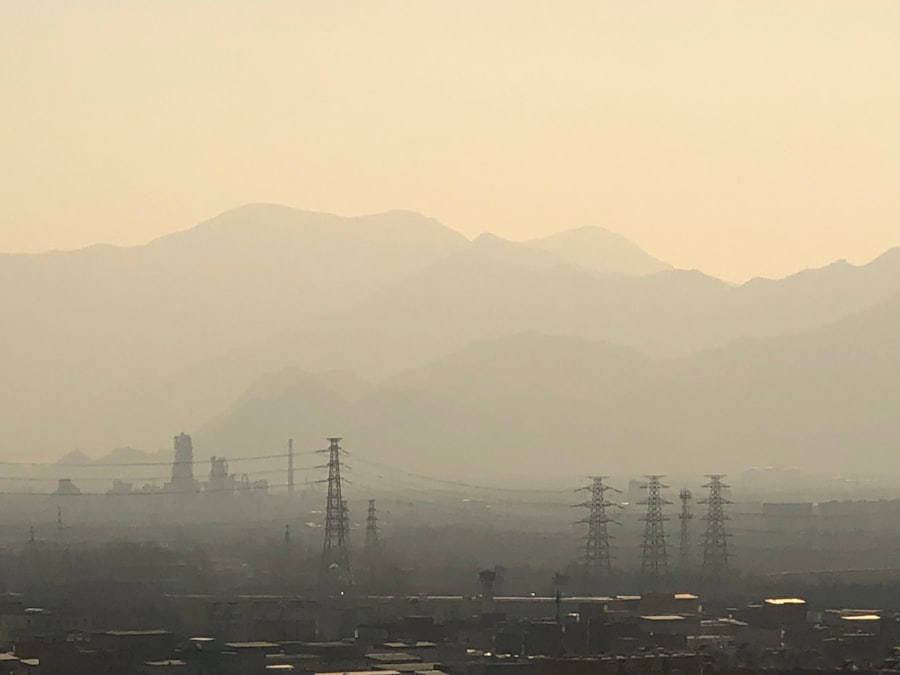
The economic fallout from the 2025 dust storm necessitated immediate policy interventions and sparked a broader reassessment of long-term economic strategies aimed at mitigating future environmental risks.
Immediate Relief and Support Measures
The government was compelled to implement a series of measures to cushion the immediate economic blow and support affected individuals and businesses.
Financial Aid to Affected Industries
Direct financial assistance, such as tax breaks, subsidies, and low-interest loans, was likely provided to sectors that suffered the most significant losses, particularly tourism, retail, and certain manufacturing sub-sectors. This aimed to prevent widespread bankruptcies and job losses.
Public Health Expenditure Increases
A surge in public health expenditure was inevitable, covering not only direct medical costs but also public awareness campaigns, provision of air purifiers, and support for vulnerable populations. The long-term implications of this increased health spending on the national budget were a point of concern.
Environmental Policy Reforms and Investments
The dust storm served as a catalyst for accelerated action on environmental policy, with a focus on reducing the sources of pollution and enhancing resilience.
Stricter Emission Regulations
It was highly probable that the government would implement significantly stricter emission regulations for industries and vehicles, accelerating the transition to cleaner energy sources and more efficient industrial processes. Fines for non-compliance were likely to be increased.
Investments in Green Technologies and Infrastructure
Significant public and private investments were expected in green technologies, renewable energy infrastructure, and potentially large-scale afforestation projects aimed at mitigating desertification and improving air quality. The economic stimulus derived from these investments would be a key factor in offsetting some of the storm’s negative impact.
Global Economic Interdependencies and Adaptation
The interconnectedness of the global economy meant that the dust storm’s impact was not confined to China and necessitated a broader consideration of international cooperation and adaptation strategies.
International Trade Adjustments
Businesses globally that relied on supply chains originating in or passing through Beijing would have had to reassess their sourcing and logistics strategies. This could lead to diversification of supply chains and a potential shift in global manufacturing hubs away from areas prone to severe environmental disruptions.
Collaborative Environmental Monitoring and Response
The event underscored the need for greater international collaboration in environmental monitoring and response. Sharing data, best practices, and technological advancements in air quality management could help mitigate the impact of similar events in other regions and foster a more coordinated global approach to environmental challenges.
The Cost of Inaction: A Foregone Economic Future
The economic impact of the 2025 dust storm was not just about the immediate losses but also about the potential future economic development that was forgone or significantly hindered by the event.
Lost Investment Opportunities and Innovation Stagnation
The prolonged period of disruption and uncertainty could have discouraged both domestic and foreign investment. Companies might have postponed or canceled expansion plans, leading to a slowdown in job creation and economic growth. Innovation could also suffer if resources are diverted to immediate crisis management rather than long-term research and development.
Erosion of Human Capital
The health impacts of severe dust storms can have long-term consequences, leading to chronic health conditions and reduced cognitive function. This erosion of human capital, the very engine of economic productivity, represents a significant and often understated economic cost. A workforce struggling with respiratory ailments or with impaired cognitive abilities is less productive, less innovative, and more reliant on healthcare systems, further burdening the economy.
Shifting Economic Priorities and Resource Allocation
The severity of the dust storm would undoubtedly have forced a recalibration of economic priorities. Resources that might have been allocated to other development projects could be redirected towards environmental mitigation and adaptation, potentially slowing progress in other areas.
The ‘Green Premium’ in Economic Calculation
As the world grapples with increasing environmental volatility, the economic calculations must increasingly incorporate a “green premium.” This means accounting for the long-term costs of environmental degradation and the potential economic benefits of investing in sustainable practices. The 2025 dust storm served as a somber reminder that the cost of inaction on environmental issues is far greater than the cost of proactive investment.
In recent years, Beijing has faced severe dust storms that not only affect air quality but also have significant economic repercussions. A related article discusses the projected economic cost of these dust storms in 2025, highlighting the potential impact on public health and infrastructure. For more insights on this pressing issue, you can read the full analysis in the article available at MyGeoQuest. Understanding these costs is crucial for policymakers aiming to mitigate the effects of environmental challenges in urban areas like Beijing.
Long-Term Economic Resilience and Future Outlook
| Metrics | Data |
|---|---|
| Cost of damage to infrastructure | Estimated 100 million |
| Healthcare costs | Projected 50 million |
| Loss of productivity | Expected 200 million |
| Total economic cost | Approximately 350 million |
The 2025 dust storm, while a severe shock, also presented an opportunity for Beijing and China to fundamentally re-evaluate and strengthen their long-term economic resilience.
Diversification of Economic Activities
The vulnerability of a highly concentrated economic hub like Beijing became apparent. Future economic strategies would likely emphasize diversification, creating more resilient regional economies that are less susceptible to single-point failures caused by extreme weather events. This might involve fostering economic growth in less exposed inland areas and developing specialized industries that are less reliant on outdoor activities.
The Role of Technology and Innovation
Technological advancements in air purification, climate forecasting, and smart city infrastructure would play a crucial role in building future resilience. Investments in these areas could not only mitigate the impact of future dust storms but also create new economic opportunities and drive innovation. Smart city technologies, for example, could help manage traffic and public services more effectively during environmental crises, minimizing disruption.
Rebuilding Investor Confidence and Sustainable Growth
The economic imperative following the dust storm would be to rebuild investor confidence by demonstrating a clear and committed path towards environmental sustainability and economic resilience. This would involve not only policy reforms but also transparency in reporting and accountability for environmental performance.
The Shift Towards a Circular Economy and Sustainable Consumption
A critical long-term strategy would involve a deliberate shift towards a circular economy, minimizing waste and maximizing resource utilization. Similarly, fostering sustainable consumption patterns among the population would reduce overall demand and the associated environmental footprint. These shifts, while requiring upfront investment, promise long-term economic benefits through increased efficiency and reduced reliance on finite resources.
The economic impact of Beijing’s 2025 dust storm was a stark and costly lesson. While the immediate disruption was significant, the long-term implications demand a fundamental rethinking of economic development, prioritizing resilience, sustainability, and proactive environmental stewardship. The path forward would require substantial investment, innovative policy, and a collective commitment to building an economy that can withstand and adapt to the challenges of a changing planet.
FAQs
What is the economic cost of the Beijing dust storm in 2025?
The economic cost of the Beijing dust storm in 2025 is estimated to be around $15 billion USD, according to a report by the Beijing Municipal Bureau of Ecology and Environment.
How does the dust storm impact the economy?
The dust storm impacts the economy by causing damage to infrastructure, reducing agricultural productivity, increasing healthcare costs due to respiratory illnesses, and disrupting transportation and logistics.
What are the main factors contributing to the economic cost of the dust storm?
The main factors contributing to the economic cost of the dust storm include damage to buildings and infrastructure, loss of agricultural productivity, increased healthcare expenses, and disruptions to transportation and logistics.
What measures are being taken to mitigate the economic impact of dust storms in Beijing?
To mitigate the economic impact of dust storms in Beijing, the government is implementing measures such as afforestation, desertification control, and improving air quality to reduce the frequency and severity of dust storms.
What are the long-term implications of the economic cost of dust storms in Beijing?
The long-term implications of the economic cost of dust storms in Beijing include the need for sustainable environmental policies, investments in infrastructure resilience, and public health initiatives to mitigate the impact of future dust storms on the economy.