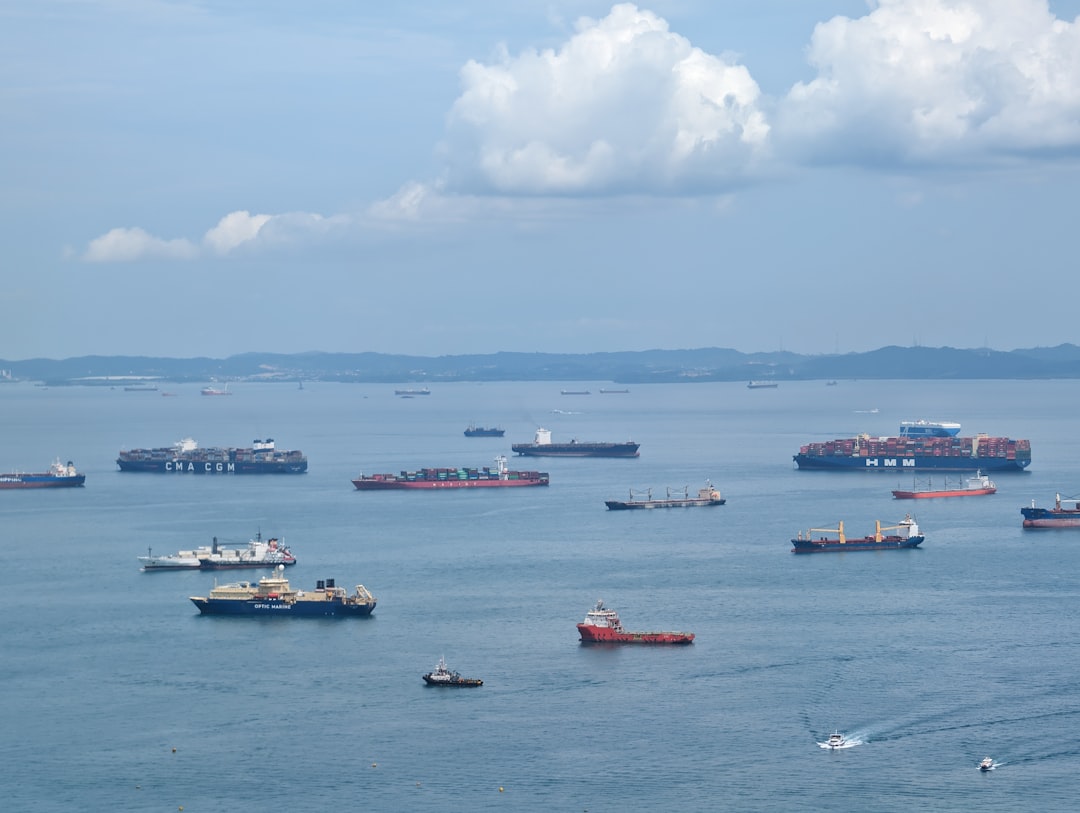
The global arteries of maritime trade, vital conduits for the movement of goods and resources, are increasingly encountering significant bottlenecks. These disruptions, whether stemming from geopolitical tensions, infrastructure limitations, or environmental factors, carry substantial implications for food security worldwide. Understanding the intricate web of challenges within maritime trade and their ripple effects on the availability, accessibility, and affordability of food is paramount in developing effective mitigation strategies.
Maritime transport remains the backbone of international commerce, responsible for an overwhelming percentage of the world’s trade volume. For food products, this reliance is even more pronounced. Vast quantities of grains, oils, meats, fruits, and vegetables traverse oceans annually, connecting producers in one continent with consumers in another. This system, honed over decades, allows for specialization, economies of scale, and the distribution of diverse food items to regions that cannot produce them in sufficient quantities.
The Scale of Maritime Food Transport
Oceans facilitate the movement of food commodities on an unprecedented scale. Container ships, bulk carriers, and specialized vessels transport millions of tons of food products each year. This efficient, albeit complex, network allows for food to be grown where it is most cost-effective and then distributed globally, contributing to a more varied and arguably more stable food supply than purely localized production could achieve. The sheer volume and global reach of this system underscore its indispensable nature for contemporary food security.
Interdependence and Specialization
Modern food systems are characterized by a high degree of interdependence. Certain regions specialize in the production of specific crops or livestock due to favorable climate, soil conditions, or established expertise. For example, Brazil is a major exporter of soybeans, Argentina of wheat, and the United States of corn. These specialized production hubs rely heavily on maritime routes to export their surplus and import other food items they do not produce. This global specialization, enabled by maritime trade, has historically contributed to increased food availability and reduced prices for consumers.
The Economic Drivers of Maritime Food Trade
Economic principles, such as comparative advantage and economies of scale, drive the extensive use of maritime trade for food. Shipping companies can transport large volumes of goods at a lower per-unit cost compared to other modes of transport. This cost-effectiveness translates into more affordable food prices for consumers in importing nations. Furthermore, the ability to access global markets incentivizes agricultural producers to invest in increased production, further contributing to global food supply.
Recent discussions surrounding maritime trade bottlenecks have highlighted significant implications for global food security. An insightful article that delves into this pressing issue can be found at MyGeoQuest, where it explores how delays in shipping and logistical challenges can exacerbate food shortages and increase prices worldwide. As supply chains continue to face disruptions, understanding the interconnectedness of maritime trade and food availability becomes increasingly crucial for policymakers and consumers alike.
Identifying the Primary Maritime Trade Bottlenecks
The efficiency of maritime trade is not a given; it is a delicate balance susceptible to various disruptions. Understanding the nature and origin of these bottlenecks is the first step towards addressing their detrimental impact on food security. These challenges are multifaceted, encompassing infrastructure, geopolitical factors, and operational complexities.
Congestion at Ports and Terminals
Port congestion is a recurring and significant bottleneck. This occurs when the volume of arriving ships exceeds the capacity of a port to unload cargo, process it, and reload outgoing vessels. Factors contributing to this include labor shortages, outdated infrastructure, insufficient equipment, and inefficient cargo handling procedures. The sheer volume of global trade, coupled with sudden surges in demand or supply chain disruptions elsewhere, can quickly overwhelm port capacity.
Causes of Port Congestion
- Insufficient Infrastructure: Many ports, especially in developing nations, lack the deep-water berths, advanced cranes, and sufficient warehousing space needed to handle modern mega-ships and high cargo volumes.
- Labor Disruptions: Strikes by dockworkers, port operators, or truckers can halt operations for extended periods, leading to significant backlogs.
- Inland Transportation Deficiencies: Even if cargo is unloaded at a port, delays in its onward transportation via rail or road can create a backlog of containers on the docks, effectively jamming the port.
- Equipment Shortages: A lack of sufficient containers, chassis for trucks, or specialized handling equipment can impede the flow of goods.
Maritime trade bottlenecks have increasingly become a concern for global food security, as delays in shipping can lead to shortages and price spikes for essential commodities. A recent article highlights the interconnectedness of these issues, emphasizing how disruptions in supply chains can exacerbate food insecurity in vulnerable regions. For more insights on this critical topic, you can read the full article here. Understanding these dynamics is essential for policymakers and stakeholders aiming to mitigate risks associated with maritime trade and ensure a stable food supply.
Geopolitical Tensions and Trade Wars
Geopolitical instability is a potent disruptor of maritime trade. Conflicts, trade disputes between nations, and the imposition of sanctions can directly impact shipping routes, access to crucial ports, and the cost of transportation. The weaponization of trade, through tariffs and export/import restrictions, can create uncertainty and fragment global supply chains.
Impact of Navigational Chokepoints
- Strait of Hormuz: This narrow waterway between the Persian Gulf and the Gulf of Oman is a critical transit route for oil and other commodities. Any disruption here, due to regional conflicts or political tensions, can have far-reaching economic consequences, including impacting food and energy prices.
- Suez Canal: A vital artery connecting the Mediterranean Sea to the Red Sea, the Suez Canal facilitates trade between Europe and Asia. Blockages, such as the Ever Given incident in 2021, demonstrate the vulnerability of this chokepoint and its capacity to create massive global shipping delays.
- Panama Canal: Crucial for trade between the Atlantic and Pacific Oceans, the Panama Canal faces capacity limitations and potential disruptions due to climate change-induced water shortages, impacting the flow of goods between the Americas and beyond.
Shipping Capacity and Container Shortages
The availability of shipping vessels and containers is fundamental to maritime trade. Fluctuations in demand, port congestion, and imbalances in trade flows can lead to shortages of both. When containers are not returned to their origin points in a timely manner due to delays, it creates a scarcity of available units for exporters, driving up shipping costs.
Fluctuations in Shipping Demand
- Seasonal Variations: Demand for food imports and exports can fluctuate seasonally, putting pressure on shipping capacity during peak periods.
- Consumer Spending Shifts: Changes in global consumer spending patterns, influenced by economic conditions or events like pandemics, can lead to unexpected surges or drops in demand for certain goods, impacting shipping schedules and availability.
Regulatory and Bureaucratic Hurdles
Beyond physical infrastructure and geopolitical issues, complex and inconsistent regulatory frameworks can also hinder the smooth flow of maritime trade. Varying customs procedures, import/export licenses, and sanitary and phytosanitary regulations across different countries can create delays and increase the cost of doing business.
Challenges of Customs and Documentation
- Varied National Regulations: Each country has its own set of import/export laws, customs duties, and documentation requirements. Navigating these can be time-consuming and prone to errors, leading to delays and increased administrative costs.
- Compliance with Food Safety Standards: Adhering to a multitude of international and national food safety, labeling, and packaging standards is essential for food commodities. Non-compliance can result in cargo rejection, spoilage, and financial losses.
Implications of Maritime Bottlenecks for Food Security
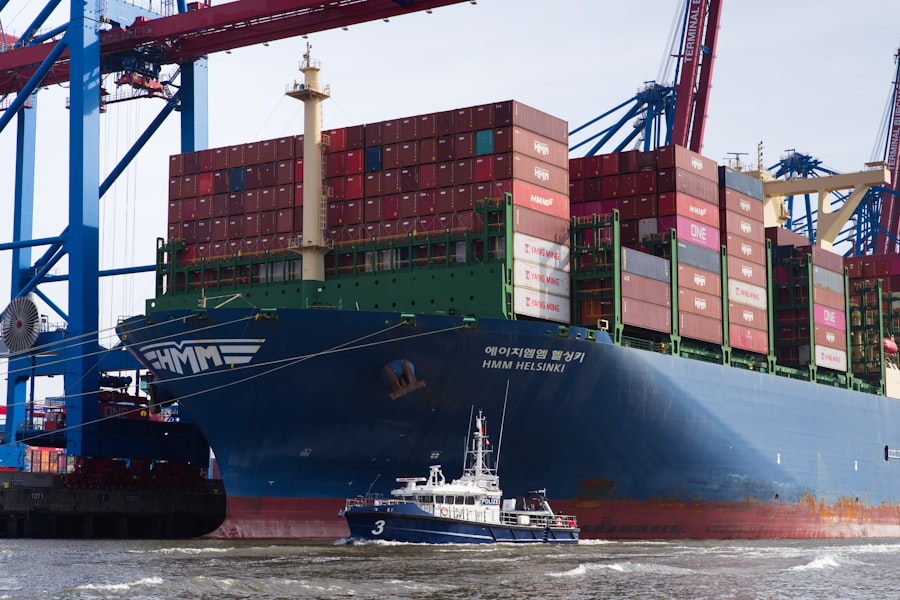
The consequences of these maritime trade bottlenecks extend far beyond the shipping industry. They directly impact the fundamental pillars of food security: availability, accessibility, and affordability. Vulnerable populations, particularly in import-dependent nations, are disproportionately affected.
Impact on Food Availability
Disruptions in maritime trade directly affect the timely and consistent supply of food. When vessels are delayed or rerouted, food shipments can arrive late or not at all, leading to shortages in domestic markets. Perishable goods are particularly vulnerable, with increased transit times leading to spoilage and substantial economic losses for producers and distributors, ultimately reducing the amount of food that reaches consumers.
Reduced Supply of Essential Commodities
- Grain and Cereal Shortages: Major food import nations rely on bulk carriers for grains like wheat and rice. Delays in these shipments can lead to immediate shortages, impacting staple diets.
- Loss of Perishable Goods: Fruits, vegetables, and dairy products have short shelf lives and are highly susceptible to spoilage during extended transit times or if refrigerated supply chains are broken. This leads to direct food loss.
Compromised Food Accessibility
Even if food is available globally, accessibility is hindered when transportation costs skyrocket. Increased shipping rates and surcharges are often passed on to consumers, making imported food prohibitively expensive for low-income households and nations. This can lead to reduced dietary diversity and increased reliance on less nutritious local alternatives, if available.
Rising Import Costs and Affordability
- Increased Consumer Prices: When shipping costs rise, retailers pass these increases onto consumers through higher food prices. This disproportionately impacts the poorest segments of the population who spend a larger percentage of their income on food.
- Reduced Purchasing Power: For nations heavily reliant on food imports, escalating transport costs can strain national budgets and reduce the overall purchasing power of their citizens, leading to food insecurity.
Exacerbation of Global Food Price Volatility
The cumulative effect of maritime bottlenecks is increased volatility in global food prices. Supply chain disruptions create uncertainty, prompting speculation and driving up prices. This unpredictability makes it difficult for governments and aid organizations to plan food procurement and distribution, further compounding the challenges of ensuring consistent food supplies.
The Role of Speculation in Price Fluctuations
- Market Uncertainty: When the global supply chain is perceived as unstable, market participants may engage in speculative buying or hoarding of commodities, further distorting prices and creating artificial scarcities.
- Impact on Aid and Humanitarian Efforts: Price volatility makes it harder for organizations like the World Food Programme to procure food aid effectively, as budgets become strained by constantly fluctuating market prices.
Specific Vulnerabilities of Developing Nations
Developing countries, often heavily reliant on food imports and lacking robust domestic production capacities or diversified import sources, are particularly vulnerable to maritime trade disruptions. Their limited foreign exchange reserves make them less able to absorb the increased costs associated with higher shipping rates and volatile commodity prices.
Dependence on Imported Staples
- Reliance on Cereal Imports: Many low-income countries depend on imported cereals to feed their populations. Any interruption to these supplies can have immediate and severe consequences.
- Limited Diversification of Trade Partners: Countries with fewer trade partners are more exposed when a primary supplier or transit route is disrupted.
Strategies for Mitigating Maritime Trade Bottlenecks and Enhancing Food Security
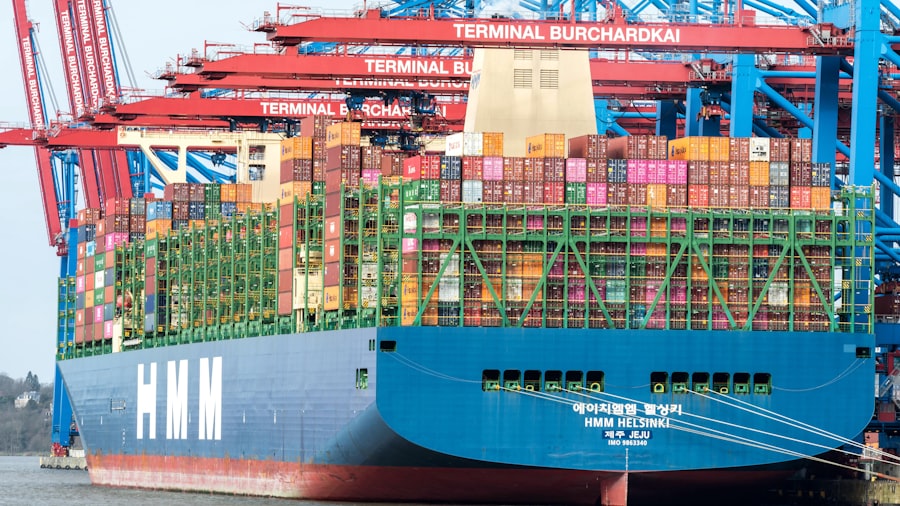
Addressing the challenges posed by maritime trade bottlenecks requires a multi-pronged approach. This involves enhancing infrastructure, fostering international cooperation, and building resilience within food supply chains. No single solution will suffice; a comprehensive strategy is necessary.
Investing in Port Infrastructure and Technology
Upgrading port facilities is crucial for improving efficiency and increasing capacity. This includes deepening harbors, expanding container yards, investing in modern cargo-handling equipment, and implementing advanced terminal operating systems that optimize vessel scheduling and cargo flow.
Modernization of Port Operations
- Automation and Digitalization: Implementing automated systems for container handling, yard management, and gate operations can significantly reduce turnaround times for vessels and trucks.
- Improved Data Sharing and Communication: Enhanced communication platforms between ports, shipping lines, and inland logistics providers can facilitate better planning and reduce information silos that cause delays.
Strengthening International Cooperation and Trade Agreements
Diplomacy and collaboration are essential to address the geopolitical dimensions of trade disruptions. Harmonizing regulations, reducing bureaucratic hurdles, and establishing clear protocols for managing chokepoint vulnerabilities can foster greater predictability and resilience in maritime trade.
Streamlining Customs and Regulatory Processes
- Digitalization of Trade Documentation: Moving towards fully digital customs declarations and trade facilitation platforms can reduce the time and paperwork involved in international shipments.
- Mutual Recognition of Standards: Agreements to recognize each other’s sanitary and phytosanitary standards or certification processes can reduce delays and costs for food exporters.
Diversifying Shipping Routes and Supply Chains
Reducing reliance on single routes or suppliers is a defensive strategy against disruptions. Exploring alternative shipping lanes, developing new port infrastructure, and fostering trade relationships with a wider range of countries can provide greater flexibility in the face of unforeseen events.
Building Supply Chain Resilience
- Nearshoring and Reshoring: While not always feasible for bulk commodities, the trend towards nearshoring or reshoring certain food processing or production activities can reduce long-distance transport reliance.
- Developing Regional Trade Hubs: Investing in and expanding regional logistics hubs can facilitate more localized distribution and reduce the pressure on long-haul maritime routes for certain food items.
Enhancing Food Storage and Domestic Production Capacity
While improving maritime trade efficiency is crucial, strengthening domestic food systems offers a complementary approach. Investing in improved agricultural practices, storage infrastructure, and processing facilities can reduce reliance on imports and buffer against external shocks.
Reducing Dependence on Imports
- Investment in Agricultural Technology: Supporting farmers with access to technology, improved seeds, and irrigation can boost domestic yields and reduce the need for imports.
- Developing Cold Chain Infrastructure: Investing in refrigerated warehousing and transport domestically can reduce post-harvest losses and improve the availability of fresh produce.
The interconnectedness of global food systems with maritime trade is undeniable. As the world grapples with an increasing number of localized and global shocks, the resilience of maritime trade infrastructure and the responsiveness of global trade policies will be critical determinants of food security for millions. Proactive investment, robust international cooperation, and a commitment to diversifying supply chains are not merely logistical considerations but essential components of ensuring a stable and accessible food future for all.
FAQs
What are maritime trade bottlenecks?
Maritime trade bottlenecks refer to points along shipping routes where congestion, delays, or other obstacles hinder the smooth flow of goods through ports or waterways. These bottlenecks can be caused by a variety of factors, including natural phenomena, infrastructure limitations, or geopolitical tensions.
How do maritime trade bottlenecks impact food security?
Maritime trade bottlenecks can have a significant impact on food security by disrupting the timely delivery of food supplies. When goods are delayed or unable to reach their destination, it can lead to shortages, price spikes, and decreased access to essential food items for communities that rely on imported goods.
What are some examples of maritime trade bottlenecks around the world?
Examples of maritime trade bottlenecks include the Suez Canal, which experienced a significant disruption in 2021 when a large container ship became lodged in the waterway, blocking traffic for several days. Other examples include congested ports, narrow shipping lanes, and geopolitical tensions that can impact trade routes.
How can maritime trade bottlenecks be mitigated?
Efforts to mitigate maritime trade bottlenecks can include investments in infrastructure improvements, such as expanding port capacity or improving navigation channels. Additionally, international cooperation and diplomatic efforts can help address geopolitical tensions that contribute to trade disruptions.
What are the long-term implications of maritime trade bottlenecks on food security?
Long-term implications of maritime trade bottlenecks on food security can include increased vulnerability to supply chain disruptions, higher costs for imported goods, and the need for countries to diversify their food sources or invest in domestic food production to reduce reliance on international trade.