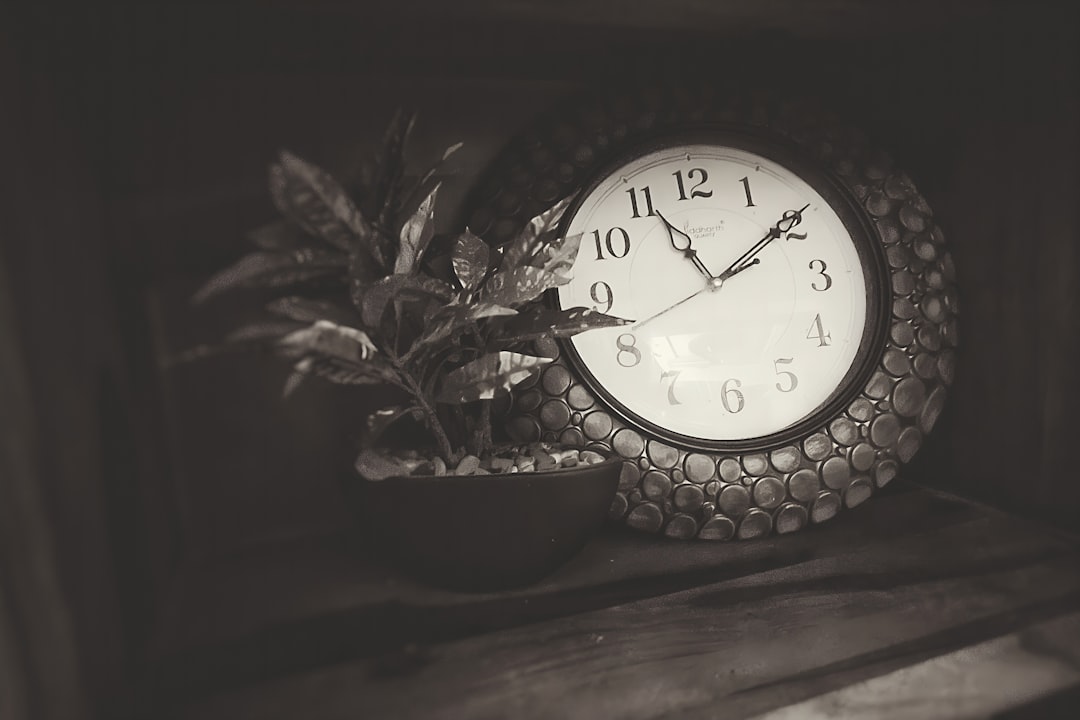
The concept of time has long fascinated artists, serving as both a subject and a medium through which they express their thoughts and emotions. Time, an abstract yet omnipresent force, influences every aspect of human life, and artists have sought to capture its essence in myriad ways. From the fleeting moments of a sunset to the slow decay of an aging figure, the representation of time in art invites viewers to reflect on their own experiences and perceptions.
This exploration of time transcends mere chronology; it delves into the philosophical implications of existence, memory, and change. Artistic interpretations of time can evoke a range of emotions, from nostalgia to urgency. By manipulating various elements such as composition, movement, light, and symbolism, artists create works that resonate with the viewer’s understanding of time.
The ability to convey the passage of time or to freeze a moment in eternity is a powerful tool in an artist’s arsenal. As they navigate this complex theme, artists not only challenge the viewer’s perception but also invite them to engage in a dialogue about the nature of time itself.
Key Takeaways
- Time in art is a complex and multifaceted concept that can be explored through various artistic elements.
- Composition plays a crucial role in conveying the passage of time and creating a sense of movement in art.
- Depicting movement and action in art requires careful attention to detail and a deep understanding of the human form and dynamics.
- Light and shadow are powerful tools for creating a sense of time and atmosphere in art, adding depth and dimension to the artwork.
- Symbolism and metaphor are effective means of conveying the abstract concept of time in art, allowing for deeper interpretation and emotional resonance.
Using Composition to Convey Time
Composition plays a pivotal role in how time is perceived within a work of art. The arrangement of elements within a piece can suggest movement through space and time, guiding the viewer’s eye and influencing their emotional response. For instance, a diagonal line can create a sense of dynamism and urgency, while horizontal lines may evoke stability and calmness.
Artists often employ these compositional techniques to manipulate the viewer’s experience of time, leading them through a narrative or allowing them to linger on specific moments. In addition to line and form, the use of space within a composition can also convey temporal themes. A crowded scene may suggest a bustling moment in time, filled with activity and life, while an empty landscape can evoke solitude and reflection.
By thoughtfully arranging elements within their work, artists can create a visual timeline that captures the essence of a particular moment or the broader passage of time. This intentionality in composition not only enhances the narrative quality of the artwork but also deepens the viewer’s engagement with the concept of time.
Depicting Movement and Action in Art

Movement is an essential aspect of depicting time in art, as it embodies the very essence of change and progression. Artists have long sought to capture the dynamism of life through various techniques that suggest motion. Whether through the fluid lines of a dancer’s body or the energetic brushstrokes of a stormy sky, the representation of movement allows viewers to experience a moment that is both transient and eternal.
This interplay between stillness and motion creates a tension that invites contemplation on the nature of time itself. One effective method for conveying movement is through sequential imagery, where multiple frames or stages are presented within a single composition. This technique can be seen in works such as those by Eadweard Muybridge, who famously captured the motion of a galloping horse through a series of photographs.
By presenting these sequential moments together, artists can create a visual narrative that encapsulates the passage of time in a way that feels immediate and visceral. Such depictions not only highlight the physicality of movement but also evoke an emotional response as viewers are drawn into the unfolding action.
Utilizing Light and Shadow to Create a Sense of Time
| Technique | Effect |
|---|---|
| Low Key Lighting | Creates a sense of mystery and suspense |
| High Key Lighting | Evokes a feeling of happiness and positivity |
| Chiaroscuro | Emphasizes the contrast between light and shadow to depict dramatic scenes |
| Golden Hour | Enhances the warmth and nostalgia of a scene |
Light and shadow are powerful tools in an artist’s repertoire for conveying the passage of time. The way light interacts with objects can evoke different times of day, seasons, or even emotional states. For instance, the warm glow of golden hour light can suggest nostalgia or tranquility, while harsh midday sunlight may evoke clarity or urgency.
By manipulating light within their compositions, artists can create atmospheres that resonate with specific temporal themes. Moreover, shadows can serve as metaphors for time itself—representing both its fleeting nature and its permanence. The elongation or shortening of shadows throughout the day reflects the sun’s journey across the sky, symbolizing the inexorable passage of time.
Artists like Caravaggio and Rembrandt masterfully employed chiaroscuro techniques to create dramatic contrasts between light and dark, enhancing their works’ emotional depth while simultaneously grounding them in a specific temporal context. Through these explorations of light and shadow, artists invite viewers to consider not only what is visible but also what lies beyond—echoing the complexities inherent in our understanding of time.
Symbolism and Metaphor in Depicting Time
Symbolism plays a crucial role in how artists convey concepts related to time. Objects or motifs imbued with meaning can serve as powerful metaphors for temporal themes, allowing artists to communicate complex ideas succinctly. For example, an hourglass is often used to symbolize the passage of time, while wilting flowers may represent mortality and decay.
These symbols resonate deeply with viewers, evoking personal reflections on their own experiences with time. In addition to traditional symbols, contemporary artists often explore innovative metaphors that challenge conventional understandings of time. For instance, some may use repetitive patterns or cyclical forms to suggest the idea of time as non-linear or cyclical rather than strictly chronological.
This approach encourages viewers to reconsider their perceptions of past, present, and future—inviting them into a more fluid understanding of temporal existence. Through these symbolic explorations, artists create layers of meaning that enrich their work and engage viewers on multiple levels.
Incorporating Historical and Cultural References
The depiction of time in art is often intertwined with historical and cultural contexts that shape how individuals perceive temporal concepts.
By referencing significant occurrences or traditions, they create connections between their art and broader societal understandings of time.
For instance, works that depict historical figures or events can serve as reminders of how past actions continue to influence present realities. Artists like Pablo Picasso utilized historical references in his work “Guernica,” which powerfully conveys the horrors of war while simultaneously commenting on the cyclical nature of violence throughout history. Similarly, cultural rituals or celebrations depicted in art can highlight how communities mark the passage of time through shared experiences.
By incorporating these references into their work, artists not only enrich their narratives but also invite viewers to engage with their own cultural histories and temporal understandings.
Experimenting with Different Mediums and Techniques
The exploration of time in art is not limited to traditional mediums; artists continually experiment with various materials and techniques to convey temporal themes more effectively. From painting and sculpture to digital media and installation art, each medium offers unique possibilities for representing time. For example, video art allows for dynamic storytelling that unfolds over time, enabling artists to explore concepts such as duration and change in ways that static forms cannot.
Moreover, mixed media approaches can create layered experiences that reflect the complexity of time itself. By combining different materials—such as photography, painting, and found objects—artists can create works that resonate with multiple temporalities simultaneously. This experimentation encourages viewers to engage with the artwork on different levels, prompting them to consider how various elements interact to convey a cohesive narrative about time.
Exploring the Concept of Timelessness in Art
While many artists focus on depicting the passage of time, others delve into the concept of timelessness—seeking to capture moments that transcend temporal boundaries. Timelessness in art often evokes feelings of universality and permanence, inviting viewers to connect with experiences that resonate across generations. This exploration challenges conventional notions of time by suggesting that certain emotions or truths remain constant despite changing contexts.
Artists like Claude Monet have created works that embody this idea through their exploration of nature’s beauty—capturing fleeting moments while simultaneously evoking a sense of eternal presence. The impressionistic style allows for an emotional resonance that feels both immediate and timeless, inviting viewers to reflect on their own relationship with nature and existence. By engaging with timeless themes, artists encourage contemplation on what it means to be human within the continuum of time.
Depicting the Aging Process and the Passage of Time
The aging process serves as one of the most poignant representations of time in art. Artists have long explored themes related to aging—depicting both physical transformations and emotional experiences associated with growing older. Through portraits or figurative works, they capture not only the visible signs of aging but also the wisdom and depth that come with lived experience.
In works such as Rembrandt’s self-portraits, viewers witness an intimate exploration of aging as he documents his own physical changes over decades. These portraits serve as reflections on mortality while simultaneously celebrating the richness of life experiences accumulated over time. Similarly, contemporary artists may address aging through innovative approaches—using mixed media or installation art to challenge societal perceptions surrounding youthfulness and beauty.
By confronting these themes head-on, artists invite viewers to engage with their own understanding of aging and its implications for identity.
Capturing the Essence of Time in Still Life and Landscape
Still life and landscape paintings offer unique opportunities for artists to explore temporal themes through composition and subject matter. In still life works, objects are often arranged deliberately to evoke specific emotions or narratives related to time—such as decay or abundance. The careful selection of items can symbolize transience or permanence, inviting viewers to reflect on their own relationships with material possessions and mortality.
Landscapes also serve as powerful representations of time—capturing changes in seasons or weather patterns that reflect broader cycles within nature. Artists like Caspar David Friedrich utilized landscapes to evoke feelings of nostalgia while simultaneously addressing humanity’s relationship with nature over time. By depicting landscapes at different times of day or during various seasons, they create visual narratives that resonate with viewers’ experiences while inviting contemplation on humanity’s place within the natural world.
The Endless Possibilities of Depicting Time in Art
The exploration of time in art is an expansive field filled with endless possibilities for expression and interpretation. Through various techniques—composition, movement, light, symbolism, historical references—artists have crafted works that resonate deeply with viewers’ understanding of temporal concepts. Whether capturing fleeting moments or delving into timeless themes, these artistic endeavors invite contemplation on existence itself.
As artists continue to experiment with different mediums and approaches, they challenge conventional notions surrounding time—encouraging audiences to engage with their own perceptions while reflecting on broader societal narratives. Ultimately, the depiction of time in art serves as a powerful reminder that while moments may pass swiftly away from us, their essence can be captured eternally through creative expression—a testament to humanity’s enduring quest for meaning within the continuum of existence.
When illustrating the passage of time in art, it’s essential to consider various techniques that can effectively convey this concept to the viewer. One approach is to use visual metaphors, such as the changing of seasons or the progression of a day from dawn to dusk. For those interested in exploring more about how to depict time in creative works, a related article can be found on MyGeoQuest’s website. This article delves into different artistic methods and provides insights into how artists can represent time in their work. You can read more about these techniques by visiting the following link: MyGeoQuest Sample Page.
WATCH NOW! Drake Passage: Earth’s Deadliest Waters Revealed
FAQs
What is the passage of time in drawing?
The passage of time in drawing refers to the technique of visually representing the passing of time within a single image. This can be achieved through various artistic elements such as motion lines, changes in lighting, and the depiction of movement.
How can I convey the passage of time in my drawings?
To convey the passage of time in your drawings, you can use techniques such as blurring, fading, overlapping, and adding motion lines to create a sense of movement and progression. Additionally, changes in lighting, shadows, and the positioning of objects can also help to convey the passage of time.
What are some tips for drawing the passage of time?
Some tips for drawing the passage of time include studying real-life examples of movement and motion, practicing different techniques such as blurring and overlapping, and experimenting with different artistic elements to convey the passage of time effectively.
Are there specific drawing tools or materials that are helpful for depicting the passage of time?
While there are no specific tools or materials required for depicting the passage of time in drawings, using mediums such as pencils, charcoal, and ink can allow for greater control and precision when creating motion and movement within an image. Additionally, digital drawing tools and software can also offer a wide range of options for conveying the passage of time.
Can the passage of time be depicted in different art styles?
Yes, the passage of time can be depicted in various art styles, including realism, impressionism, abstract, and more. Each art style offers unique opportunities for conveying the passage of time through different techniques and visual elements.