Implementing Environmental Triage in the Caspian Sea
The Caspian Sea, a vast inland body of water straddling continents, faces a complex web of environmental challenges. Decades of industrial development, resource extraction, and the introduction of invasive species have left their mark, threatening the delicate ecological balance that sustains its unique biodiversity and unique economic potential. In this context, the concept of environmental triage, a systematic approach to prioritizing and allocating limited resources to address the most urgent environmental threats, emerges as a crucial framework for effective conservation and sustainable management. This article will explore the necessity and challenges of implementing environmental triage in the Caspian Sea, outlining key areas of focus and suggesting pathways for its successful adoption.
The concept of triage, originating in battlefield medicine, involves categorizing casualties based on the severity of their injuries and the likelihood of survival, thereby directing limited medical resources to those who can benefit most. Applying this principle to environmental management allows for a strategic, albeit difficult, approach to conservation. Rather than attempting to tackle every environmental problem with the same intensity and resources, environmental triage encourages a prioritization based on criteria such as ecological significance, urgency of threat, feasibility of intervention, and potential for long-term benefit. It acknowledges that resources – financial, human, and technological – are finite, and that a focused approach is often more effective than a diffuse one that risks spreading efforts too thinly. For the Caspian Sea, this means moving beyond broad-brush initiatives to targeted interventions that can make a tangible difference.
The Caspian Sea is not a monolithic entity but a mosaic of interconnected ecosystems, each facing distinct pressures. Understanding the severity and interconnectedness of these pressures is the foundational step in any triage process. A comprehensive assessment is required to map out the extent of degradation and identify the most critical points of intervention. This assessment must be data-driven, drawing on decades of scientific research and monitoring.
Coastal Zone Degradation
The coastal regions of the Caspian Sea are often the most heavily impacted by human activities. Industrial zones, port infrastructure, agricultural runoff, and urban wastewater discharge all contribute to the pollution of these vital areas.
Pollution Hotspots
Identifying specific areas with high concentrations of pollutants, such as heavy metals, hydrocarbons, and persistent organic pollutants, is paramount. These hotspots can significantly impact local biodiversity and pose risks to human health. For example, the northern Caspian, particularly the Volga River delta, has historically been a recipient of industrial and agricultural discharges, leading to eutrophication and oxygen depletion.
Habitat Loss and Fragmentation
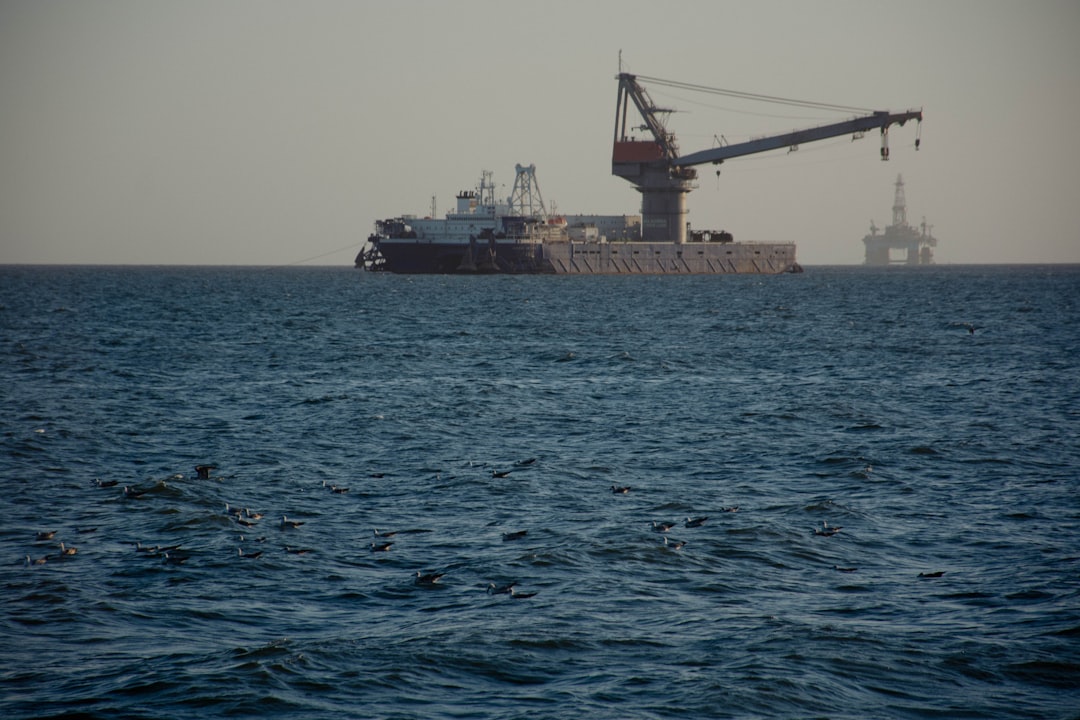
Coastal development often leads to the destruction and fragmentation of critical habitats like wetlands, salt marshes, and shallow bays. These areas are crucial breeding grounds, nursery grounds, and feeding areas for numerous species, including fish, birds, and invertebrates. The expansion of oil and gas infrastructure along the Azerbaijani and Turkmen coastlines has directly resulted in habitat loss.
Water Quality Deterioration
Beyond localized pollution hotspots, the overall water quality of the Caspian Sea is a significant concern. Factors such as reduced river flows, agricultural runoff, and the discharge of untreated wastewater contribute to a decline in water quality across the basin.
Eutrophication and Hypoxia
The influx of nutrients, primarily from agricultural fertilizers and wastewater, can lead to eutrophication. Excessive nutrient enrichment fuels algal blooms, which upon decomposition, consume dissolved oxygen, creating hypoxic or anoxic zones. These “dead zones” are lethal to many aquatic organisms. The southern Caspian, influenced by runoff from the Kura and Aras rivers, has also experienced increasing eutrophication.
Salinity Changes
Changes in river inflow due to upstream dam construction and altered precipitation patterns can lead to significant fluctuations in salinity. These shifts can stress endemic species adapted to specific salinity ranges and favor the proliferation of invasive species. The closure of the Sarakamysh Lake outflow in Turkmenistan, for instance, potentially impacted salinity in certain southern areas.
Biodiversity Threats
The Caspian Sea is a global biodiversity hotspot, home to unique species such as the Caspian seal, sturgeon, and a rich assemblage of endemic fish. These species are facing unprecedented threats from habitat degradation, pollution, and overfishing.
Sturgeon Decline
The iconic sturgeon populations of the Caspian Sea have been decimated by a combination of factors, including overfishing for caviar, habitat loss due to dam construction on their spawning rivers, and pollution. Without targeted conservation efforts, the future of these ancient fish is precarious. The impact of illegal fishing remains a significant challenge in their recovery.
Invasive Species Impacts
The introduction of non-native species, such as the comb jelly Mnemiopsis leidyi, has had devastating consequences for the Caspian ecosystem. These invasive predators can outcompete native species for food resources and disrupt the food web. The spread of Mnemiopsis leidyi in the 1990s caused a dramatic collapse in zooplankton populations, impacting fish stocks, including the valuable anchovy (kilka).
Endemic Species Vulnerability
Many species endemic to the Caspian Sea have narrow ecological niches and are particularly vulnerable to environmental changes. Their limited geographic range and specialized requirements make them susceptible to even minor environmental shifts. The Caspian seal, for instance, relies on sea ice for pupping, making it vulnerable to climate change impacts.
In exploring the environmental challenges facing the Caspian Sea, a related article discusses innovative triage strategies aimed at preserving its unique ecosystem. The article highlights various approaches to mitigate pollution and overfishing while promoting sustainable development in the region. For more insights on this topic, you can read the full article at My GeoQuest.
Establishing Triage Criteria: A Framework for Prioritization
Once the significant environmental threats are identified, a robust set of criteria is needed to guide the allocation of resources. This is where the “triage” aspect becomes critical, demanding impartial and scientifically grounded decision-making.
Ecological Significance
This criterion evaluates the importance of a particular ecosystem or species to the overall health and functioning of the Caspian Sea.
Keystone Species and Ecosystems
Prioritizing the protection of species or habitats that play a disproportionately large role in maintaining ecological integrity. Keystone species, like the Caspian seal, or critical habitats, such as the Volga River delta, would rank high.
Biodiversity Hotspots
Identifying and protecting areas with high species richness and endemism. These areas act as crucial reservoirs of biodiversity. Areas within the northern Caspian with high fish diversity, for instance, warrant special consideration.
Urgency of Threat
This criterion assesses the immediacy and severity of the threat to a particular ecosystem or species.
Extinction Risk
Giving highest priority to species or habitats facing imminent threat of extinction or irreversible collapse. The critically endangered status of several sturgeon species necessitates immediate and intense conservation action.
Tipping Points
Identifying ecosystems that are approaching critical thresholds beyond which recovery may become impossible. For example, accelerated desertification in deltas could represent such a tipping point.
Feasibility of Intervention
This criterion considers the likelihood of successful intervention and the practicality of implementing conservation measures.
Cost-Effectiveness
Evaluating the potential return on investment for different conservation actions. Some interventions may be highly effective but prohibitively expensive.
Political and Social Will
Assessing the level of commitment and support from governments, local communities, and international organizations. Projects lacking broad stakeholder buy-in are less likely to succeed.
Potential for Long-Term Benefit
This criterion considers the lasting positive impact of conservation efforts.
Ecosystem Resilience
Prioritizing interventions that enhance the ability of the ecosystem to withstand future disturbances and adapt to environmental change. Restoring wetlands can improve water quality and buffer against storm surges, enhancing resilience.
Socio-Economic Co-benefits
Considering interventions that offer parallel benefits for local communities, such as sustainable livelihoods derived from healthy fisheries.
Implementing Triage in Practice: Challenges and Opportunities

Translating the principles of environmental triage into practical action within the Caspian Sea basin presents a unique set of challenges, stemming from the region’s complex geopolitical landscape and differing national priorities.
Cross-Border Cooperation
The Caspian Sea is bordered by five nations: Azerbaijan, Iran, Kazakhstan, Russia, and Turkmenistan. Effective environmental management, and thus effective triage, necessitates robust cooperation and agreement among these riparian states.
Harmonizing National Policies
Divergent environmental regulations and enforcement capacities across countries can hinder coordinated conservation efforts. A unified approach is essential to prevent some nations from becoming “pollution havens” or undermining regional conservation goals.
Data Sharing and Joint Monitoring
Establishing standardized monitoring protocols and fostering open data sharing among the five Caspian states is crucial for a comprehensive understanding of the basin’s environmental status and for evaluating the effectiveness of triage interventions. The Caspian Sea Environment Programme (CSTEP) has been a platform for such collaboration, but its impact can be amplified.
Resource Allocation and Funding
Implementing a rigorous triage system requires significant financial and human resources. Securing adequate and sustained funding is a major hurdle.
Mobilizing International Funding
Attracting investment from international donors and development banks is often necessary. This requires presenting clear, well-defined projects with demonstrable impact, which a triage approach can facilitate.
Public-Private Partnerships
Encouraging private sector involvement through corporate social responsibility initiatives and sustainable business practices can augment public funding. For instance, oil and gas companies can invest in habitat restoration as part of their environmental mitigation strategies.
Scientific Capacity and Data Gaps
While significant research has been conducted on the Caspian Sea, there remain considerable data gaps and a need for enhanced scientific capacity within the region.
Strengthening Research Institutions
Investing in the training of scientists and equipping research institutions with modern technologies is vital for accurate environmental assessments and effective monitoring.
Addressing Data Deficiencies
Focusing research efforts on priority areas identified through the triage process can help fill critical data gaps more efficiently. This could mean prioritizing research on the impact of microplastics in specific coastal areas or assessing the population dynamics of vulnerable endemic fish species.
Prioritized Intervention Areas Identified Through Triage
Based on the potential application of environmental triage principles, several key intervention areas emerge as critical for the future health of the Caspian Sea.
Restoring Critical Habitats
The loss and degradation of coastal habitats have cascading negative effects on the entire ecosystem. Targeted restoration efforts can yield significant ecological benefits.
Wetland and Coastal Dune Restoration
Focusing resources on restoring degraded wetlands and coastal dune systems that act as natural filters, provide nursery grounds for fish, and protect coastlines from erosion. The restoration of wetland complexes within the Atyrau region of Kazakhstan, for example, could significantly improve water quality in the northern Caspian.
Fish Passage Restoration
Addressing barriers to fish migration, particularly for sturgeon, by improving fish passage at dams on their natal rivers. This is a labor-intensive but crucial intervention for species recovery.
Combating Pollution at Source
While downstream cleanup is important, preventing pollution from entering the Caspian Sea in the first place is a more effective and sustainable long-term strategy.
Upgrading Wastewater Treatment Infrastructure
Investing in the construction and upgrading of municipal and industrial wastewater treatment plants across the basin. This directly tackles the influx of nutrients and harmful chemicals causing eutrophication and water quality decline.
Implementing Stricter Industrial Emission Controls
Enforcing more stringent regulations on industrial discharges, particularly from oil and gas operations, to minimize the release of hydrocarbons and other pollutants into the marine environment.
Managing Invasive Species
The ecological and economic impacts of invasive species in the Caspian Sea are profound. While complete eradication is often impossible, managing their spread and mitigating their impacts is a critical triage objective.
Early Detection and Rapid Response Systems
Establishing systems for early detection of new invasive species introductions and developing rapid response plans to contain their spread. This requires robust monitoring and a coordinated strategy among the riparian states.
Biological Control and Mitigation Strategies
Exploring and implementing scientifically sound biological control methods or other mitigation strategies where feasible, while carefully assessing potential unintended consequences. This could involve research into natural predators of established invasive species.
In exploring the environmental challenges facing the Caspian Sea, it is essential to consider effective triage strategies that can mitigate the impact of pollution and habitat degradation. A related article discusses innovative approaches to address these pressing issues, highlighting the importance of collaborative efforts among neighboring countries. For more insights on this topic, you can read the article here: Caspian Sea Environmental Strategies. By implementing these strategies, stakeholders can work towards a sustainable future for this unique ecosystem.
The Future of Caspian Conservation: A Triage-Informed Approach
| Strategy | Objective | Key Metrics | Implementation Status | Impact on Environment |
|---|---|---|---|---|
| Pollution Control | Reduce industrial and agricultural pollutants entering the sea | Reduction in chemical oxygen demand (COD), heavy metals concentration, and nutrient levels | Ongoing | Improved water quality and reduced eutrophication |
| Oil Spill Response | Minimize damage from oil extraction and transportation accidents | Response time, volume of oil recovered, area affected by spills | Partially implemented | Decreased contamination of marine habitats |
| Habitat Restoration | Restore degraded coastal and marine ecosystems | Area of restored wetlands, biodiversity indices, fish population recovery | Planned | Enhanced biodiversity and ecosystem services |
| Fisheries Management | Ensure sustainable fish stocks and reduce overfishing | Fish stock biomass, catch per unit effort (CPUE), compliance rates | Ongoing | Stabilized fish populations and improved livelihoods |
| Monitoring and Research | Track environmental changes and inform policy decisions | Number of monitoring stations, frequency of data collection, published reports | Active | Better informed management and adaptive strategies |
The implementation of environmental triage in the Caspian Sea is not a panacea, but rather a pragmatic and necessary evolution in conservation strategy. It acknowledges the realities of limited resources and the complexity of ecological challenges. By moving towards a more targeted, data-driven, and collaborative approach to environmental protection, the five Caspian littoral states can better safeguard this invaluable natural heritage for future generations.
The Caspian Sea is a fragile jewel, and like any precious object, it requires careful and strategic stewardship. Environmental triage offers a pathway to ensure that our efforts to protect it are focused, effective, and ultimately successful. It is about making informed choices, prioritizing actions that will have the greatest impact, and building a future where the Caspian Sea can once again thrive. The success of this approach hinges on a collective commitment from all stakeholders to embrace this strategic shift.
FAQs
What are the main environmental issues affecting the Caspian Sea?
The Caspian Sea faces several environmental challenges including pollution from oil extraction and industrial activities, habitat degradation, declining fish populations, invasive species, and the impacts of climate change such as fluctuating water levels.
What does environmental triage mean in the context of the Caspian Sea?
Environmental triage refers to prioritizing and allocating limited resources and efforts to address the most critical environmental problems in the Caspian Sea, aiming to achieve the greatest positive impact on the ecosystem’s health and sustainability.
What strategies are commonly used in environmental triage for the Caspian Sea?
Strategies include identifying and targeting key pollution sources, protecting critical habitats, restoring degraded ecosystems, regulating fishing practices to prevent overexploitation, and implementing regional cooperation among Caspian littoral states for coordinated environmental management.
How do regional countries collaborate on Caspian Sea environmental protection?
The five littoral countries—Russia, Kazakhstan, Turkmenistan, Iran, and Azerbaijan—collaborate through agreements and organizations such as the Caspian Environment Programme to share data, coordinate pollution control measures, and develop joint conservation initiatives.
Why is it important to implement environmental triage strategies in the Caspian Sea?
Implementing environmental triage is crucial to efficiently address the most urgent ecological threats, preserve biodiversity, sustain fisheries and local livelihoods, and ensure the long-term health and economic benefits of the Caspian Sea region.