The Caspian Sea, a vast inland body of water bordered by five littoral states – Russia, Iran, Azerbaijan, Kazakhstan, and Turkmenistan – is a region of increasing strategic importance. For Russia, in particular, its naval presence in this unique maritime environment has seen a discernible and sustained growth in recent years. This expansion is not a sudden bloom but rather a carefully cultivated garden, tended with foresight and a clear objective: to solidify Moscow’s influence, secure its economic interests, and project power in a region that serves as a critical crossroads between Europe and Asia.
This article will delve into the multifaceted aspects of Russia’s burgeoning naval presence in the Caspian Sea, examining the drivers behind this resurgence, the capabilities of its modernized fleet, its operational doctrines, and the implications for the regional security landscape.
Historical Context: From Soviet Dominance to a Shifting Balance
The Caspian Sea’s maritime history is deeply intertwined with the Soviet Union’s vast naval power. During the Soviet era, the Caspian Flotilla was a formidable force, instrumental in projecting Moscow’s influence across the region and securing vital shipping lanes for oil and gas. Following the collapse of the Soviet Union in 1991, the equitable division of the Caspian’s resources and military assets among the newly independent states led to a period of relative naval dormancy. However, as regional economic and geopolitical dynamics shifted, Russia recognized the imperative to reassert its maritime authority. This was not a haphazard decision but a calculated move, akin to a chess player repositioning their pieces on the board, anticipating future moves and securing advantageous positions.
Geopolitical Stakes: Oil, Gas, and Regional Power Projection
The Caspian Sea is a treasure trove of hydrocarbons, holding significant reserves of oil and natural gas. Russia’s naval presence directly supports its interests in the exploration, extraction, and transportation of these vital resources. Control over maritime routes ensures the unimpeded flow of energy exports, a cornerstone of the Russian economy. Beyond economics, the Caspian is a theater for geopolitical maneuvering. Russia views its strengthened navy in the region as a crucial tool to counter the growing influence of other regional and global actors, and to maintain its preeminent position in the security architecture of its near abroad. The sea becomes a stage upon which Moscow seeks to perform its role as a key regional security provider, a narrative it diligently crafts through visible military might.
The Legacy of the Soviet Caspian Flotilla
The Soviet Caspian Flotilla was a significant naval formation, equipped with a diverse range of vessels, including cruisers, destroyers, and submarines. Its strategic importance lay in its ability to control access to the Volga-Don Canal, connecting the Caspian to the Black Sea and thus to the world’s oceans. While the post-Soviet era saw a decline in naval assets, the infrastructure and the strategic understanding of the Caspian’s importance remained ingrained in Russia’s military consciousness. The modern naval buildup can be seen as a revival and modernization of this historical legacy, adapting Soviet-era strategic imperatives to contemporary challenges and capabilities.
The increasing naval presence of Russia in the Caspian Sea has raised concerns among neighboring countries regarding regional security and maritime dominance. For a deeper understanding of the strategic implications of this naval buildup, you can read a related article that explores the geopolitical dynamics in the region. For more information, visit this article.
Modernization and Expansion of the Caspian Flotilla
A New Generation of Naval Assets: Strike Capabilities and Versatility
The cornerstone of Russia’s growing naval presence is the introduction of advanced and highly capable vessels. This is not merely an increase in sheer numbers, but a qualitative leap in firepower and operational effectiveness. Gone are many of the aging platforms of the Soviet era, replaced by modern warships designed for a new generation of warfare.
Missile Corvettes: The New Spearheads of the Flotilla
The Most significant additions to the Caspian Flotilla are its Buyan-M class missile corvettes. These vessels, though relatively small, pack a formidable punch. Their armament includes the Kalibr-NK cruise missile system, capable of striking targets at sea and on land with remarkable precision and range. These corvettes are the sharpest daggers in the modern Caspian Flotilla’s arsenal, capable of projecting power well beyond the horizon of the Caspian itself. Their presence fundamentally alters the tactical calculus for any potential adversary. The ability of these relatively smaller, more agile vessels to carry such potent weaponry signifies a shift in naval doctrine, emphasizing standoff strike capabilities.
The Kalibr-NK System: A Game Changer
The integration of the Kalibr-NK cruise missile system onto these smaller platforms is a particular[ar] development. This weapon system has demonstrated its effectiveness in actual combat operations, showcasing its range and accuracy. Its deployment on the Caspian Flotilla provides Russia with a significant power projection capability within the landlocked sea, capable of deterring threats and striking targets far inland if necessary. The missiles act as extensions of Russia’s will, capable of reaching out and touching adversaries without the need for extensive naval deployments.
Patrol Ships and Artillery Vessels: Complementary Roles
Beyond the missile corvettes, Russia continues to operate and modernize its fleet of patrol ships and artillery vessels. These platforms, such as the Project 1204 Shmel class artillery boats, while not possessing the long-range strike capabilities of the missile corvettes, remain crucial for coastal defense, riverine operations, and supporting amphibious landings or other ground operations near the water. They serve as the eyes and ears of the flotilla, maintaining constant surveillance and acting as a visible deterrent to any encroachment on Russian maritime interests. These vessels are the tireless sentinels, ensuring the perimeter is secure and that no unwanted guests pass unnoticed.
Enhancing Command and Control and Communications
A modern navy is not just about platforms; it’s about effective coordination. Russia has invested in upgrading its command, control, and communications (C3) systems within the Caspian Flotilla. This includes advanced radar systems, secure communication networks, and integrated combat management systems. These improvements allow for better situational awareness, faster decision-making, and more effective coordination of naval operations, whether in routine patrols or more complex exercises. The C3 upgrades act as the nervous system of the fleet, enabling rapid and synchronized action across multiple platforms.
The Role of Naval Aviation and Unmanned Systems
While the focus is primarily on surface vessels, the expansion also includes the potential integration of naval aviation assets and unmanned systems. Although the Caspian Flotilla does not possess its own dedicated air wing in the same way as ocean-going fleets, shore-based naval aviation can provide crucial support for reconnaissance, anti-submarine warfare, and strike missions. Furthermore, the increasing role of unmanned aerial vehicles (UAVs) and unmanned surface vessels (USVs) in modern naval warfare suggests that these technologies will likely play a growing part in the Caspian Flotilla’s future operations, offering cost-effective intelligence gathering and potential force multiplication. These nascent technologies are the scouts and silent observers, gathering intelligence and potentially extending the fleet’s reach without exposing human crews to unnecessary risk.
Operational Doctrines and Strategic Objectives
Asserting Sovereignty and Border Security
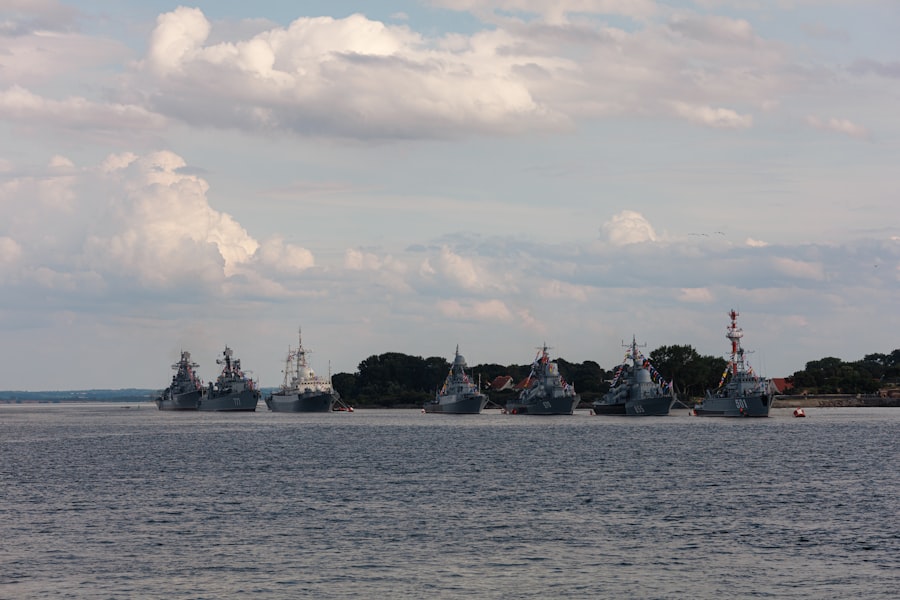
A primary objective of Russia’s expanded naval presence is the vigorous assertion of its sovereignty over its Caspian maritime borders. This includes a commitment to deterring any potential violations of its territorial waters and exclusive economic zones, particularly in areas rich with hydrocarbon resources. The increased naval patrols and exercises serve as a visual manifestation of Russian resolve. The flotilla acts as the guardian of Russia’s natural endowments, a shield protecting its economic arteries.
Protecting Energy Infrastructure and Supply Lines
With significant offshore energy platforms and pipelines operating in the Caspian, the security of these vital assets is paramount for Russia. The Caspian Flotilla plays a crucial role in protecting these installations from potential sabotage, terrorism, or any form of hostile action. Its presence ensures the uninterrupted flow of oil and gas, a critical component of both the Russian economy and its regional influence. The navy’s watchful eye ensures the continuous flow of the black gold that fuels the nation.
Regional Power Projection and Deterrence
Russia sees its Caspian naval might as a tool for broader regional power projection and deterrence. By maintaining a strong naval presence, Moscow seeks to influence the security calculus of other Caspian littoral states and to discourage any external powers from establishing a significant military foothold in the region. The flotilla serves as a tangible demonstration of Russia’s commitment to regional security and its ability to respond to threats, a clear message to all actors that Moscow remains the dominant security guarantor in the Caspian Sea. It is a silent, but potent, declaration of intent.
Counter-Terrorism and Law Enforcement Operations
The Caspian Sea is not immune to transnational threats, including terrorism and illegal activities such as smuggling and illicit fishing. The Caspian Flotilla is involved in counter-terrorism operations, maritime interdiction, and general law enforcement activities to maintain order and security on the water. These operations are vital for regional stability and for protecting both national and international interests. The navy’s presence is a bulwark against the insidious creep of criminal and extremist elements.
Relations with Other Caspian Littoral States
Bilateral Naval Cooperation and Exercises
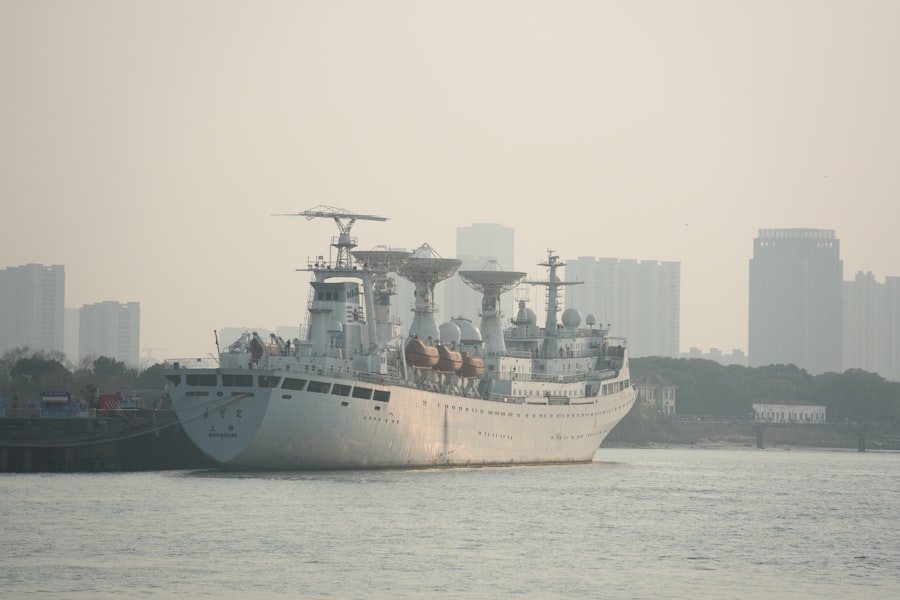
Russia actively engages in bilateral naval cooperation with other Caspian littoral states, notably Azerbaijan, Kazakhstan, and Turkmenistan. This often takes the form of joint military exercises, which serve to enhance interoperability, build confidence, and demonstrate a unified approach to regional security challenges. These exercises are the language of diplomacy spoken through action, fostering understanding and readiness.
Joint Exercises: A Testament to Cooperation
Exercises such as “Caspian Cup” and various naval drills involving Russia, Azerbaijan, and Kazakhstan are regular occurrences. These events allow for the practice of combined operations, including anti-piracy, search and rescue, and response to maritime incidents. They serve to strengthen military-to-military ties and to present a united front against common threats. These shared endeavors are like building bridges between nations, fostering trust and mutual reliance.
The Caspian Sea Navies’ Interplay
The naval forces of the Caspian littoral states are by no means equals in terms of size or capability. Russia’s Caspian Flotilla is by far the most powerful, and its modernization efforts have widened the gap further. However, the smaller navies of Azerbaijan, Kazakhstan, and Turkmenistan play important roles within their respective national security frameworks, focusing on border patrol, resource protection, and maritime law enforcement. The interaction between these forces is characterized by Russia’s dominant position, but also by a degree of consultative engagement, particularly on issues of common concern. It is a symphony where one instrument plays the dominant melody, but the others contribute essential harmonies.
Iran’s Growing Naval Ambitions: A Complex Dynamic
Iran, a significant player on the Caspian, also maintains a naval presence that has seen some modernization. While direct military confrontation between Russia and Iran in the Caspian is highly unlikely given their strategic alignment on many regional issues, the growth of both navies introduces a complex dynamic. Russia generally views Iran as a strategic partner in the Caspian, sharing common interests in regional stability and countering external influences. However, an unchecked and increasingly assertive Iranian naval capacity could, in theory, present future strategic considerations for Moscow. The relationship is akin to two ships navigating the same channel, generally in the same direction, but each mindful of the other’s wake and potential for independent course corrections.
Russia’s naval presence in the Caspian Sea has been a topic of increasing interest, particularly in light of recent geopolitical developments. The strategic importance of this body of water, which borders several countries, has led to heightened military activities and naval exercises. For a deeper understanding of the implications of Russia’s actions in this region, you can read a related article that explores the dynamics of power and security in the Caspian Sea. This insightful piece can be found here.
Technological Advancements and Future Trajectories
| Metric | Details |
|---|---|
| Number of Vessels | Approximately 15-20 combat and support vessels |
| Types of Vessels | Corvettes, missile boats, patrol boats, landing craft, support ships |
| Primary Base | Kaspiysk Naval Base, Dagestan |
| Operational Area | Entire Caspian Sea region |
| Key Capabilities | Surface warfare, missile strikes, amphibious operations, coastal defense |
| Recent Upgrades | Introduction of Buyan-M class corvettes with Kalibr cruise missiles |
| Personnel Strength | Estimated 1,000-1,500 naval personnel |
| Strategic Importance | Control of Caspian Sea resources and regional security influence |
The Impact of Unmanned and Semi-Autonomous Systems
The future of naval warfare is increasingly defined by the integration of unmanned and semi-autonomous systems. The Caspian Flotilla is expected to embrace these technologies, with the potential for the deployment of UAVs for reconnaissance and surveillance, as well as USVs for mine hunting, patrol duties, and even potential combat roles. These systems offer a cost-effective way to extend a navy’s reach and to mitigate risks to human personnel. They represent the cutting edge, the next frontier in maritime power.
The Role of Cyber Warfare and Electronic Warfare
In the modern battlefield, the “invisible fronts” of cyber warfare and electronic warfare play an increasingly critical role. Russia’s modernization efforts likely include significant investment in these domains, aiming to protect its own naval communications and sensor systems while simultaneously developing capabilities to disrupt or jam enemy systems. The digital realm has become as crucial as the physical for naval dominance.
Long-Term Strategic Vision: A Permanent Maritime Presence
Russia’s sustained investment and operational tempo in the Caspian Sea suggest a long-term strategic vision. This is not a temporary surge but an established and expanding maritime presence. The aim is to solidify Russia’s position as the preeminent security actor in the Caspian, to safeguard its economic interests, and to ensure its ability to project power in a strategically vital region bridging Europe and Asia. The Caspian Flotilla is no longer a relic of the past, but a strategically vital component of Russia’s present and future military posture, a permanent fixture on the calm, yet strategically charged, waters of the inland sea. It is the steady hand on the tiller, guiding Russia’s influence across this crucial waterway for decades to come.
FAQs
What is the significance of Russia’s naval presence in the Caspian Sea?
Russia’s naval presence in the Caspian Sea is strategically important for regional security, control over energy resources, and maintaining influence among Caspian littoral states. It allows Russia to protect its interests and project power in this geopolitically sensitive area.
How many naval vessels does Russia have in the Caspian Sea?
Russia maintains a fleet in the Caspian Sea known as the Caspian Flotilla, which includes a variety of warships such as missile boats, patrol vessels, and support ships. The exact number can vary, but it is one of the largest naval forces in the Caspian region.
What types of missions does the Russian Caspian Flotilla undertake?
The Russian Caspian Flotilla conducts a range of missions including maritime security, border protection, anti-piracy operations, and participation in joint exercises with other Caspian states. It also plays a role in safeguarding offshore energy infrastructure.
How does Russia’s naval presence affect other Caspian Sea countries?
Russia’s naval presence influences the security dynamics and power balance in the Caspian Sea region. It can lead to cooperation or competition with other littoral states such as Iran, Azerbaijan, Kazakhstan, and Turkmenistan, especially regarding territorial waters and resource exploitation.
Has Russia’s Caspian naval strategy changed in recent years?
In recent years, Russia has modernized and expanded its Caspian Flotilla, reflecting increased emphasis on securing its southern borders and energy interests. This includes commissioning new vessels equipped with advanced missile systems and enhancing operational capabilities.