
The Caspian Sea, a vast, landlocked briny expanse bridging Europe and Asia, presents a unique logistical landscape. Its strategic location, coupled with significant energy reserves, necessitates efficient transportation networks. As trade and energy production continue to grow in the region, the limitations of existing port infrastructure and the inherent challenges of navigating its fluctuating levels and ice formations become increasingly apparent. This article delves into how Floating Storage Units (FSUs) can serve as a crucial tool in optimizing Caspian Sea logistics, offering flexibility, cost-effectiveness, and enhanced operational capabilities.
The Caspian Sea’s geography and environmental conditions create a complex web of logistical hurdles that require innovative solutions. Understanding these challenges is the first step in appreciating the potential of FSUs.
Navigational Constraints and Seasonal Variability
The Caspian Sea’s water levels are notoriously dynamic, influenced by river inflows and evaporation rates. These fluctuations can impact draft limitations for vessels in shallower areas and at port approaches, creating a constant need for dredging or restricting the size of vessels that can access certain terminals. Furthermore, the northern Caspian experiences severe winter icing, often rendering navigation impossible for extended periods. This seasonality disrupts regular shipping schedules, leading to delays and increased demurrage costs. Traditional fixed port infrastructure can be particularly vulnerable to these changes, requiring substantial and ongoing investment to maintain accessibility.
Port Infrastructure Limitations
Many ports along the Caspian coastline, particularly those serving landlocked countries, were developed decades ago and may not have the capacity or modern amenities to handle the increasing volume of cargo, especially crude oil and refined products. Congestion at these ports can lead to lengthy waiting times for vessels, impacting the efficiency of supply chains. The cost of expanding and modernizing these fixed facilities can be prohibitive, and their immobility means they are inherently tied to one location, limiting their adaptability to shifting trade patterns. The development of new port facilities also involves extensive environmental impact assessments and regulatory approvals, leading to lengthy project timelines.
Growing Trade Volumes and Energy Exports
The Caspian region is a significant producer and exporter of oil and gas, and its importance in global energy markets is growing. This translates into a constant flow of tankers transporting these vital commodities. Alongside energy, there is also a burgeoning trade in other goods, including agricultural products, manufactured goods, and raw materials. Meeting the demand for these exports requires a robust and adaptable transportation system that can scale with increasing volumes and respond to market fluctuations. As the demand for Caspian resources rises, the pressure on existing logistics networks intensifies.
In the context of Floating Storage Units (FSUs) and their pivotal role in Caspian Sea logistics, a related article that provides valuable insights is available at My GeoQuest. This resource delves into the operational efficiencies and strategic advantages of utilizing FSUs in the region, highlighting how they enhance the transportation and storage of hydrocarbons amidst the unique challenges posed by the Caspian Sea’s geography and infrastructure.
The Role of Floating Storage Units
Floating Storage Units (FSUs), often adapted from existing tanker vessels or purpose-built, offer a flexible and mobile solution to augment traditional logistics. Their deployment within the Caspian Sea can address many of the region’s inherent challenges, acting as vital nodes within the transportation network.
Defining Floating Storage Units
An FSU is essentially a vessel designed or modified to store cargo, typically oil and gas, offshore or in a designated location rather than transporting it continuously. Unlike Floating Production Storage and Offloading (FPSO) units, which are involved in the production process, FSUs are focused solely on storage and offloading. They can be moored in specific locations, allowing smaller vessels to transfer their cargo to them, or they can serve as a buffer point before product is transferred to larger, more capable vessels bound for distant markets, or to pipelines.
Advantages Over Fixed Storage Solutions
The primary advantage of FSUs lies in their mobility and adaptability. They are not geographically constrained by land availability or the need for extensive onshore infrastructure. This allows them to be deployed strategically to optimize cargo flow, avoiding congested ports or navigating shallow waters. If trade routes shift or market demands change, an FSU can be relocated, offering an invaluable degree of flexibility that fixed storage facilities cannot match. This mobility is akin to a nomadic herd migrating to where the best grazing is, always seeking optimal conditions.
Applications in Caspian Sea Logistics
In the Caspian context, FSUs can serve multiple critical functions. They can act as offshore terminals, enabling larger vessels to load or unload cargo without needing access to port facilities. This is particularly beneficial for areas with limited port infrastructure or shallow approach channels. They can also function as intermediate storage points, allowing for the consolidation of smaller shipments or providing a buffer to manage the ebb and flow of production and export demand. Furthermore, in winter months, FSUs could potentially operate as mobile hubs, allowing for cargo transfer to ice-class vessels that can then navigate the frozen northern reaches.
Optimizing Cargo Transfer and Throughput
The core benefit of FSUs in the Caspian Sea lies in their capacity to streamline the movement of goods, increasing efficiency and reducing bottlenecks.
Mitigating Port Congestion
By serving as offshore transfer points, FSUs can significantly reduce the reliance on congested port facilities. This allows ships to offload their cargo for storage before onward transit, or to load consolidated cargo from the FSU, thereby bypassing lengthy queues at the quayside. This is akin to creating a series of bypass roads to alleviate traffic jams in a busy city center. The reduction in waiting times translates directly into lower operational costs for shipping companies, as vessels spend less time idle and more time in transit.
Enhancing Flexibility in Vessel Size
FSUs enable a more flexible approach to vessel deployment. Smaller, more maneuverable vessels can shuttle cargo from production sites or smaller ports to an FSU. From the FSU, larger, more economical Aframax or Suezmax tankers can then be loaded for longer hauls, maximizing efficiency for deep-sea voyages. This tiered approach allows for optimized vessel utilization across the entire supply chain, ensuring that the most appropriate vessel is used for each leg of the journey. This layered strategy can be thought of as using different sized tools for different sized jobs.
Facilitating Transshipment Operations
Transshipment, the transfer of cargo from one ship to another, is a key logistical operation that FSUs excel at. In the Caspian, an FSU can act as a central hub for transshipment, receiving various cargoes and then consolidating them for onward shipment. This is particularly relevant for crude oil and refined products where volumes can be substantial. The ability to perform transshipment offshore also reduces the environmental risk associated with cargo transfer in sensitive port areas.
Addressing Seasonal and Environmental Constraints
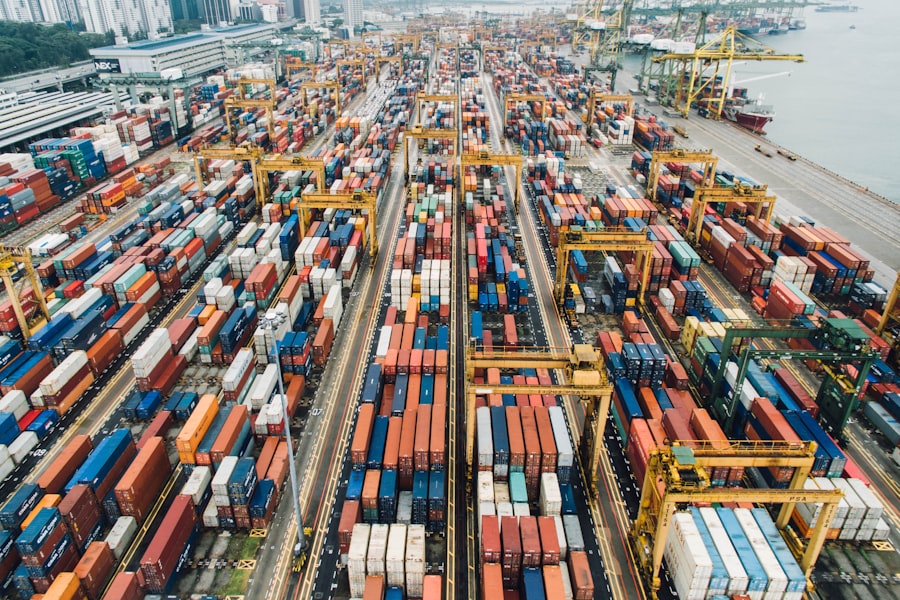
The Caspian Sea’s unique environmental challenges can be significantly ameliorated by the strategic deployment of FSUs.
Overcoming Winter Ice Conditions
The frozen northern Caspian poses a significant challenge to year-round navigation and trade. FSUs, particularly if equipped with their own propulsion or designed for limited mobility, could offer a solution. They could be positioned in open water areas to receive cargo from ice-class vessels operating in the north during winter, storing it until the ice recedes or until it can be transferred to conventional vessels in ice-free areas further south. This effectively extends the operational window for trade, reducing the seasonal slump in economic activity. This acts as a thermal blanket, keeping commerce warm even when the waters around it are cold.
Adapting to Water Level Fluctuations
The unpredictable nature of Caspian water levels can render certain ports inaccessible to larger vessels. FSUs can be deployed in deeper waters, allowing larger tankers to load or unload. Smaller vessels can then ferry the cargo to or from these deeper water points, effectively bridging the gap created by shallowing channels. This offers a dynamic solution that can adapt to changing hydrological conditions without the immense cost and time associated with continuous dredging or constructing fixed infrastructure in fluctuating depths.
Reducing Environmental Impact of Port Operations
The construction and expansion of onshore port facilities can have significant environmental consequences. By shifting some storage and transfer operations offshore to FSUs, the need for extensive land reclamation and dredging in sensitive coastal areas can be reduced. Furthermore, FSUs can be equipped with advanced environmental protection systems to minimize the risk of spills during cargo transfer, contributing to the preservation of the Caspian’s unique marine ecosystem.
In exploring the complexities of Floating Storage Units (FSUs) in the Caspian Sea logistics, it is essential to consider the broader implications of maritime operations in this region. A related article discusses the strategic importance of these units and their role in enhancing supply chain efficiency. For more insights on this topic, you can read the article here. Understanding the logistics surrounding FSUs can provide valuable perspectives on energy transportation and storage in challenging environments.
Strategic Deployment and Operational Considerations
| Metric | Value | Unit | Notes |
|---|---|---|---|
| Number of Floating Storage Units (FSUs) | 12 | Units | Active FSUs in Caspian Sea region |
| Total Storage Capacity | 1.5 | Million Barrels | Combined capacity of all FSUs |
| Average Storage Duration | 30 | Days | Typical storage time before offloading |
| Primary Commodities Stored | Crude Oil, Refined Products | N/A | Main types of hydrocarbons stored |
| Key Ports for Logistics | Baku, Aktau, Turkmenbashi | N/A | Major logistical hubs in the region |
| Average Transit Time to Market | 5 | Days | From FSU to export terminals |
| Number of Support Vessels | 8 | Vessels | Tugboats, supply ships supporting FSUs |
| Environmental Compliance Rating | High | N/A | Based on regional regulations |
The successful implementation of FSUs in Caspian Sea logistics requires careful planning and consideration of operational factors.
Site Selection and Mooring Systems
The choice of location for an FSU is paramount. Factors such as water depth, proximity to production fields and export routes, weather patterns, and existing navigational channels all play a role. Robust mooring systems are essential to ensure the FSU remains securely in place, especially in the face of strong currents and potential storm surges. The type of mooring will depend on the specific location and the FSU’s design.
Cargo Handling and Transfer Technologies
Efficient and safe cargo handling is crucial. FSUs will need to be equipped with appropriate loading and unloading systems, including sophisticated pipeline connections and pumping arrangements. The technology used for cargo transfer between vessels and the FSU must be reliable and minimize the risk of environmental contamination. Advanced metering and monitoring systems are also essential to ensure accurate accounting of cargo volumes.
Regulatory and Safety Frameworks
Operating FSUs in the Caspian Sea necessitates a clear and robust regulatory framework. This includes establishing safety standards, environmental protection protocols, and protocols for emergency response. International conventions and regional agreements will need to be considered to ensure compliance and facilitate cross-border operations. The safety of personnel on board the FSU and during transfer operations is of paramount importance.
Economic Viability and Investment
The decision to deploy FSUs will ultimately be driven by economic considerations. A thorough cost-benefit analysis is required, comparing the capital and operating expenses of FSUs against the costs associated with existing logistics solutions and potential infrastructure upgrades. The potential for cost savings through increased efficiency, reduced demurrage, and extended operational windows needs to be carefully quantified. Long-term financing and investment models will be critical for the successful procurement and deployment of these units.
In conclusion, the integration of Floating Storage Units presents a compelling opportunity to modernize and optimize logistics within the Caspian Sea. By offering a flexible, mobile, and adaptable solution, FSUs can effectively address the region’s unique navigational, infrastructural, and environmental challenges. As trade volumes and energy exports continue to grow, FSUs can serve as a vital component in ensuring a more resilient, efficient, and economically viable Caspian Sea transportation network. The strategic deployment of these offshore assets holds the key to unlocking greater potential for regional trade and interconnectivity.
FAQs
What are floating storage units (FSUs) in the context of Caspian Sea logistics?
Floating storage units (FSUs) are vessels or platforms used to store oil, gas, or other commodities temporarily on water. In the Caspian Sea region, FSUs play a crucial role in managing the storage and transportation of hydrocarbons, facilitating efficient logistics between offshore production sites and onshore facilities.
Why are floating storage units important for logistics in the Caspian Sea?
FSUs are important in the Caspian Sea because they provide flexible storage solutions in an area with limited onshore infrastructure. They enable continuous production by storing hydrocarbons offshore, reducing the need for immediate pipeline transport or onshore storage, and help manage supply chain timing and capacity constraints.
What types of commodities are typically stored in floating storage units in the Caspian Sea?
The primary commodities stored in FSUs in the Caspian Sea are crude oil and liquefied natural gas (LNG). These units may also store refined petroleum products or other liquid hydrocarbons depending on the logistics and production requirements of the region.
How do floating storage units impact environmental safety in the Caspian Sea?
Floating storage units are designed with safety and environmental protection measures to minimize risks such as spills or leaks. Their operation is subject to strict regulations and monitoring to protect the Caspian Sea’s sensitive ecosystem, including the use of double-hulled vessels and emergency response protocols.
What challenges are associated with using floating storage units in the Caspian Sea?
Challenges include harsh weather conditions, ice formation in winter, limited space for large FSUs, and geopolitical complexities affecting logistics routes. Additionally, maintaining the structural integrity and safety of FSUs in the Caspian Sea requires specialized technology and continuous monitoring.