
Turkmenistan, a nation often described as a gas-rich desert, finds itself at a critical juncture concerning its hydrocarbon exports, particularly from its significant Caspian Sea reserves. For decades, the country has been a major player in the global energy market, relying heavily on its vast natural gas deposits to fuel its economy. However, the path to monetizing these resources, especially those located within the Caspian, is fraught with a complex web of geopolitical, infrastructural, and economic challenges. These obstacles cast a long shadow over Turkmenistan’s ambition to become a leading energy supplier and often leave the nation wrestling with the question of how to best unlock the true potential of its subterranean wealth.
The Caspian Sea region, a landlocked expanse of water, is a microcosm of broader geopolitical currents. For Turkmenistan, its gas export ambitions are inextricably linked to the intricate dance of diplomacy and power dynamics among its neighbors and international actors. The very geography that holds the promise of immense riches also creates a formidable barrier to their efficient and widespread distribution, forcing the nation to navigate a treacherous geopolitical landscape.
The Russian Factor: A Historical Overlord
Russia has historically been the dominant force in Central Asian energy exports. For many years, Turkmenistan’s gas flowed primarily through Russian pipelines, effectively placing Moscow in the position of a gatekeeper. While this provided a ready market, it also meant that Turkmenistan’s export capacity and pricing were largely dictated by Russian interests. The Soviet legacy continues to echo in the infrastructure and, to some extent, in the political relationships that bind these nations. Even as Turkmenistan seeks to diversify its export routes, the specter of Russian influence and its potential to disrupt alternative pathways remains a significant concern. Moscow’s own energy needs and its strategic partnerships can, and have, impacted the flow of Turkmen gas out of the region, often leaving Turkmenistan with limited leverage.
The Iranian Nexus: A Double-Edged Sword
Iran, another major Caspian littoral state, has also been a significant, albeit inconsistent, buyer of Turkmen gas. This bilateral relationship, driven by geographical proximity and mutual energy demand, has provided a vital outlet. However, Iran’s own economic vulnerabilities and its complex international relations, particularly concerning sanctions, can create instability in this trade. Furthermore, Iran’s own domestic gas consumption often takes precedence, leading to fluctuations in its purchasing capacity. The Swapping arrangements, where Iran imports Turkmen gas and then exports its own gas to Azerbaijan, illustrate the intricate and often conditional nature of this partnership. This relationship, while beneficial in certain periods, is not a guaranteed long-term solution for Turkmenistan’s export diversification.
The Turkish and European Aspirations: A Promised Land or a Distant Horizon?
The dream for Turkmenistan has long been to reach the lucrative markets of Turkey and Europe with its Caspian gas. The Southern Gas Corridor, a monumental European Union-backed project aimed at diversifying energy supplies, has been a beacon of hope. However, for Turkmenistan to directly participate in this corridor, significant hurdles must be overcome, primarily the construction of a Trans-Caspian Pipeline (TCP). This ambitious project, designed to link Turkmenistan’s gas fields directly to Azerbaijan and subsequently into the Southern Gas Corridor, has been a recurring topic of discussion for years, yet its realization remains elusive. The geopolitical complexities, environmental concerns, and the need for substantial investment are like colossal boulders strewn across its proposed path.
The Unresolved Caspian Legal Status: A Persistent Fog
The legal status of the Caspian Sea itself has been a protracted point of contention among the littoral states. The absence of a universally agreed-upon framework for resource exploitation has created a climate of uncertainty, particularly regarding the construction of subsea pipelines like the TCP. Without a clear legal regime, any unilateral infrastructure project can be challenged by other riparian nations, creating a perpetual state of legal ambiguity that chills investment and innovation. This unresolved status is a persistent fog that obscures the clear path to efficient and secure export routes.
Turkmenistan has been facing significant challenges in exporting its natural gas, particularly in relation to the geopolitical dynamics of the Caspian region. The complexities of regional cooperation, infrastructure limitations, and competition from other gas suppliers have all contributed to the difficulties in establishing reliable export routes. For a deeper understanding of these issues and the broader implications for energy security in the Caspian area, you can read a related article on this topic at MyGeoQuest.
Infrastructural Bottlenecks: The Arteries of Export
The physical infrastructure required to transport vast quantities of natural gas from Turkmenistan’s remote fields to international markets is, unfortunately, a narrative of past glories and present deficiencies. For decades, the country has been tethered to an aging Soviet-era pipeline network, which, while functional, severely limits its reach and flexibility. The construction of new, modern pipelines is not merely a logistical challenge; it is a monumental undertaking that demands immense capital, engineering expertise, and, critically, political consensus.
The Legacy of Soviet Pipelines: A Constrained Flow
The historical reliance on pipelines that traverse Russian territory has proven to be a significant constraint. These routes, while historically important, are often outdated and lack the capacity to accommodate the scale of Turkmenistan’s potential exports. Furthermore, the reliance on transit through other countries means Turkmenistan relinquishes a degree of control over its own export operations and pricing. Operating within the confines of these older arteries is akin to trying to water an entire agricultural empire with a single, narrow stream.
The Elusive Trans-Caspian Pipeline (TCP): A Dream Deferred
The Trans-Caspian Pipeline (TCP) represents the most direct route for Turkmenistan to tap into the European market. However, its construction has been mired in an intricate web of challenges. Environmental concerns, particularly regarding the delicate Caspian ecosystem, have been raised by environmental groups and some Caspian littoral states. More significantly, the lack of a codified legal framework for the Caspian Sea has provided a persistent impediment. Russia and Iran, in particular, have voiced concerns about the potential environmental impact and have historically opposed the construction of subsea pipelines without their consent or a clear international agreement. This unresolved legal status acts as a permanent question mark hanging over the project’s viability.
Alternative Pipelines: Navigating Varied Landscapes
Recognizing the challenges of the TCP, Turkmenistan has pursued other, albeit less direct, export routes. The Turkmenistan-Afghanistan-Pakistan-India (TAPI) pipeline, a project stretching thousands of kilometers, aims to deliver Turkmen gas to South Asia. While significant progress has been made, the project faces its own set of considerable obstacles, notably the security situation in Afghanistan and the political will of participating nations. Ensuring the long-term stability and security of such a long and vulnerable pipeline is a Herculean task. Similarly, existing pipelines to China have become a crucial outlet, but the pricing and volume terms of these contracts are subject to intricate negotiations and can fluctuate. Expanding capacity on these routes also requires substantial investment and agreements with transit nations.
Economic Realities: The Price of Progress
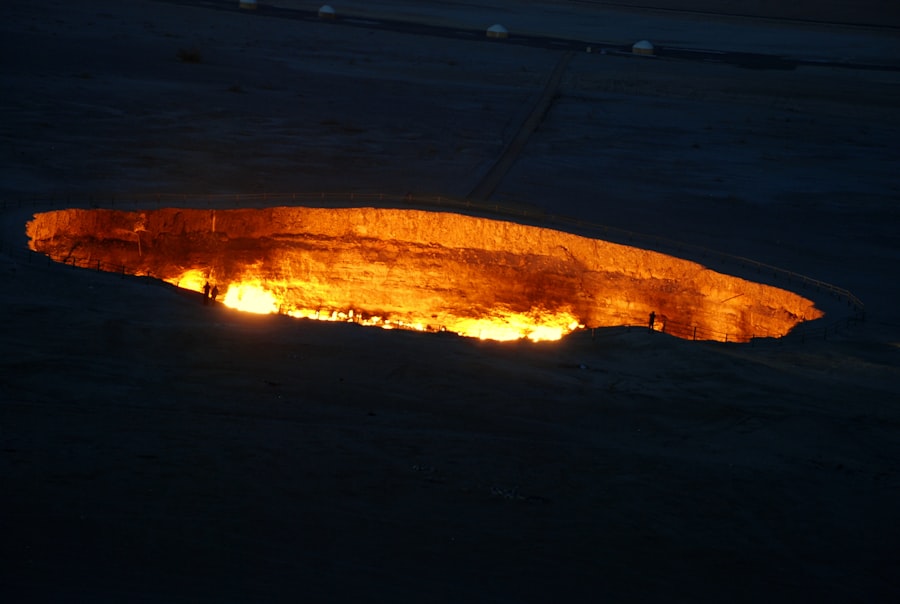
Turkmenistan’s aspiration to be a major energy exporter is ultimately tethered to economic realities. The global energy market is a dynamic and often volatile arena, and the country’s ability to compete effectively depends on a variety of factors, including production costs, market demand, and its own internal economic management.
Global Energy Price Volatility: The Bouncing Ball of Fortune
The international price of natural gas is a capricious force. Fluctuations driven by global supply and demand, geopolitical events, and the rise of alternative energy sources can significantly impact Turkmenistan’s export revenues. When prices are high, the potential for profit is immense. However, during periods of low prices, the economic viability of new export projects, which require massive upfront investment, comes under severe scrutiny. This volatility can make long-term planning and securing financing for export infrastructure a precarious undertaking.
Attracting Foreign Investment: A Tough Sell
For Turkmenistan to realize its ambitious export goals, it requires substantial foreign investment to develop its fields and build necessary infrastructure. However, attracting this investment is not always straightforward. Perceived political risks, a less-than-transparent regulatory environment, and concerns about the repatriation of profits can deter potential investors. Companies looking to commit billions of dollars to long-term projects demand stability, predictability, and a clear return on investment. Convincing them that Turkmenistan offers these assurances is a constant challenge.
Diversification Beyond Gas: A Long-Term Necessity
While natural gas remains the cornerstone of Turkmenistan’s economy, a singular reliance on hydrocarbon exports makes the nation vulnerable to the inherent cyclicality of commodity markets. Long-term economic sustainability necessitates diversification into other sectors. However, this is a complex and time-consuming process, requiring significant investment in human capital, technology, and non-extractive industries. The shadow of oil and gas prices often looms large, making it difficult to prioritize and fund diversification efforts.
Environmental Considerations: The Double-Edged Sword of Extraction
The extraction and export of vast quantities of natural gas from the Caspian region are not without their environmental implications. While the energy itself is often presented as a cleaner alternative to coal, the processes involved in exploration, extraction, and transportation carry their own set of environmental risks.
Caspian Sea Ecosystem: A Fragile Balance
The Caspian Sea, the world’s largest inland body of water, is a unique and ecologically sensitive environment. The potential for oil and gas exploration and the construction of subsea pipelines raise concerns about potential pollution, habitat disruption, and the impact on its diverse marine life, including iconic species like the Caspian seal. Any major infrastructure project must demonstrate a robust commitment to environmental protection and mitigation strategies to gain widespread acceptance.
Methane Emissions: An Invisible Threat
Natural gas is primarily methane, a potent greenhouse gas. While often touted as a cleaner fossil fuel compared to coal, leaks during extraction, processing, and transportation can release significant amounts of methane into the atmosphere. Addressing methane emissions through leak detection and repair programs, as well as investing in more efficient technologies, is becoming increasingly crucial for projects to meet international environmental standards and satisfy the growing demand for verifiable low-emission energy sources.
International Environmental Standards: The Global Bar Raised
As the world grapples with climate change, international environmental standards for energy projects are becoming increasingly stringent. Turkmenistan, like any energy exporter, must align its practices with these evolving global norms. This might involve investing in cleaner extraction technologies, implementing robust environmental monitoring systems, and transparently reporting on environmental performance. Failure to meet these standards can lead to reputational damage and hinder access to markets that prioritize sustainability.
Turkmenistan faces significant challenges in exporting its natural gas, particularly in relation to its position in the Caspian region. The geopolitical landscape, combined with infrastructure limitations and competition from other gas-producing countries, complicates its efforts to establish reliable export routes. For a deeper understanding of these issues, you can explore a related article that discusses the intricacies of Turkmenistan’s gas export challenges in the Caspian Sea. This article provides valuable insights into the strategic decisions that Turkmenistan must navigate to enhance its gas export capabilities. To read more, visit this article.
The Path Forward: Navigating the Currents of Change
| Metric | Value | Unit | Notes |
|---|---|---|---|
| Annual Gas Production | 85 | billion cubic meters (bcm) | Estimated total gas production in Turkmenistan (2023) |
| Export Volume to Caspian Region | 15 | bcm | Approximate volume exported via Caspian pipelines |
| Pipeline Capacity | 30 | bcm/year | Maximum capacity of existing Caspian export pipelines |
| Transit Countries | 3 | countries | Countries between Turkmenistan and Caspian export points (e.g., Kazakhstan, Azerbaijan, Iran) |
| Export Challenges | 5 | key issues | Includes geopolitical tensions, infrastructure limitations, pricing disputes, transit fees, and environmental concerns |
| Average Transit Fee | 1.5 | USD per 1000 cubic meters per 100 km | Estimated transit fee charged by neighboring countries |
| Export Growth Rate | 3 | % per year | Projected annual growth rate of gas exports via Caspian routes |
| Infrastructure Investment Needed | 10 | billion | Estimated investment required to upgrade pipelines and facilities |
Turkmenistan stands on the precipice of opportunity, armed with immense natural wealth. However, transforming this potential into tangible economic prosperity and global influence requires a deft navigation of the complex currents that characterize the Caspian region and the international energy landscape. The journey ahead demands strategic foresight, unwavering diplomatic skill, and a commitment to addressing the multifaceted challenges that lie in wait.
Strategic Diversification of Export Routes: Spreading the Sails
The most immediate and pressing need for Turkmenistan is to diversify its export routes beyond its current over-reliance on limited corridors. This means actively pursuing and accelerating the development of projects like the TAPI pipeline, despite its inherent complexities, and seeking innovative bilateral agreements with a wider array of potential buyers. The country must also continue to engage in constructive dialogue with its Caspian neighbors to resolve the outstanding legal issues surrounding the sea, which is a crucial prerequisite for undertaking ambitious subsea infrastructure projects. It is like a ship needs multiple harbors to take shelter and trade, not just one.
Enhancing Transparency and Attracting Investment: Opening the Gates
To unlock the financial resources required for its ambitious export plans, Turkmenistan must foster an environment that is more attractive to foreign investors. This involves enhancing transparency in its energy sector, streamlining regulatory processes, and providing greater clarity on contract terms and profit repatriation. Building trust and demonstrating a commitment to stable and predictable economic policies will be paramount in drawing the substantial capital needed for large-scale infrastructure development. A clear ledger is more appealing than a locked chest.
Embracing Green Technologies and Environmental Stewardship: Greening the Flame
In an era increasingly defined by climate consciousness, Turkmenistan cannot afford to ignore environmental considerations. Investing in and adopting greener extraction technologies, implementing rigorous methane emission reduction programs, and adhering to international environmental standards will be critical. This commitment to environmental stewardship will not only enhance its global reputation but also open doors to markets that prioritize sustainable energy sources. Proving itself as a responsible custodian of its resources is as vital as having them in the first place.
Developing Domestic Capacity and Skills: Cultivating Local Talent
While international partnerships are crucial, long-term success also hinges on developing Turkmenistan’s domestic capacity and skilled workforce. Investing in education and training programs that equip Turkmen nationals with the expertise needed to manage and operate complex energy infrastructure will reduce reliance on foreign expertise and foster greater national ownership of the sector. Cultivating local talent is like nurturing a strong root system to support a mighty tree.
The challenges facing Turkmenistan’s gas exports from the Caspian are significant and deeply intertwined. However, by adopting a proactive, strategic, and globally aware approach, the nation can begin to untangle these complexities and chart a course towards a more prosperous and influential future as a key energy supplier. The potential is undeniable; the question remains whether Turkmenistan can successfully navigate the turbulent waters ahead and claim its rightful place on the global energy stage.
FAQs
What are the main challenges Turkmenistan faces in exporting gas through the Caspian region?
Turkmenistan faces challenges such as geopolitical tensions among Caspian littoral states, lack of a unified legal framework for Caspian Sea resources, competition from other regional gas suppliers, and infrastructure limitations for pipeline routes.
How does the legal status of the Caspian Sea affect Turkmenistan’s gas exports?
The Caspian Sea’s legal status has been historically ambiguous, complicating agreements on resource division and pipeline construction. Although the 2018 Convention on the Legal Status of the Caspian Sea provided some clarity, disputes over maritime boundaries and resource rights still impact Turkmenistan’s export plans.
What role do regional geopolitics play in Turkmenistan’s gas export strategy?
Regional geopolitics significantly influence Turkmenistan’s gas exports, as relations with neighboring countries like Russia, Iran, and Azerbaijan affect pipeline access and market routes. Political alliances and rivalries can either facilitate or hinder Turkmenistan’s ability to reach international markets.
Which export routes are available to Turkmenistan for its natural gas, and what are their limitations?
Turkmenistan primarily relies on pipeline routes through Russia, Iran, and potentially via the Caspian Sea to Azerbaijan and beyond. Limitations include dependence on transit countries, political risks, and the need for costly infrastructure development to diversify export options.
How does competition from other gas producers in the Caspian region impact Turkmenistan?
Competition from countries like Azerbaijan and Kazakhstan, which also have significant gas reserves and export ambitions, affects Turkmenistan by limiting market share and influencing pricing. This competition drives Turkmenistan to seek new markets and diversify its export routes to maintain its position in the regional energy landscape.