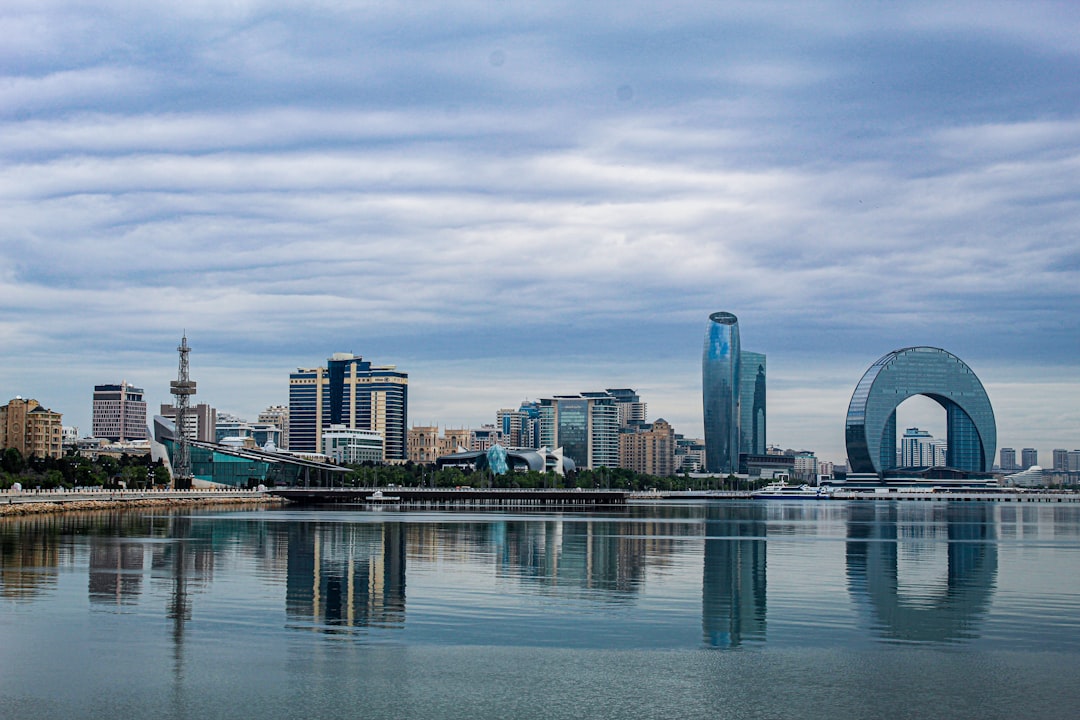
The Azerbaijani state, perched on the western shores of the Caspian Sea, has long understood the strategic importance of its hydrocarbon resources. For decades, this nation has been a significant player in the global energy landscape, its influence amplified by its considerable reserves of oil and natural gas located both onshore and, crucially, in the deep waters of the Caspian. This article will delve into Azerbaijan’s energy leverage in the Caspian Sea, examining the historical context, the geographical advantages, the infrastructure that underpins its export capabilities, its role in regional energy security, and the evolving geopolitical dynamics that shape its position.
To understand Azerbaijan’s current energy leverage, one must look back to the Soviet era. The oil fields of Baku, often referred to as the “Black Gold of Baku,” were already world-renowned in the late 19th and early 20th centuries, attracting foreign investment and fueling industrial development. Following the collapse of the Soviet Union, Azerbaijan found itself the inheritor of these rich resources, albeit with aging infrastructure and a need to attract new international partnerships.
The Dawn of the Post-Soviet Era
Upon regaining independence in 1991, Azerbaijan faced the immediate challenge of revitalizing its petroleum industry. Decades of underinvestment and a lack of modern technology had taken their toll. The nation’s leadership recognized that tapping into its vast potential required significant foreign expertise and capital. This realization would soon pave the way for landmark agreements that would reshape the Caspian energy map.
The “Contract of the Century” and its Ramifications
The signing of the Production Sharing Agreement (PSA) for the Azeri-Chirag-Gunashli (ACG) block in 1994, often dubbed the “Contract of the Century,” marked a pivotal moment. This agreement, with a consortium of international oil companies, unlocked the massive offshore potential of the Caspian. It not only provided Azerbaijan with the technological prowess and financial backing to extract these resources but also established a framework for future partnerships and fostered trust with international investors. This contract was the seed from which much of Azerbaijan’s current energy leverage has grown.
Gradual Diversification and Development
While oil was the initial driver, Azerbaijan has progressively focused on developing its natural gas reserves, particularly the Shah Deniz field, which is one of the largest gas fields in the world. This shift towards gas has been instrumental in strengthening its leverage, offering a more diversified and abundant energy supply for export markets. This diversification strategy is akin to a chess player developing multiple pawn structures to control different diagonals of the board; it enhances strategic options and resilience.
Azerbaijan’s strategic position in the Caspian Sea has significantly enhanced its energy leverage in the region, allowing it to play a pivotal role in energy supply to Europe and beyond. For a deeper understanding of how Azerbaijan is harnessing its energy resources and the geopolitical implications of its actions, you can read a related article on this topic at MyGeoQuest. This article delves into the complexities of energy politics in the Caspian region and Azerbaijan’s emerging influence.
Geographical Bounty: The Caspian’s Hydrocarbon Treasure Trove
Azerbaijan’s strategic location on the Caspian Sea is not merely a geographical footnote; it is the bedrock of its energy influence. The Caspian basin is a vast reservoir of hydrocarbons, and Azerbaijan has strategically positioned itself to be a primary conduit for these resources to reach global markets.
The Offshore Wonderland: Azeri-Chirag-Gunashli (ACG)
The ACG block remains the crown jewel of Azerbaijan’s oil production. Located in the shallow waters of the Caspian, these fields have consistently delivered substantial volumes of crude oil, contributing significantly to the nation’s revenue and export capacity. The ACG fields can be viewed as the deep wells from which Azerbaijan draws its most potent oil streams.
The Gas Giant: Shah Deniz
The Shah Deniz field, operated by BP, is another cornerstone of Azerbaijan’s energy portfolio, particularly in natural gas. Its immense reserves have transformed Azerbaijan from primarily an oil exporter to a significant gas supplier, opening up new avenues for geopolitical influence and economic growth. The successful development and expansion of Shah Deniz have been crucial in widening Azerbaijan’s energy umbrella.
Neighboring Potential and Regional Interdependence
Beyond its own immediate offshore blocks, Azerbaijan’s leverage is also influenced by its relationships with other Caspian littoral states. While direct competition for market share exists, there is also a degree of interdependence, particularly in terms of shared infrastructure and the potential for future joint exploration or development projects. This regional dynamic, often characterized by a delicate dance of cooperation and competition, adds another layer to Azerbaijan’s energy calculus.
The Arteries of Export: Pipelines as Instruments of Leverage
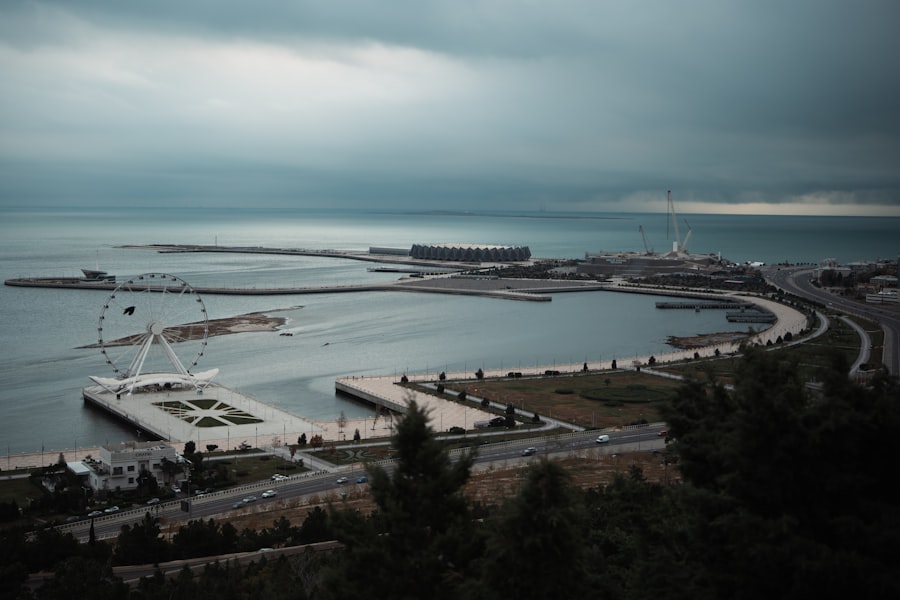
The most tangible manifestation of Azerbaijan’s energy leverage lies in its sophisticated network of export pipelines. These transcontinental arteries are not just conduits for oil and gas; they are arteries of influence, connecting the landlocked Caspian region to key consuming markets and empowering Azerbaijan with significant geopolitical bargaining power.
BTC: The Oil Lifeline to the Mediterranean
The Baku-Tbilisi-Ceyhan (BTC) pipeline is a monumental feat of engineering and a primary instrument of Azerbaijan’s oil export strategy. This pipeline transports crude oil from the Caspian shores of Azerbaijan across Georgia and Turkey to the Mediterranean port of Ceyhan, bypassing the more congested and politically sensitive Turkish Straits. The BTC pipeline is, in essence, a golden river of oil flowing directly to receptive markets, bypassing geographical and political bottlenecks.
Technical Specifications and Capacity
The BTC pipeline boasts impressive technical specifications, designed to handle substantial volumes of crude oil. Its capacity has been instrumental in ensuring Azerbaijan can meet its export commitments and capitalize on global demand. Understanding its throughput is key to appreciating its economic and geopolitical significance.
Geopolitical Significance of BTC
The BTC pipeline’s significance extends far beyond its economic contributions. It has fostered stronger bilateral ties between Azerbaijan, Georgia, and Turkey, creating a network of shared interests centered on energy security. Furthermore, it has provided European nations with an alternative energy source, reducing their reliance on other, potentially less stable, suppliers.
SCP and TAP: The Gas Flow to Europe
In recent years, Azerbaijan has significantly bolstered its natural gas export capabilities through the South Caucasus Pipeline (SCP) and the Trans Adriatic Pipeline (TAP). The SCP, which runs alongside the BTC pipeline, transports gas from Shah Deniz to Turkey, where it connects to TAP. TAP, in turn, delivers Azerbaijani gas to southeastern Europe, marking a historic entry into the European gas market for the nation. This gas infrastructure is like setting up new trade routes, allowing Azerbaijan to diversify its customer base and increase its economic heft.
The Southern Gas Corridor: A Grand Vision
The SCP and TAP are integral components of the larger Southern Gas Corridor (SGC) project, a multi-billion dollar initiative aimed at bringing Caspian gas to Europe. The SGC represents a significant strategic investment by Azerbaijan and its international partners, underscoring the nation’s commitment to becoming a major gas supplier. This corridor is not just a pipeline; it is a strategic bridge built to connect disparate energy markets.
Diversifying European Supply and Reducing Dependency
The entry of Azerbaijani gas into the European market, facilitated by TAP, has been a crucial step in Europe’s efforts to diversify its energy sources and reduce its dependence on any single supplier. This diversification provides European consumers with greater security of supply and greater price stability. Azerbaijan’s gas, therefore, acts as a vital second string to Europe’s energy bow.
Regional Energy Security: Azerbaijan’s Role as a Stabilizer
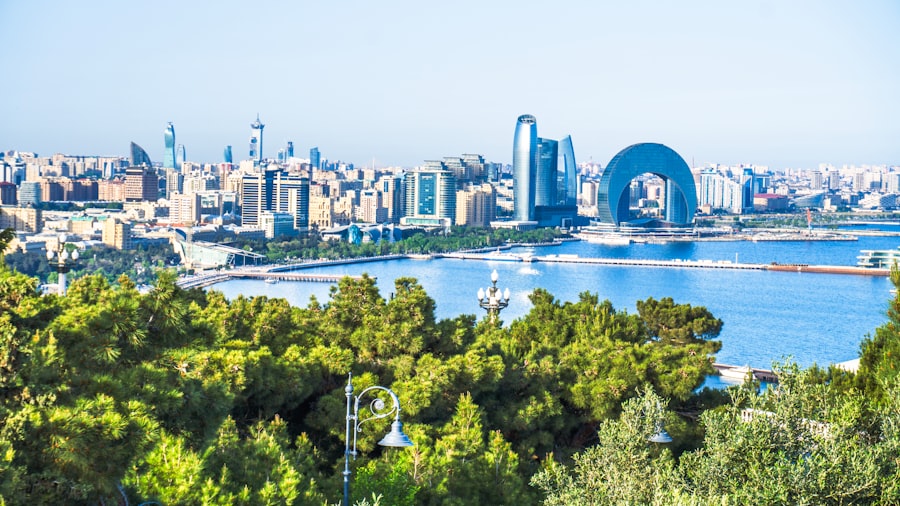
Azerbaijan’s abundant energy resources and its robust export infrastructure have positioned it as a vital contributor to regional energy security. By providing reliable supplies of oil and gas to its neighbors and to major consuming markets, the nation plays a crucial role in stabilizing energy markets and fostering greater energy independence for importing countries.
Towards Energy Independence in Neighboring States
For countries in the South Caucasus and southeastern Europe, Azerbaijani energy exports have been instrumental in reducing their reliance on single-source suppliers, thereby enhancing their energy security and economic resilience. This is akin to giving a neighbor a spare key; it offers a sense of security and confidence.
The European Perspective: A New Energy Dialogue
From the European perspective, Azerbaijan represents a valuable partner in achieving its strategic energy goals. The reliable flow of Azerbaijani hydrocarbons contributes to the continent’s energy mix, supports economic growth, and strengthens its geopolitical standing. The relationship is one of mutual benefit, where Azerbaijan offers resources and Europe offers a significant market.
Interdependencies and Mutual Benefit in Energy Trade
The energy trade between Azerbaijan and its partners creates a web of interdependencies and mutual benefits. Azerbaijan relies on export revenues for its economic development, while its partners rely on a stable supply of energy. This intricate web ensures that both sides have a vested interest in maintaining the relationship and ensuring the smooth flow of energy.
Azerbaijan’s strategic position in the Caspian Sea has significantly enhanced its energy leverage in the region, allowing it to play a pivotal role in European energy security. The country’s vast oil and gas reserves, coupled with its developing infrastructure, enable it to supply energy to various markets, thereby reducing dependence on traditional suppliers. For a deeper understanding of how Azerbaijan is navigating its energy landscape and the implications for regional dynamics, you can read more in this insightful article on energy strategies in the Caspian Sea region. Check it out here: energy strategies in the Caspian Sea region.
Evolving Geopolitical Landscape: Navigating Shifting Tides
| Metric | Value | Unit | Notes |
|---|---|---|---|
| Proven Oil Reserves | 7.0 | billion barrels | Primarily from Caspian Sea fields |
| Proven Natural Gas Reserves | 2.5 | trillion cubic meters | Includes offshore Caspian Sea deposits |
| Annual Oil Production | 0.8 | million barrels per day | Majority sourced from Caspian Sea |
| Annual Natural Gas Production | 10.5 | billion cubic meters | Significant portion from Caspian Sea fields |
| Export Pipelines | 3 | number | Includes Baku-Tbilisi-Ceyhan and South Caucasus pipelines |
| Energy Export Share of GDP | 40 | percent | Reflects Azerbaijan’s economic reliance on Caspian energy |
| Offshore Oil Platforms | 30+ | number | Operating in Caspian Sea |
| Strategic Energy Leverage | High | qualitative | Due to control over Caspian energy transit routes |
Azerbaijan’s energy leverage is not a static commodity; it is a dynamic force subject to the ever-shifting currents of global geopolitics. The nation must continually adapt to new alliances, emerging energy technologies, and the geopolitical ambitions of regional and global powers.
Relations with Russia and Other Caspian Powers
Azerbaijan’s energy policy is intricately linked to its relationships with other Caspian littoral states, particularly Russia. While cooperation exists, there are also underlying tensions and competing interests. Navigating these complex relationships is crucial for maintaining Azerbaijan’s energy autonomy and maximizing its leverage. The interactions between these nations on energy matters can be likened to a complex negotiation, where each player carefully assesses the moves of the others.
The Impact of Global Energy Transitions
The global shift towards renewable energy sources presents both challenges and opportunities for Azerbaijan. While its economy remains heavily reliant on fossil fuels, the nation is also exploring investments in renewable energy and seeking to leverage its existing infrastructure and expertise in new ways. The transition is like a river changing course; Azerbaijan needs to build new channels to adapt to the altered landscape.
The Role of International Players and Diplomacy
International oil companies, financial institutions, and Western governments have all played significant roles in shaping Azerbaijan’s energy sector. Diplomatic engagement and strategic partnerships are crucial for Azerbaijan to secure its interests and maintain its influence in the global energy arena. The nation’s energy leverage is a delicate instrument that it must wield with skillful diplomacy on the international stage.
In conclusion, Azerbaijan’s energy leverage in the Caspian Sea is a multifaceted phenomenon rooted in its rich hydrocarbon endowments, strategic geographical positioning, advanced export infrastructure, and its crucial role in regional energy security. While the currents of geopolitics and the global energy transition are constantly reshaping the landscape, Azerbaijan’s ability to harness its energy resources and strategically connect them to global markets continues to be a significant factor in its national economy and its influence on the international stage. The nation’s journey, from the oil boom of the early 20th century to its current status as a key energy supplier, is a testament to its strategic vision and its enduring connection to the bounty of the Caspian.
FAQs
What is Azerbaijan’s role in the energy resources of the Caspian Sea?
Azerbaijan is a key player in the Caspian Sea region due to its substantial oil and natural gas reserves. The country has developed significant offshore fields and is a major exporter of Caspian energy resources.
How does Azerbaijan use its energy resources as leverage in the Caspian region?
Azerbaijan leverages its energy resources to strengthen its geopolitical influence by controlling important oil and gas pipelines, engaging in regional energy cooperation, and attracting foreign investment, which enhances its strategic position in the Caspian Sea area.
What are the main energy export routes from Azerbaijan in the Caspian Sea region?
The primary export routes include the Baku-Tbilisi-Ceyhan (BTC) oil pipeline, the South Caucasus Pipeline for natural gas, and the Trans-Anatolian Natural Gas Pipeline (TANAP), which connect Caspian energy supplies to European and global markets.
How does Azerbaijan’s energy strategy impact regional cooperation in the Caspian Sea?
Azerbaijan’s energy strategy promotes regional cooperation by encouraging joint development of resources, participating in multilateral agreements on Caspian Sea delimitation, and collaborating with neighboring countries on energy transit and security.
What challenges does Azerbaijan face in maintaining its energy leverage in the Caspian Sea?
Challenges include geopolitical tensions with neighboring states, fluctuating global energy prices, environmental concerns related to offshore drilling, and competition from other Caspian littoral countries seeking to expand their own energy exports.