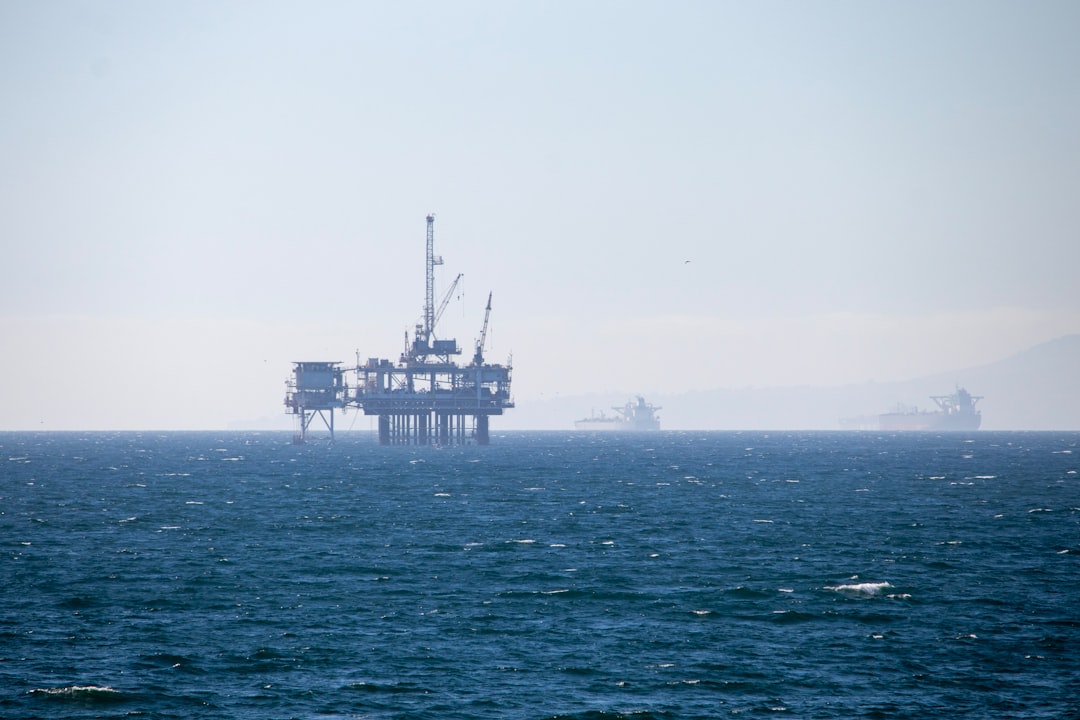
Kazakhstan’s Offshore Oil Production Risks
Kazakhstan, a vast landlocked nation in Central Asia, possesses significant hydrocarbon reserves. While much of its oil production is landlocked, the country’s ambitions extend to its Caspian Sea coastline, where substantial offshore fields promise future growth. However, the pursuit of this black gold from beneath the seabed is not without its considerable risks. These are multifaceted, encompassing geological challenges, market volatility, geopolitical currents, and the ever-present specter of environmental impact. Understanding these potential pitfalls is crucial for Kazakhstan and the international players involved in its offshore energy sector.
The Caspian Sea, particularly the northern shelf where Kazakhstan’s major offshore fields like Kashagan, Tengiz, and Karachaganak are located, presents a unique and demanding environment for oil and gas extraction. These fields are not merely beneath shallow waters; they are often situated in challenging geological formations and at significant depths, demanding advanced technological solutions and meticulous operational planning.
Deepwater Extraction and Reservoir Quality
The Kashagan field, one of the world’s largest oil discoveries in recent decades, exemplifies the deepwater extraction challenges. Situated in the shallow but vast northern Caspian, it faces water depths of up to seven meters. However, the reservoirs themselves lie at depths exceeding 4,000 meters, where immense pressures and high temperatures are the norm. This deep-set nature translates into more complex drilling operations, requiring specialized equipment and highly skilled personnel. The sheer scale of the reservoirs also means that any issues encountered during extraction can have magnified consequences. Imagine trying to draw a fine thread from a tightly wound spool at the bottom of a very deep well – the slightest snag could unravel the entire endeavor.
Reservoir Sourness and H2S Content
A significant and persistent risk associated with Kazakhstan’s offshore fields, most notably Kashagan and Tengiz, is the high concentration of hydrogen sulfide (H2S) within the extracted hydrocarbons. This “sour” crude necessitates specialized processing and handling due to its corrosive nature and extreme toxicity. Facilities must be built with materials resistant to H2S embrittlement, and stringent safety protocols must be implemented to protect workers and the environment. The presence of H2S acts like a hidden venom in the bloodstream of the energy infrastructure, constantly threatening to corrode and incapacitate it if not carefully managed.
Corrosive Impact on Infrastructure
The corrosive properties of H2S pose a direct threat to pipelines, processing equipment, and storage facilities. Constant exposure to this gas can lead to material degradation, increasing the likelihood of leaks, ruptures, and catastrophic failures. This necessitates the use of expensive, high-grade alloys and specialized coatings, significantly increasing capital expenditure and operational costs. Regular inspections and maintenance become paramount, demanding continuous vigilance and substantial investment in both human expertise and advanced diagnostic technologies.
Health and Safety Hazards
Beyond the material risks, H2S presents severe health and safety hazards to personnel. Even low concentrations can cause irritation, while higher levels can be rapidly fatal. Therefore, offshore installations require sophisticated gas detection systems, emergency response plans, and personal protective equipment to mitigate these risks. The constant threat to human life is an ever-present shadow over operations.
Subsurface Instability and Seismic Activity
The geological structures beneath the Caspian seabed are not always stable, and the region is not entirely devoid of seismic activity. While not as geologically volatile as some other major oil-producing regions, the possibility of tremors or subsurface shifts adds another layer of complexity to drilling and production. Any disruption to the delicate balance of the seabed could have serious implications for the integrity of offshore platforms and subsea infrastructure. This is akin to building a skyscraper on ground that occasionally trembles; the foundation must be exceptionally robust.
Kazakhstan’s offshore oil production has garnered significant attention due to the various risks associated with it, including environmental concerns and geopolitical tensions. For a deeper understanding of these challenges, you can explore a related article that discusses the implications of offshore drilling in the region. This article provides insights into the potential environmental impacts and the economic factors at play. To read more, visit this link.
Market Volatility and Economic Vulnerability
The global oil market is a notoriously turbulent sea, and Kazakhstan’s offshore production is particularly susceptible to its swells and storms. The high cost of developing and operating offshore fields means that profitability is heavily reliant on sustained high oil prices.
Price Fluctuations and Investment Returns
The price of crude oil is subject to a complex interplay of supply and demand, geopolitical events, and economic cycles. A downturn in global oil prices can significantly erode the profitability of offshore projects, which typically have high breakeven costs. This volatility can deter new investment and make it challenging for existing projects to secure financing for expansion or critical maintenance. When oil prices plummet, these high-cost offshore operations can become like a beached whale, struggling to survive.
High Breakeven Costs
Offshore oil production, especially in complex environments like the Caspian, is inherently more expensive than onshore extraction. The costs associated with constructing and maintaining platforms, subsea infrastructure, and specialized vessels are substantial. This means that higher oil prices are required to achieve profitability, making these projects more vulnerable to price dips.
Impact on Future Development
The uncertainty surrounding future oil prices can cast a long shadow over plans for further offshore development. Investors may become hesitant to commit to multi-billion dollar projects if they cannot foresee a profitable return in the long term. This can slow down the pace of resource exploitation and limit Kazakhstan’s ability to capitalize on its offshore potential.
Competition from Other Producing Nations
Kazakhstan’s offshore production does not exist in a vacuum. It faces stiff competition from established and emerging oil-producing nations around the world, both onshore and offshore. The global energy landscape is a crowded marketplace, and the success of Kazakh oil depends on its competitiveness in terms of price and reliability of supply.
Global Supply Dynamics
Changes in global oil supply, whether due to discoveries in other regions, geopolitical shifts affecting major producers, or the impact of policies on production levels, directly influence the price of oil. Kazakhstan must navigate these global dynamics, understanding how decisions made in other parts of the world can impact the viability of its own offshore ventures.
OPEC+ Decisions
The decisions made by the Organization of the Petroleum Exporting Countries (OPEC) and its allies (OPEC+) have a profound impact on global oil supply and prices. Kazakhstan, while not a member of OPEC, is influenced by these production quotas and market management strategies, which can affect the demand for its crude.
Geopolitical Influences and Regional Instability
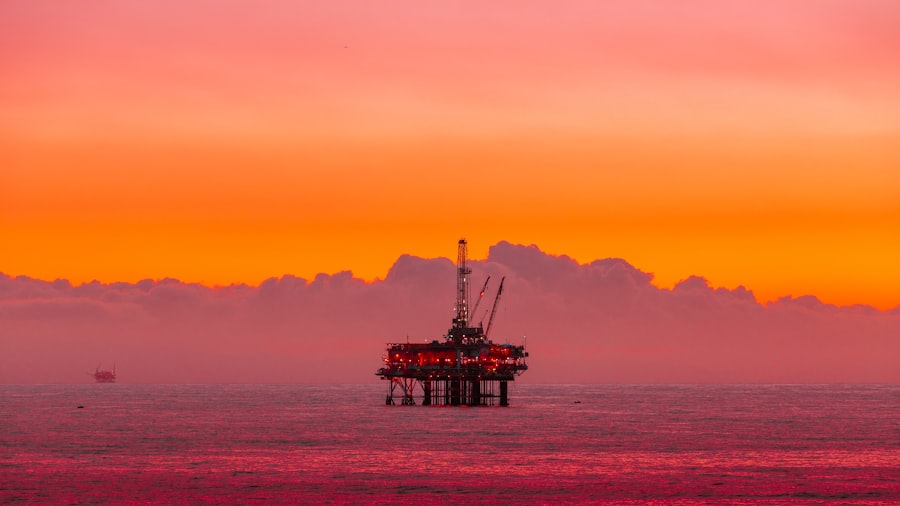
Kazakhstan’s location on the Caspian Sea, while offering access to resources, also places it within a complex geopolitical landscape. The region’s history is marked by shifting alliances and competition for influence, and these factors can significantly impact the security and stability of offshore oil operations. The Caspian Sea, in this context, can be seen not just as a source of wealth, but as a potential flashpoint.
Border Disputes and Maritime Delimitation
The legal status of the Caspian Sea, particularly concerning the delimitation of its seabed, has been a subject of protracted negotiations for decades. Lack of a universally agreed-upon framework can create uncertainty and potential disputes over resource rights, particularly as exploration and production intensify. This unresolved legal status is a ticking time bomb that could disrupt operations.
The Convention on the Legal Status of the Caspian Sea
While a convention was signed in 2018, its implementation and the finer details of seabed delimitation are still being worked out. This ongoing process creates a degree of ambiguity, which can be exploited by competing interests or lead to disagreements over the development of transboundary hydrocarbon fields.
Potential for Disputes in Resource-Rich Areas
As exploration moves into more contested or less clearly defined areas of the Caspian, the risk of disputes over resource ownership and development rights increases. This could lead to diplomatic tensions and, in the worst-case scenarios, affect the operational security of offshore infrastructure.
Regional Power Dynamics and External Interests
The Caspian region is bordered by several major powers, each with its own strategic interests, including Russia, Iran, Azerbaijan, and Turkmenistan. The involvement of these nations, along with the influence of external global powers, creates a complex web of alliances and rivalries that can impact the hydrocarbon sector. External powers often have a vested interest in the flow of energy resources, and their influence can be a double-edged sword.
Russian Influence
Russia has historically exerted significant influence in the Caspian region and maintains a strategic interest in the flow of oil and gas from Central Asia. Its involvement can manifest in various ways, from pipeline diplomacy to security considerations, all of which can impact Kazakhstan’s offshore projects.
Iranian Aspirations
Iran, with its own Caspian coastline, also has geopolitical and economic interests in the region’s energy resources. Its stance on maritime boundaries and energy transit routes can create additional considerations for Kazakhstan’s offshore development plans.
Transit Routes and Export Dependencies
Kazakhstan’s ability to export its offshore oil is heavily reliant on transit routes, many of which traverse or are influenced by neighboring countries. Disruptions to these routes, whether due to political instability or infrastructure issues, can severely impact production and revenue. The chosen export pathways are like arteries, and any blockage can be fatal to the system.
Security of Offshore Installations
Offshore platforms and subsea pipelines represent significant strategic assets. Their security is paramount, not only against potential accidents but also against deliberate acts of sabotage, terrorism, or military action, especially in a region prone to geopolitical tensions. The vastness of the Caspian can make surveillance and protection a daunting task.
Vulnerability to Attacks
Offshore oil infrastructure is inherently more vulnerable than onshore facilities due to its isolation and the specialized nature of its operations. This vulnerability increases the need for robust security measures, including surveillance, naval patrols, and emergency response capabilities.
Impact of Regional Conflicts
Broader regional conflicts or heightened tensions can spill over and directly or indirectly affect the security of the Caspian Sea and its energy infrastructure. Kazakhstan must navigate these larger geopolitical currents to ensure the safety of its vital offshore assets.
Environmental Challenges and Sustainability Concerns
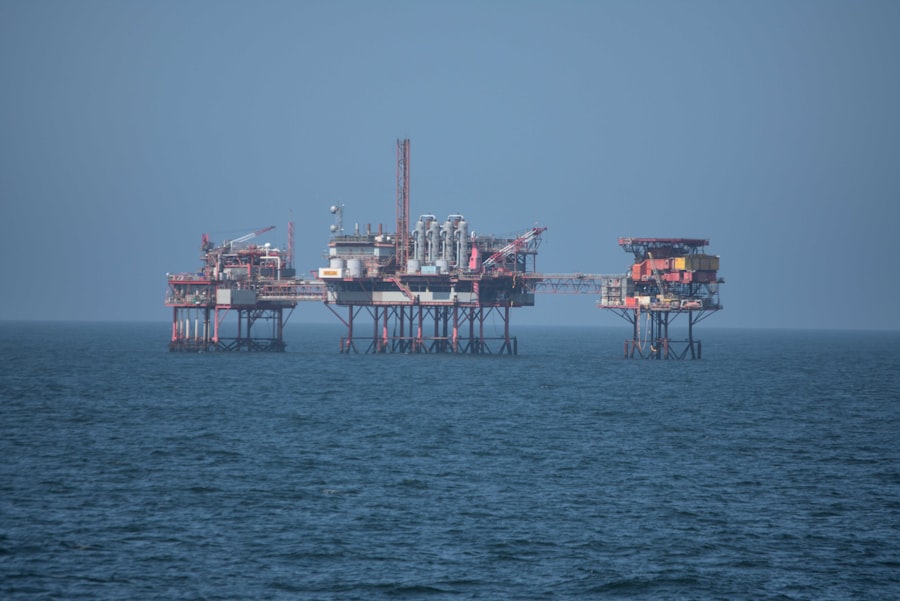
The pursuit of offshore oil production inherently carries significant environmental risks. The Caspian Sea, a unique and fragile ecosystem, is particularly vulnerable to the impacts of oil spills and industrial activities. Balancing resource extraction with environmental protection is a critical and ongoing challenge. The exploitation of offshore oil is a tightrope walk between economic gain and ecological preservation.
Risk of Oil Spills and Contamination
The most immediate and devastating environmental risk associated with offshore oil production is the possibility of oil spills. A significant spill in the Caspian Sea could have catastrophic consequences for its marine life, coastal ecosystems, and the livelihoods of communities dependent on the sea. The sheer volume of hydrocarbons involved means that any leak can quickly escalate into an environmental disaster of epic proportions.
Impact on Marine Biodiversity
The Caspian Sea is home to unique species, including the critically endangered Caspian seal and the sturgeon, famous for its caviar. Oil contamination can decimate fish populations, disrupt food chains, and have long-lasting impacts on the region’s biodiversity.
Coastal Ecosystem Damage
Oil spills can contaminate coastlines, damaging wetlands, beaches, and sensitive intertidal zones. The cleanup effort is often arduous and expensive, with the environmental scars potentially lingering for decades.
Production Wastewater and Emissions
Beyond the risk of catastrophic spills, the routine operations of offshore oil production generate wastewater and emissions that can also impact the environment. The discharge of treated or untreated wastewater into the sea, along with greenhouse gas emissions from platforms and associated infrastructure, requires careful management and regulation.
Discharge of Produced Water
Produced water, the water that is brought up from the reservoir along with oil and gas, can contain hydrocarbons, salts, and other contaminants. Proper treatment and disposal are essential to prevent pollution of the surrounding waters. The unseen discharge of this water can be a slow poisoning of the marine environment.
Air Pollution and Greenhouse Gases
Offshore platforms are sources of air pollution, including the release of volatile organic compounds (VOCs) and greenhouse gases like methane and carbon dioxide. These emissions contribute to climate change and can impact local air quality.
Long-Term Environmental Stewardship
The long-term environmental stewardship of the Caspian Sea is a critical concern for Kazakhstan and all regional stakeholders. Ensuring that the environmental footprint of offshore oil production is minimized requires robust regulatory frameworks, stringent monitoring, and a commitment to sustainable practices. The legacy of oil production should not be an ecological wasteland.
Kazakhstan’s offshore oil production has been a topic of increasing concern due to various environmental and geopolitical risks. A recent article highlights the potential challenges that the country faces in managing its offshore resources effectively. For a deeper understanding of these issues, you can read more about it in this insightful piece on the subject. The article provides a comprehensive overview of the risks involved and the strategies that could be employed to mitigate them. To explore this further, visit this link.
Infrastructure Development and Logistics
| Risk Factor | Description | Potential Impact | Mitigation Measures |
|---|---|---|---|
| Environmental Hazards | Harsh weather conditions including storms and ice in the Caspian Sea | Damage to infrastructure, operational delays, oil spills | Robust platform design, weather monitoring, emergency response plans |
| Technical Challenges | Complex geology and deepwater drilling requirements | Increased operational costs, risk of blowouts or equipment failure | Advanced drilling technology, regular maintenance, skilled workforce |
| Regulatory Risks | Changing government policies and environmental regulations | Project delays, increased compliance costs | Continuous engagement with regulators, compliance audits |
| Political Risks | Geopolitical tensions in the Caspian region | Disruptions in operations, investment uncertainty | Political risk insurance, diversified investment strategies |
| Market Risks | Fluctuations in global oil prices | Revenue volatility, project viability concerns | Hedging strategies, cost optimization |
| Environmental Impact | Potential for oil spills affecting marine ecosystems | Long-term ecological damage, reputational harm | Strict environmental controls, spill response teams |
The successful and efficient extraction and transportation of offshore oil are heavily dependent on robust and well-planned infrastructure. This includes not just the offshore platforms but also the onshore processing facilities, pipelines, and export terminals. The logistical challenges of operating in a vast and sometimes harsh environment are immense. The entire process is a complex dance of interconnected systems, and a single missed step can bring the whole performance to a halt.
Construction of Offshore Platforms and Facilities
Building and maintaining offshore platforms in the Caspian Sea requires specialized engineering expertise and significant capital investment. The harsh weather conditions, including ice in winter, pose unique challenges for construction and maintenance operations. Imagine building a skyscraper in the middle of a frozen lake – the logistical and engineering hurdles are substantial.
Specialized Vessels and Equipment
The construction and operation of offshore oil fields rely on a fleet of specialized vessels, including drilling rigs, construction barges, and supply ships. Maintaining and operating this complex fleet requires significant logistical coordination and investment.
Harsh Weather Conditions
The Caspian Sea experiences extreme weather, including strong winds, storms, and freezing temperatures in the northern regions. These conditions can disrupt construction schedules, impact safety, and necessitate specialized equipment and operational procedures.
Pipeline Construction and Maintenance
Transporting oil from offshore platforms to onshore facilities and then to export terminals involves extensive pipeline networks. The construction and maintenance of these underwater pipelines, especially in challenging seabed conditions, are complex and costly undertakings. These pipelines are the arteries connecting the production hub to the wider world.
Subsea Pipeline Risks
Subsea pipelines are susceptible to damage from seismic activity, anchors dropped from ships, and corrosion. Regular inspection and maintenance are crucial to ensure their integrity and prevent leaks.
Limited Export Routes
Kazakhstan’s landlocked geography means that its oil exports are heavily reliant on existing pipeline networks. Building new export routes, especially those that may cross sensitive regions or involve multiple countries, is a complex and politically charged endeavor.
Onshore Processing and Export Terminals
The crude oil extracted offshore requires significant processing before it can be exported. This involves constructing and operating sophisticated onshore processing facilities, as well as export terminals. The capacity and efficiency of these onshore facilities are critical to the overall success of the offshore operations.
Processing of Sour Crude
As noted earlier, the high H2S content of Kazakh crude requires specialized processing facilities to remove the sulfur and make the oil suitable for export. This adds a layer of complexity and cost to onshore operations.
Export Terminal Capacity and Diversification
The capacity of existing export terminals and the diversification of export routes are crucial for ensuring that Kazakhstan can efficiently get its offshore oil to market. Over-reliance on single export routes can create vulnerabilities.
In conclusion, while Kazakhstan’s offshore oil production holds significant promise for the nation’s economic future, it is a venture fraught with considerable risks. From the unforgiving geological conditions and volatile market dynamics to the intricate geopolitical landscape and pressing environmental concerns, each presents a formidable challenge. Navigating these complexities with foresight, robust planning, and a commitment to sustainable practices will be paramount in determining the success and long-term viability of Kazakhstan’s offshore energy ambitions. The pursuit of this subterranean treasure requires not just technical prowess and financial might, but also a profound understanding of the complex ecosystem of risks that surrounds it.
FAQs
What are the main risks associated with offshore oil production in Kazakhstan?
The main risks include environmental hazards such as oil spills, technical and operational challenges due to harsh weather conditions, geopolitical and regulatory uncertainties, and financial risks related to fluctuating oil prices and high production costs.
How does Kazakhstan’s offshore oil production impact the environment?
Offshore oil production poses risks of oil spills and leaks, which can harm marine ecosystems and biodiversity. Additionally, the extraction process can lead to water pollution and habitat disruption in the Caspian Sea region.
What regulatory measures are in place to manage offshore oil production risks in Kazakhstan?
Kazakhstan has implemented environmental regulations and safety standards to oversee offshore oil activities. These include requirements for environmental impact assessments, emergency response plans, and adherence to international safety protocols to minimize operational risks.
How do geopolitical factors influence offshore oil production in Kazakhstan?
Geopolitical factors such as regional stability, international sanctions, and relations with neighboring countries can affect investment, production continuity, and export routes for Kazakhstan’s offshore oil industry.
What technological challenges are faced in Kazakhstan’s offshore oil production?
Technological challenges include operating in deepwater and harsh climatic conditions, maintaining infrastructure integrity, and deploying advanced drilling and extraction technologies to ensure safety and efficiency in offshore oil production.