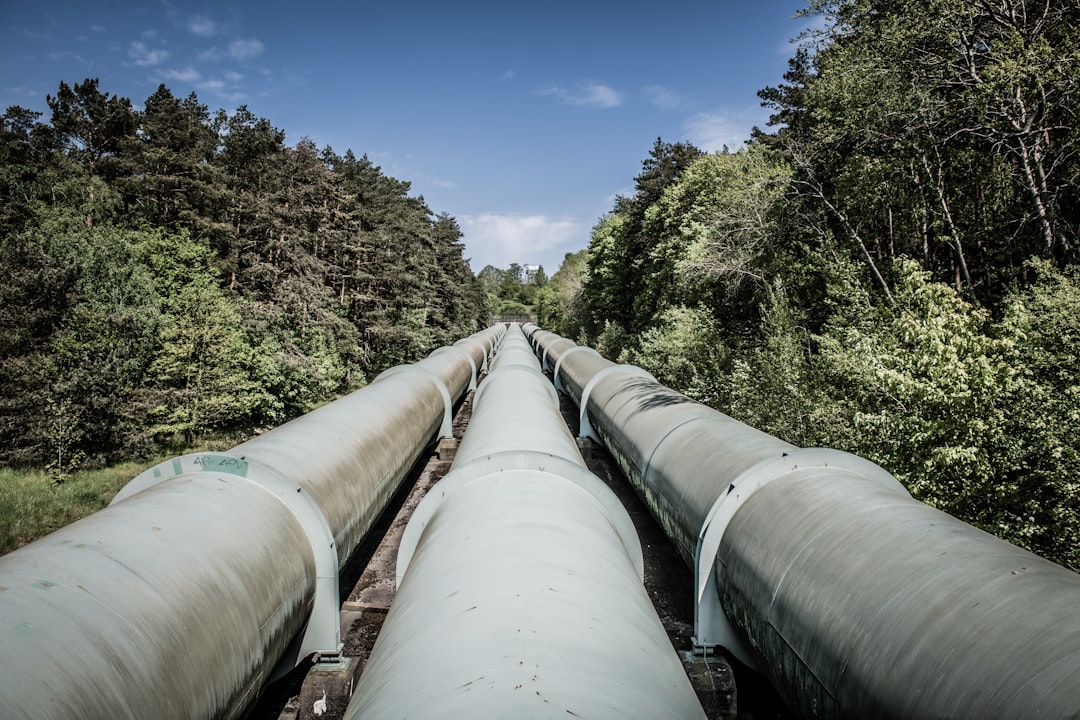
The intricate tapestry of Eurasia is woven with threads of history, culture, and commerce, and at its heart lie two vast bodies of water: the Black Sea and the Caspian Sea. For centuries, these inland seas have held immense strategic and economic importance, shaping the destinies of the nations that border them. Yet, despite their proximity, they remain geographically separate, their waters confined by landmasses and varying elevations. The concept of connecting these two vital waterways through a water pipeline project is not merely an engineering feat; it is a proposition that could fundamentally alter regional dynamics and unlock new potentials for economic prosperity, ecological management, and geopolitical collaboration. This article delves into the multifaceted aspects of such a project, exploring its technical feasibility, potential benefits, daunting challenges, and the intricate geopolitical landscape it would navigate.
The genesis of any ambitious infrastructure project lies in a clear and compelling rationale. For the Black Sea-Caspian Sea water pipeline, this rationale is multi-layered, encompassing economic imperatives, environmental considerations, and the potential for enhanced regional integration.
Bridging Distinct Water Basins
Stimulating Economic Growth Through Water Transfer
The Black Sea and the Caspian Sea, while both significant inland seas, possess distinct characteristics in terms of salinity, water levels, and ecological profiles. The Black Sea, a semi-enclosed sea, receives freshwater predominantly from rivers like the Danube, Dniester, and Dnieper. Its salinity is lower than that of the oceans, and it faces challenges related to pollution and eutrophication. The Caspian Sea, on the other hand, is the world’s largest inland body of water, characterized by higher salinity and a fluctuating water level that has been a subject of concern for bordering nations. Connecting these two distinct water basins is a monumental undertaking that requires meticulous planning to ensure compatibility and minimize ecological disruption.
The primary economic driver for such a connection would be the potential for optimizing water resource management and facilitating trade and transport. For regions downstream from the Black Sea, which might experience water scarcity, a controlled transfer of water could act as a lifeline, bolstering agricultural output, supporting industrial processes, and ensuring potable water supplies for burgeoning populations. Conversely, for the Caspian Sea, where water levels have been a perennial concern, controlled release mechanisms could potentially mitigate ecological impacts and support economic activities dependent on stable shorelines. Imagine a vast circulatory system, pumping lifeblood where it is most needed, fostering a new era of interdependency and shared prosperity.
Addressing Water Scarcity and Drought Mitigation
Water scarcity is a growing global challenge, exacerbated by climate change and increasing demand. Certain regions bordering both the Black Sea and the Caspian Sea are susceptible to drought and desertification, threatening agricultural productivity and livelihoods. A water pipeline could serve as a strategic tool for mitigating the impacts of drought, providing a consistent and reliable source of water to arid or semi-arid areas. This would involve not just a transfer of quantity, but a carefully managed flow, akin to a carefully calibrated intravenous drip, ensuring that vital resources reach where they are most critically needed without overwhelming existing systems.
Enhancing Regional Connectivity and Trade Routes
The potential for enhanced waterway connectivity is another significant aspect. While the two seas are not directly navigable to each other at present, a pipeline connection could theoretically be integrated with canal systems or port infrastructure, opening up new shipping routes and facilitating intra-regional trade. This could reduce reliance on longer, more expensive overland transport, thereby stimulating economic activity and fostering closer economic ties between the nations involved. Think of it as forging a new artery in the Eurasian continent, shortening travel times and making the flow of goods and commerce more efficient.
The proposed Black Sea to Caspian Sea water pipeline has garnered significant attention due to its potential to enhance regional connectivity and address water scarcity issues. For a deeper understanding of the geopolitical implications and environmental considerations surrounding this project, you can refer to a related article that explores these themes in detail. To read more, visit this article.
Technical Feasibility and Engineering Challenges
The concept of a water pipeline connecting the Black Sea and the Caspian Sea is not without its formidable technical hurdles. The vast geographical distance, significant elevation changes, and the sheer volume of water to be transferred present engineering challenges that would test the limits of modern technology.
Surveying and Route Selection
The initial and perhaps most critical phase of any pipeline project is extensive surveying and meticulous route selection. This would involve detailed topographical studies, geological assessments, and environmental impact analyses to identify the most viable path for the pipeline. The terrain between the Black Sea and the Caspian Sea is far from uniform, encompassing plains, mountains, and potentially fault lines. Navigating these diverse landscapes requires sophisticated mapping and surveying technologies to avoid seismic zones, minimize land acquisition, and ensure the structural integrity of the pipeline. The chosen route would be the skeletal structure upon which this entire ambitious project rests, and its integrity is paramount.
Pipeline Material and Design
The selection of appropriate pipeline materials is crucial, considering the corrosive nature of some water bodies and the immense pressure the pipeline would withstand. High-density polyethylene (HDPE) or robust steel alloys, possibly with specialized coatings, would likely be considered. The design would need to account for factors such as water salinity, temperature fluctuations, and the potential for sedimentation. Furthermore, the pipeline would require a sophisticated system of pumps, valves, and control mechanisms to regulate the flow and pressure of water across potentially hundreds of kilometers. This is not simply a pipe; it is a complex vascular system designed to carry a vital fluid across challenging terrains.
Pumping and Energy Requirements
A significant challenge lies in the energy required to move water across substantial elevation differences. The Caspian Sea is at a lower elevation than the Black Sea, but the intervening landmass includes significant uplifts, necessitating powerful pumping stations. The design and placement of these stations would be critical, requiring a reliable and sustainable energy source to power them. The energy footprint of such a project would be substantial, raising questions about the environmental impact of power generation and the economic viability of continuous operation. This is akin to powering a colossal heart, ensuring the continuous and robust circulation of precious resources.
Environmental Mitigation and Ecological Concerns
Connecting two distinct water bodies inherently raises profound environmental concerns. The introduction of water from one basin to another could have unforeseen ecological consequences, including changes in salinity, the introduction of invasive species, and disruption of existing ecosystems.
Potential for Invasive Species Introduction
One of the most significant ecological risks is the potential for the transfer of invasive species. Organisms, from microscopic plankton to larger aquatic life, could hitch a ride in the water flow, disrupting the delicate balance of the recipient ecosystem. Rigorous screening, filtration, and ballast water management protocols would be essential to prevent the introduction of unwanted species. It would be like checking every passenger and piece of luggage before boarding a long-haul flight, ensuring that no undesirable elements are introduced to a new environment.
Alteration of Water Chemistry and Salinity
The Black Sea and the Caspian Sea have different salinity levels and chemical compositions. Transferring water without careful management could alter the salinity balance of both bodies, impacting native flora and fauna adapted to specific conditions. Research into the precise chemical composition of both seas and the development of precise mixing or treatment protocols would be crucial to minimize adverse effects. The goal would be to create a harmonious blend, not a jarring chemical shock.
Impact on Water Levels and Ecosystems
Changes in water levels in either sea due to a pipeline could have cascading effects on coastal ecosystems, wetlands, and the communities that depend on them. Careful monitoring and adaptive management strategies would be necessary to respond to any unforeseen impacts on water levels and their associated environmental consequences. This requires a constant vigil, like a doctor monitoring vital signs to ensure the patient’s stability.
Economic and Geopolitical Implications
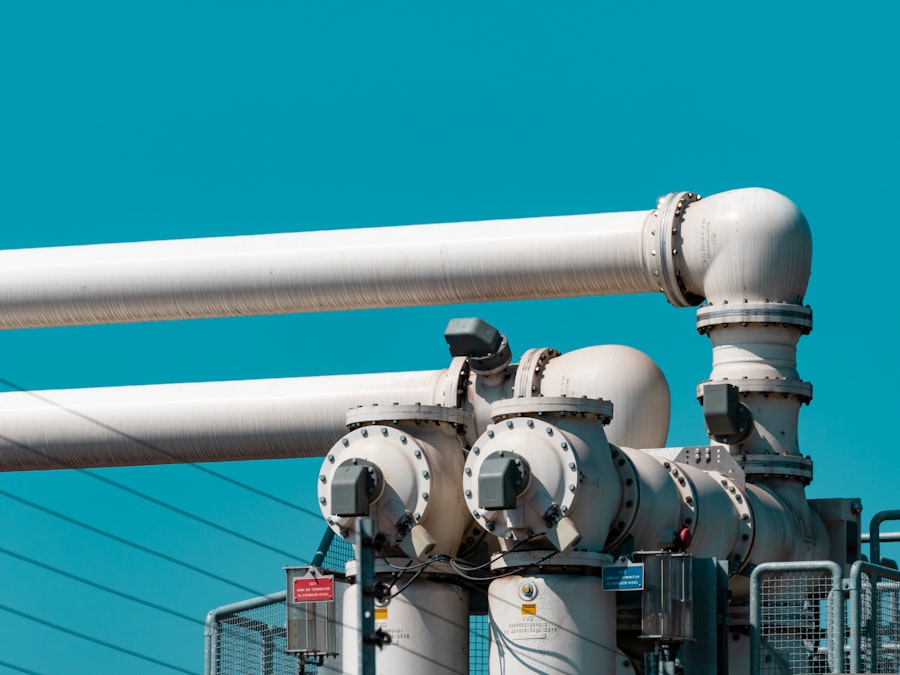
The construction and operation of a Black Sea-Caspian Sea water pipeline would undoubtedly trigger a cascade of economic and geopolitical shifts across the region, creating new opportunities and potential friction points.
Economic Opportunities for Bordering Nations
For the nations that lie along the proposed pipeline route, the project could represent a significant economic boon. Construction would create jobs, stimulate industries, and generate revenue through land leases and transit fees. Once operational, the pipeline could unlock new avenues for agricultural development, industrial expansion, and potentially even tourism, driven by increased water availability and enhanced connectivity. It is like opening a new marketplace, where resources can flow freely and generate new forms of wealth.
Shifting Trade Dynamics and New Corridors
The pipeline’s ability to facilitate water transfer and potentially integrate with existing or new canal systems could redraw trade maps. New shipping corridors could emerge, reducing reliance on existing routes and potentially decreasing transportation costs for goods moving between Europe and Asia. This could boost the competitiveness of regional economies and foster greater integration within the Eurasian continent. Imagine a new set of arteries, allowing for a more efficient and dynamic flow of commerce.
Geopolitical Realignment and Cooperation
The establishment of such a crucial piece of infrastructure would necessitate a high degree of cooperation among the bordering nations. Joint management of the pipeline, water allocation agreements, and security protocols would be paramount. This could foster a new era of regional cooperation and interdependence, potentially reducing historical tensions. However, it also presents a potential source of friction if agreements are not meticulously crafted and adhered to. The pipeline could become a bridge for diplomacy, or a point of contention, depending on how it is managed.
Security Considerations and Infrastructure Protection
A vital piece of infrastructure like a transcontinental water pipeline would be a strategic asset, attracting attention from various actors. Ensuring its security from sabotage, terrorism, or environmental disasters would be a paramount concern, requiring robust security measures and international cooperation. The protection of this artery would be as important as its construction.
Potential Benefits and Strategic Advantages

Beyond the immediate economic and geopolitical shifts, the Black Sea-Caspian Sea water pipeline offers a range of potential benefits and strategic advantages that could resonate across the region and beyond.
Water Security and Resource Management
In an era of increasing water stress, the pipeline could significantly enhance water security for participating nations. It offers a mechanism for redistributing a vital resource, buffering against droughts and ensuring more equitable access to water for diverse needs, from agriculture to industrial development and domestic consumption. This strategic redistribution of water could act as a powerful tool for regional stability and resilience.
Environmental Restoration and Conservation Efforts
While the project itself carries environmental risks, it also presents opportunities for environmental restoration and conservation. For instance, if the Caspian Sea’s water level is a concern due to reduced inflow from its major river, the Volga, a controlled release from the Black Sea could potentially help stabilize its levels, thus preserving coastal habitats and preventing saline intrusion into freshwater aquifers. Conversely, improved water management in the Black Sea basin could alleviate pressure on its freshwater resources.
Development of New Technologies and Expertise
The sheer scale and complexity of the project would spur innovation in various fields, from civil engineering and environmental science to water treatment and energy efficiency. The development and implementation of cutting-edge technologies to overcome the challenges would create a valuable pool of expertise within the region, benefiting future infrastructure projects. This presents an opportunity for a knowledge transfer, building capacity and fostering a spirit of innovation.
Enhanced Interdependence and Regional Stability
By creating a deeply interconnected system for managing a shared resource, the pipeline could foster a greater sense of interdependence among the bordering nations. This shared reliance could, in turn, translate into increased regional stability, as nations would have a vested interest in maintaining peaceful relations and collaborative governance to ensure the continued operation of this vital infrastructure. It weaves a stronger, more resilient fabric of regional connection.
The proposed Black Sea to Caspian Sea water pipeline has garnered significant attention due to its potential to enhance regional water management and support ecological sustainability. This ambitious project aims to address water scarcity issues while fostering cooperation among neighboring countries. For further insights into the implications of such infrastructure developments, you can read a related article that explores the geopolitical and environmental aspects of water pipelines in the region. To learn more, visit this article.
Challenges and Obstacles to Implementation
| Metric | Value | Unit | Notes |
|---|---|---|---|
| Pipeline Length | 500 | km | Estimated distance from Black Sea to Caspian Sea |
| Pipeline Diameter | 2.5 | meters | Typical diameter for large water pipelines |
| Water Transfer Capacity | 1.2 | billion cubic meters per year | Projected annual water transfer volume |
| Construction Start Year | 2025 | Year | Planned start of construction |
| Estimated Completion Year | 2030 | Year | Projected completion date |
| Primary Purpose | Water Supply & Irrigation | – | Supports agriculture and regional water needs |
| Countries Involved | 3 | Number | Countries through which the pipeline passes |
| Estimated Cost | 4.5 | billion | Estimated project cost excluding inflation |
Despite the tantalizing potential, the path to realizing a Black Sea-Caspian Sea water pipeline is fraught with significant challenges and obstacles that demand careful consideration and robust solutions.
Financial Investment and Funding Mechanisms
The cost of a project of this magnitude would be astronomical, potentially running into tens or even hundreds of billions of dollars. Securing the necessary financial investment would require a complex interplay of national budgets, international lending institutions, and private sector participation. The financial blueprint would need to be meticulously crafted to ensure long-term viability and sustainability. This is not a small undertaking; it requires a deep well of capital, carefully managed.
Political Will and Intergovernmental Agreements
The successful implementation of such a project hinges on strong political will and comprehensive intergovernmental agreements among all participating nations. Navigating differing national interests, historical grievances, and potential sovereignty concerns would require delicate diplomacy and a commitment to shared goals. The consensus required is akin to aligning multiple stars in a complex constellation; each must find its precise position for the pattern to hold.
Environmental Impact Assessments and Public Acceptance
Thorough and transparent environmental impact assessments would be crucial to address concerns from environmental organizations and the public. Gaining public acceptance and addressing potential anxieties about ecological disruption and water diversion would require extensive public consultation and robust mitigation strategies. The project must not only be technically feasible but also socially and environmentally responsible to garner widespread support.
Long-Term Maintenance and Operational Costs
Beyond the initial construction costs, the long-term maintenance and operational expenses of such an extensive pipeline system would be substantial. This includes regular inspections, repairs, energy costs for pumping, and ongoing environmental monitoring. A detailed long-term financial plan would be essential to ensure the pipeline remains functional and sustainable for the decades it would likely operate. The organism needs continuous care; it cannot be built and then abandoned.
FAQs
What is the Black Sea to Caspian Sea water pipeline project?
The Black Sea to Caspian Sea water pipeline is a proposed infrastructure project aimed at transferring water from the Black Sea region to the Caspian Sea basin. The goal is to address water scarcity issues in the Caspian Sea area by creating a reliable water supply route.
Why is the Black Sea to Caspian Sea water pipeline being considered?
The pipeline is being considered primarily to combat water shortages and support agricultural, industrial, and domestic water needs in countries around the Caspian Sea. It aims to improve regional water security and promote economic development.
Which countries are involved in the Black Sea to Caspian Sea water pipeline project?
The project involves countries located around the Black Sea and Caspian Sea regions, including but not limited to Russia, Azerbaijan, Kazakhstan, and potentially other neighboring states. Cooperation among these countries is essential for the pipeline’s planning and implementation.
What are the potential benefits of the Black Sea to Caspian Sea water pipeline?
Potential benefits include alleviating water scarcity, supporting agriculture and industry, enhancing regional cooperation, and contributing to environmental sustainability by managing water resources more effectively.
What challenges does the Black Sea to Caspian Sea water pipeline face?
Challenges include technical and engineering difficulties, high construction and maintenance costs, environmental concerns, geopolitical complexities, and the need for multilateral agreements among the involved countries.