
The Drake Passage, a body of water situated between the southern tip of South America and Antarctica, is renowned for its tumultuous seas and unpredictable weather. Spanning approximately 800 kilometers (500 miles) in width, it serves as a critical maritime route for vessels traveling to and from the Antarctic region. Named after the English explorer Sir Francis Drake, who navigated these waters in the late 16th century, the passage has become synonymous with both adventure and peril.
Its reputation for fierce storms and high waves has made it a focal point for sailors, researchers, and tourists alike, all drawn by the allure of its wild beauty and the challenges it presents. Despite its fearsome reputation, the Drake Passage also offers moments of tranquility. These calm periods, though often fleeting, provide a stark contrast to the otherwise turbulent waters.
Understanding the factors that contribute to these serene moments is essential for those planning to traverse this iconic maritime route. As climate change continues to influence global weather patterns, the dynamics of the Drake Passage are evolving, making it increasingly important to study its conditions and their implications for navigation and wildlife.
Key Takeaways
- The Drake Passage is a body of water between South America’s Cape Horn and the South Shetland Islands of Antarctica, known for its challenging sailing conditions.
- Factors such as the Antarctic Circumpolar Current and the Southern Ocean’s westerly winds influence the calmness of the Drake Passage.
- Weather patterns in the Drake Passage are characterized by strong winds, high waves, and rapidly changing conditions, making it one of the roughest seas in the world.
- Seasonal variations in the Drake Passage show that the austral summer (November to March) generally experiences milder conditions compared to the austral winter (April to October).
- Historical data reveals that there are calm periods in the Drake Passage, with February and March being the best months for calmer sailing conditions.
- The best times to visit the Drake Passage for calm conditions are during the austral summer, particularly in February and March.
- Climate change is impacting the Drake Passage, leading to potential changes in weather patterns and sea conditions, which may affect the calmness of the passage.
- Navigating the Drake Passage during calm periods requires careful planning, experienced crew, and sturdy vessels to ensure safe passage.
- Wildlife such as whales, seals, and seabirds, as well as natural phenomena like icebergs and stunning landscapes, can be observed during calm conditions in the Drake Passage.
- Safety precautions for traveling through the Drake Passage include securing loose items, wearing appropriate gear, and following the instructions of experienced crew members.
- In conclusion, the future of calm conditions in the Drake Passage may be influenced by climate change, but careful planning and preparation can still provide opportunities for safe and enjoyable passage.
Factors that Influence the Calmness of the Drake Passage
Several factors contribute to the calmness of the Drake Passage, with wind patterns being one of the most significant. The passage is located at a confluence of various atmospheric systems, including the westerlies that dominate the Southern Hemisphere. When these winds are subdued or shift direction, they can lead to a decrease in wave height and turbulence, creating a more navigable environment.
Additionally, the presence of high-pressure systems can stabilize weather conditions, leading to clearer skies and calmer seas. Another critical factor is ocean currents.
This current can create rough seas; however, when it encounters periods of reduced wind activity or changes in temperature gradients, it can also lead to calmer waters. The interplay between these currents and atmospheric conditions is complex and can vary significantly from one season to another, making it essential for mariners to stay informed about current conditions before embarking on their journey.
Weather Patterns in the Drake Passage

The weather patterns in the Drake Passage are notoriously unpredictable, characterized by rapid changes that can occur within hours. The region experiences a mix of maritime and polar climates, leading to a unique set of weather phenomena. Storms can develop quickly, often bringing strong winds and heavy precipitation that can create hazardous conditions for vessels.
The passage is also subject to fog and low visibility, which can further complicate navigation. In addition to storms, the Drake Passage experiences a range of temperatures throughout the year. The summer months typically see milder conditions, with temperatures averaging between 5°C to 10°C (41°F to 50°F).
However, even during this period, sudden weather changes can occur, leading to rough seas. Conversely, winter months bring colder temperatures and increased storm activity, making navigation particularly challenging. Understanding these weather patterns is crucial for anyone planning to cross the Drake Passage, as they can significantly impact travel plans and safety.
Seasonal Variations in the Drake Passage
| Month | Sea Surface Temperature (°C) | Wind Speed (m/s) | Ice Coverage (%) |
|---|---|---|---|
| January | 5.2 | 8.3 | 12 |
| February | 4.8 | 8.7 | 10 |
| March | 4.5 | 9.1 | 8 |
| April | 3.8 | 9.5 | 6 |
| May | 2.9 | 9.8 | 4 |
| June | 1.8 | 10.2 | 2 |
| July | 1.2 | 10.5 | 1 |
| August | 1.5 | 10.1 | 2 |
| September | 2.5 | 9.7 | 4 |
| October | 3.5 | 9.3 | 6 |
| November | 4.2 | 8.9 | 8 |
| December | 4.9 | 8.5 | 10 |
Seasonal variations play a significant role in determining the conditions within the Drake Passage. During the austral summer, which spans from November to March, travelers often encounter relatively calmer seas compared to other times of the year. This period is characterized by longer daylight hours and warmer temperatures, making it an ideal time for expeditions to Antarctica.
However, even in summer, unexpected storms can arise, reminding travelers of the passage’s unpredictable nature. In contrast, winter months from June to August bring harsher conditions. The combination of colder temperatures and increased storm frequency creates a challenging environment for navigation.
Icebergs may also become more prevalent during this time, posing additional hazards for vessels traversing the passage. Understanding these seasonal variations is essential for planning safe and enjoyable trips through this remarkable waterway.
Historical Data on Calm Periods in the Drake Passage
Historical data on calm periods in the Drake Passage reveals valuable insights into its weather patterns and navigational challenges. Mariners have long documented their experiences crossing these waters, noting instances of both calm seas and tumultuous storms. Research indicates that while calm periods do occur, they are often brief and unpredictable.
Historical records suggest that certain months within the austral summer tend to have higher frequencies of calm conditions, although this can vary from year to year. Analyzing historical data also highlights the importance of local knowledge and experience when navigating the Drake Passage. Many seasoned sailors emphasize the value of understanding prevailing weather patterns and being prepared for sudden changes.
This knowledge not only enhances safety but also allows travelers to make informed decisions about when to embark on their journey through this iconic maritime route.
Best Times to Visit the Drake Passage for Calm Conditions
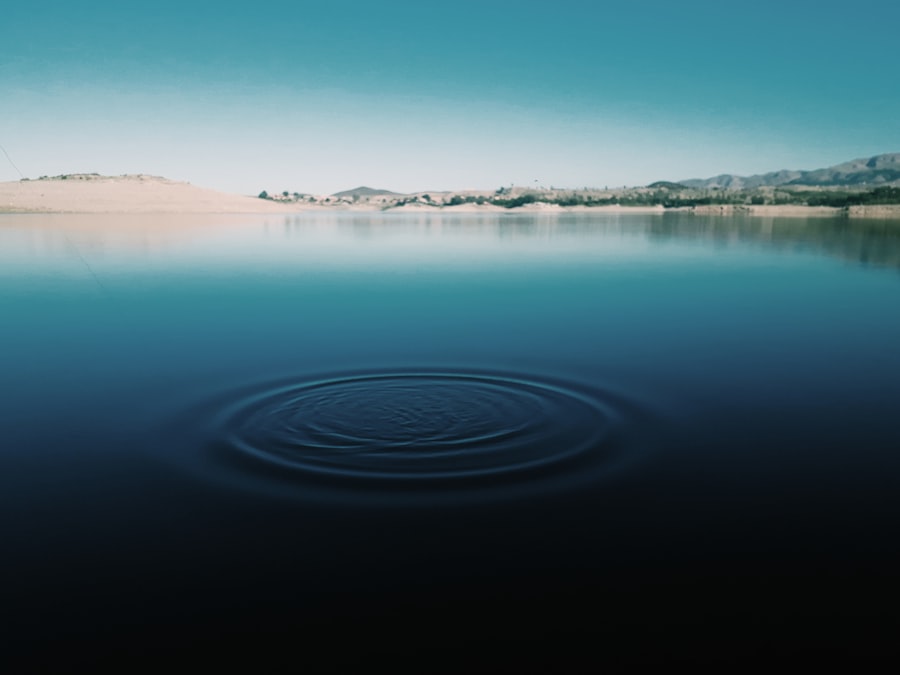
For those seeking calmer conditions in the Drake Passage, timing is crucial. The best times to visit typically fall within the austral summer months of November through March. During this period, travelers are more likely to encounter milder weather and reduced wave activity.
Many expedition cruises operate during these months, capitalizing on favorable conditions to offer passengers a chance to explore Antarctica’s stunning landscapes and unique wildlife. However, even within this window of opportunity, travelers should remain vigilant and flexible in their plans. Weather conditions can change rapidly in the Drake Passage, so it is essential to stay informed about current forecasts and be prepared for unexpected challenges.
By choosing to travel during these optimal months while remaining adaptable, adventurers can maximize their chances of experiencing calmer seas and enjoying all that this remarkable region has to offer.
Impact of Climate Change on the Drake Passage
Climate change is having a profound impact on global weather patterns, and the Drake Passage is no exception. Rising ocean temperatures and shifting wind patterns are altering the dynamics of this critical maritime route. As ice melts in Antarctica due to warming temperatures, changes in salinity and temperature gradients can affect ocean currents and weather systems in the region.
These changes may lead to more frequent and intense storms in the Drake Passage, posing additional challenges for navigation and safety. Furthermore, as marine ecosystems respond to changing conditions, there may be implications for wildlife populations that rely on stable environments for breeding and feeding. Understanding these impacts is essential for researchers and travelers alike as they navigate an increasingly unpredictable landscape.
Tips for Navigating the Drake Passage during Calm Periods
Navigating the Drake Passage during calm periods requires careful planning and preparation. First and foremost, travelers should stay informed about current weather forecasts and sea conditions before embarking on their journey. Utilizing reliable sources such as meteorological services or consulting with experienced crew members can provide valuable insights into what to expect during transit.
Additionally, travelers should consider choosing vessels specifically designed for navigating challenging waters.
Packing appropriate clothing for varying weather conditions is also essential; layers are recommended to accommodate sudden temperature changes that may occur even during calmer periods.
Wildlife and Natural Phenomena in the Drake Passage during Calm Conditions
The Drake Passage is not only known for its challenging navigation but also for its rich biodiversity and stunning natural phenomena. During calm periods, travelers may have the opportunity to witness an array of wildlife that thrives in these waters. Species such as whales, seals, and various seabirds are often spotted during crossings when conditions allow for smoother sailing.
In addition to wildlife sightings, calm conditions provide an excellent opportunity for travelers to appreciate the breathtaking landscapes surrounding the passage. The dramatic cliffs of Cape Horn and the pristine beauty of Antarctica’s icy shores become more accessible when seas are calm. These moments offer a chance for reflection and appreciation of nature’s wonders while traversing one of the world’s most iconic maritime routes.
Safety Precautions for Traveling through the Drake Passage
Safety should always be a top priority when traveling through the Drake Passage, regardless of weather conditions. Mariners are advised to adhere strictly to safety protocols established by their vessels’ crews. This includes attending safety briefings before departure and familiarizing themselves with emergency procedures.
Additionally, travelers should ensure they have appropriate safety gear on board, including life jackets and communication devices capable of functioning in remote areas. Staying vigilant during crossings is crucial; passengers should be aware of their surroundings and report any concerns to crew members promptly. By prioritizing safety measures and remaining alert throughout their journey, travelers can enhance their overall experience while navigating this remarkable waterway.
The Future of Calm Conditions in the Drake Passage
The future of calm conditions in the Drake Passage remains uncertain as climate change continues to reshape global weather patterns. While there will always be moments of tranquility amidst its notorious turbulence, understanding how these dynamics evolve is essential for both mariners and researchers alike. As scientists study ongoing changes in ocean temperatures and currents, they will gain valuable insights into how best to navigate this iconic passage in years to come.
Ultimately, those who venture into the Drake Passage must embrace its unpredictability while respecting its natural beauty. By staying informed about current conditions and prioritizing safety measures, travelers can enjoy unforgettable experiences in one of Earth’s most awe-inspiring maritime regions—whether they encounter calm seas or face turbulent waters along their journey.
The Drake Passage, known for its turbulent waters, is a topic of interest for many travelers and researchers alike. Understanding when this notorious stretch of sea might be calm can be crucial for planning expeditions or cruises. For those interested in learning more about the conditions and challenges of navigating the Drake Passage, a related article can be found on MyGeoQuest. This article provides insights into the seasonal variations and weather patterns that influence the passage’s conditions. For more detailed information, you can read the article by visiting this link.
WATCH NOW! Drake Passage: Earth’s Deadliest Waters Revealed
FAQs
What is the Drake Passage?
The Drake Passage is the body of water between the southern tip of South America and the northern tip of the Antarctic Peninsula. It is known for its notoriously rough and unpredictable seas.
When is the Drake Passage calm?
The Drake Passage is known for its rough seas and unpredictable weather, but it can be calmer during the summer months of December to February. However, calm conditions are not guaranteed and can vary from day to day.
Are there specific times of the year when the Drake Passage is consistently calm?
There are no specific times of the year when the Drake Passage is consistently calm. The weather and sea conditions can change rapidly, and calm periods are not guaranteed.
What factors contribute to the calmness of the Drake Passage?
Calm conditions in the Drake Passage can be influenced by a variety of factors, including the position of the polar jet stream, the presence of high or low-pressure systems, and the movement of ocean currents. However, these factors can be unpredictable and can change rapidly.
Are there any alternative routes to avoid rough seas in the Drake Passage?
There are no alternative routes to avoid the Drake Passage if traveling between South America and the Antarctic Peninsula. However, some travelers opt to take a cruise that includes the use of stabilizers to minimize the impact of rough seas.